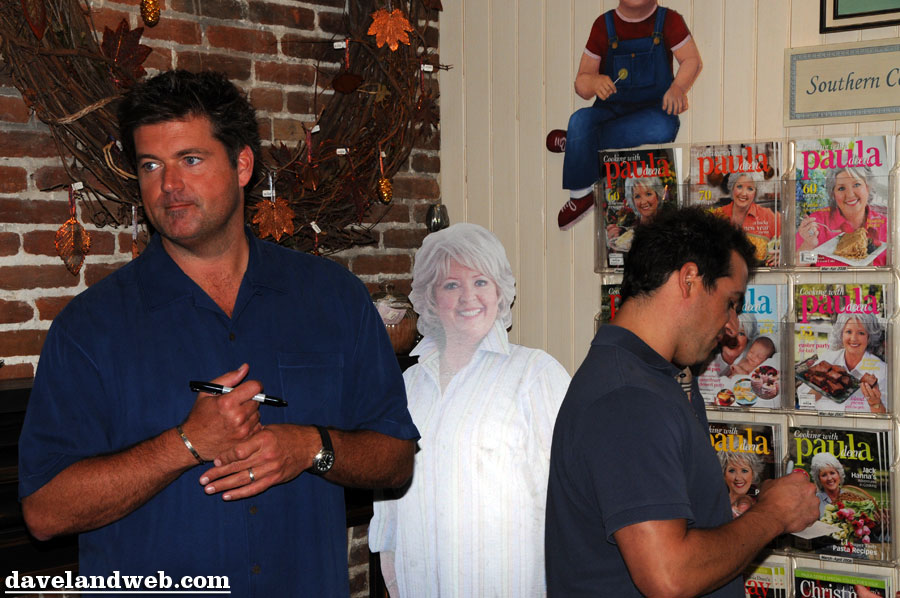
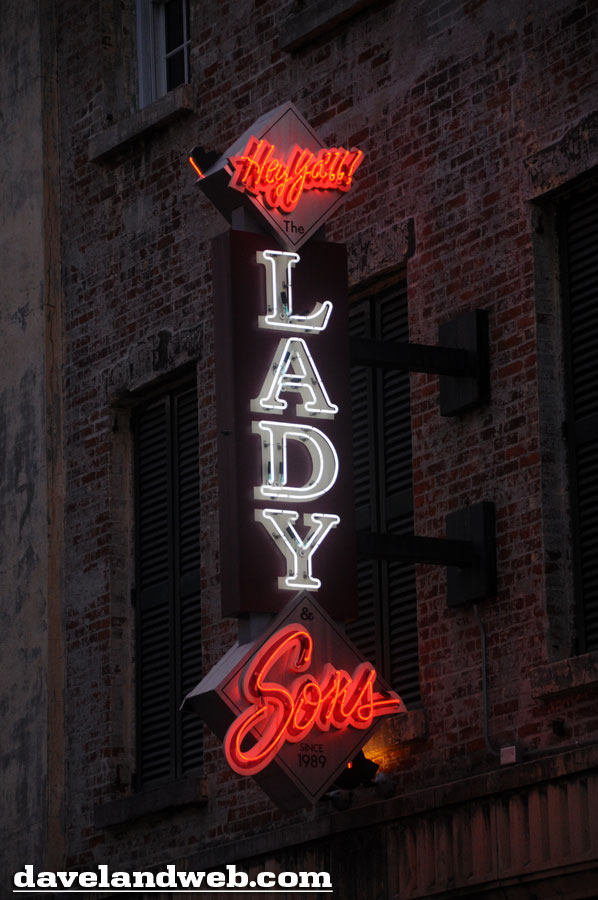
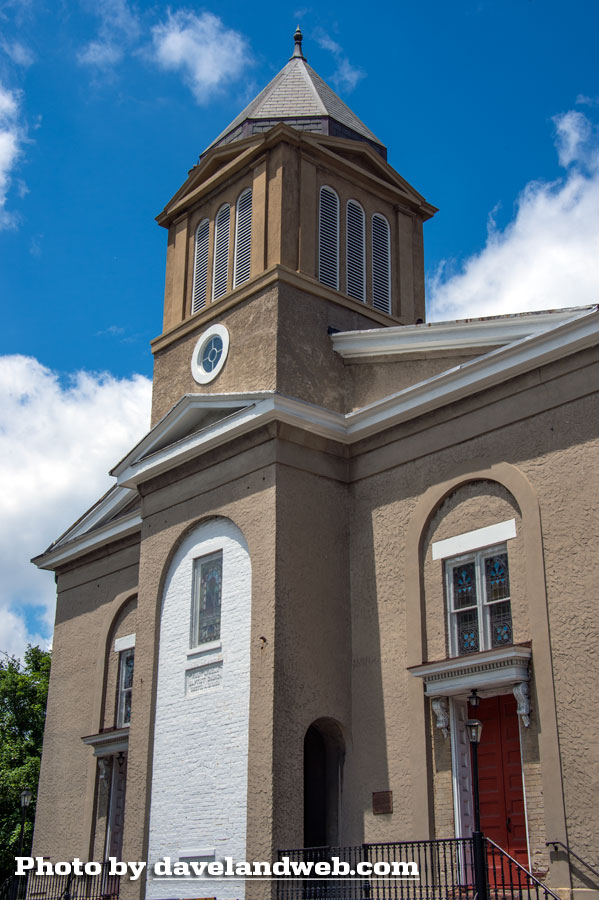
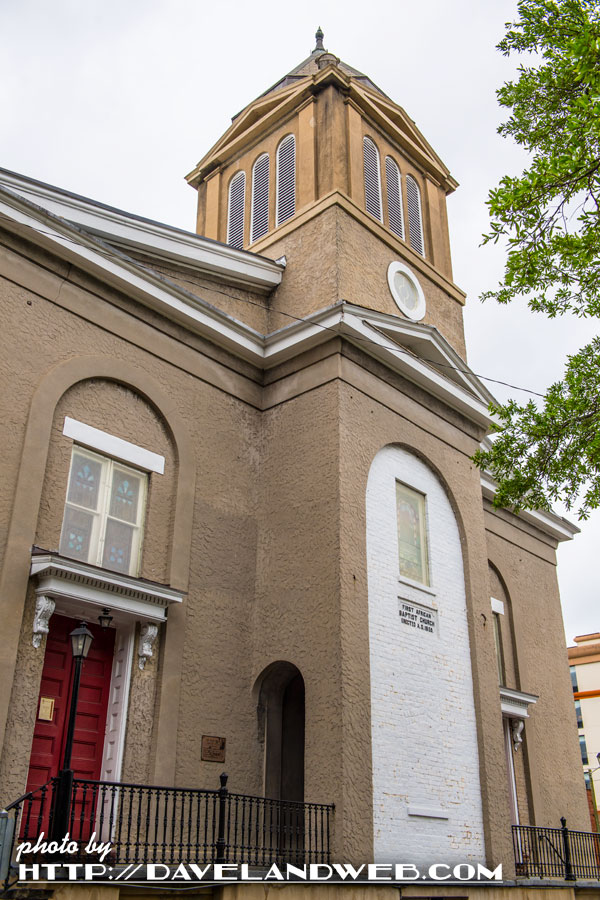
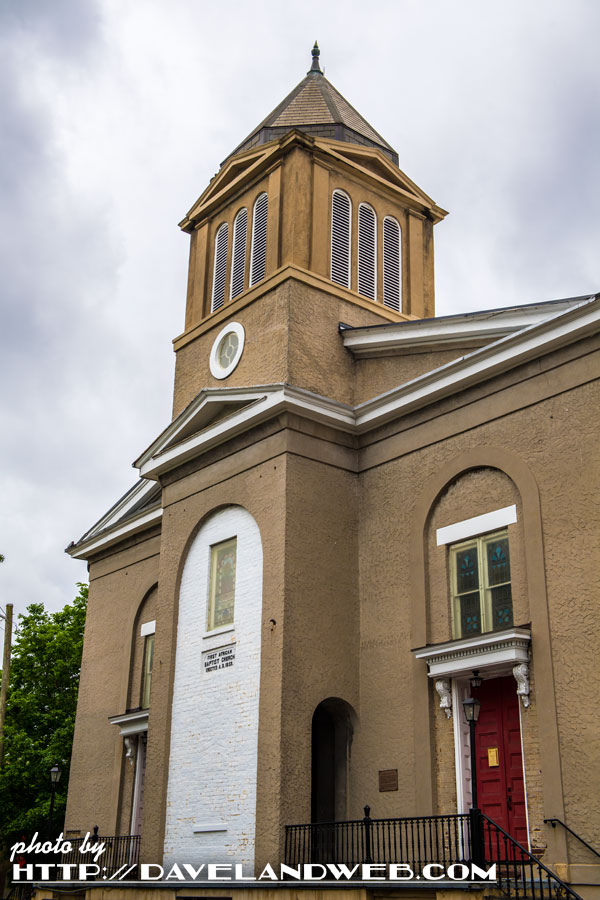
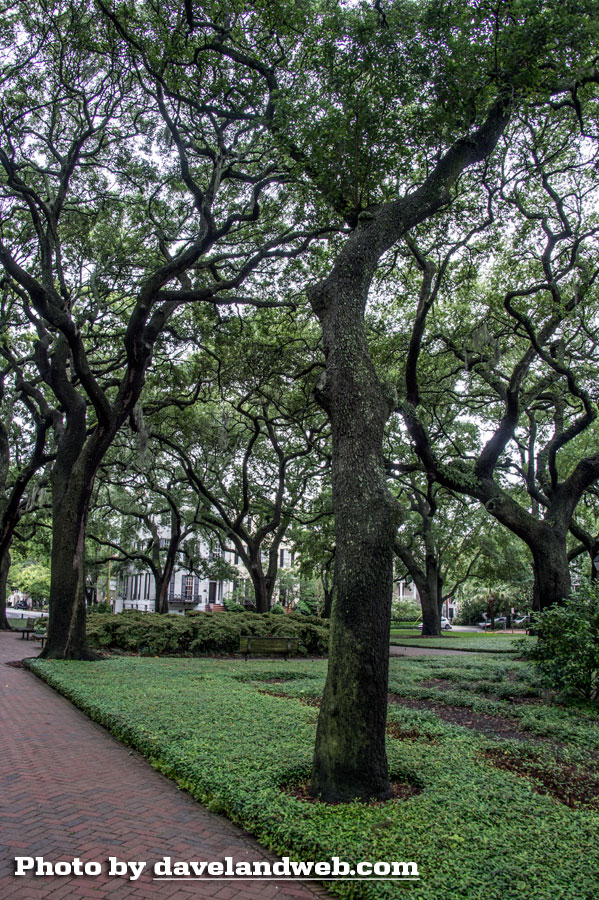
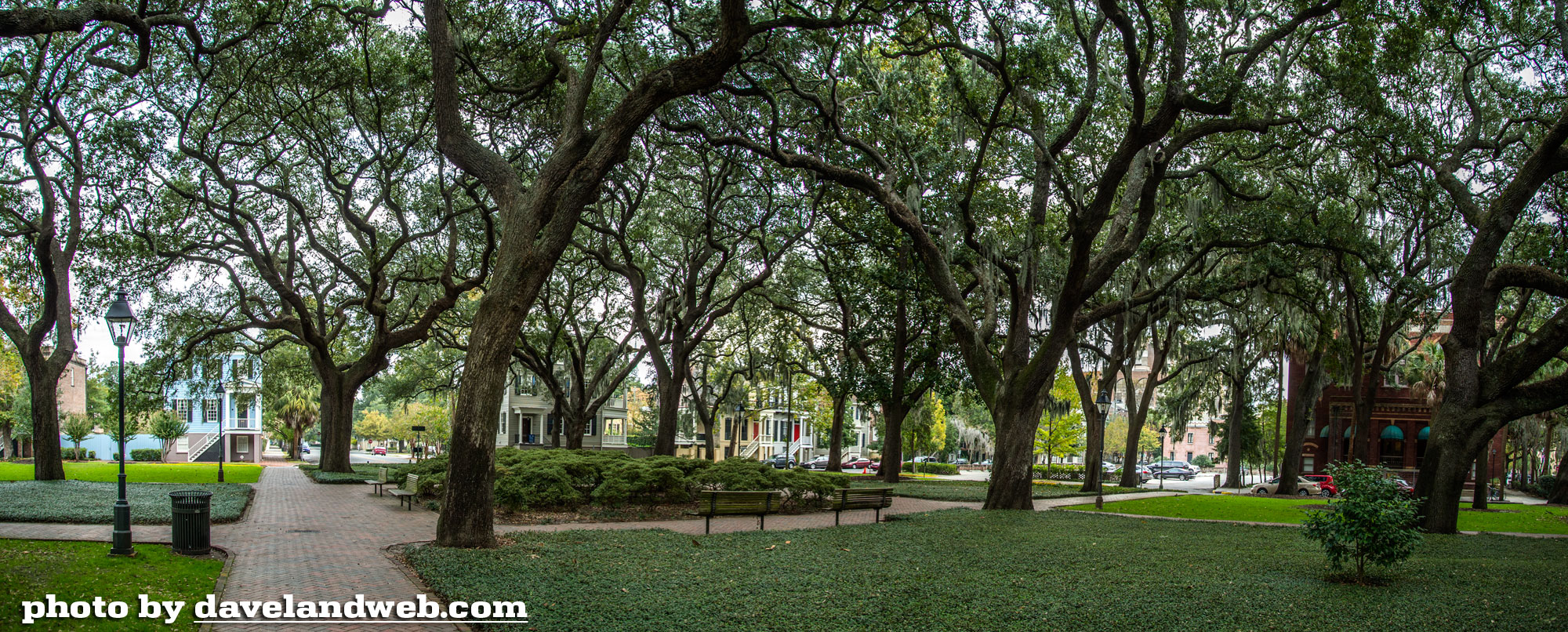
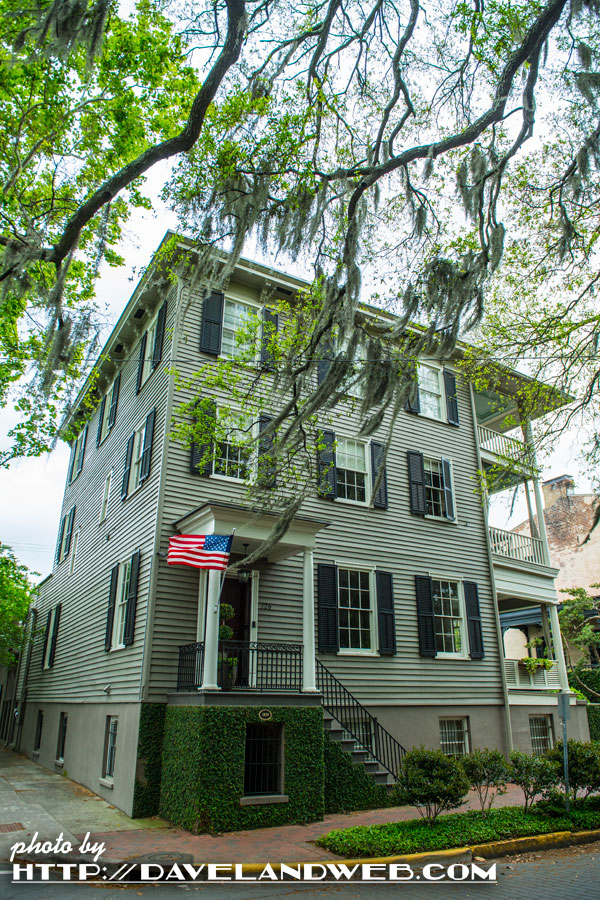
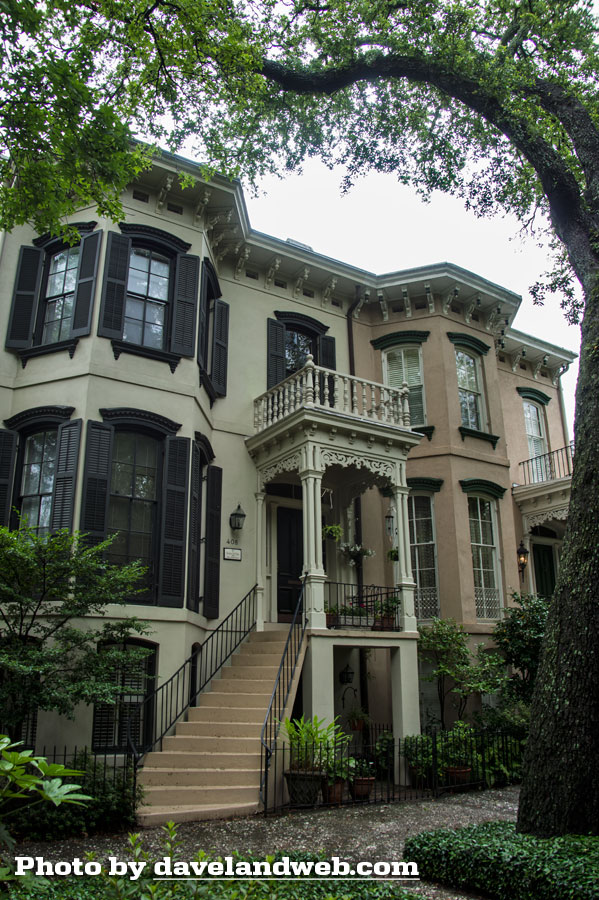
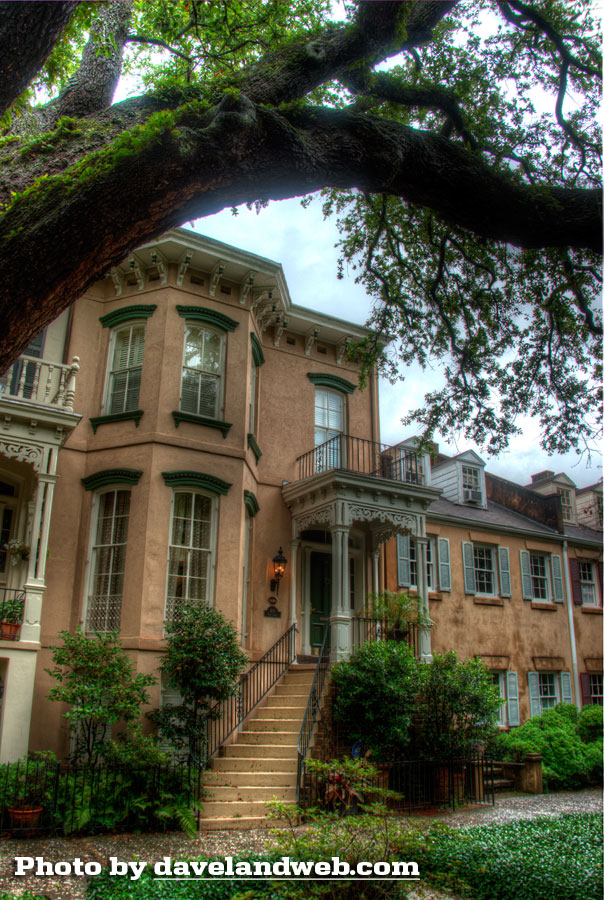
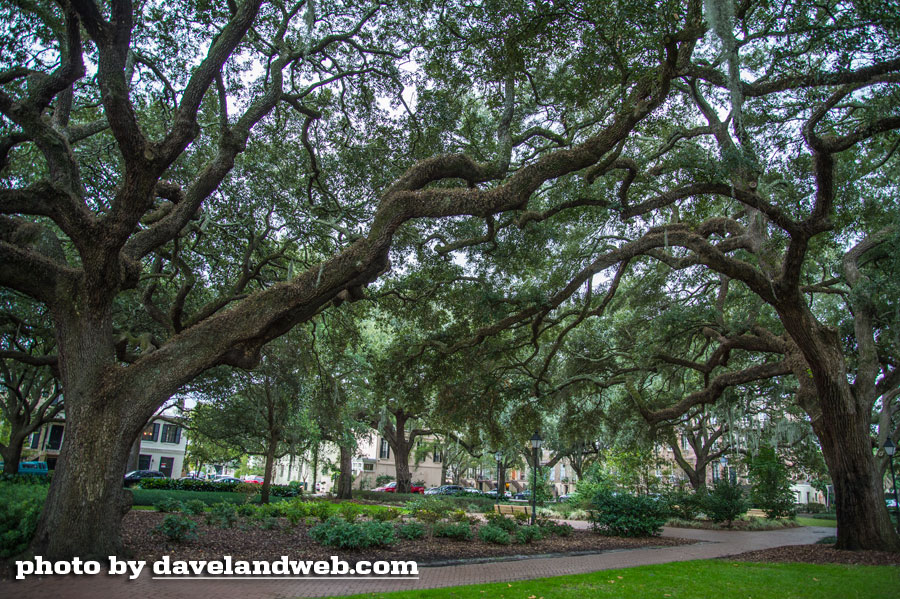
BACKSTORY: My first visit to the historic city of Savannah was in Spring 2005. My plane was delayed, my luggage was lost, and it rained almost every day. Not just rain...we are talking torrential downpours. Still, something about the city called to me and I have been in love ever since. Like so many others, I read "Midnight in the Garden of Good and Evil" and was instantly taken by the events of the book and the quirky true-life characters that inhabited those pages. Once there, I found so many things that were of interest to me, like the twenty-two squares, which provide shade, quiet, and historic views. The famous buildings, such as the birthplace of Juliette Gordon Low (founder of the Girl Scouts of the United States of America), the Telfair Academy of Arts and Sciences (one of the South's first public museums), the First African Baptist Church (one of the oldest African American Baptist congregations in the United States), or the Central of Georgia Railway roundhouse complex (the oldest standing antebellum rail facility in America). Its designation of being one of the most haunted cities in the country also gives it a bit of an allure, especially when you visit the three oak and moss-laden cemeteries that are within the city limits (Bonaventure, Colonial Park, and Laurel Grove). The food that you find there is a tantalizingly diverse range of farm-to-table to the classic southern artery-clogging fare. Whatever you do, venture beyond the surface of what people typically know when you visit; don't just go to see Paula Deen's restaurant or the Mercer House from "The Book." There is so much more. Have fun going through the photos that I have shot on my numerous visits here; I wouldn't be surprised if you end up going there yourself one day; it is highly addictive.





















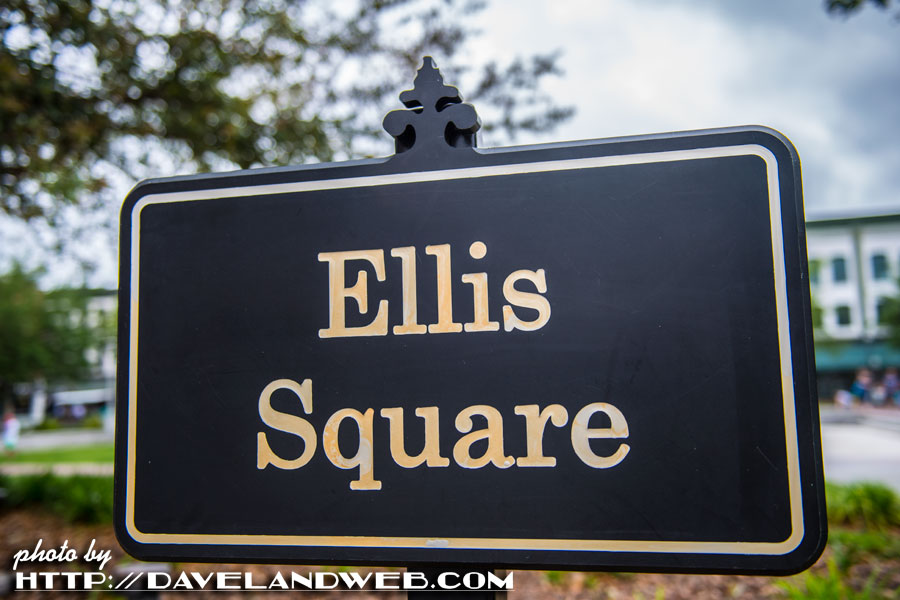
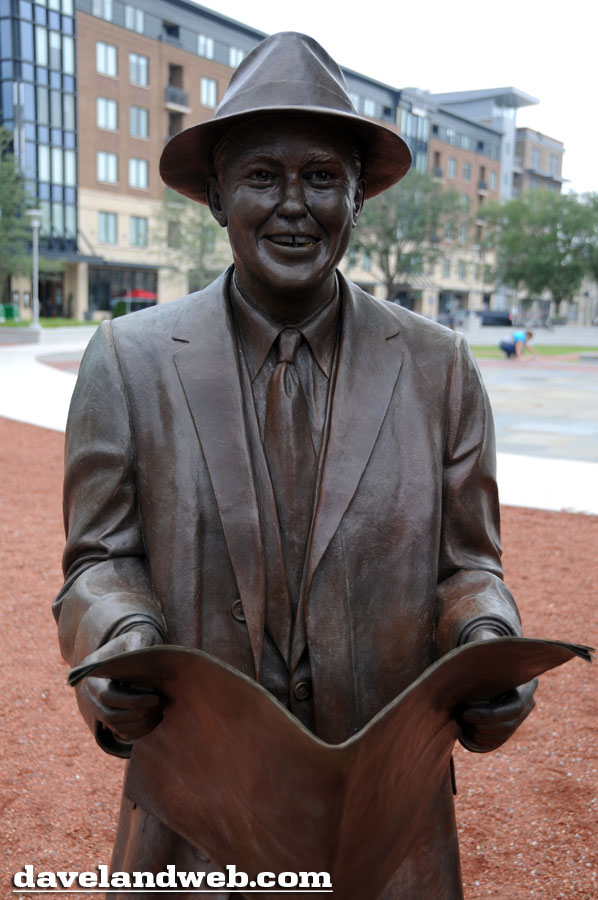
BACKSTORY: Ellis Square is located on Barnard between Bryan and Congress Streets, named after Henry Ellis, second Royal Governor of the Georgia colony. It was also known as Marketplace Square, as from the 1730s through the 1950s it served as a center of commerce and was home to four successive market houses. In 1954 the city signed a 50-year lease with the Savannah Merchants Cooperative Parking Association, allowing the association to raze the existing structure and construct a parking garage to serve the City Market retail project. Anger over the demolition of the market house helped spur the historic preservation movement in Savannah. When the garage's lease expired in 2004, the city began plans to restore Ellis Square. The old parking garage was demolished in 2006 to make way for a new public square (park) that features open spaces for public concerts, as well as an underground parking garage. The underground facility was completed and formally dedicated in January 2009. Meanwhile, hotel, residential and commercial space on adjacent properties has been renovated concurrently with the Ellis Square project. The restoration of the square itself, begun in the spring of 2008, was completed in February 2010. Ellis Square officially reopened at a dedication ceremony held on March 11, 2010. A bronze statue of songwriter-lyricist Johnny Mercer, a native Savannahian, was formally unveiled in Ellis Square on November 18, 2009.