>DAVE'S ART |
>DISNEYLAND PHOTOS |
>EMAIL DAVE |
>DAVE'S BLOG |
>FLICKR |
![]() |
>home |
>photography |
>judy garland |
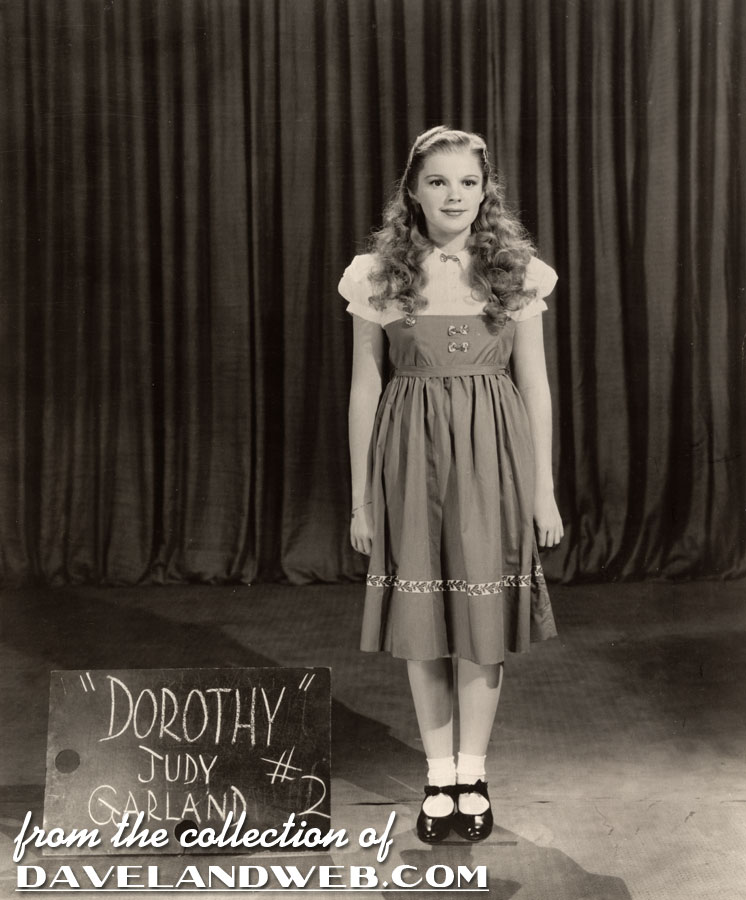
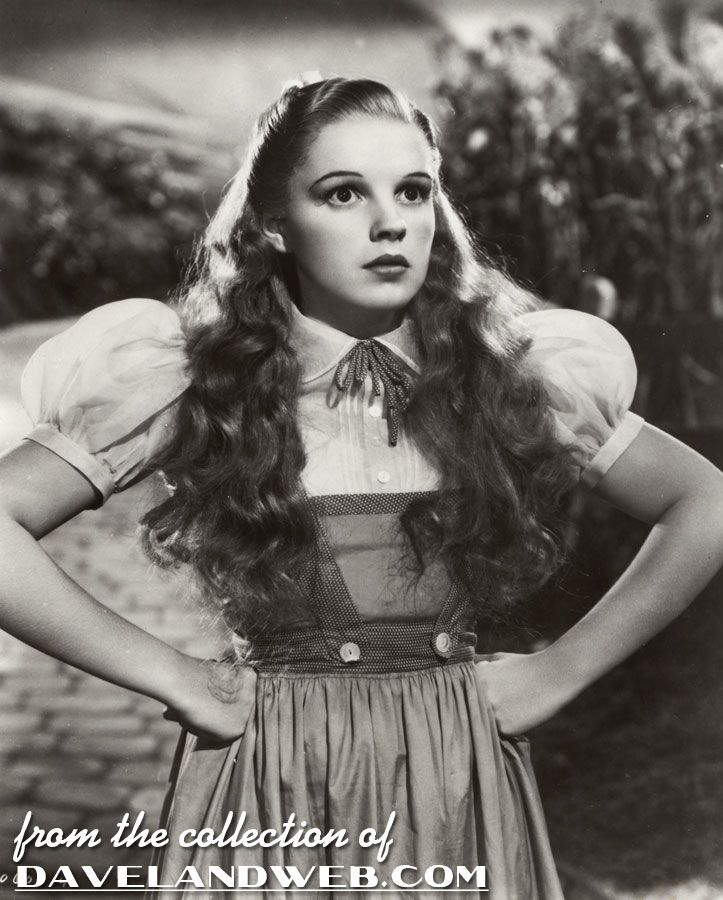
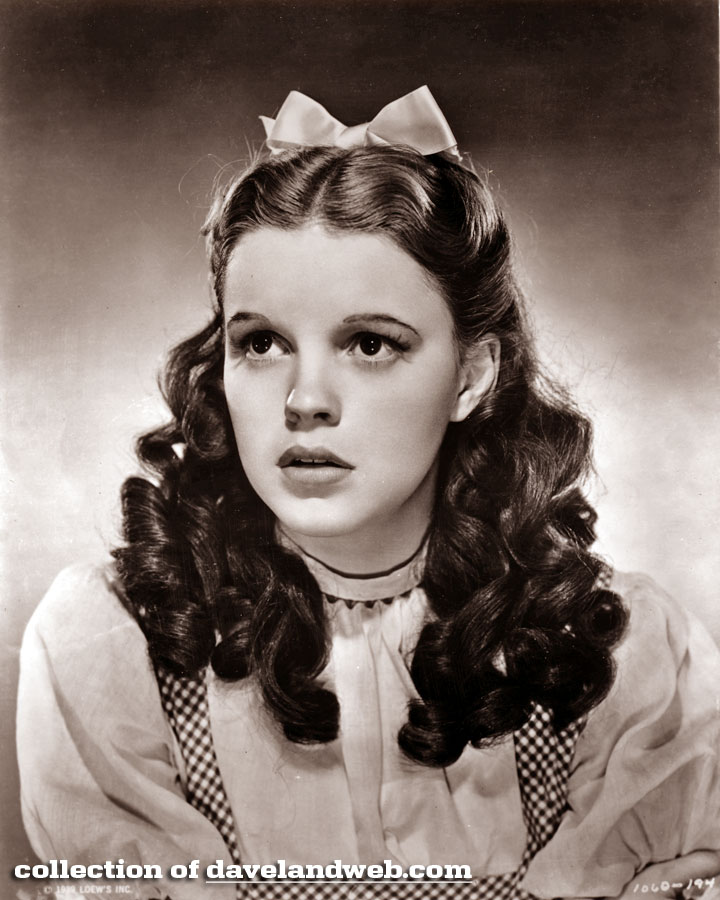
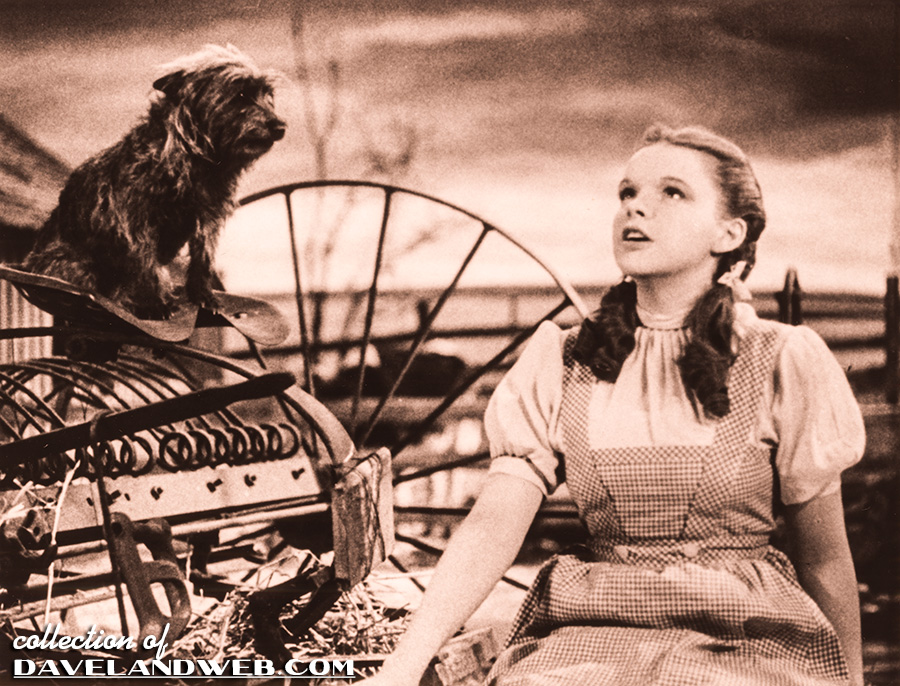
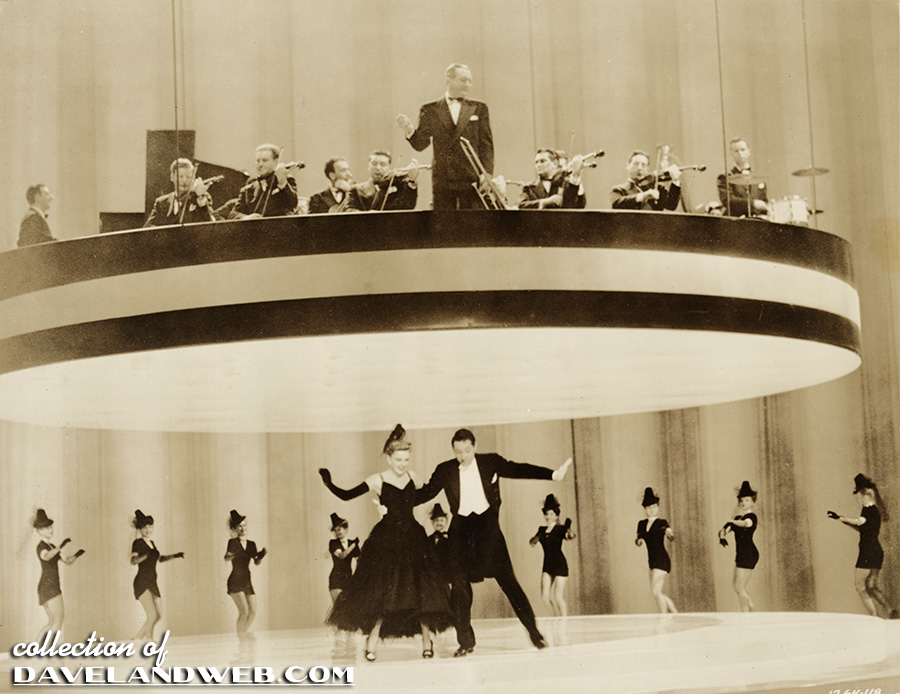
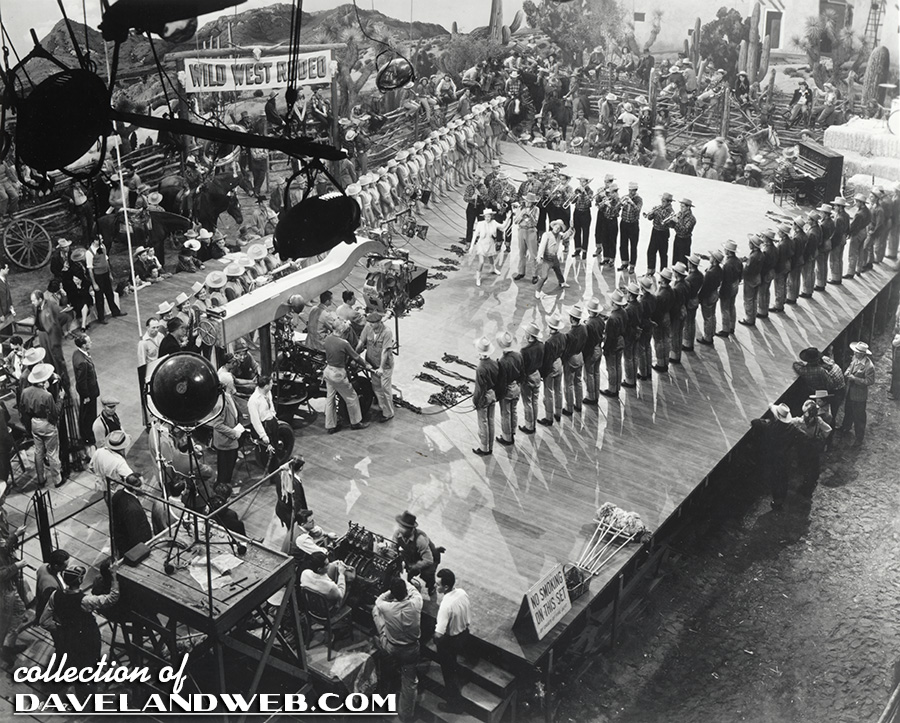
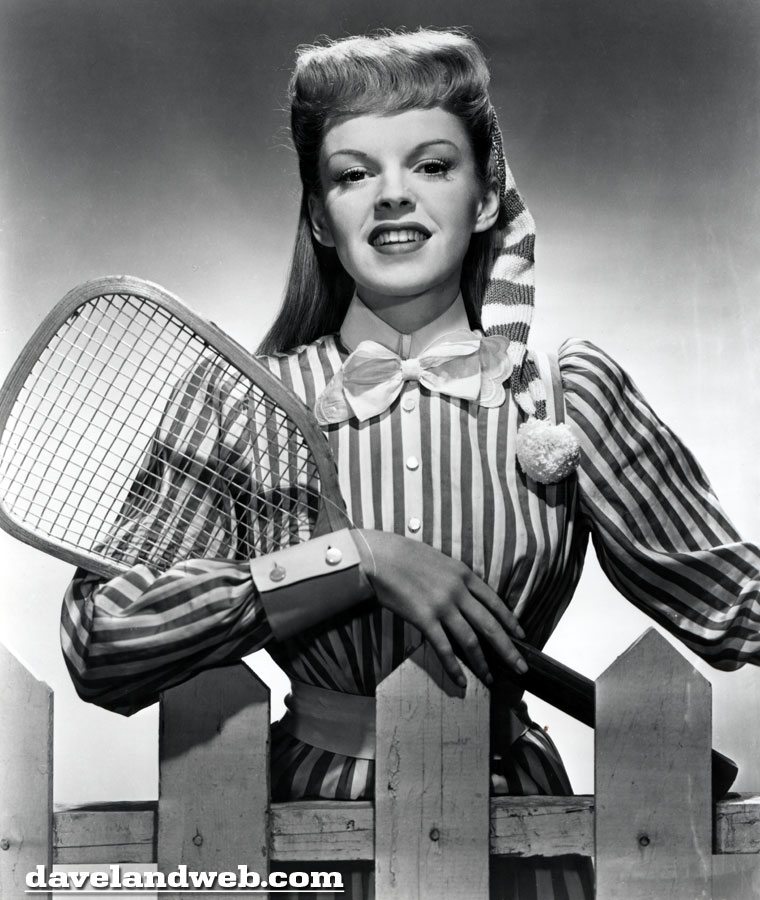
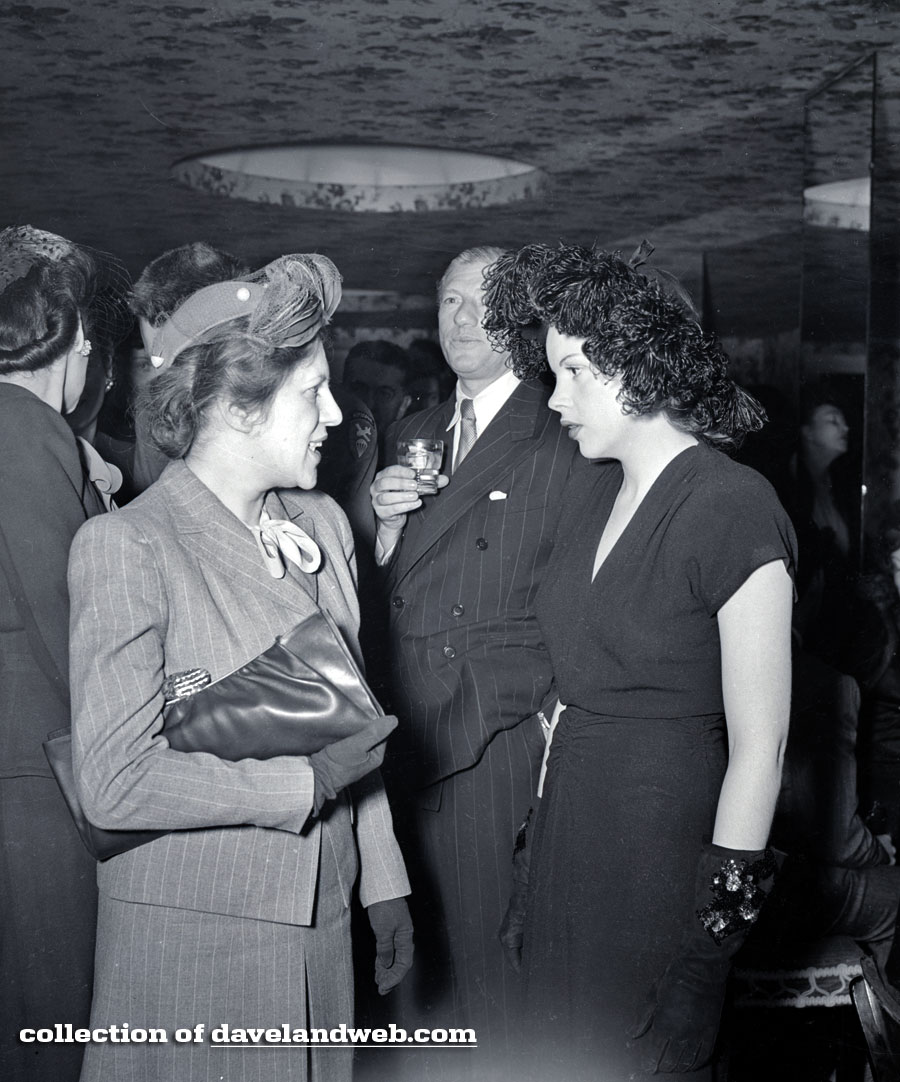
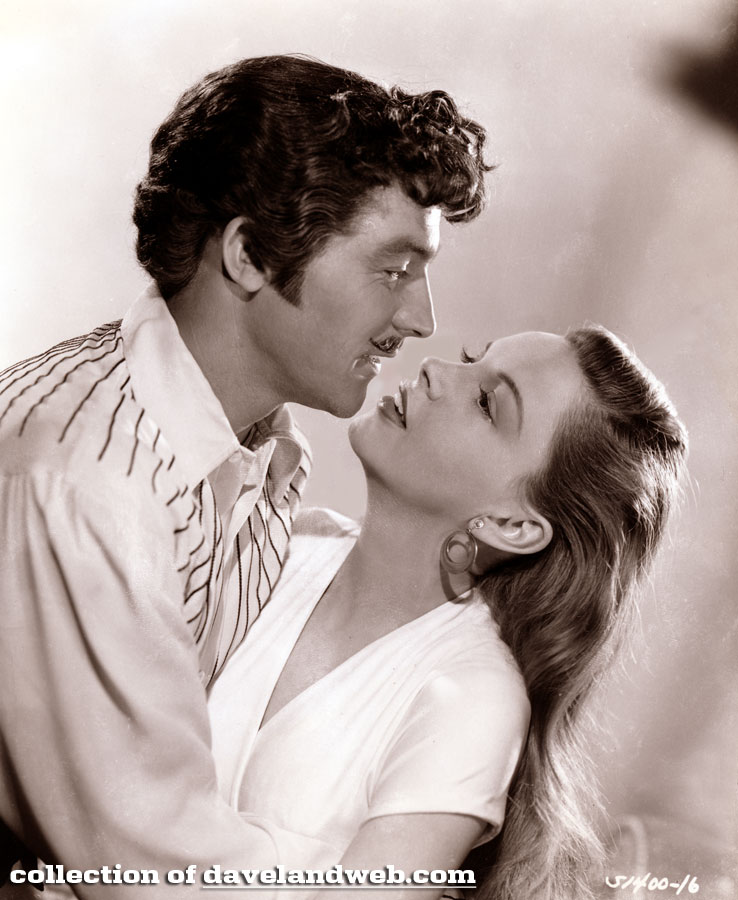
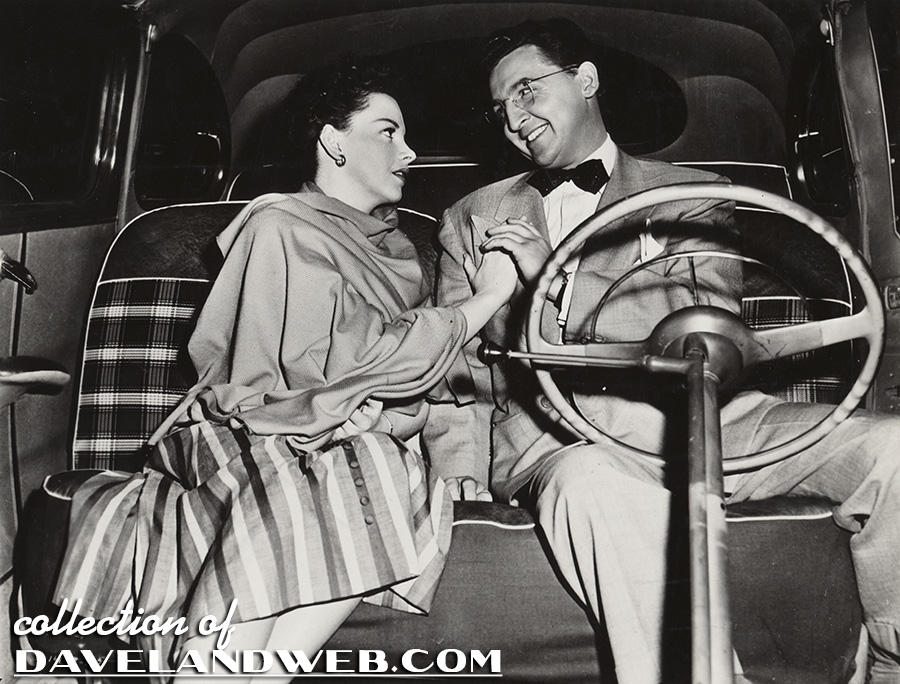
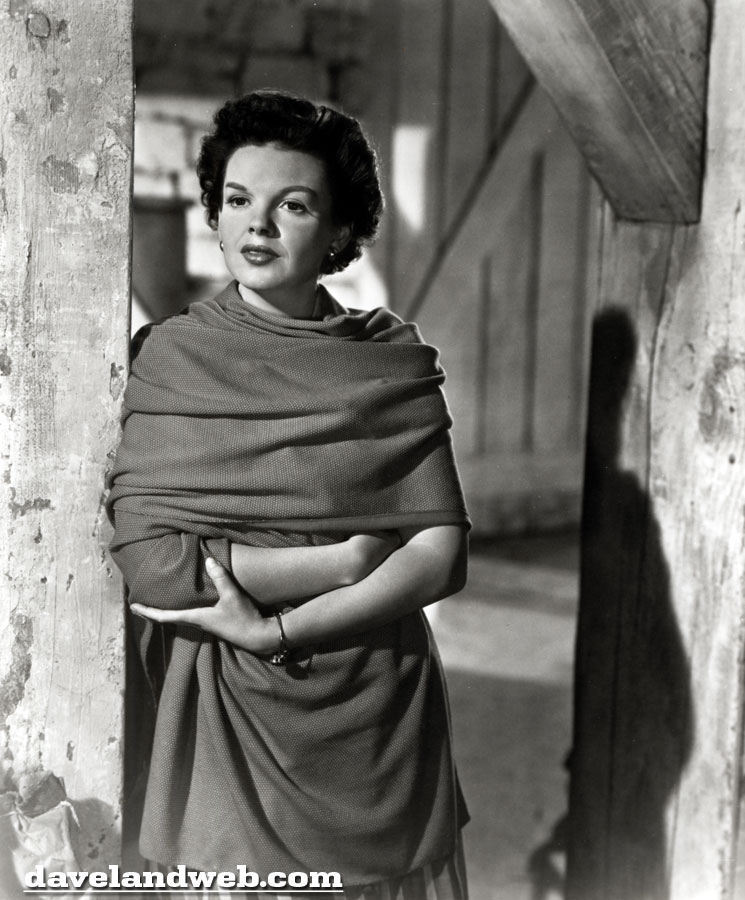
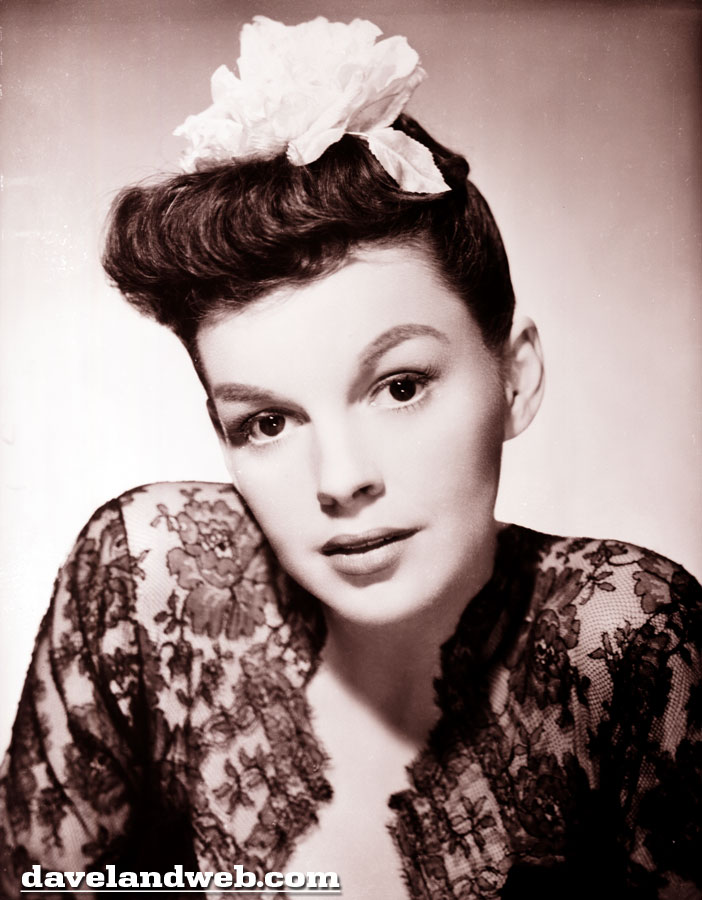
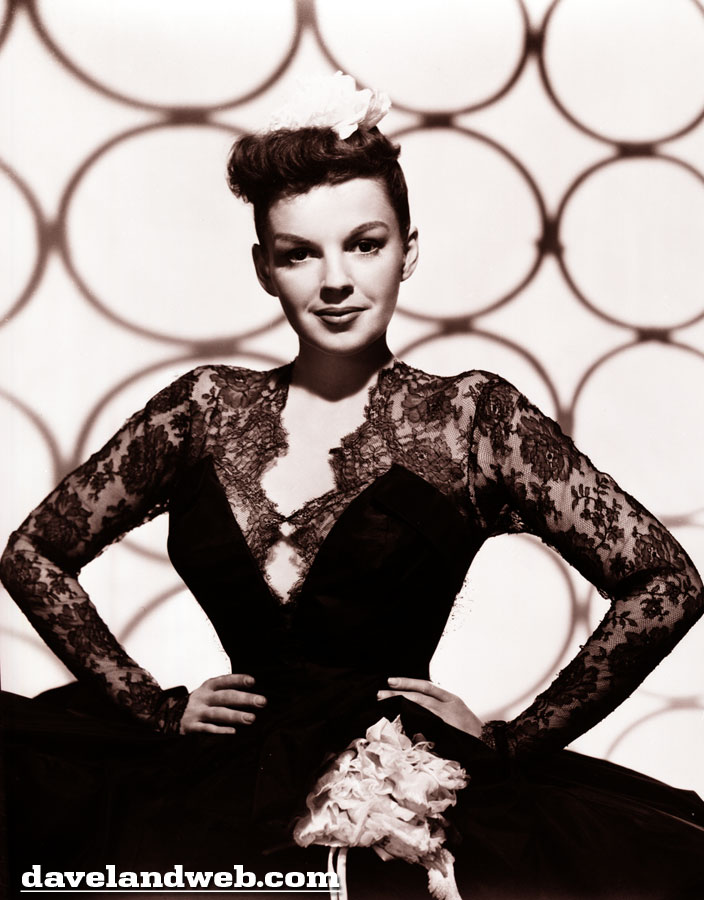
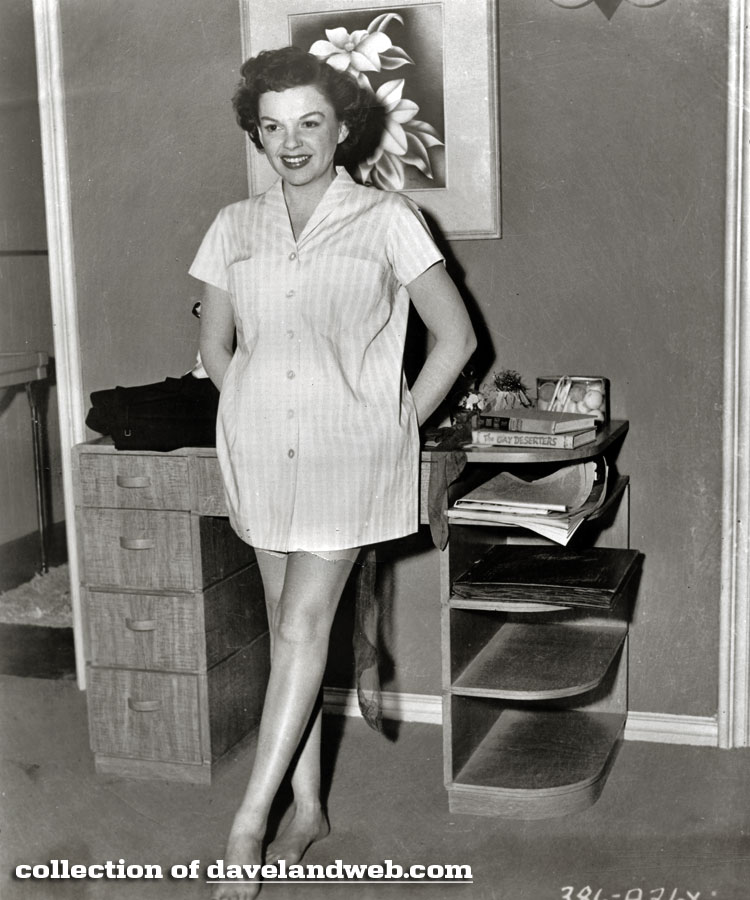
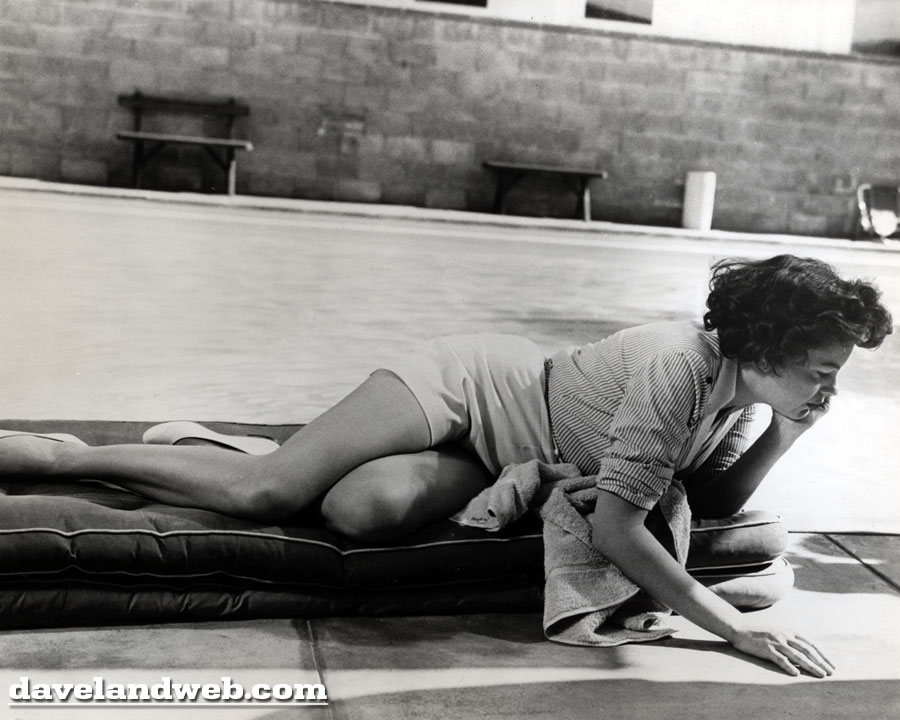
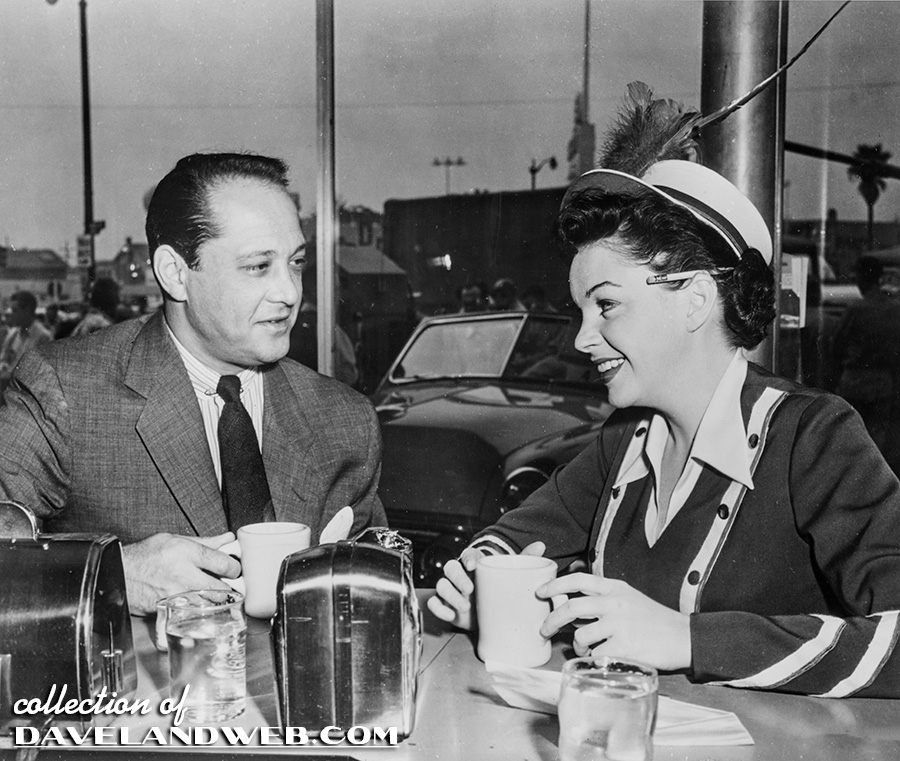
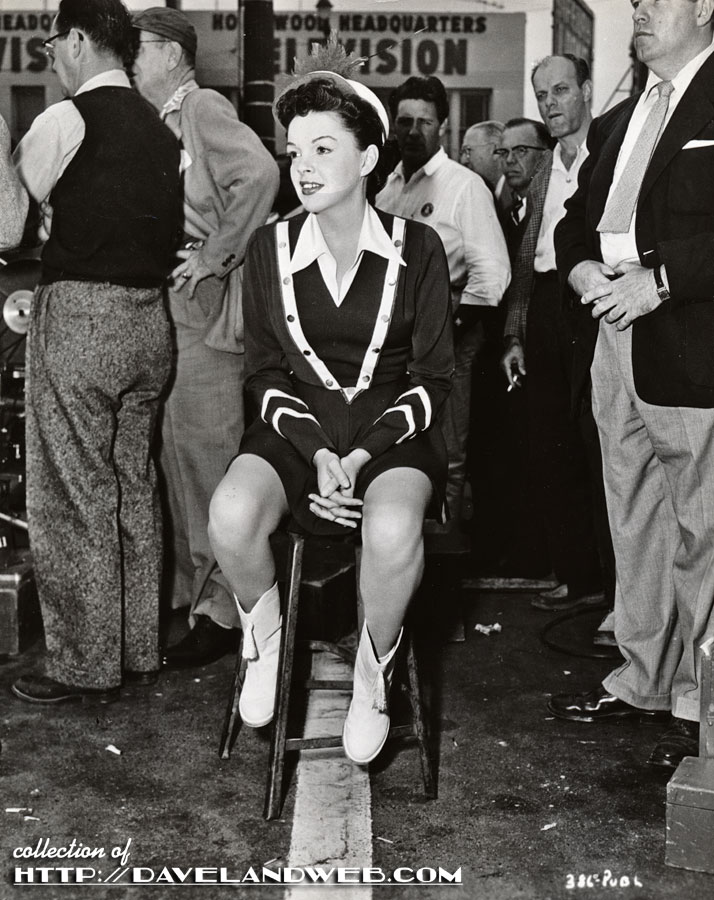
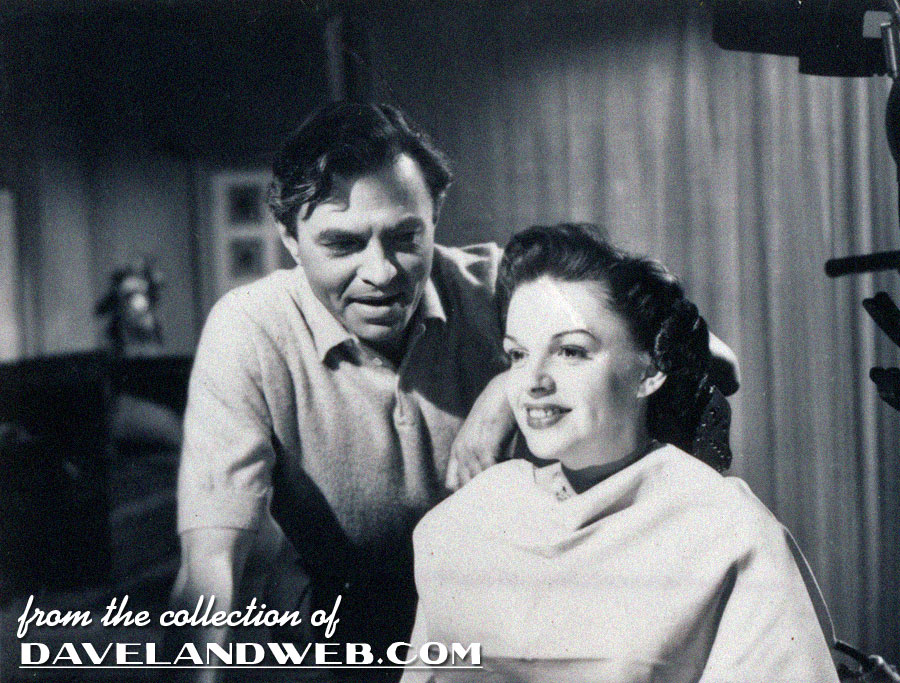
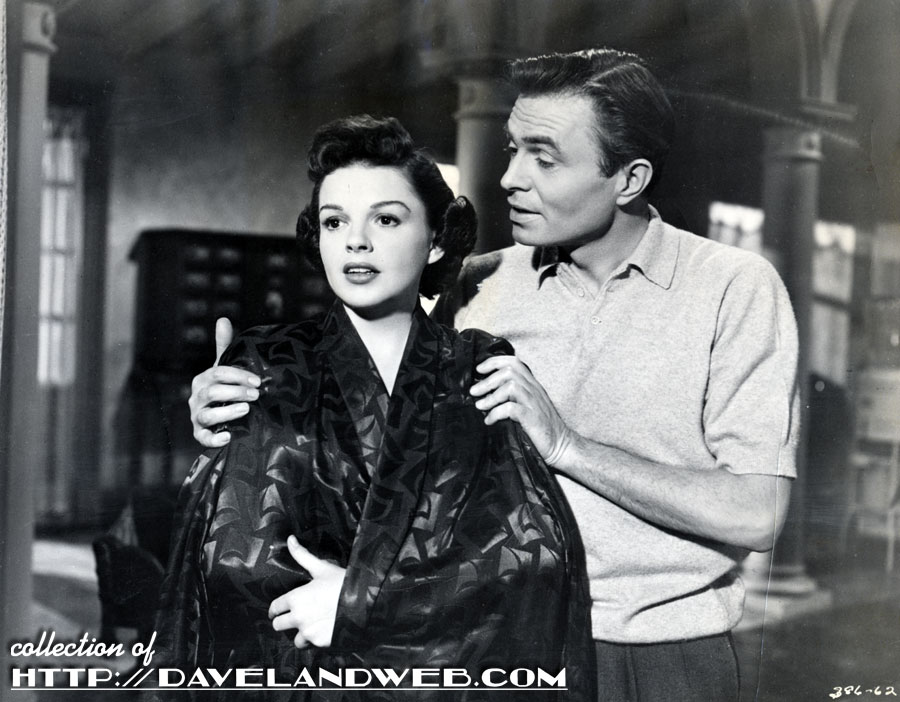
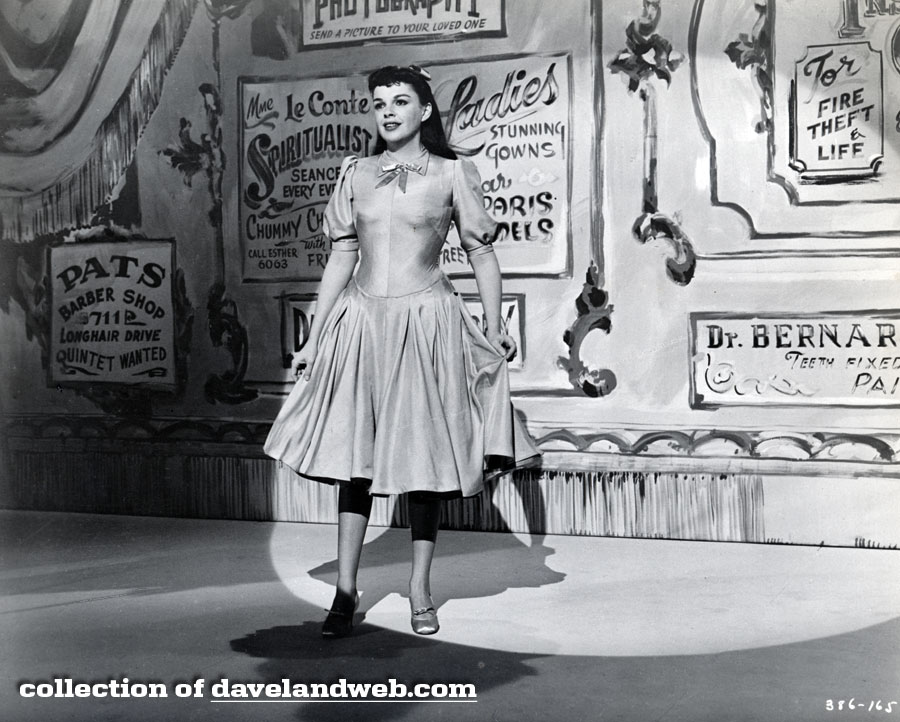
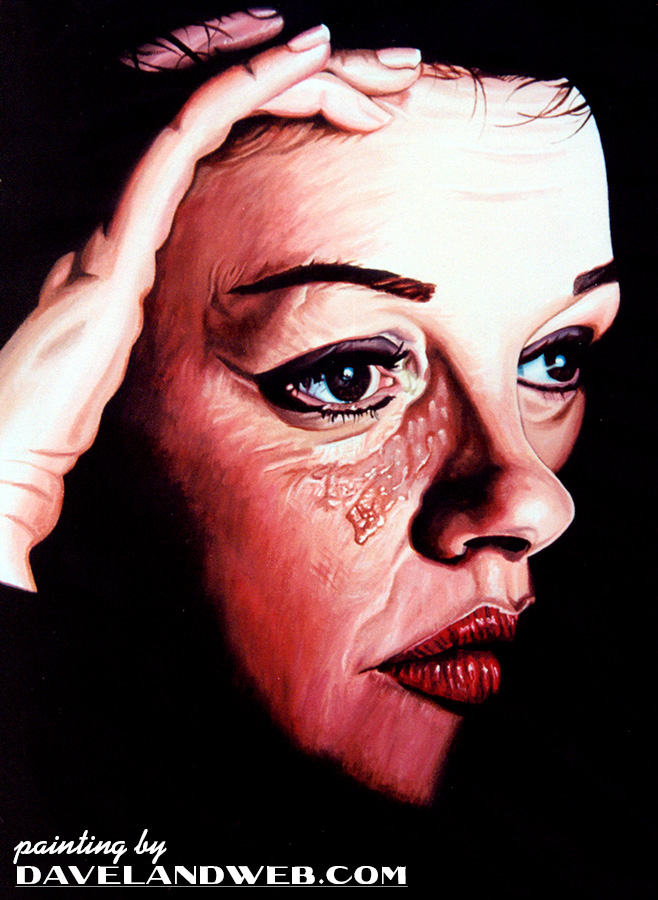
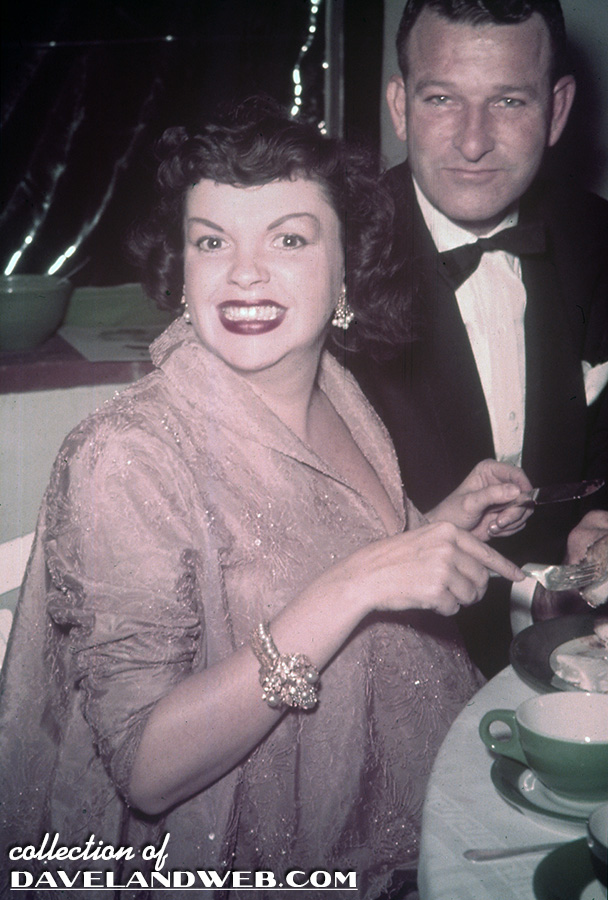
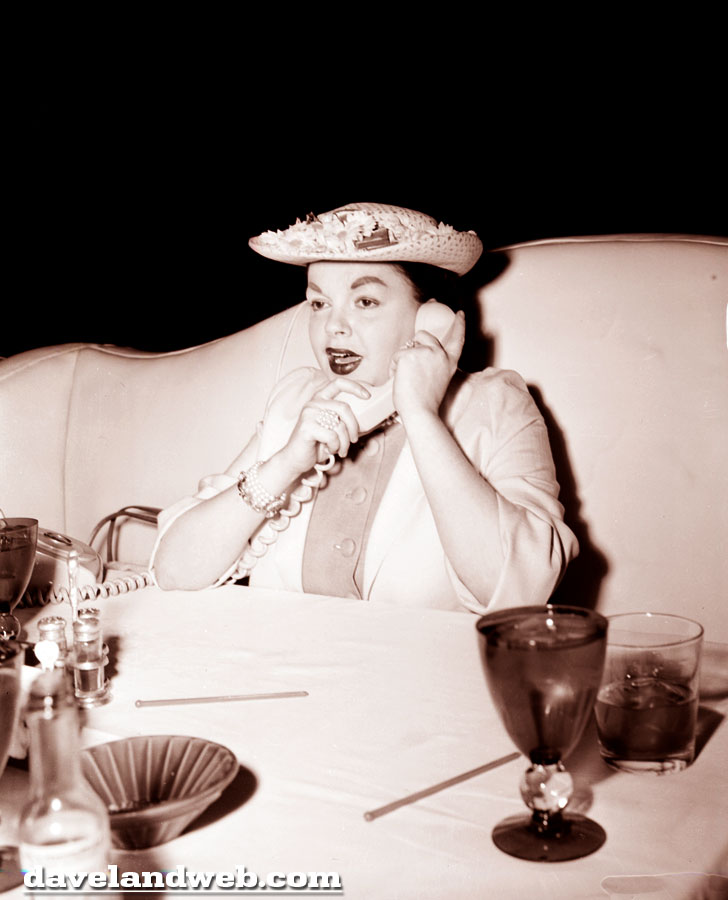
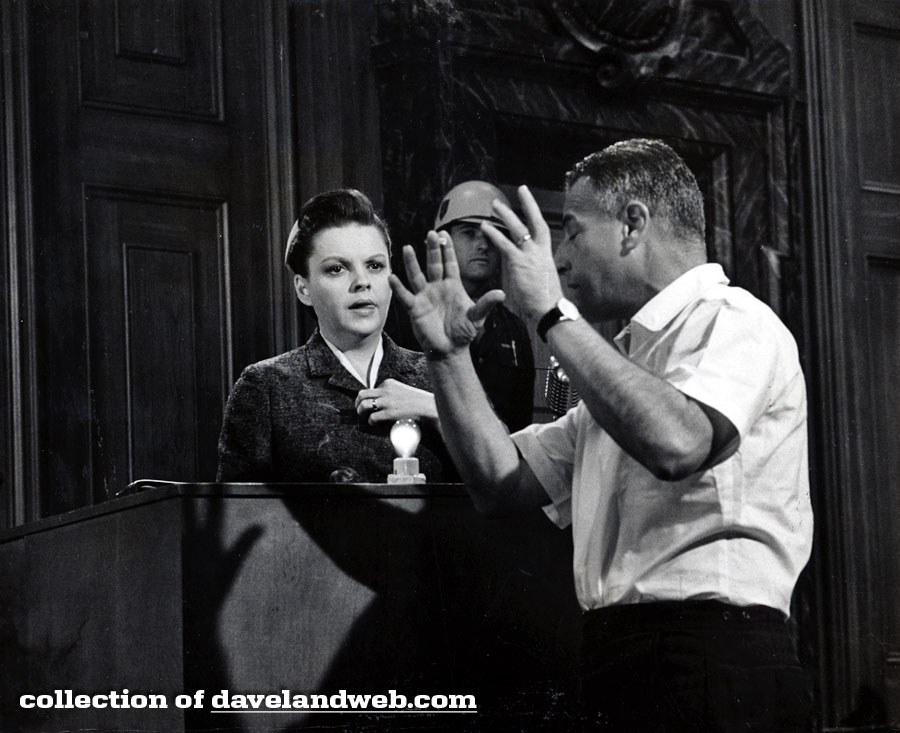
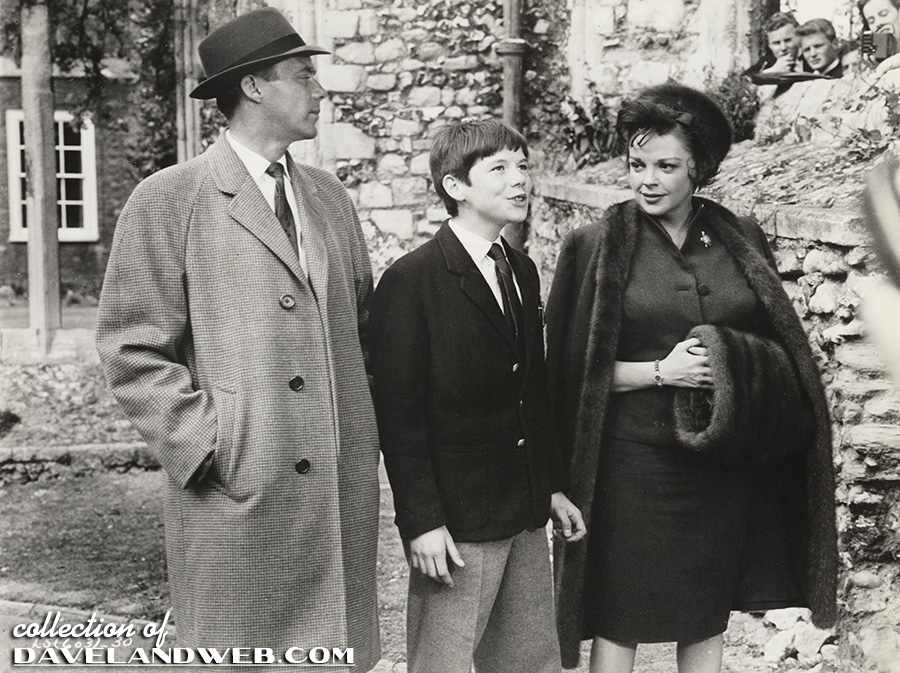
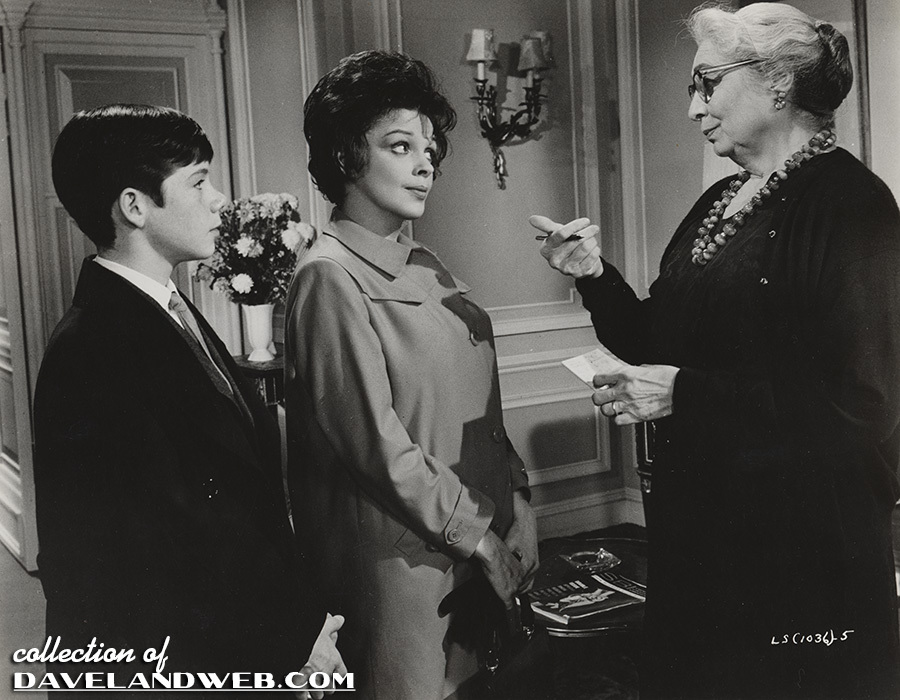
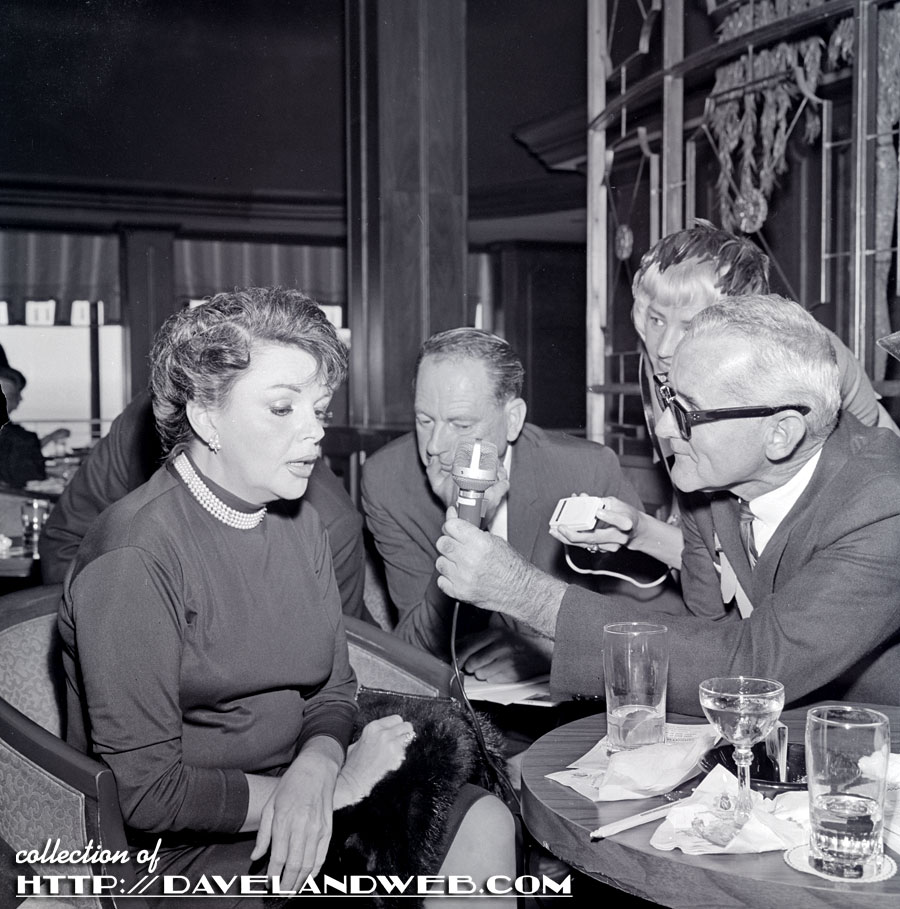
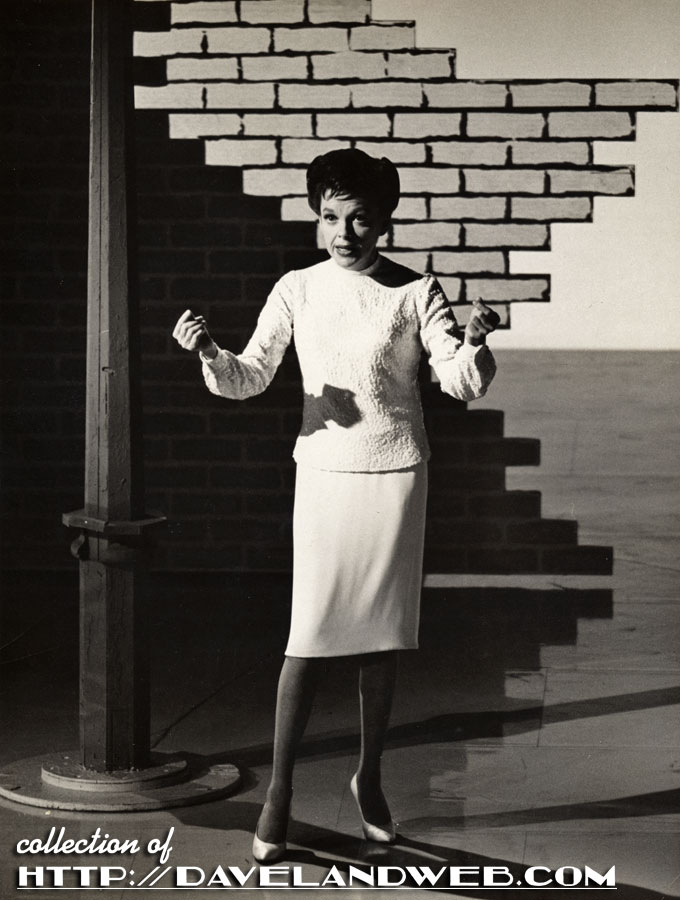
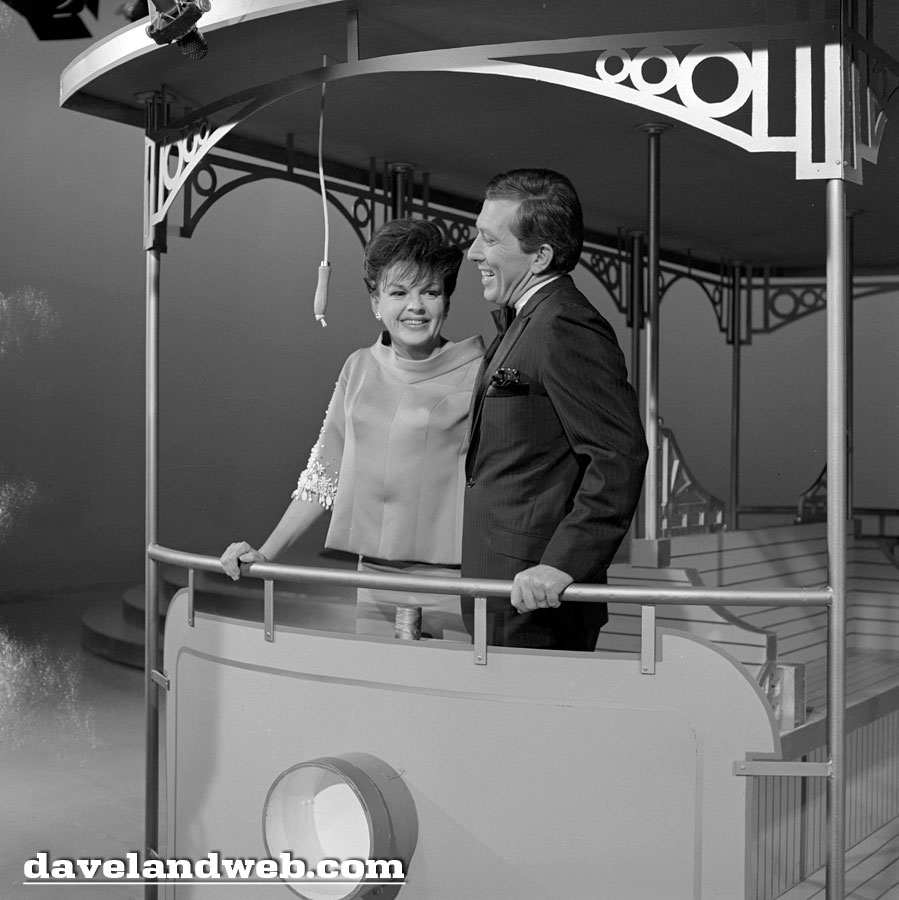
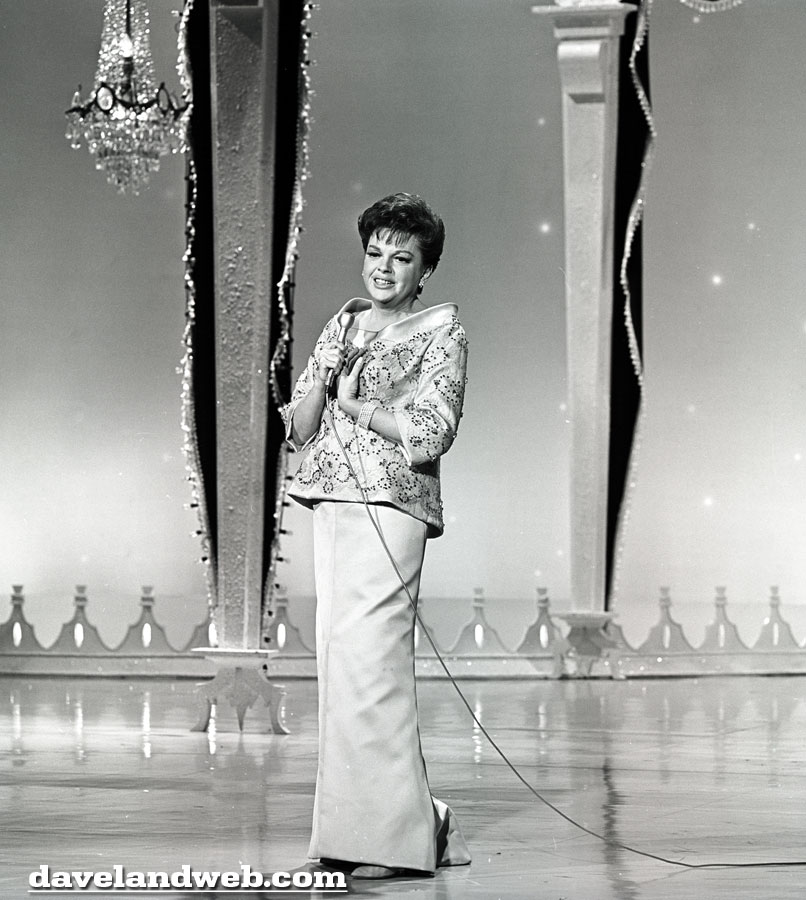
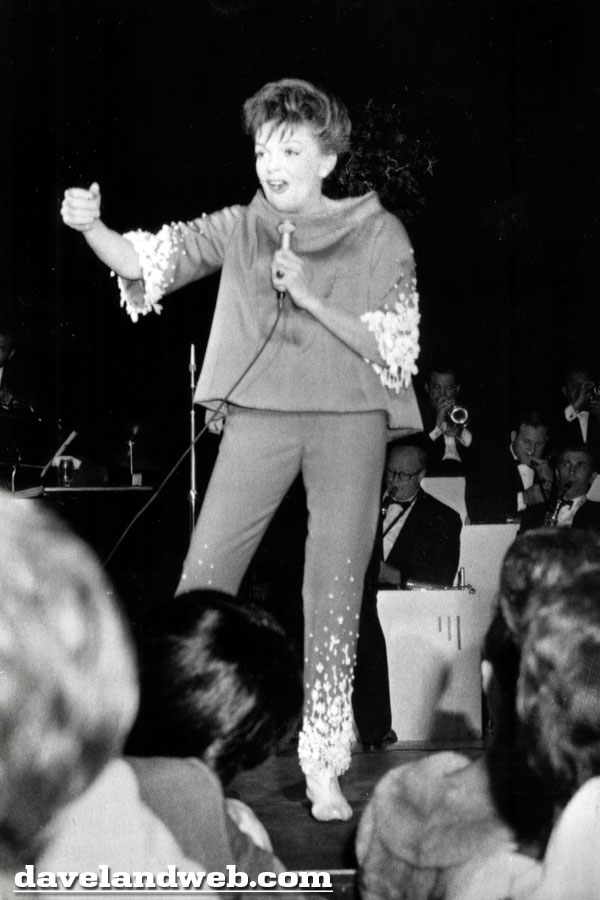
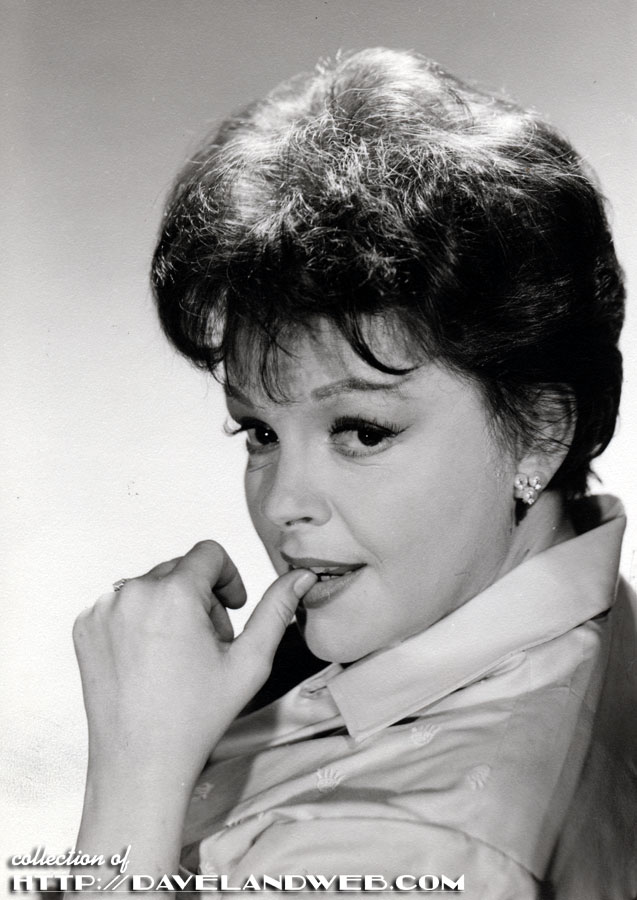
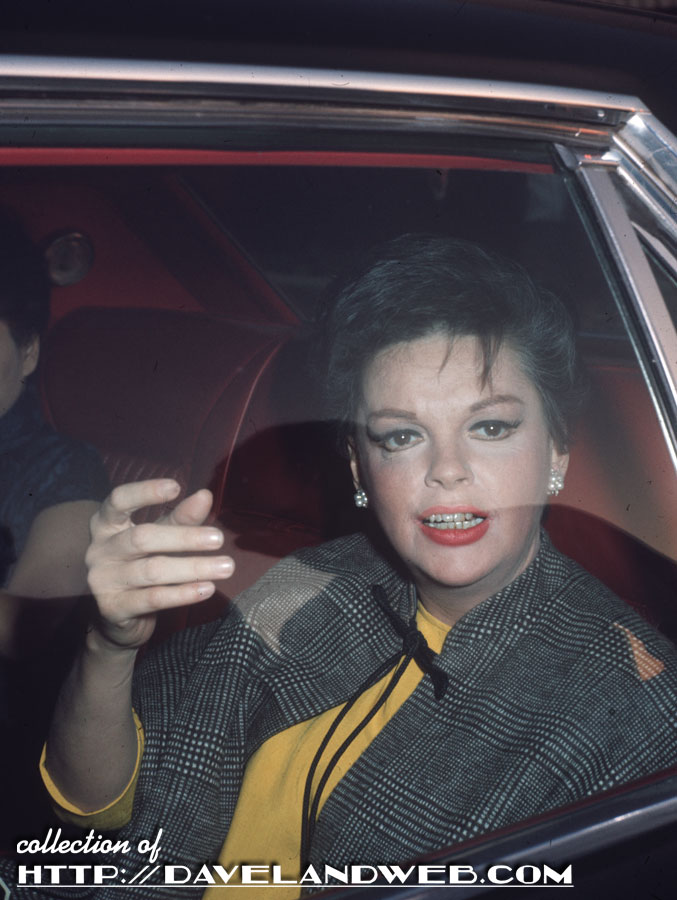
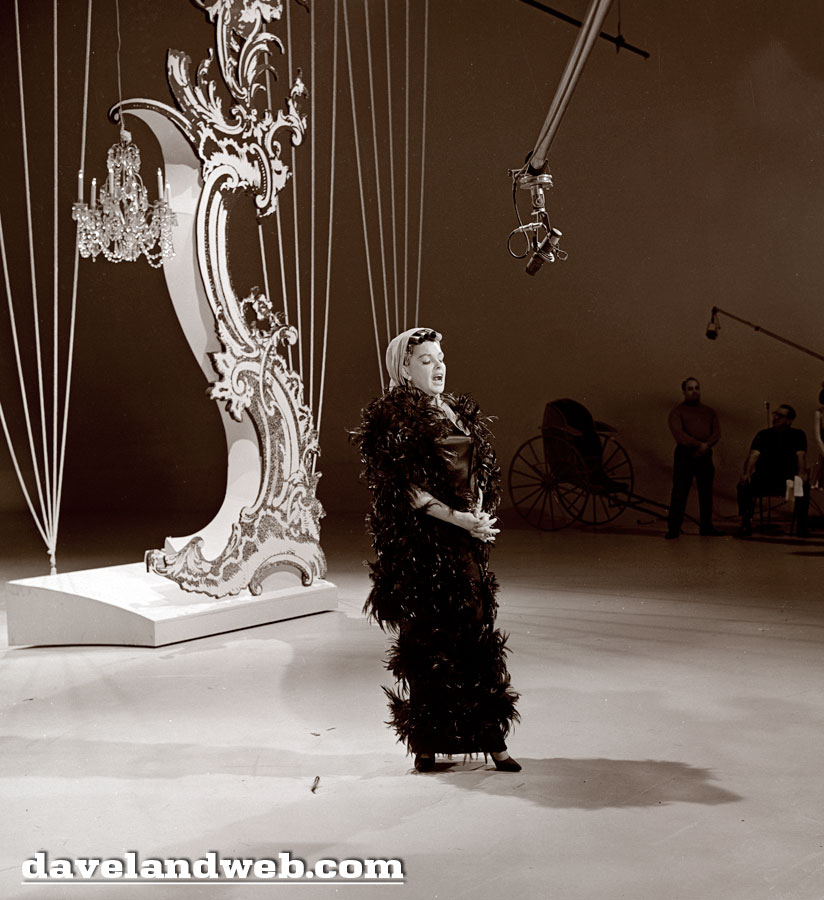
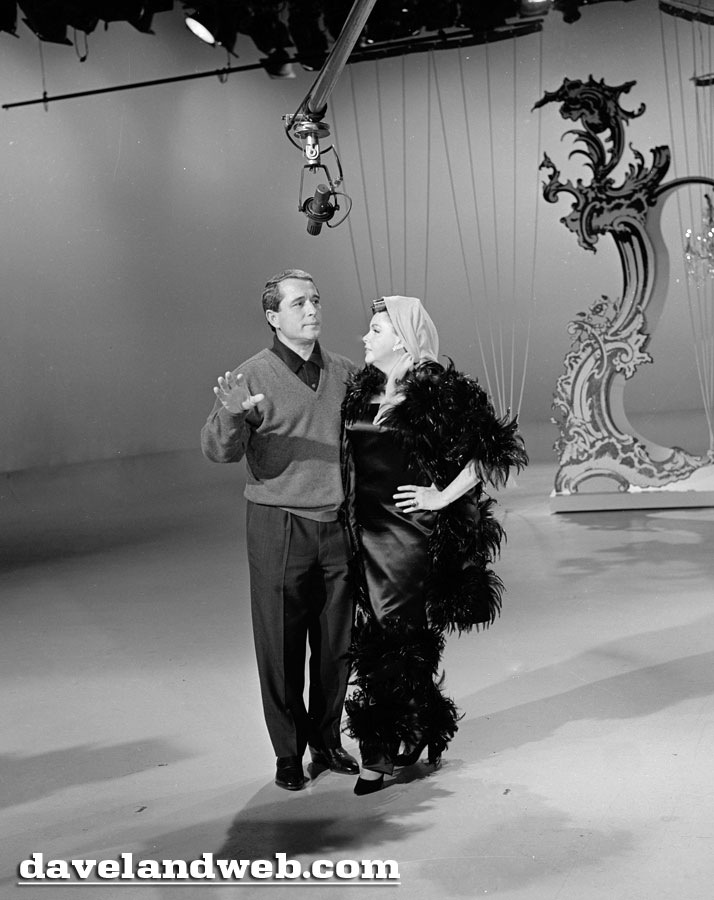
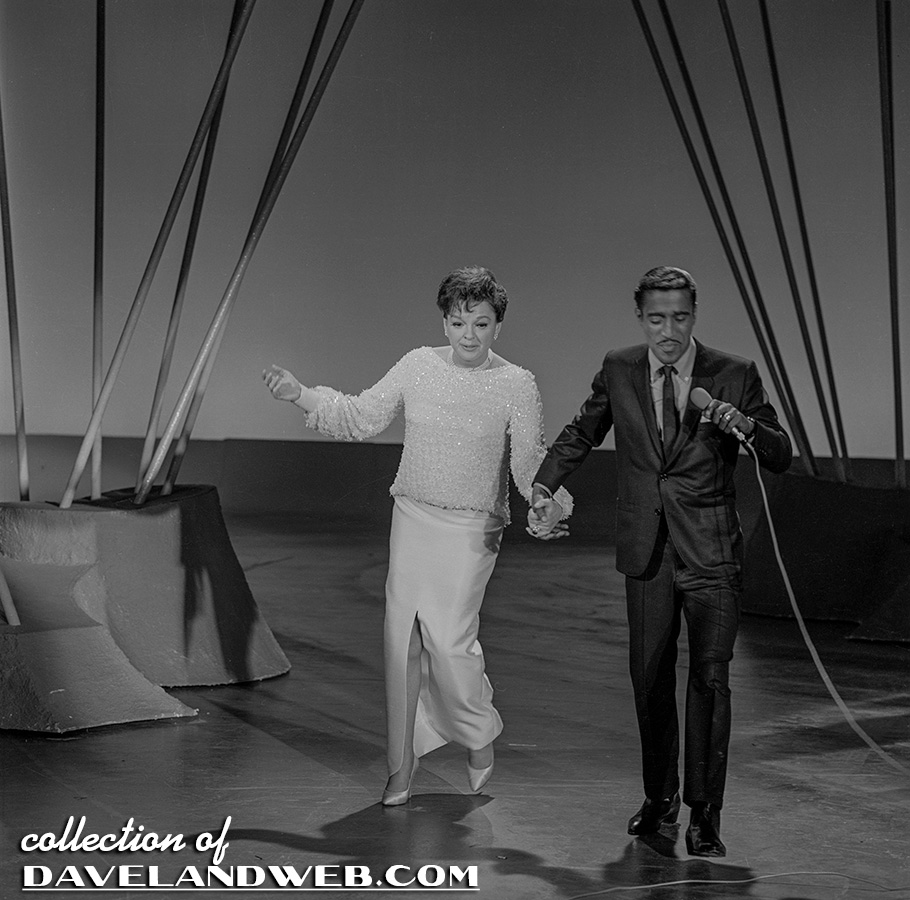
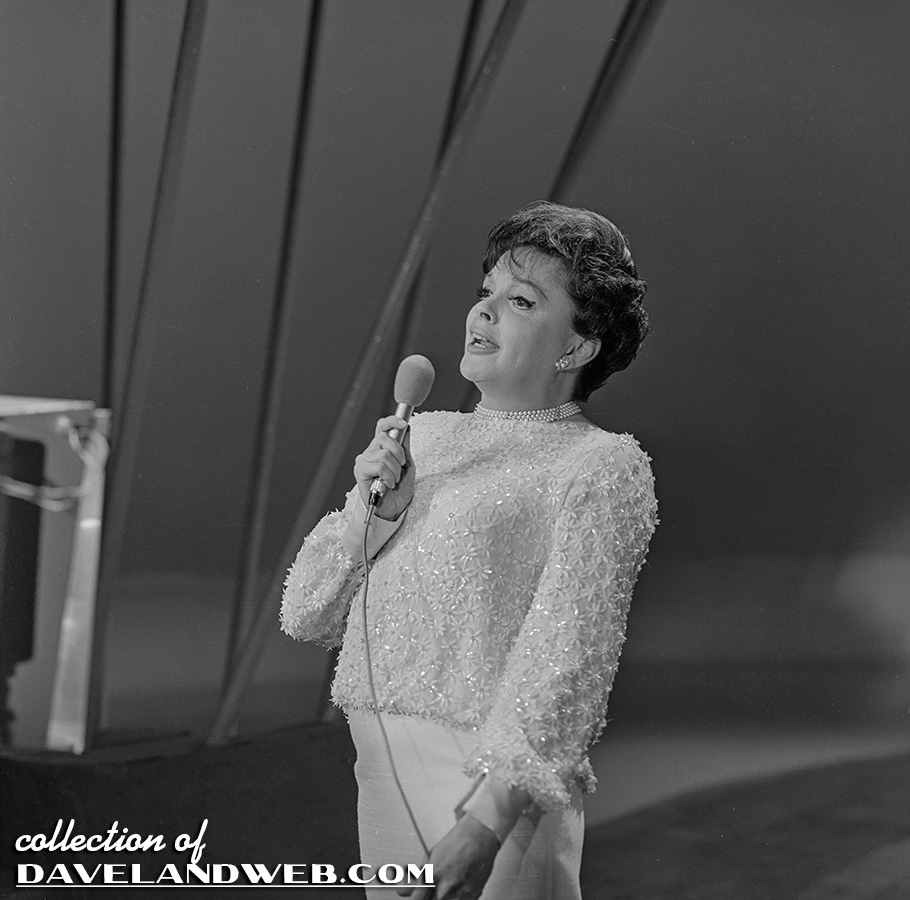
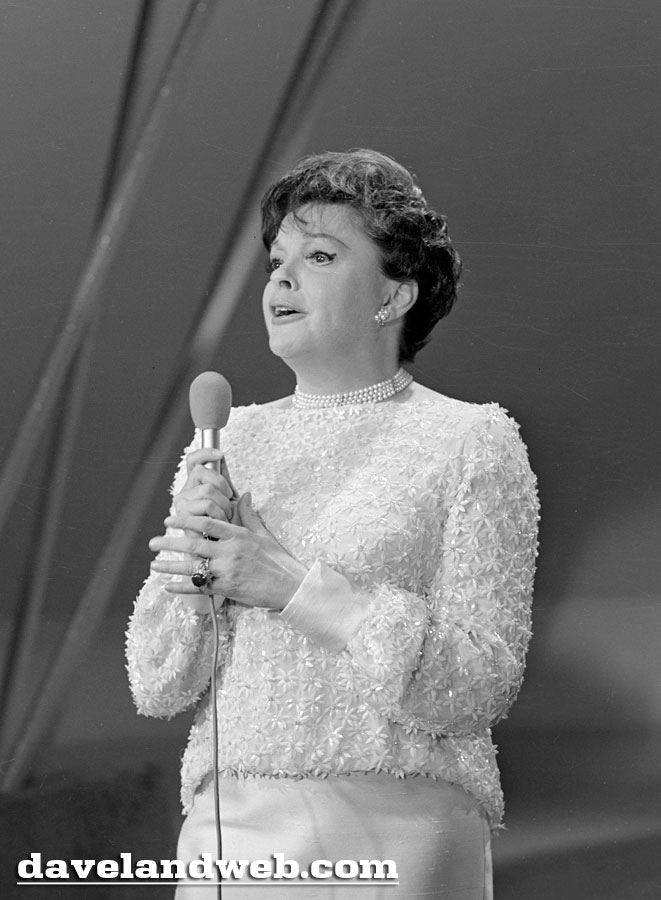
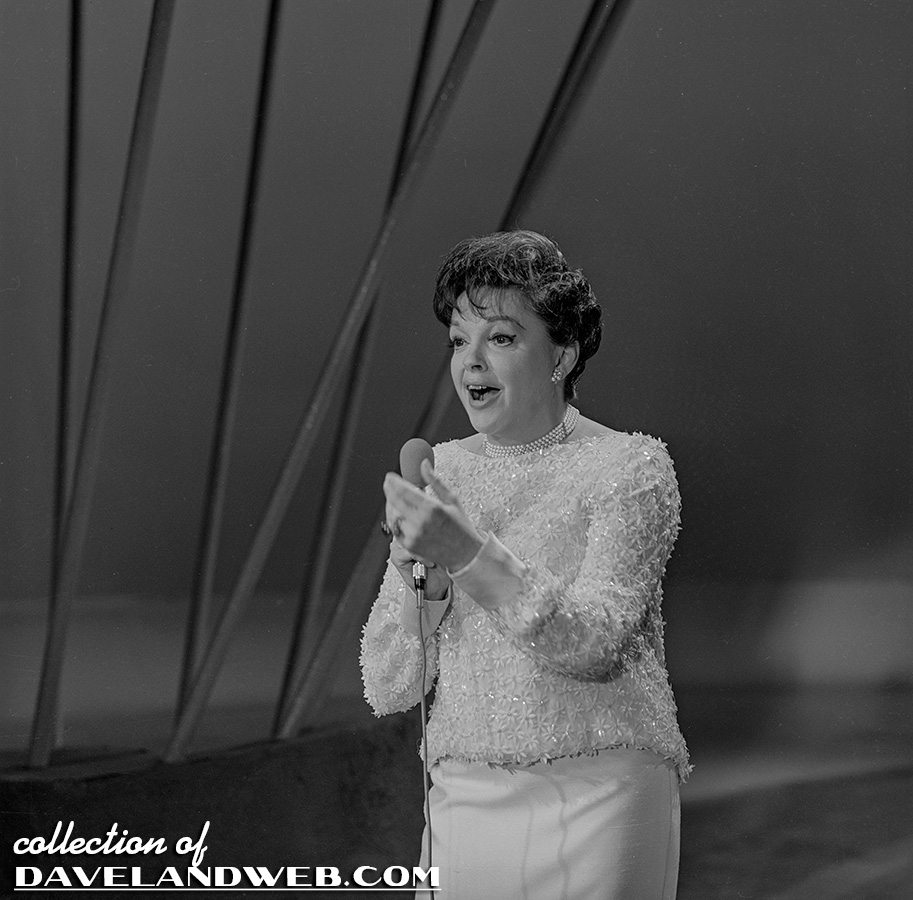
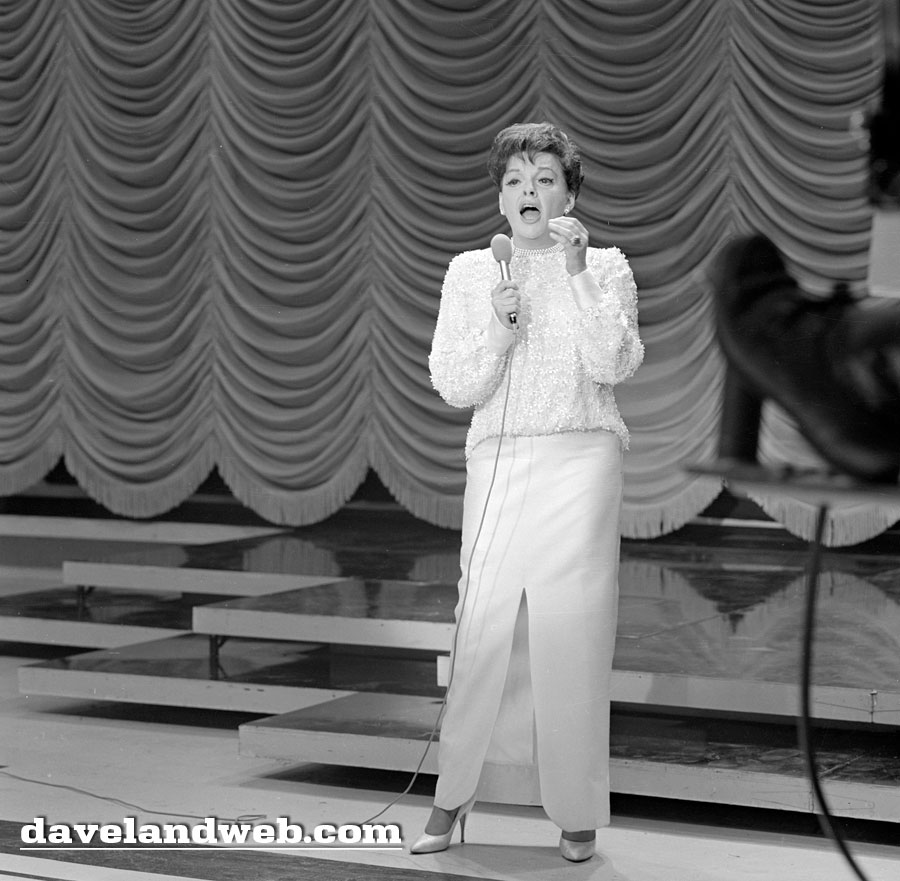
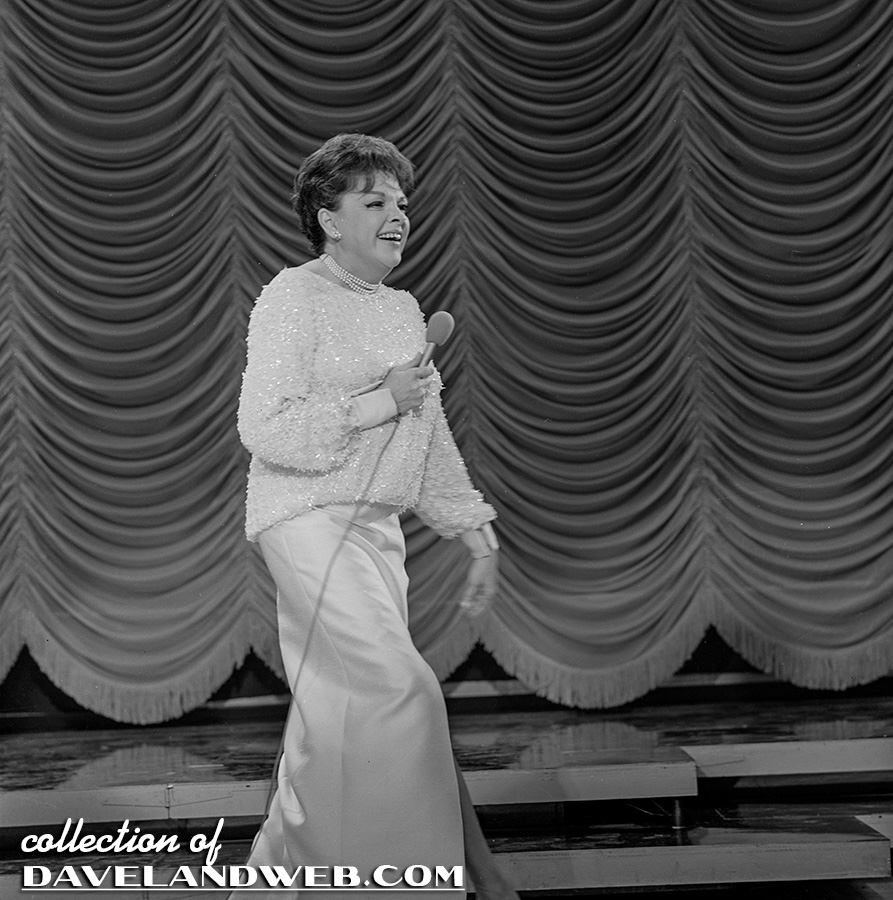
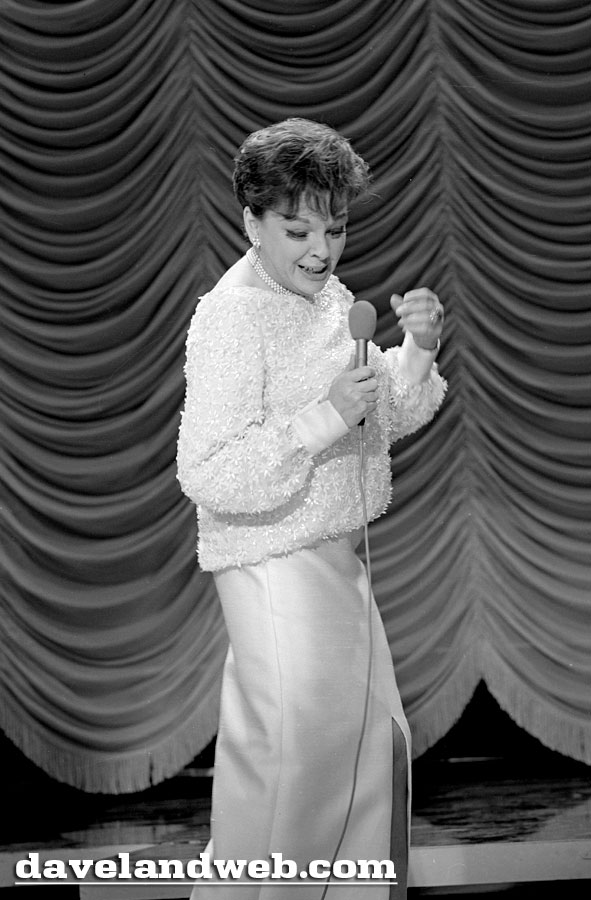
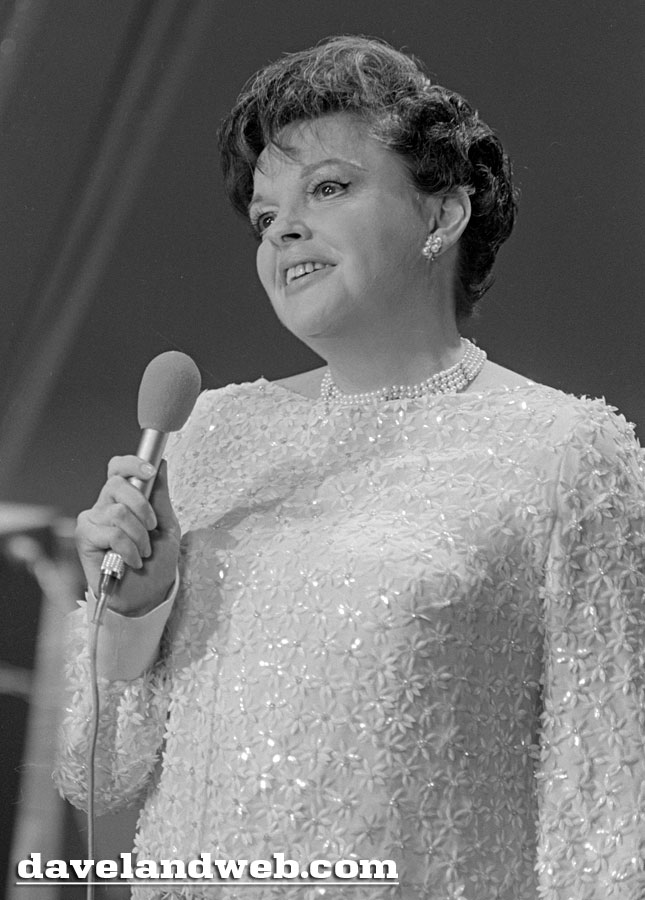
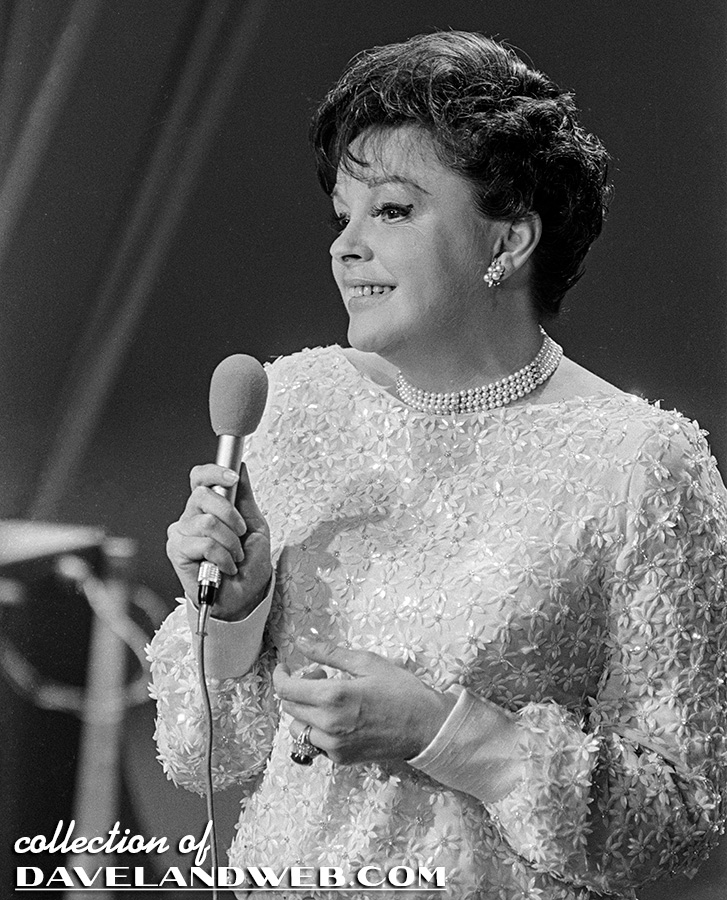
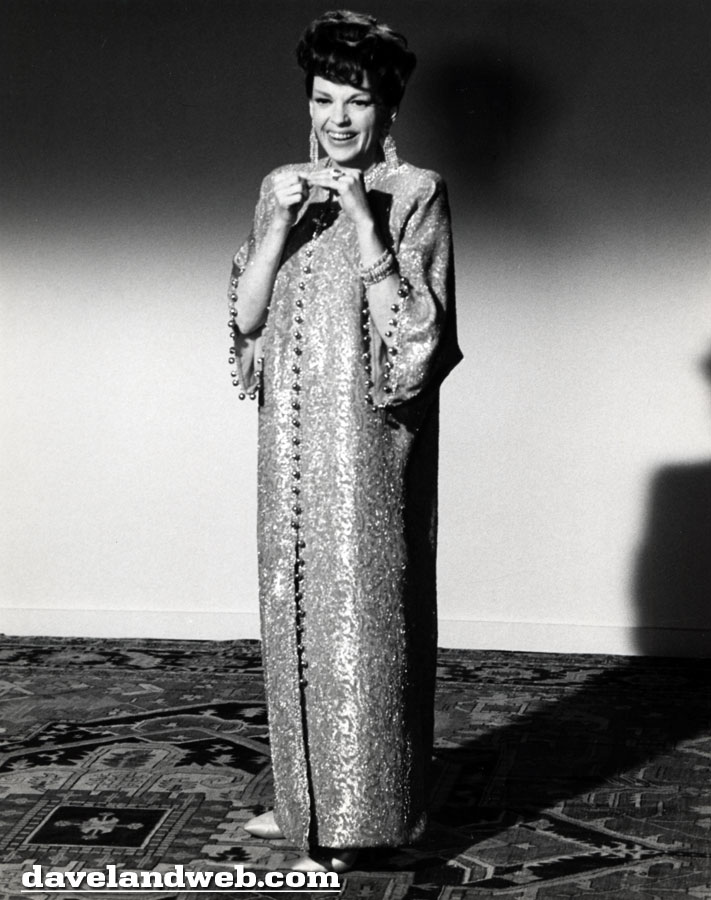
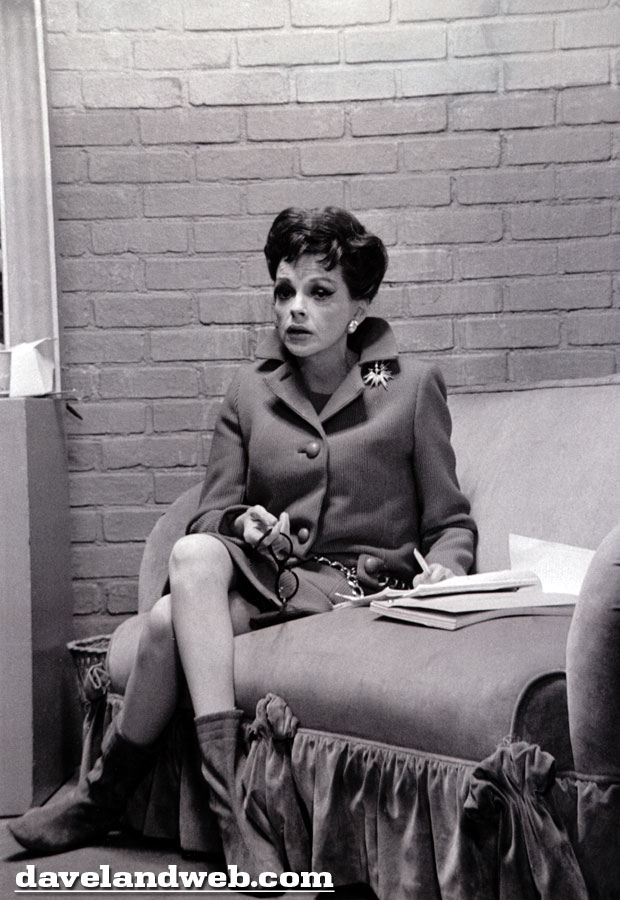
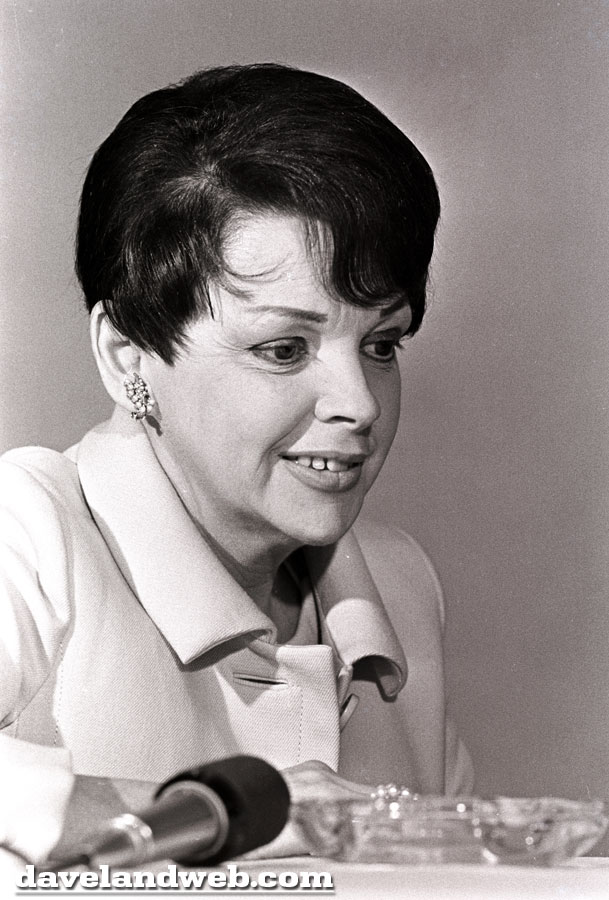
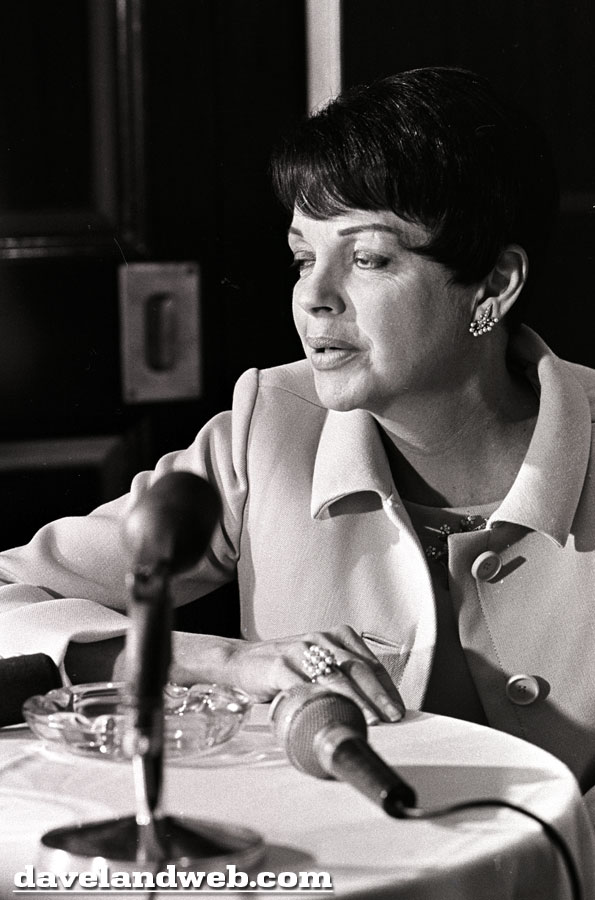
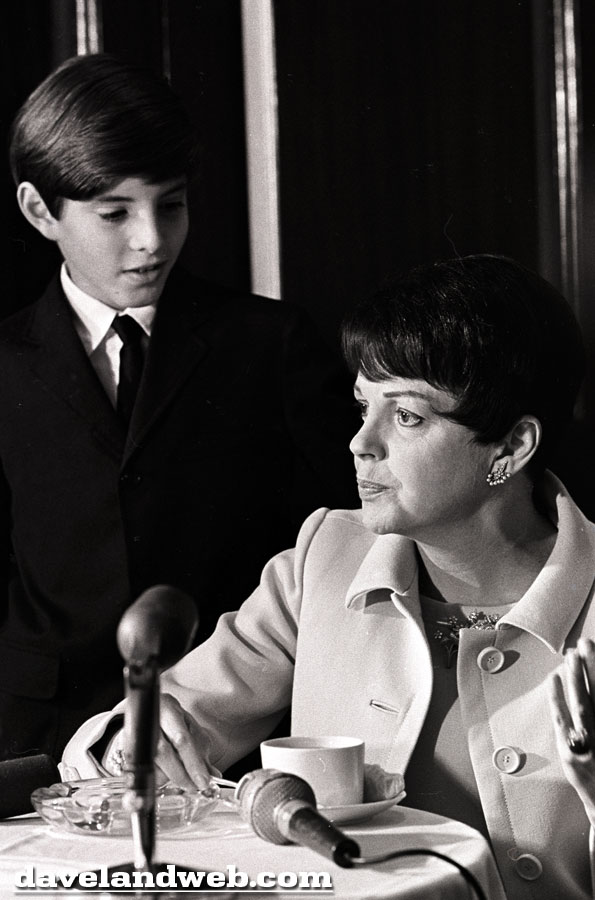
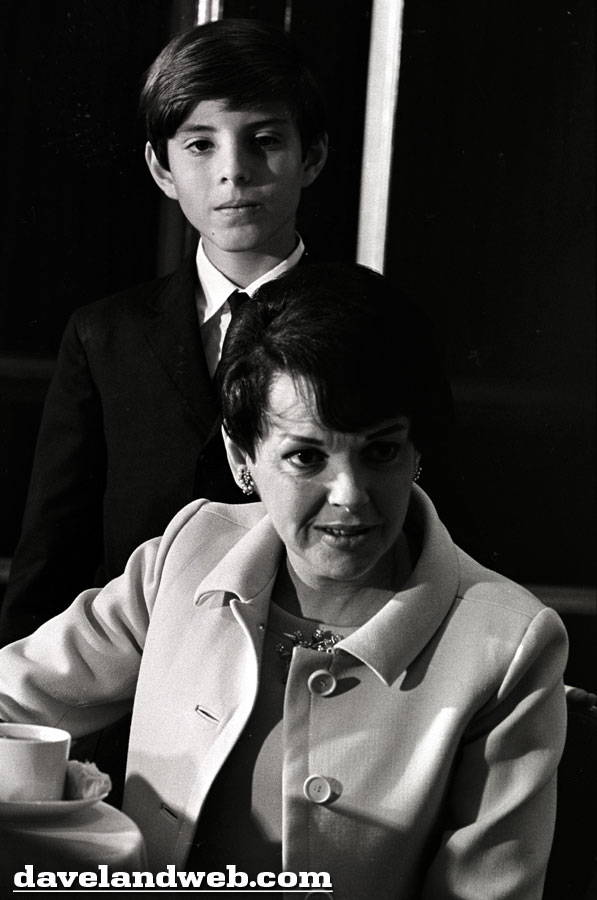
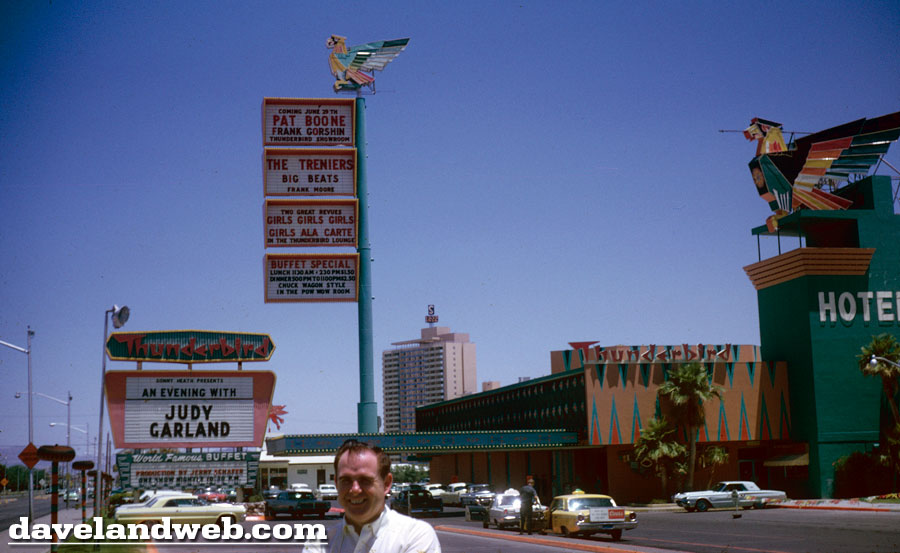
| (April 23, 1928—Present) BACKSTORY: Edited from IMDB: Born Frances Ethel Gumm on June 10, 1922 in Minnesota, the youngest daughter of vaudevillians Frank and Ethel Gumm. Her mother, an ambitious woman gifted in playing various musical instruments, saw the potential in her daughter at the tender age of just 2 years old when Baby Frances repeatedly sang "Jingle Bells" until she was dragged from the stage kicking and screaming during one of their Christmas shows. In September 1935 the Gumms' prayers were answered when Frances was signed by Louis B. Mayer, mogul of leading film studio MGM, after hearing her sing. It was then that her name was changed from Frances Gumm to Judy Garland, after a popular '30s song "Judy" and film critic Robert Garland. Tragedy soon followed, however, in the form of her father's death of meningitis in November 1935. Having been given no assignments with the exception of singing on radio, Judy faced the threat of losing her job following the arrival of Deanna Durbin. Knowing that they couldn't keep both of the teenage singers, MGM devised a short entitled "Every Sunday" (1936) which would be the girls' screen test. However, despite being the outright winner and being kept on by MGM, Judy's career did not officially kick off until she sang one of her most famous songs, "You Made Me Love You", at Clark Gable's birthday party in February 1937, during which Louis B. Mayer finally paid attention to the talented songstress. MGM set to work preparing various musicals with which to keep Judy busy. All this had its toll on the young teenager, and she was given numerous pills by the studio doctors in order to combat her tiredness on set. Another problem was her weight fluctuation, but she was soon given amphetamines in order to give her the desired streamlined figure. This soon produced the downward spiral that resulted in her lifelong drug addiction. In 1939, Judy shot immediately to stardom with "The Wizard of Oz" (1939), in which she portrayed Dorothy. Her poignant performance and sweet delivery of her signature song, 'Over The Rainbow', earned Judy a special juvenile Oscar statuette on 29 February 1940 for Best Performance by a Juvenile Actor. Now growing up, Judy began to yearn for meatier adult roles instead of the virginal characters she had been playing since she was 14. She was now taking an interest in men, and after starring in her final juvenile performance in "Ziegfeld Girl" (1941) alongside glamorous beauties Lana Turner and Hedy Lamarr, Judy got engaged to bandleader David Rose in May 1941, just two months after his divorce from Martha Raye. The couple eloped to Las Vegas and married on July 28, 1941. The marriage quickly went downhill as, after discovering that she was pregnant in November 1942, David and MGM persuaded her to abort the baby in order to keep her good-girl image up. She did so and, as a result, was haunted for the rest of her life. The couple separated in January 1943. Judy reluctantly began filming "Meet Me In St. Louis" (1944), which proved to be a big success. Director Vincente Minnelli highlighted Judy's beauty for the first time on screen, showing off her large brandy-brown eyes and her full, thick lips and after filming ended in April 1944, a love affair resulted between director and actress. Vincente began to mold Judy and her career, making her more beautiful and more popular with audiences worldwide. During the filming of "The Clock" (1945), the couple announced their engagement. On June 15, 1945 Judy made Vincente her second husband, tying the knot with him that afternoon at her mother's home with her boss Louis B. Mayer giving her away and her best friend Betty Asher serving as bridesmaid. They spent three months on a NY honeymoon, and afterwards Judy discovered that she was pregnant. On March 12, 1946 in Los Angeles, California, Judy gave birth to their daughter, Liza Minnelli. It was a joyous time for the couple, but Judy was out of commission for weeks due to a caesarean birth and her postnatal depression. She soon returned to work, but married life was never the same for Vincente and Judy after they filmed "The Pirate" (1948) together in 1947. Judy's mental health was fast deteriorating and she began hallucinating things and making false accusations toward people, especially her husband, making the filming a nightmare. She then teamed up with dancing legend Fred Astaire for the delightful musical "Easter Parade" (1948), which resulted in a successful comeback. Next up was "In the Good Old Summertime" (1949), which was also daughter Liza's film debut. She had already been suspended by MGM for her lack of cooperation on the set of "The Barkleys of Broadway" (1949), which also resulted in her getting replaced by Ginger Rogers. After being replaced by Betty Hutton on "Annie Get Your Gun" (1950), Judy was suspended yet again before making her final film for MGM, entitled "Summer Stock" (1950). At 28, Judy received her third suspension for "Royal Wedding" and was fired by MGM, and her second marriage was soon dissolved. Having taken up with Sidney Luft, Judy traveled to London to star at the legendary Palladium. She was an instant success and after her divorce to Vincente Minnelli was finalized, Judy traveled with Sid to New York to make an appearance on Broadway. With her newfound fame on stage, Judy was stopped in her tracks in February 1952 when she became pregnant by her new lover, Sid. At the age of 30, she made him her third husband on June 8,1952; the wedding was held at a friend's ranch in Pasadena. Judy next signed a film contract with Warner Bros. to star in the musical remake of "A Star Is Born." After filming was complete, Judy was yet again lauded as a great film star. She won a Golden Globe for her brilliant and truly outstanding performance as Esther Blodgett, nightclub singer turned movie star, but when it came to the Academy Awards, a distraught Judy lost out on the Best Actress Oscar to Grace Kelly. Many still argue that Judy should have won the Oscar instead. Continuing her work on stage, Judy gave birth to her beloved son, Joey Luft, on March 29, 1955. She soon began to lose her millions of dollars as a result of her husband's strong gambling addiction, and with hundreds of debts to pay, Judy and Sid began a volatile, on-off relationship resulting in numerous divorce filings. In 1961, at the age of 39, Judy returned to her film career, this time to star in "Judgment at Nuremberg" (1961), for which she received an Oscar nomination for Best Supporting Actress, but this time she lost out to Rita Moreno for her performance in "West Side Story" (1961). Her battles with alcoholism and drugs led to Judy's making numerous headlines in newspapers, but she soldiered on, forming a close friendship with President John F. Kennedy. In 1963, Judy and Sid finally separated permanently, and on May 19, 1965 their divorce was finalized after almost 13 years of marriage. By this time, Judy, now 41, had made her final performance on film alongside Dirk Bogarde in "I Could Go on Singing" (1963). She married her fourth husband, Mark Herron, on November 14, 1965 in Las Vegas, but they separated in April 1966 after five months of marriage. She then settled down in London and began dating disk jockey Mickey Deans in December 1968. They became engaged once her divorce from Mark Herron was finalized on January 9, 1969. She married Mickey, her fifth and final husband, in a register office in Chelsea, London, on March 15, 1969. She continued working on stage, appearing several times with her daughter Liza. It was while living in Chelsea, London, that Judy died of an accidental overdose of barbiturates on June 22, 1969 at the age of 47. Her daughter Liza Minnelli paid for her funeral, and her former costar James Mason delivered her touching eulogy. |
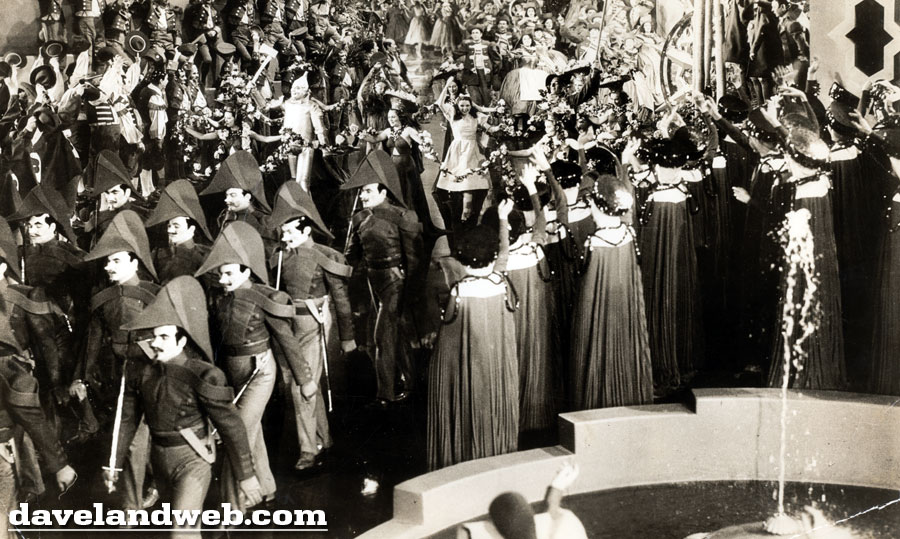
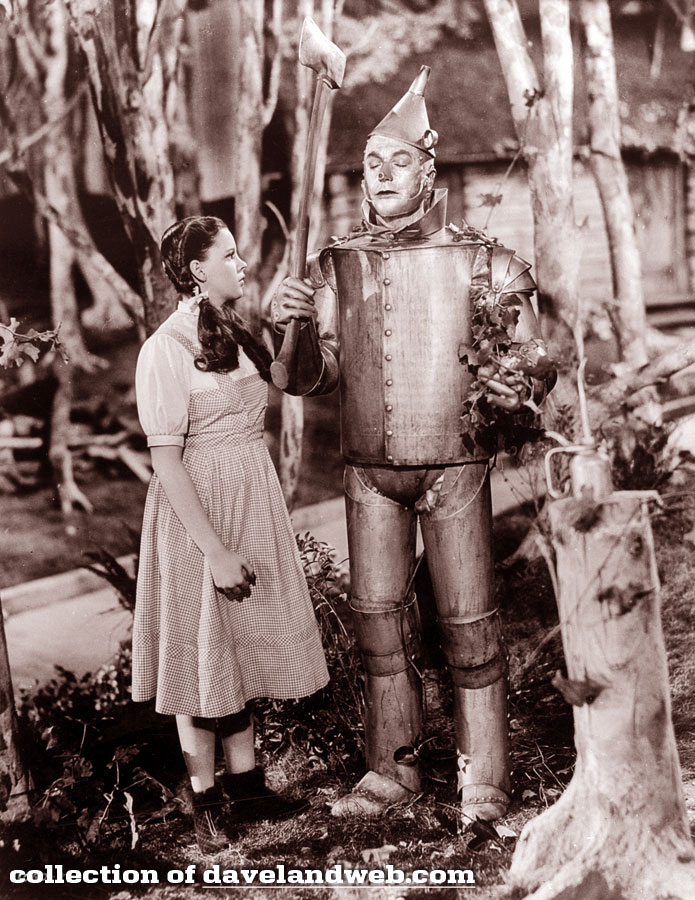
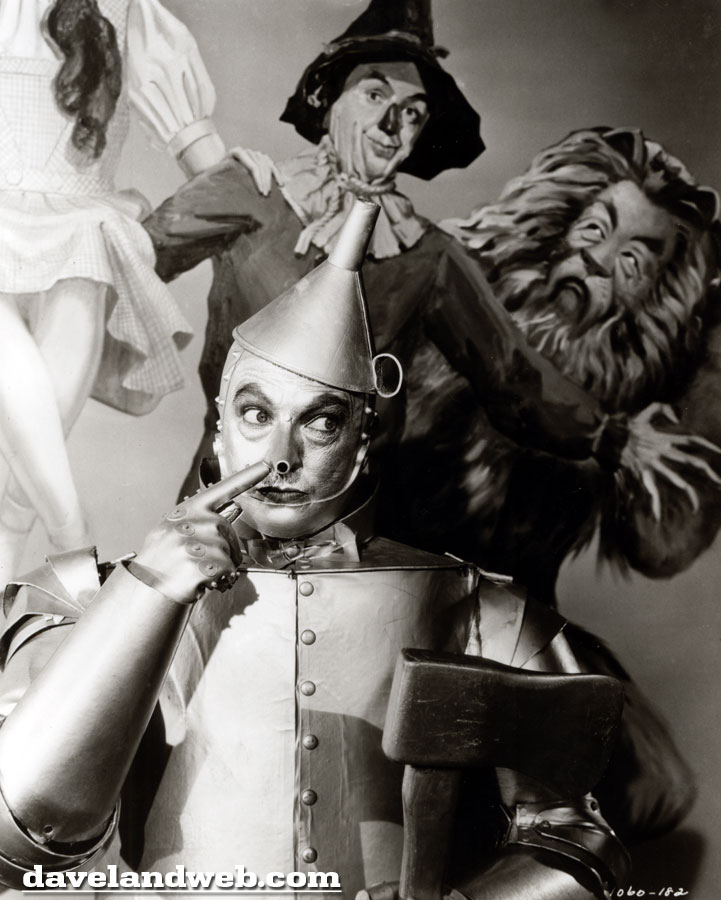
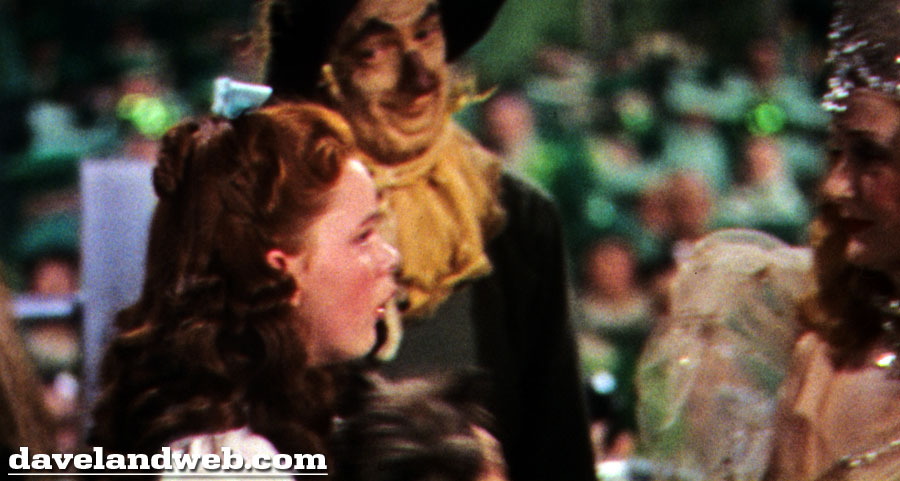
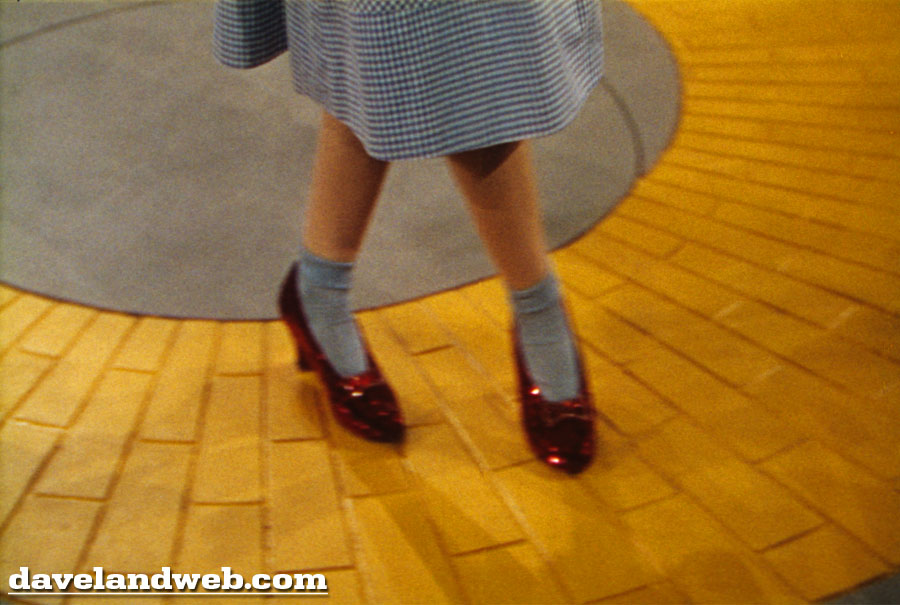
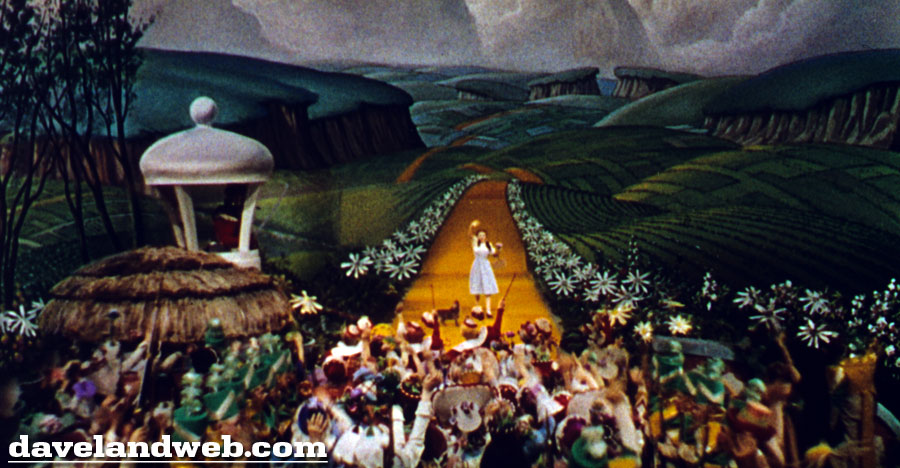
“THE WIZARD OF OZ,” 1939 |
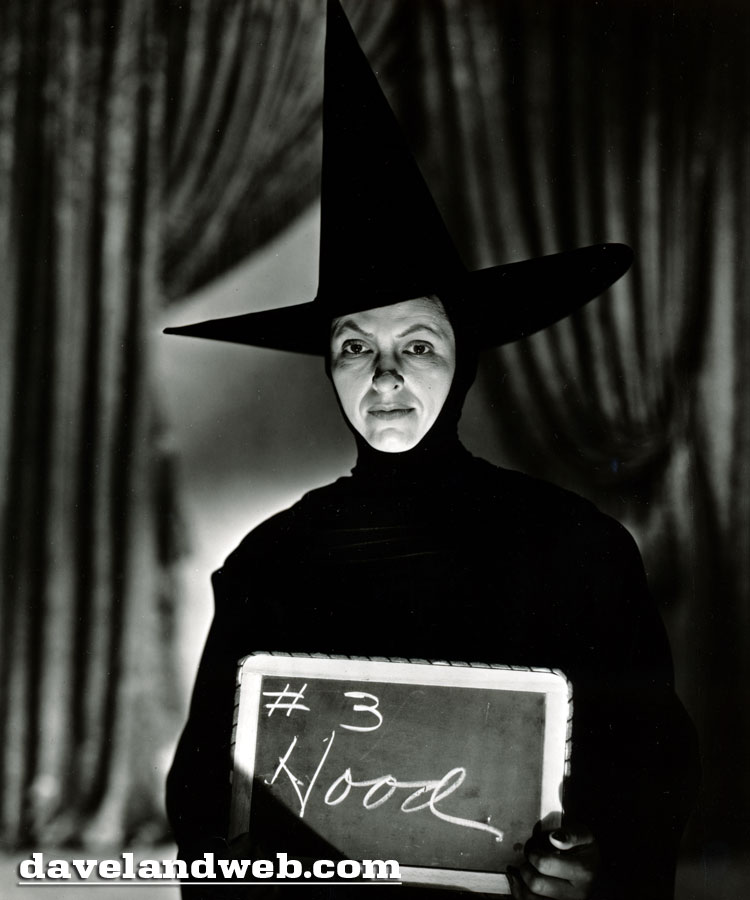
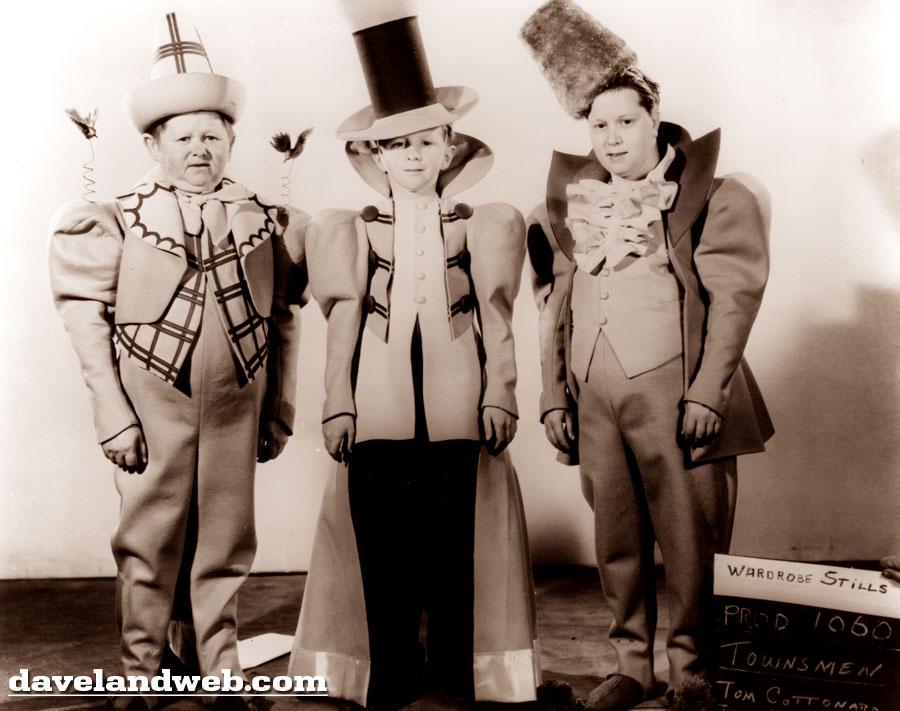
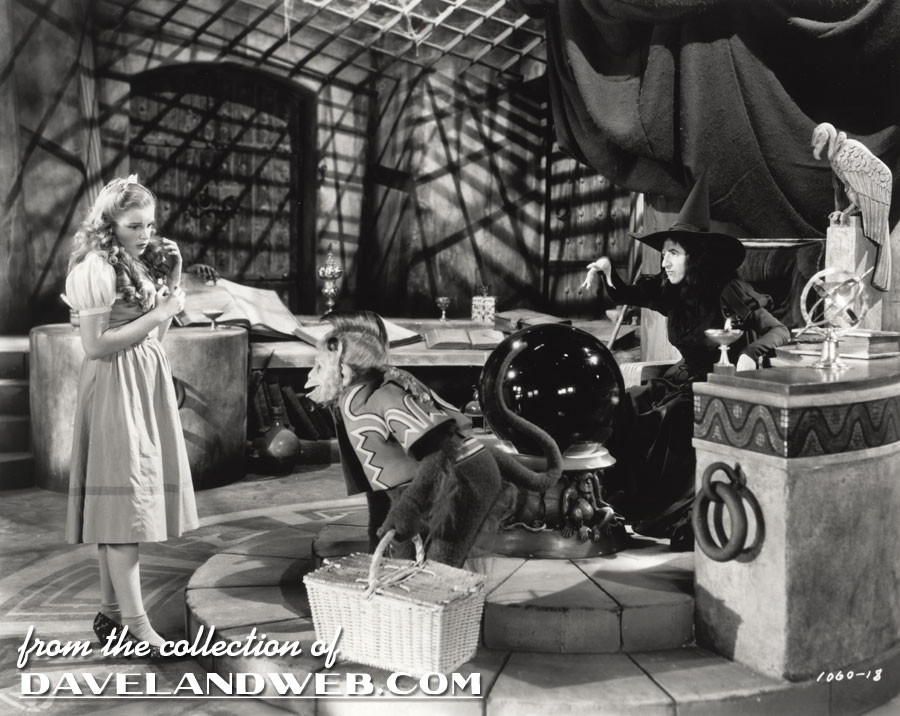
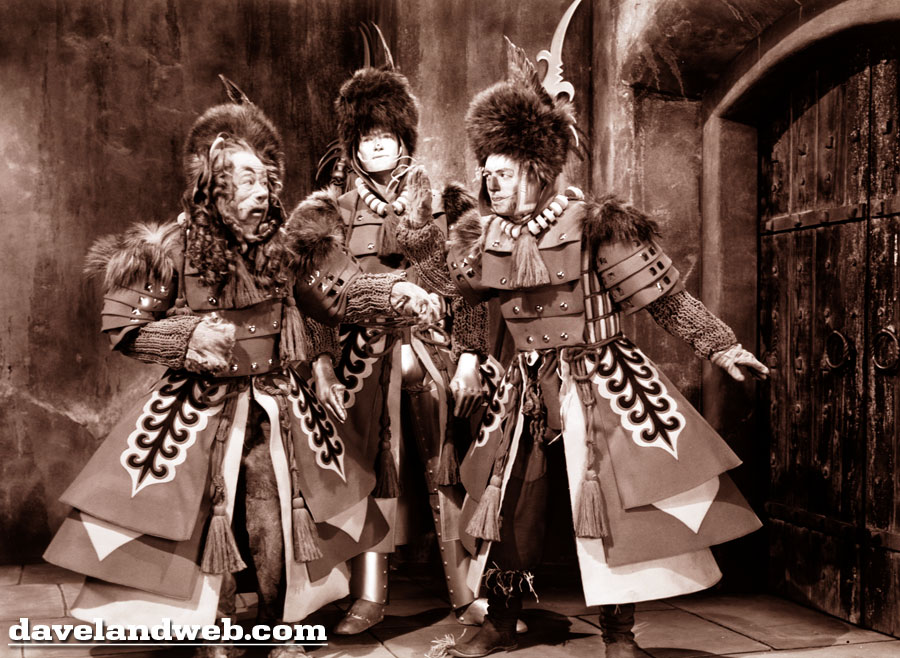
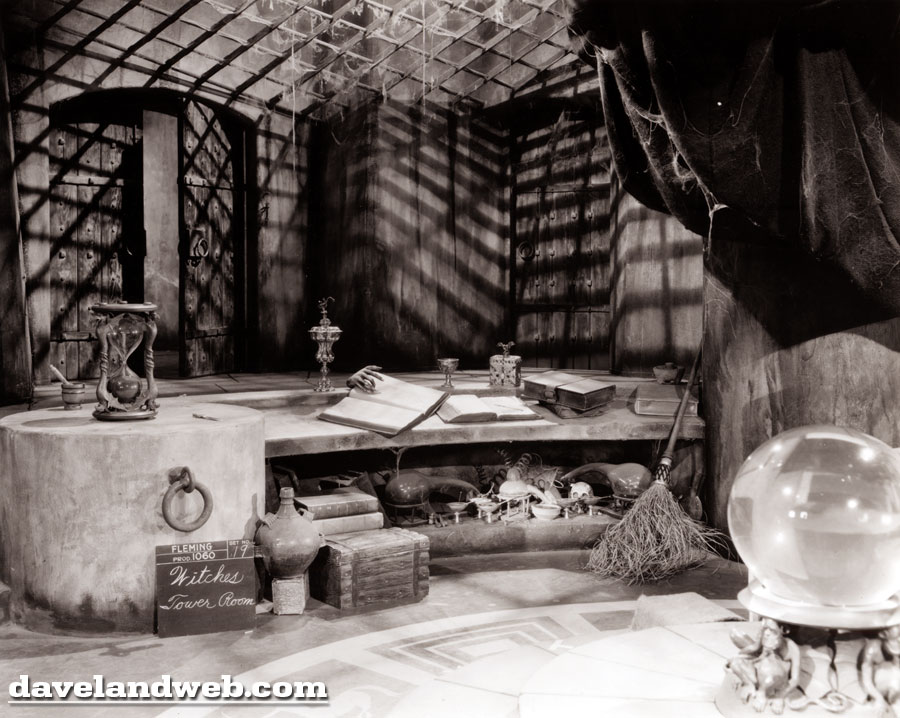
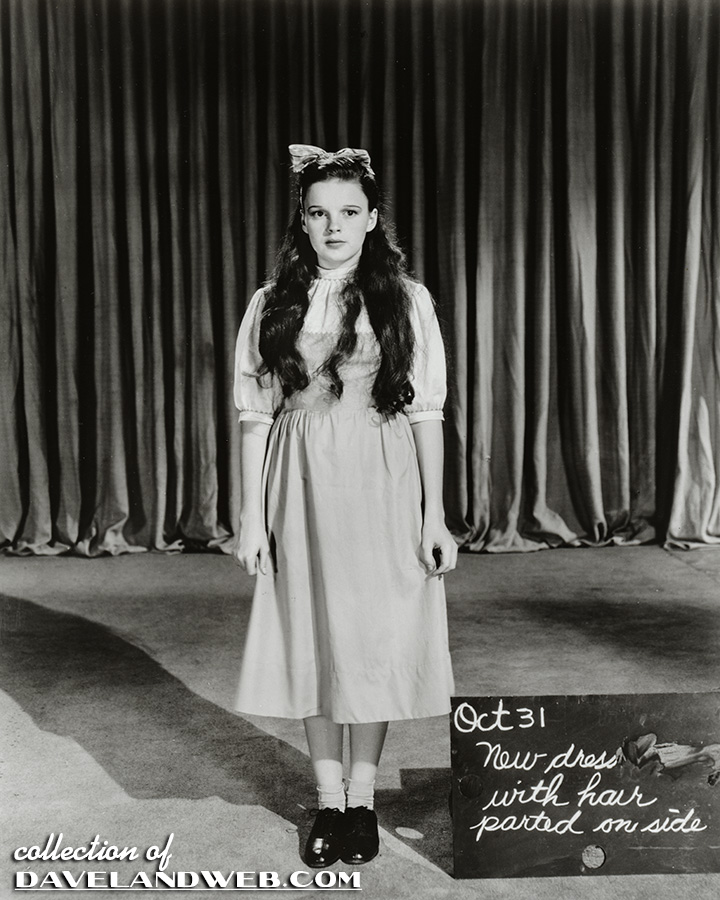
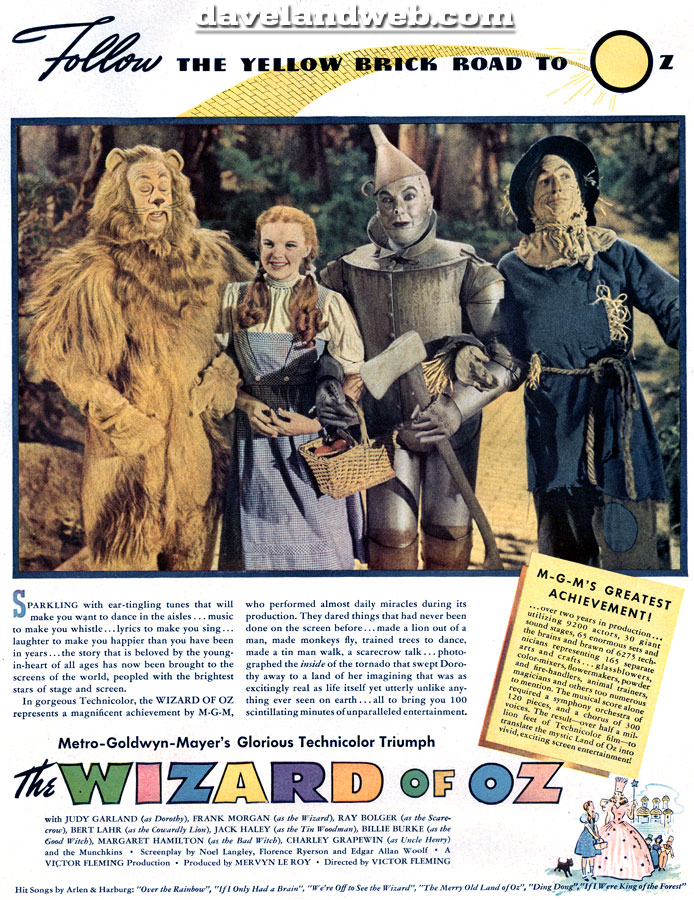
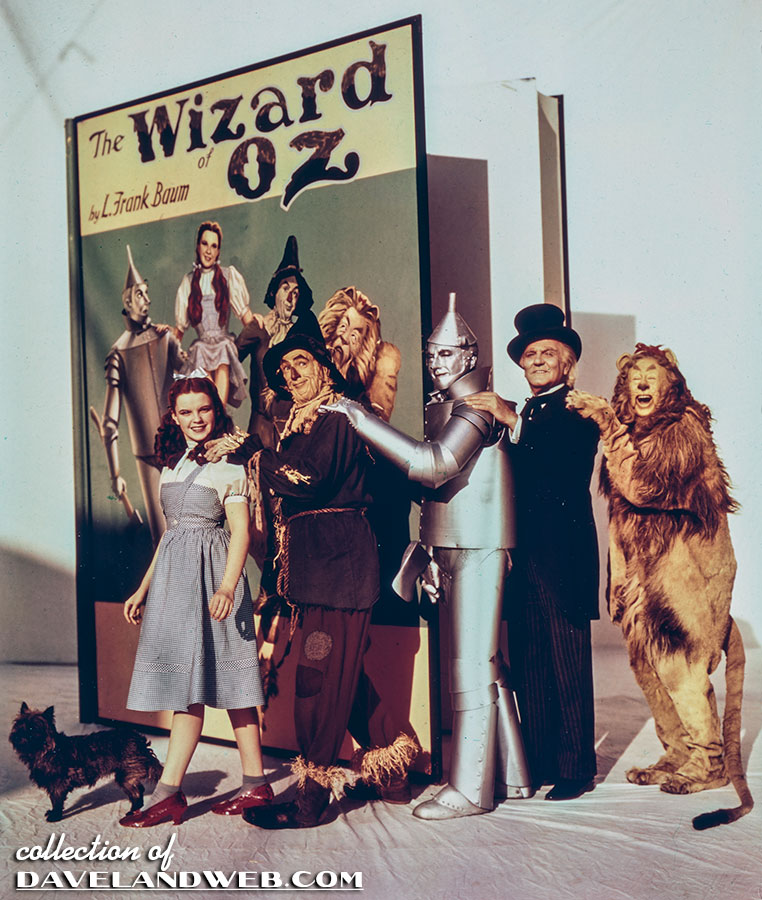
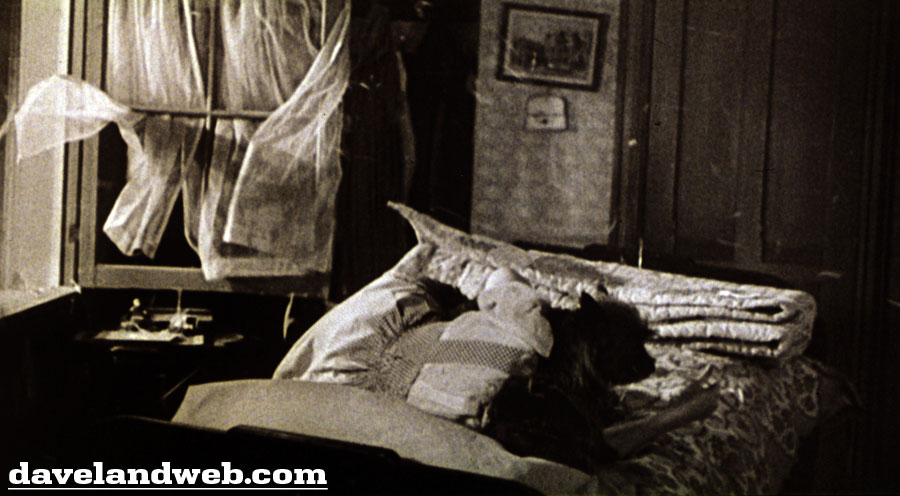
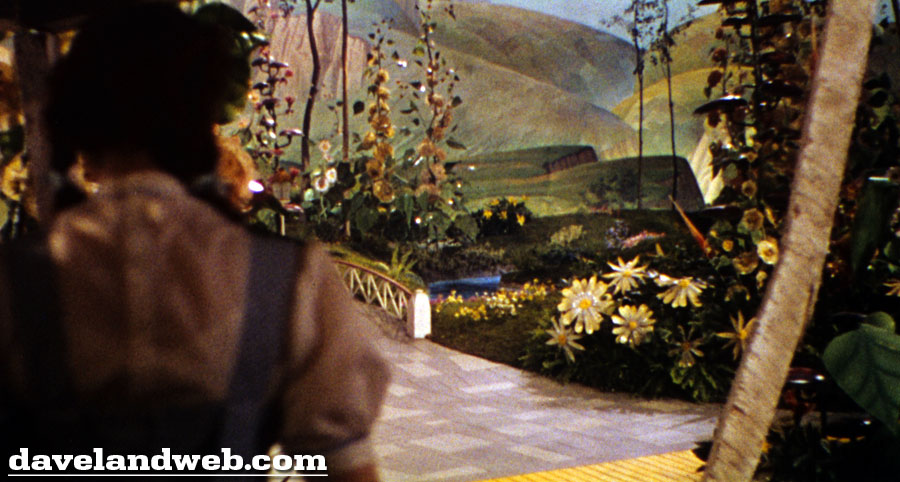
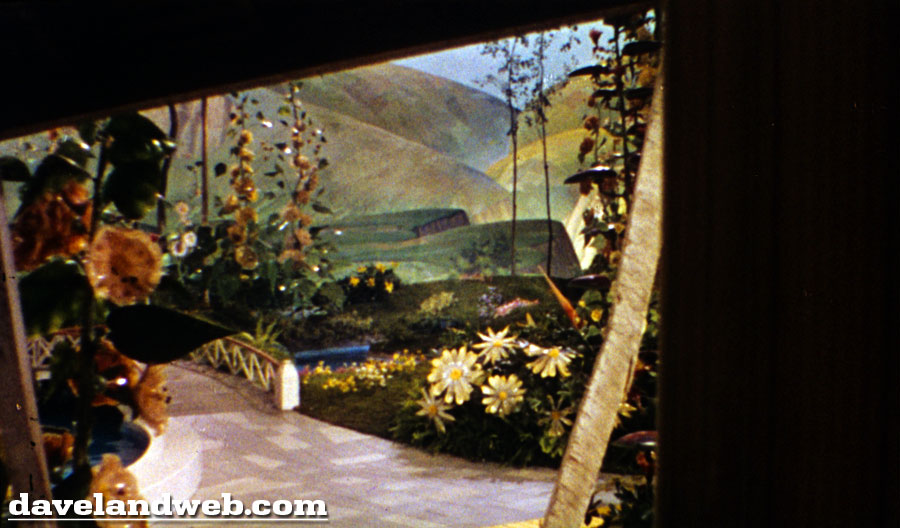
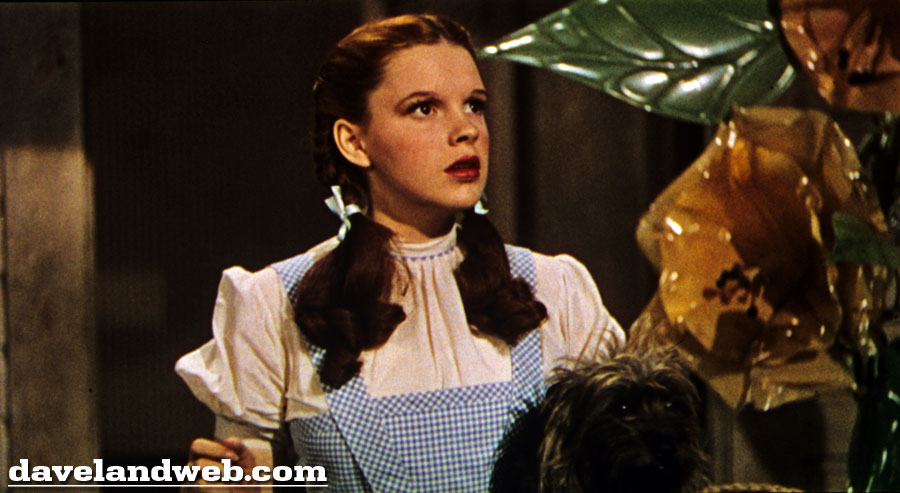
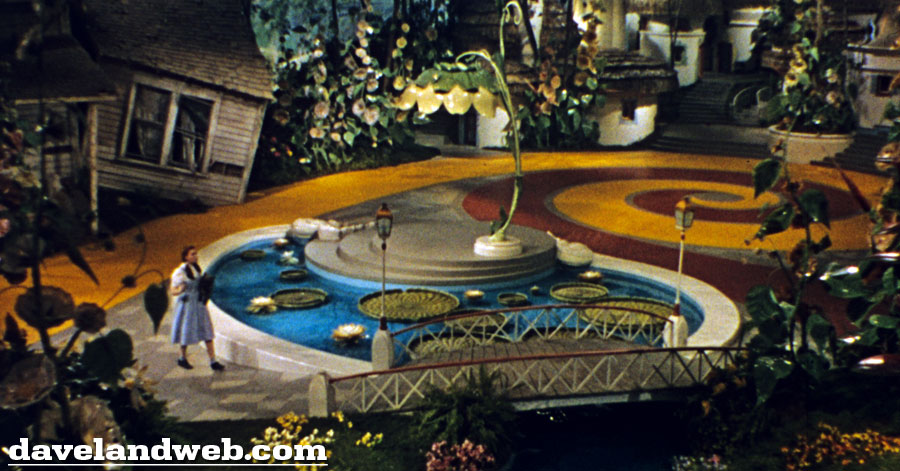
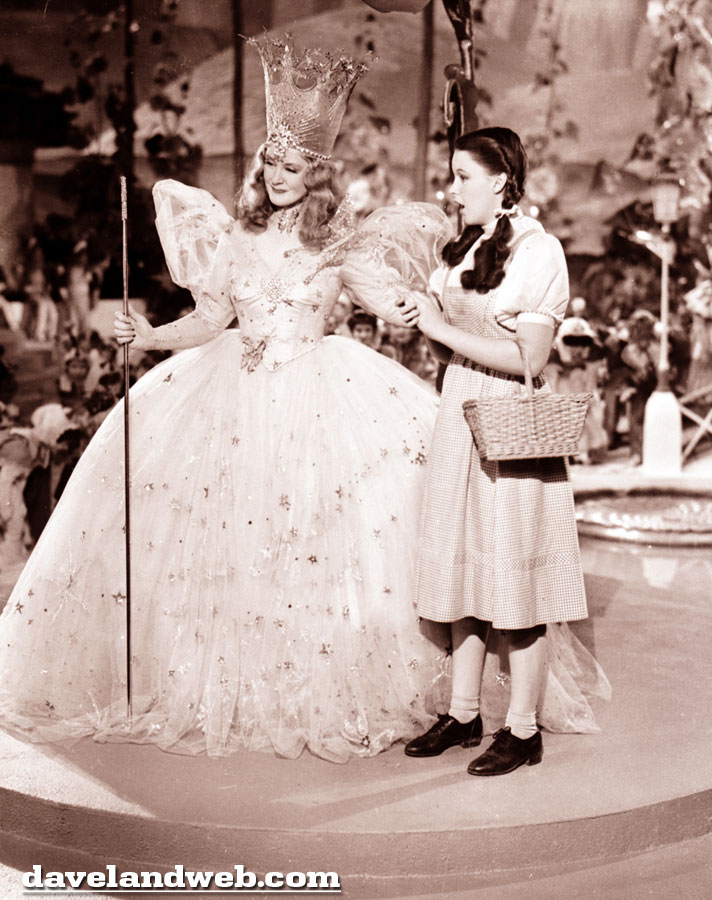
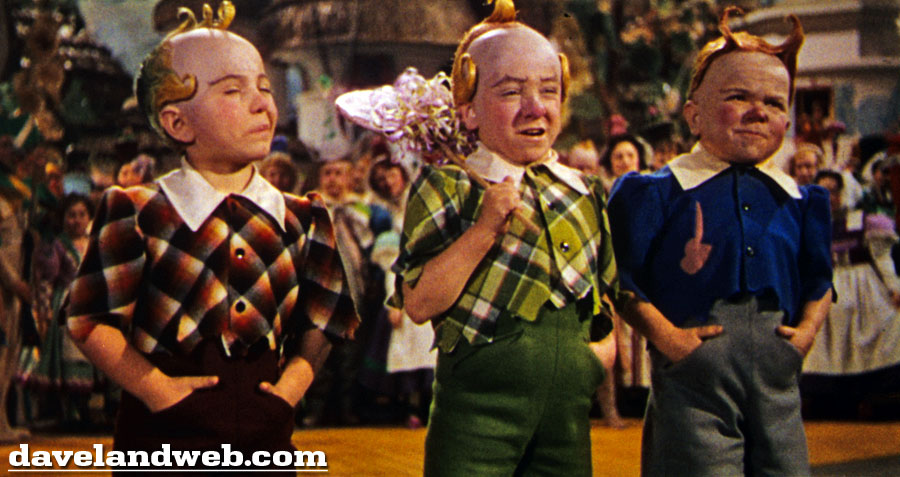
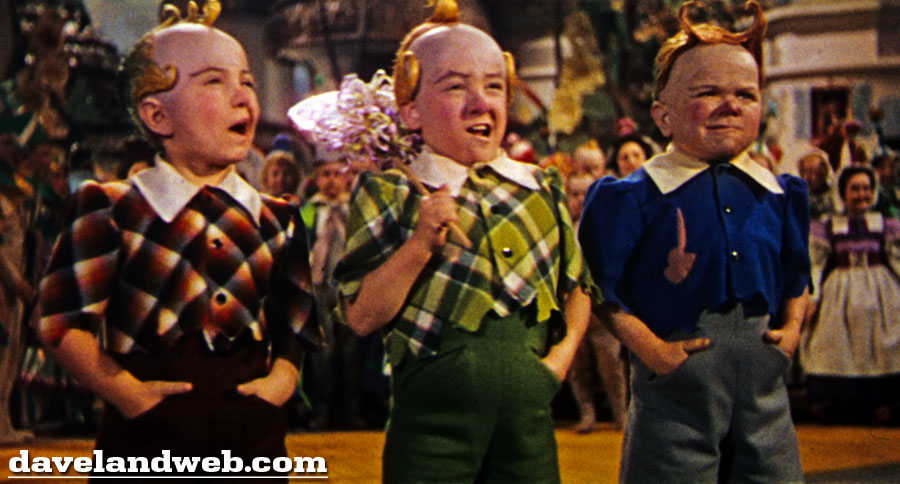
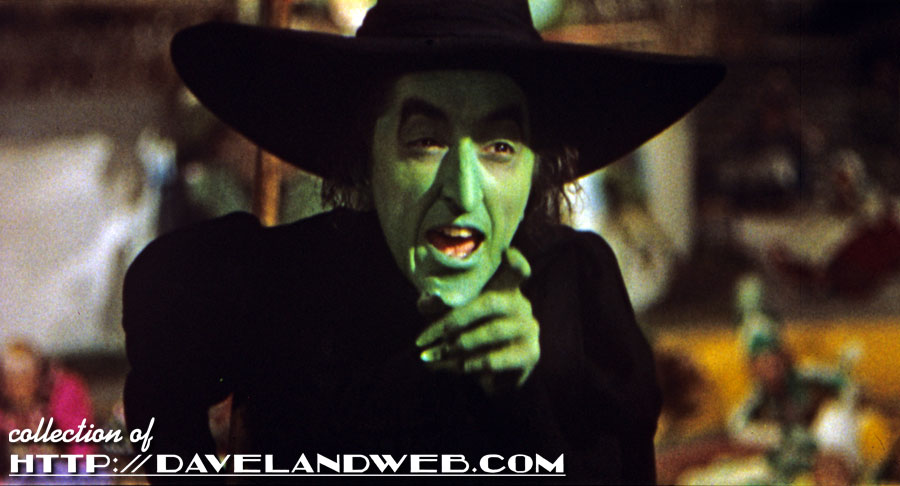
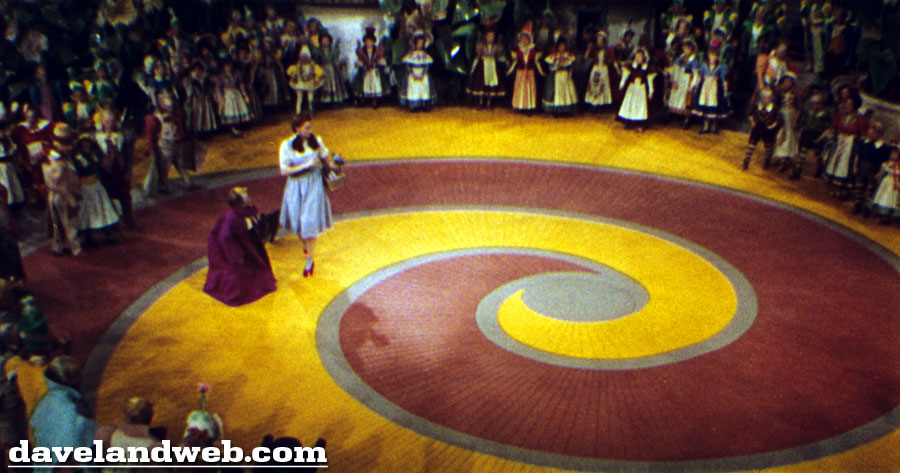
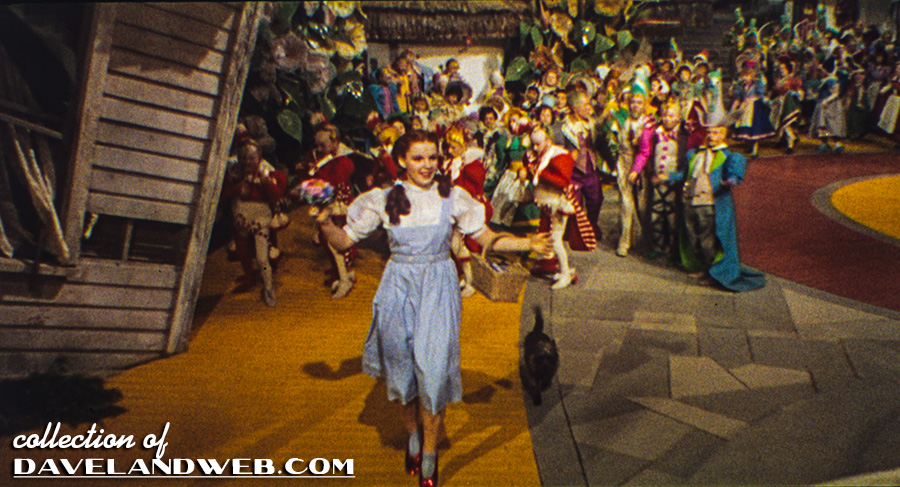
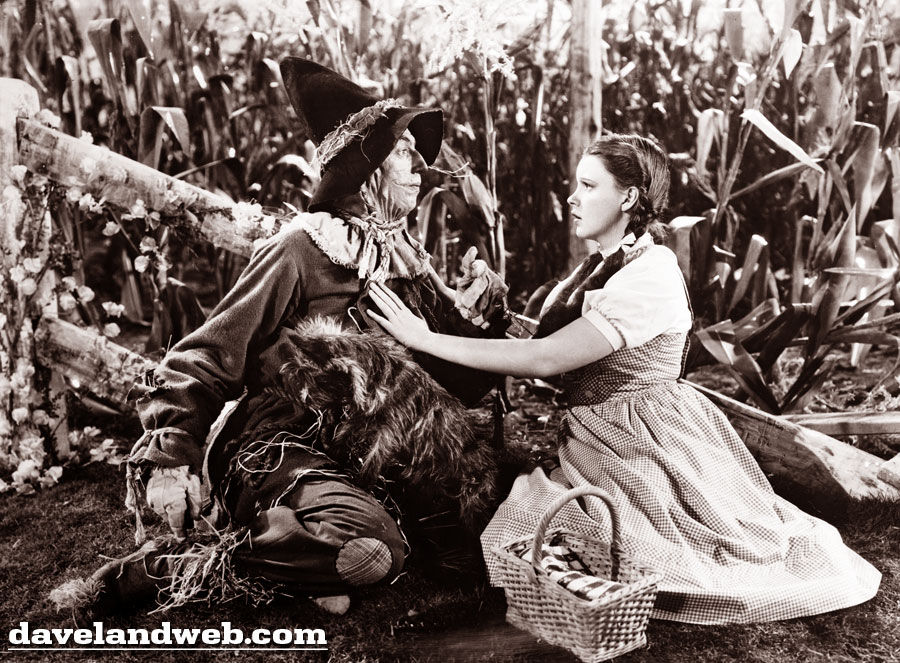
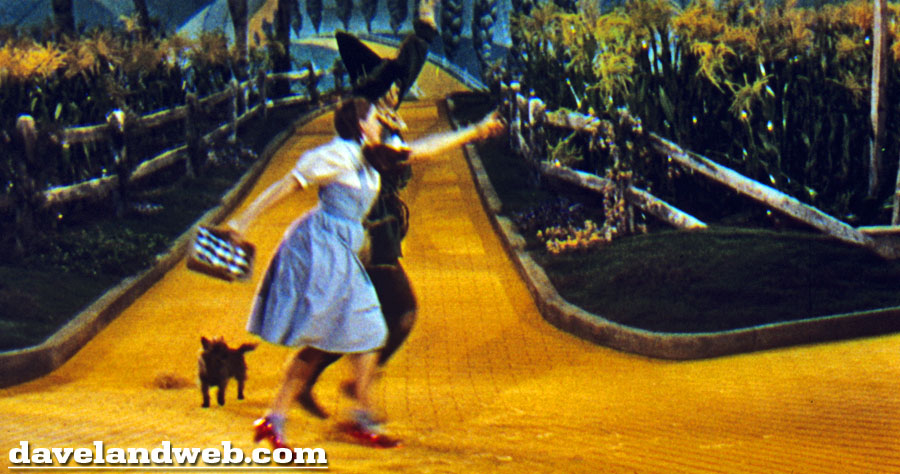
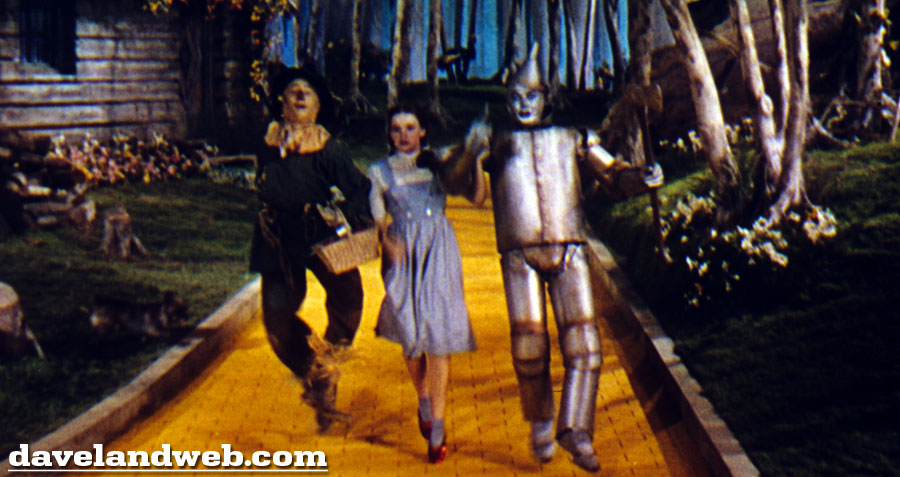
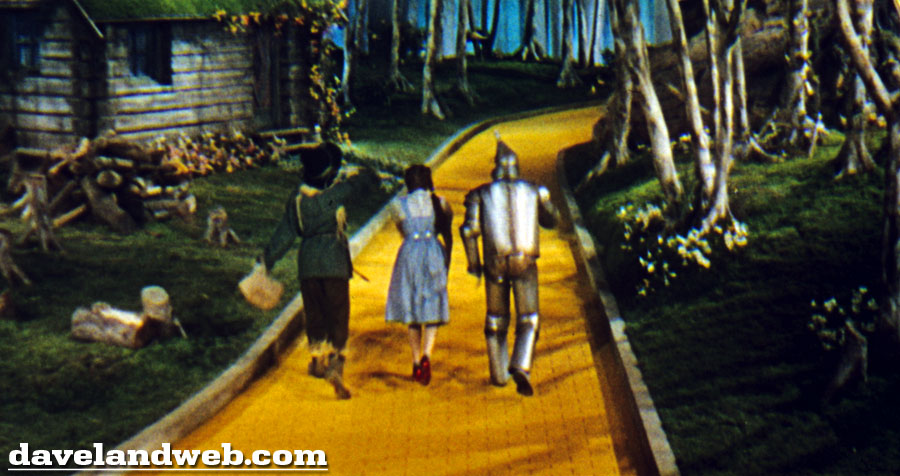
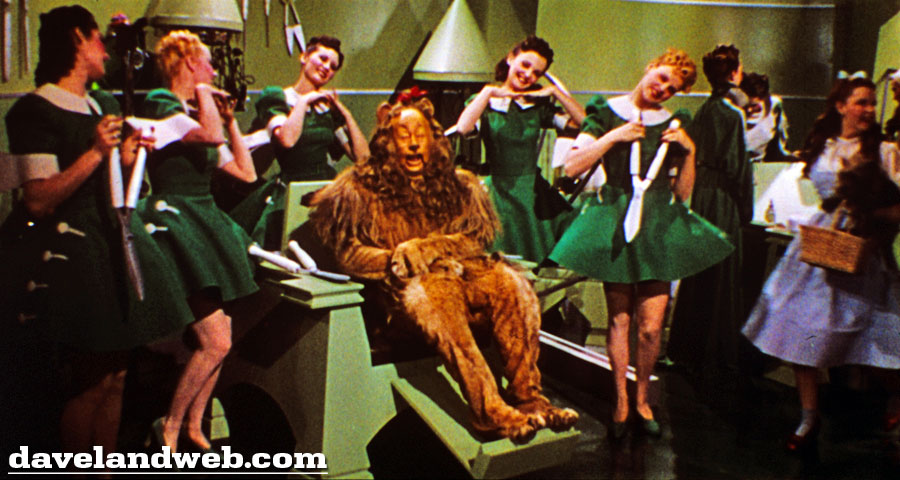
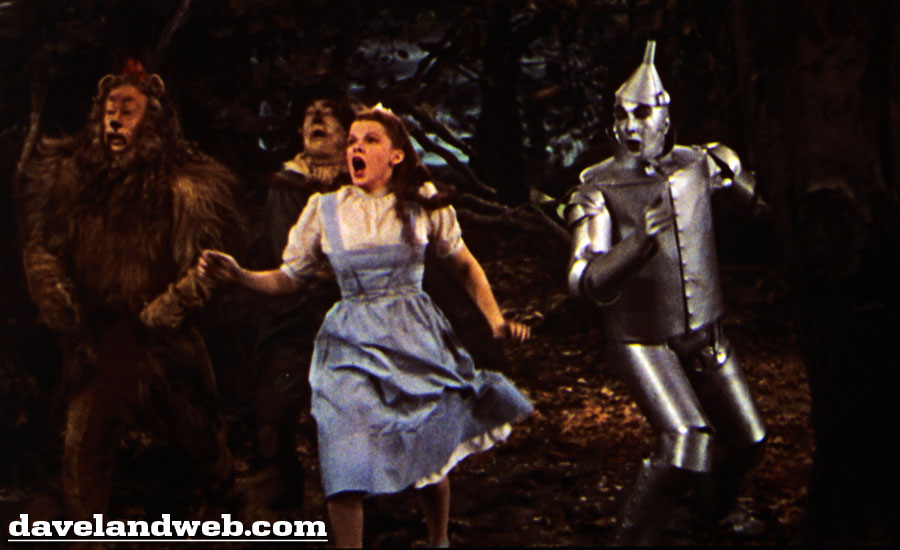
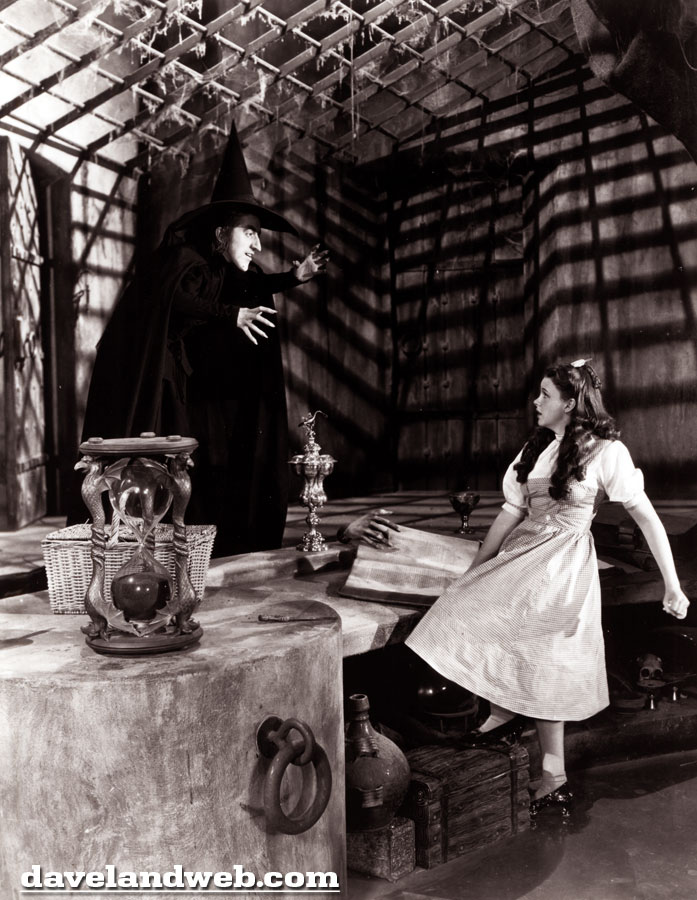
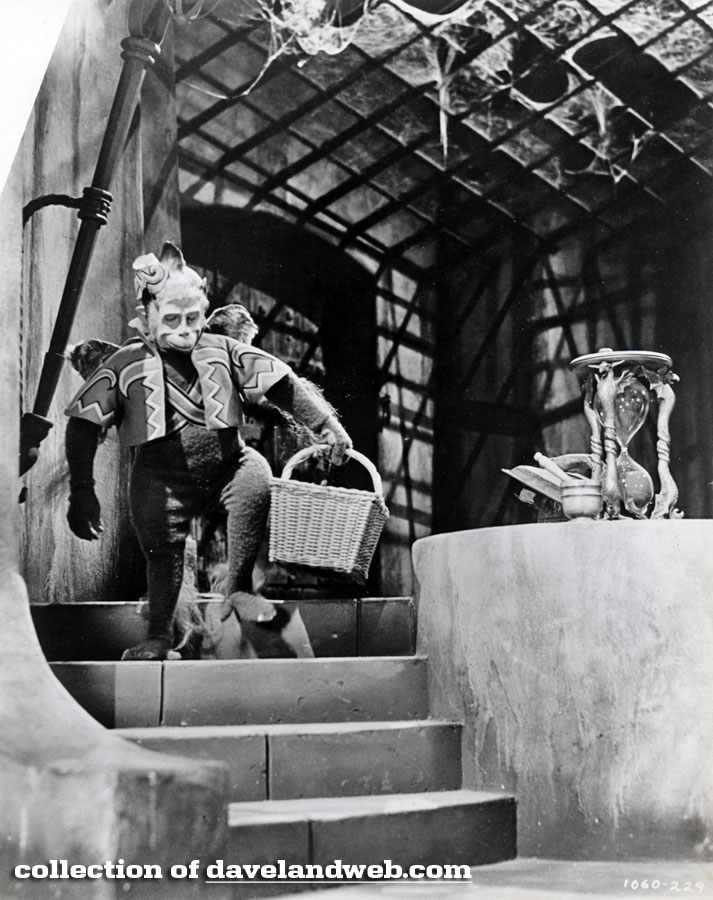
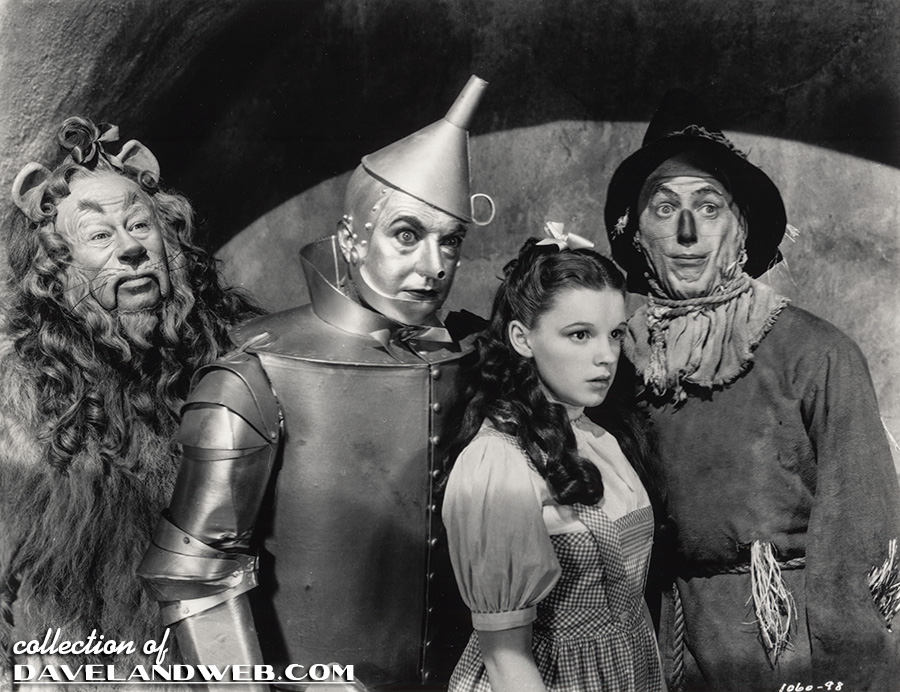
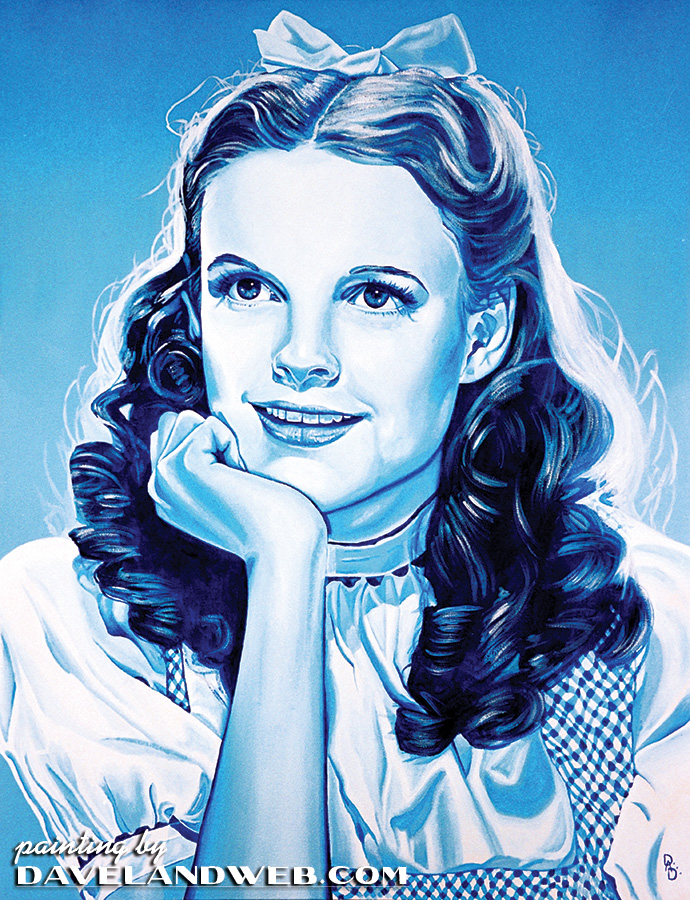
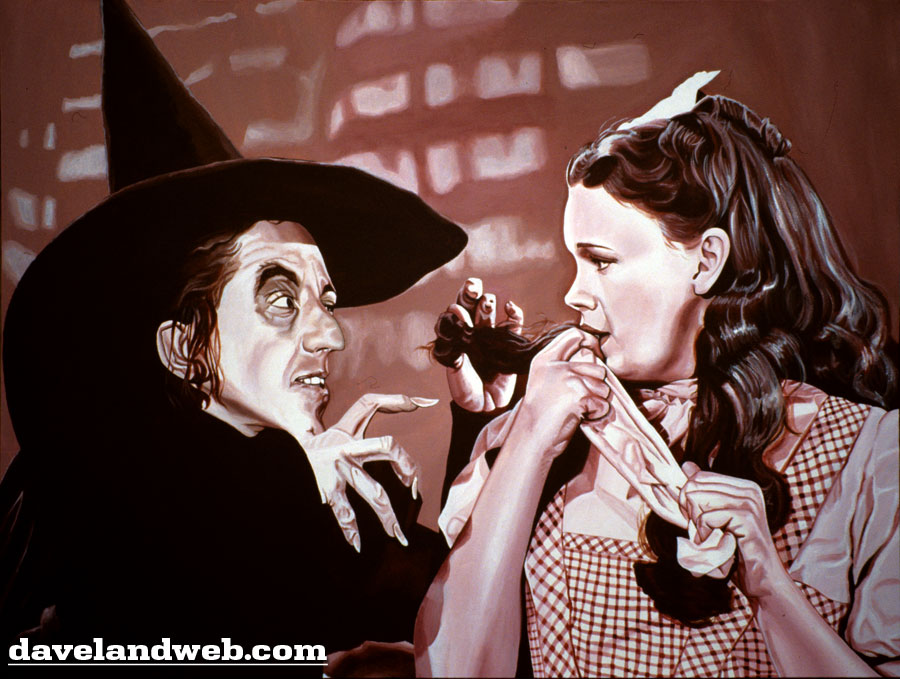
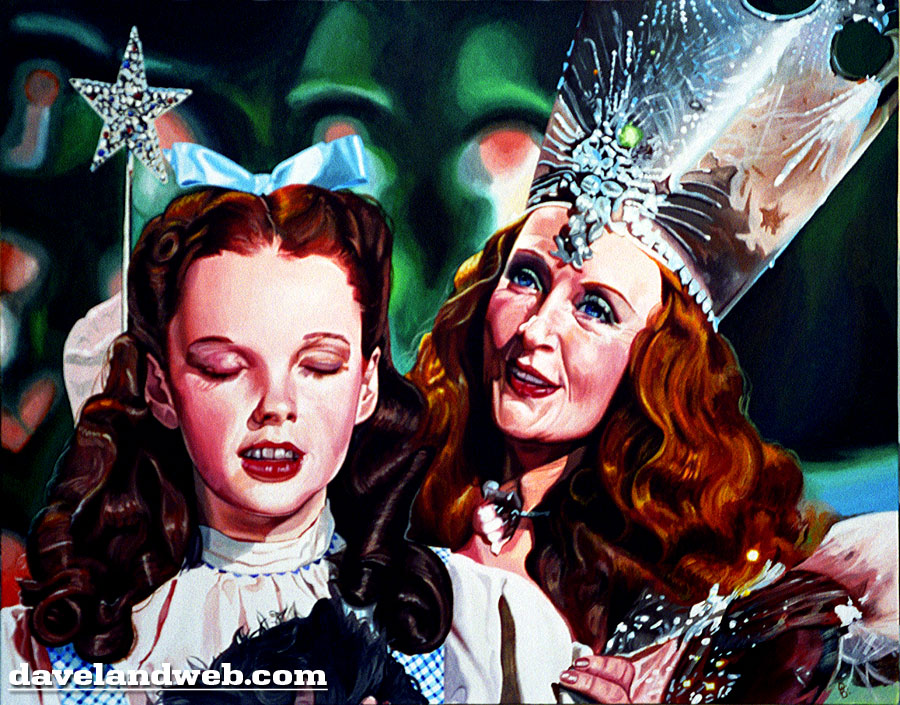
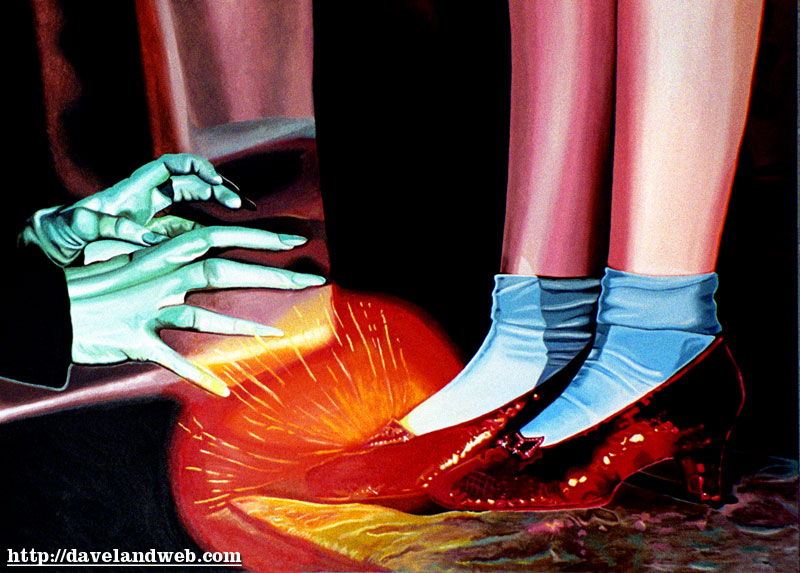
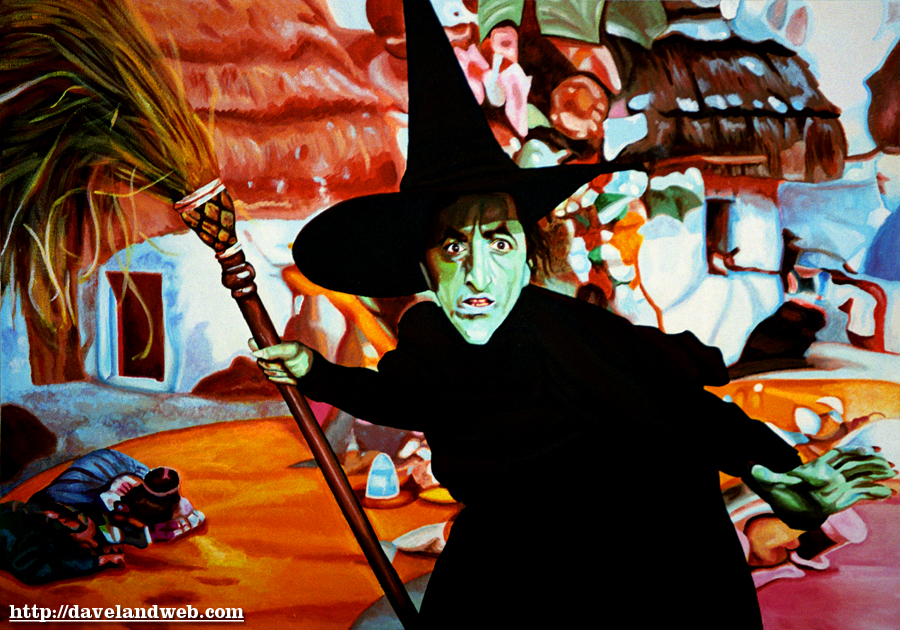
| From the New York Times Film Review, August 18, 1939, Frank S. Nugent By courtesy of the wizards or Hollywood, "The Wizard of Oz" reached the Capitol's screen yesterday as a delightful piece of wonder-working which had the youngsters' eyes shining and brought a quietly amused gleam to the wiser ones of the oldsters. Not since Disney's "Snow White" has anything quite so fantastic succeeded half so well. A fairybook tale has been told in the fairybook style, with witches, goblins, pixies and other wondrous things drawn in the brightest colors and set cavorting to a merry little score. It is all so well-intentioned, so genial and so gay that any reviewer who would look down his nose at the fun-making should be spanked and sent off, supperless, to bed. Having too stout an appetite to chance so dire a punishment, we shall merely mention, and not dwell upon, the circumstance that even such great wizards as those who lurk in the concrete caverns of California are often tripped in their flights of fancy by trailing vines of piano wire and outcroppings of putty noses. With the best of will and ingenuity, they cannot make a Munchkin or a Flying Monkey that will not still suggest, however vaguely, a Singer's midget in a Jack Dawn masquerade. Nor can they, without a few betraying jolts and split-screen overlappings, bring down from the sky the great soap bubble in which the Good Witch rides and roll it smoothly into place. But then, of course, how can any one tell what a Munchkin, a Flying Monkey or a witch-bearing bubble would be like and how comport themselves under such remarkable circumstances? And the circumstances of Dorothy's trip to Oz are so remarkable, indeed, that reason cannot deal with them at all. It blinks, and it must wink, too, at the cyclone that lifted Dorothy and her little dog, Toto, right out of Kansas and deposited them, not too gently, on the conical cap of the Wicked Witch of the East who had been holding Oz's Munchkins in thrall. Dorothy was quite a heroine, but she did want to get back to Kansas and her Aunt Em; and her only hope of that, said Glinda, the Good Witch of the North, was to see the Wizard of Oz who, as every one knows, was a whiz of a Wiz if ever a Wiz there was. So Dorothy sets off for the Emerald City, hexed by the broomstick-riding sister of the late Wicked Witch and accompanied, in due time, by three of Frank Baum's most enchanting creations, the Scarecrow, the Tin Woodman and the Cowardly Lion. Judy Garland's Dorothy is a pert and fresh-faced miss with the wonder-lit eyes of a believer in fairy tales, but the Baum fantasy is at its best when the Scarecrow, the Woodman and the Lion are on the move. The Scarecrow, with the elastic, dancing legs of Ray Bolger, joins the pilgrimage in search of brains; the Woodman, an armorplated Jack Haley, wants a heart; the Cowardly Lion, comicalest of all, is Bert Lahr with an artistically curled mane, a threshing tail and a timid heart. As he mourns in one of his ballads, his Lion hasn't the prowess of a mow-ess; he can't sleep for brooding; he can't even count sheep because he's scared of sheep. And what he wants is courage to make him king of the forest so that even being afraid of a rhinocerus would be imposerus. Mr. Lahr's lion is fion. There, in a few paragraphs, are most of the elements of the fantasy. We haven't time for the rest, but we must mention the talking trees that pelt the travelers with apples, the witch's sky-written warning to the Wizard, the enchanted poppy field, the magnificent humbuggery of Frank Morgan's whiz of a Wiz and the marvel of the chameleonlike "horse of another color." They are entertaining conceits all of them, presented with a naive relish for their absurdity and out of an obvious—and thoroughly natural—desire on the part of their fabricators to show what they could do. It is clear enough that Mr. Dawn, the make-up wizard, Victor Fleming, the director-wizard, Arnold Gillespie, the special effects wizard, and Mervyn LeRoy, the producing wizard, were pleased as Punches with the tricks they played. They have every reason to be. |
1939—1941 |
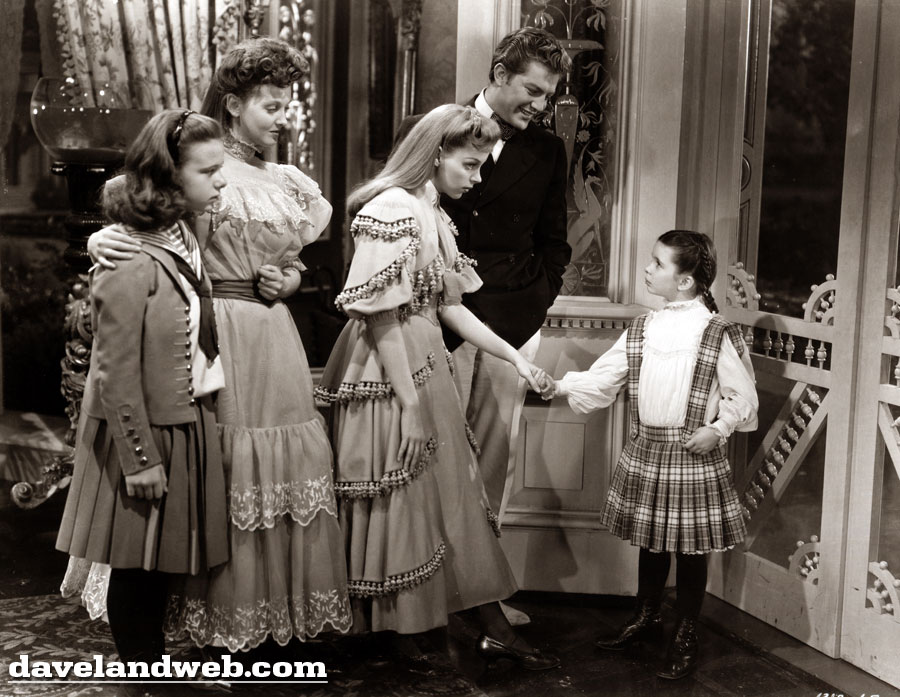
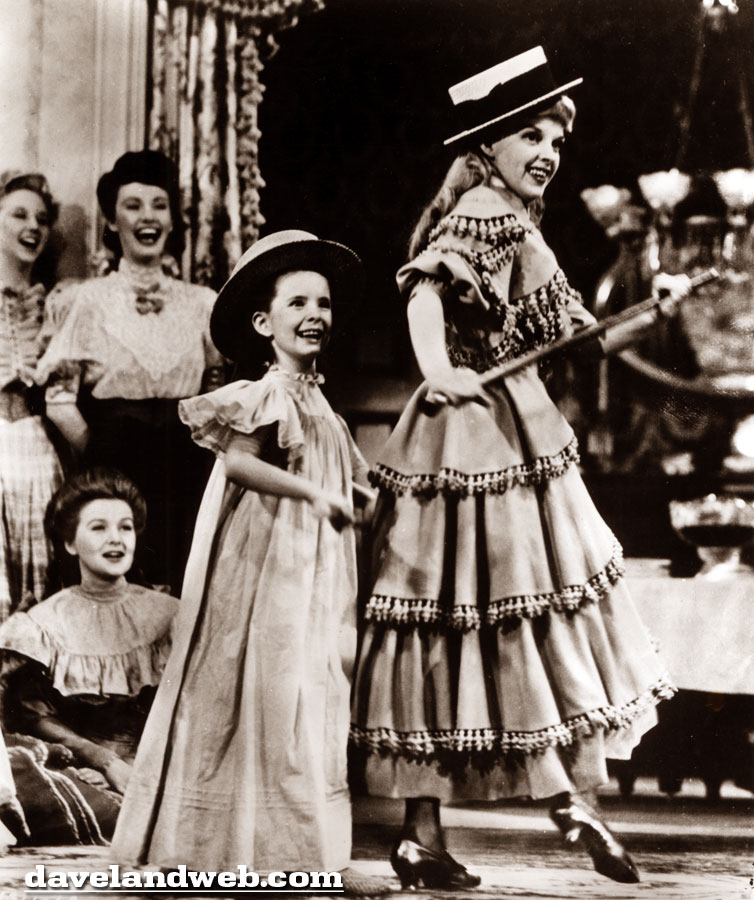
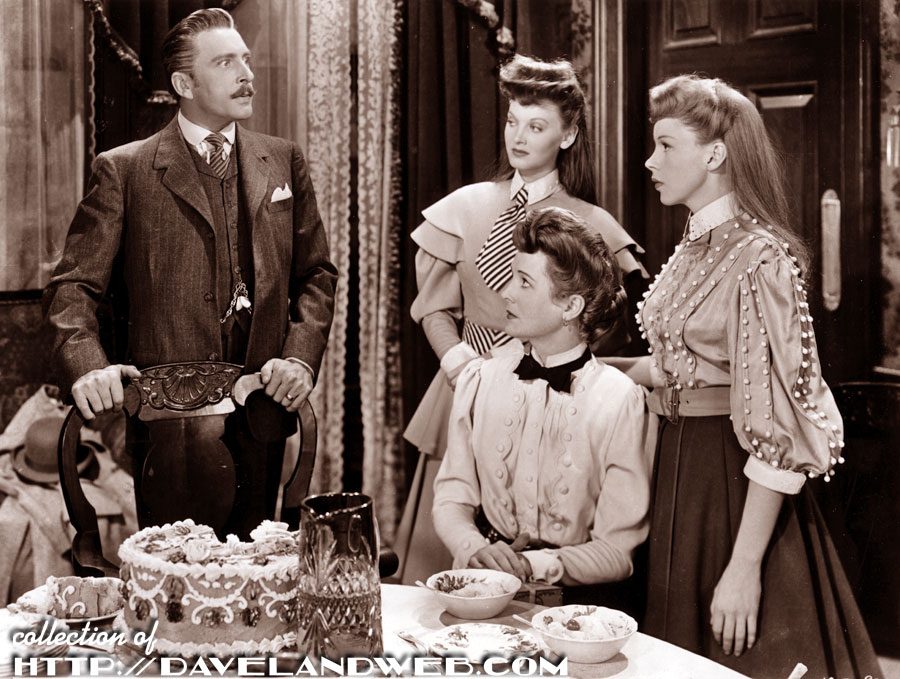
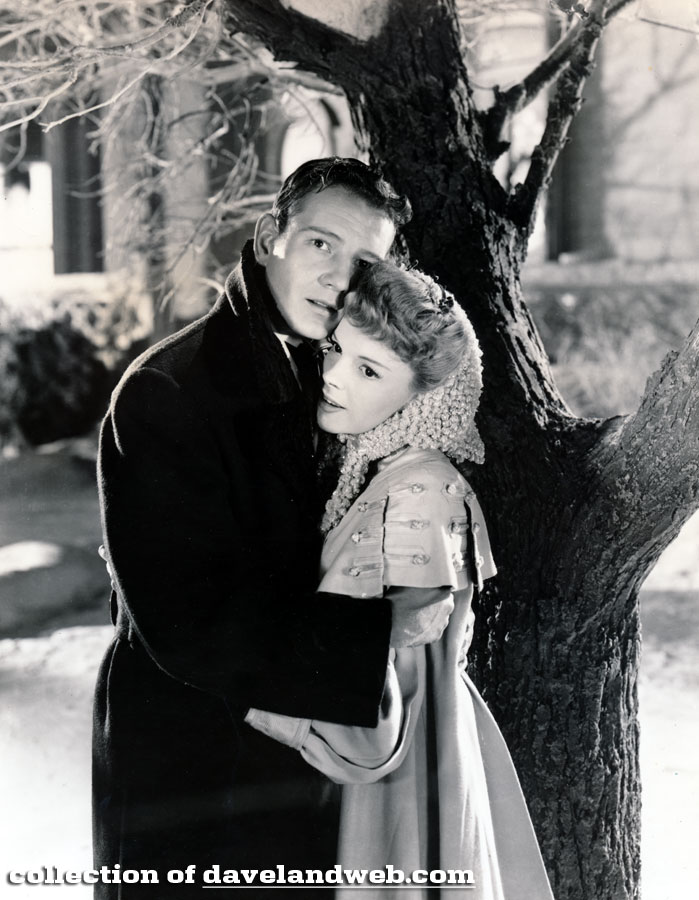
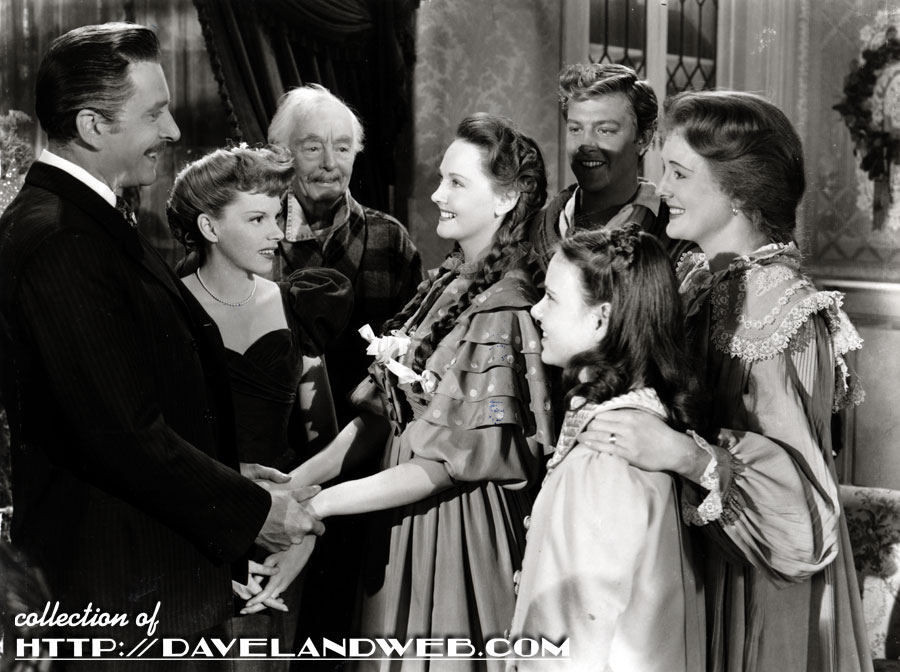
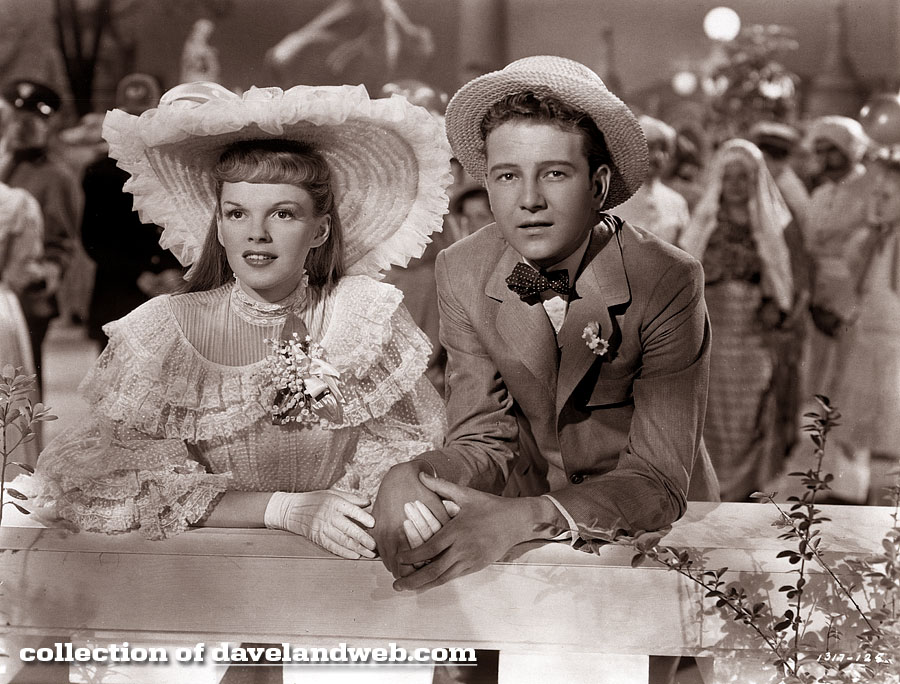
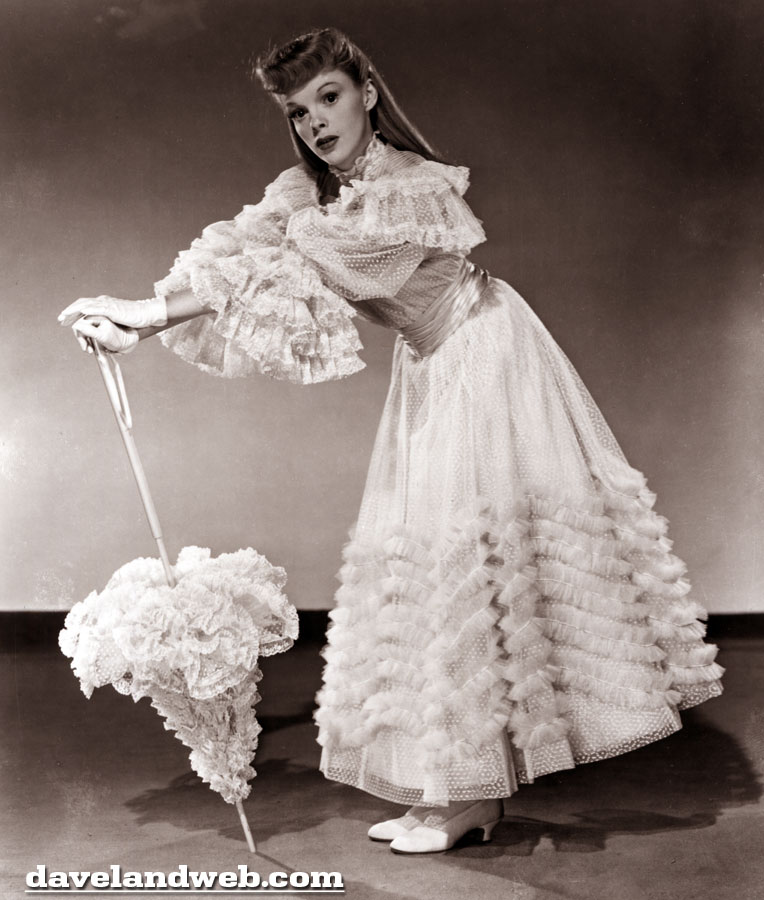
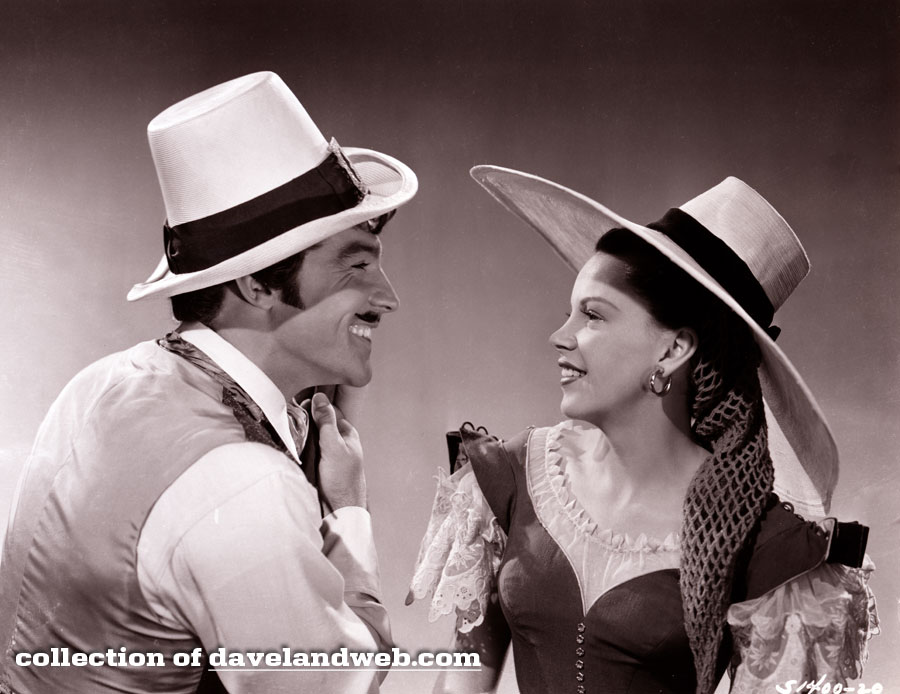
“MEET ME IN ST. LOUIS,” 1944 |
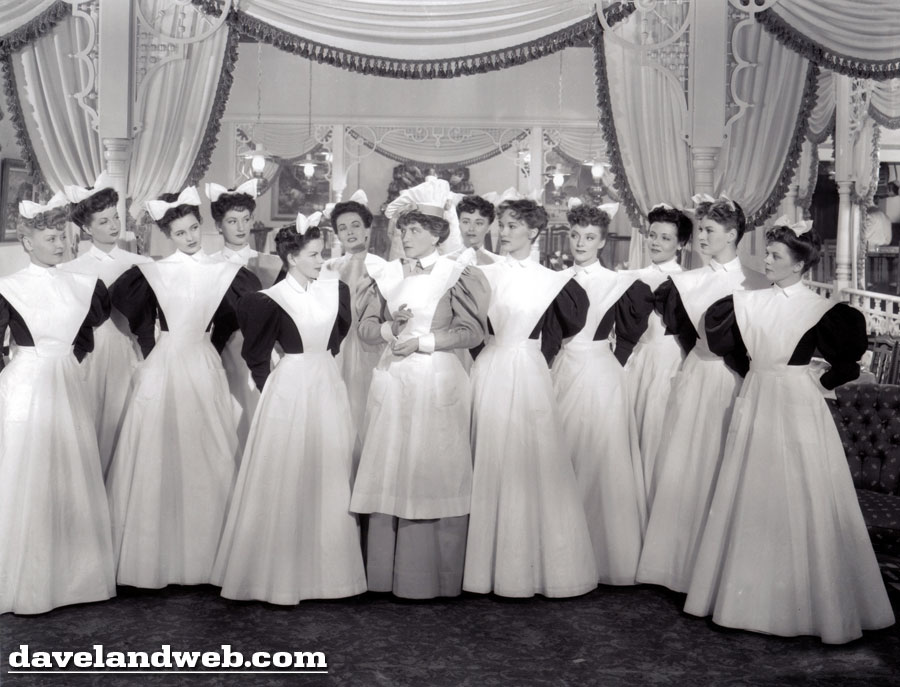
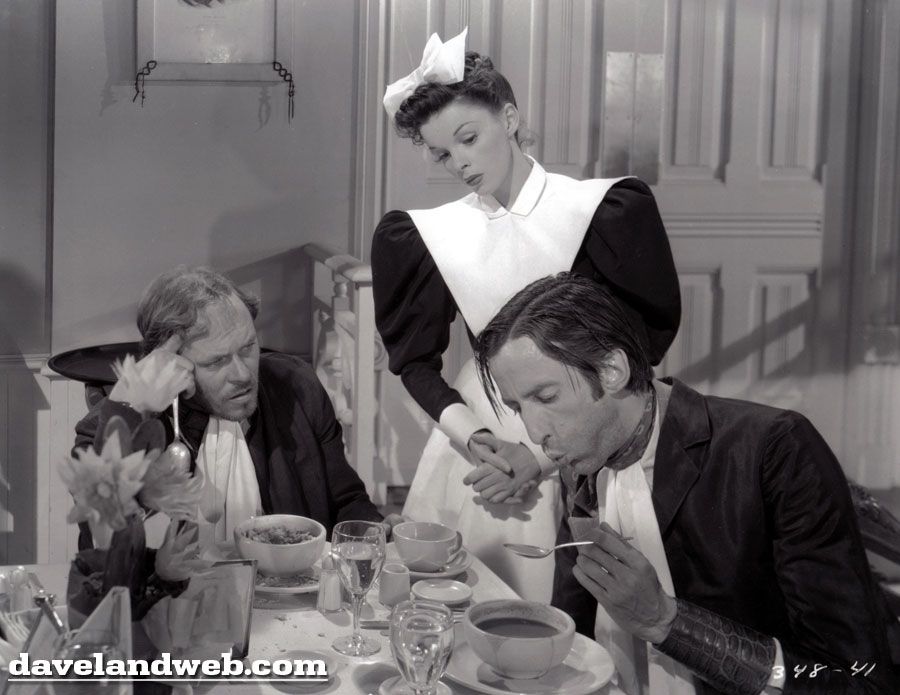
| From the New York Times Film Review, November 29, 1944 by Bosley Crowther Now that the style for family albums in the theatre has been charmingly set by Broadway's perennial "Life With Father," Metro has taken the cue and has turned out a comparably charming movie in virtually the same period style. It is a warm and beguiling picturization based on Sally Benson's memoirs of her folks, "Meet Me in St. Louis," and it came to the Astor yesterday. Let those who would savor their enjoyment of innocent family merriment with the fragrance of dried-rose petals and who would revel in girlish rhapsodies make a bee-line right down to the Astor. For there's honey to be had inside. And it isn't just the clang-clang-clanging of "The Trolley Song" that will ring in your energized ears, despite the rather frightening impression you may have got from the radio. Nor is it, indeed, the musical phases of the film that are most likely to allure. Except for maybe half a dozen numbers which Judy Garland melodically sings—and which had been planted like favors in a bride's cake—this is mostly a straight family lark, covering a year of rare activity in a house heavily peopled with girls. And, as such, it is fraught with such dilemmas as are peculiar to that fair, bewildering tribe. For this is a free and genial recount of events in the home of the Smiths, who are staunchly devoted to St. Louis, during the year 1903-1904. There are long-suffering papa and mama, four daughters, a saucy elder son, grandpa (who is something of a crack-pot) and a tautly tyrannical maid. And the tempests which occur in this large hen-roost derive from such grand necessities as meeting the right boy at the right time and not moving to New York. |
1946—1948 |
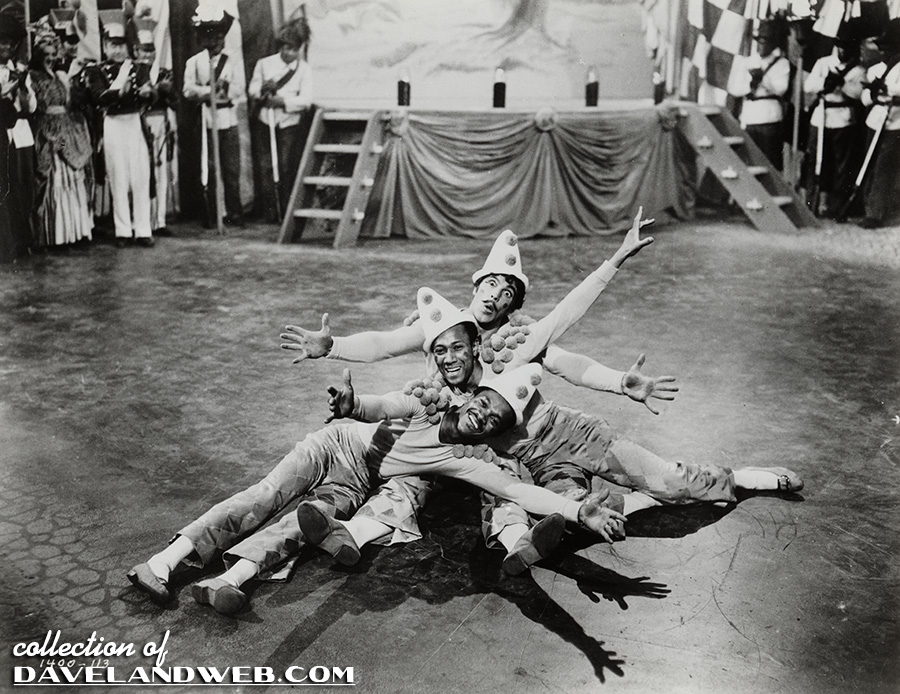
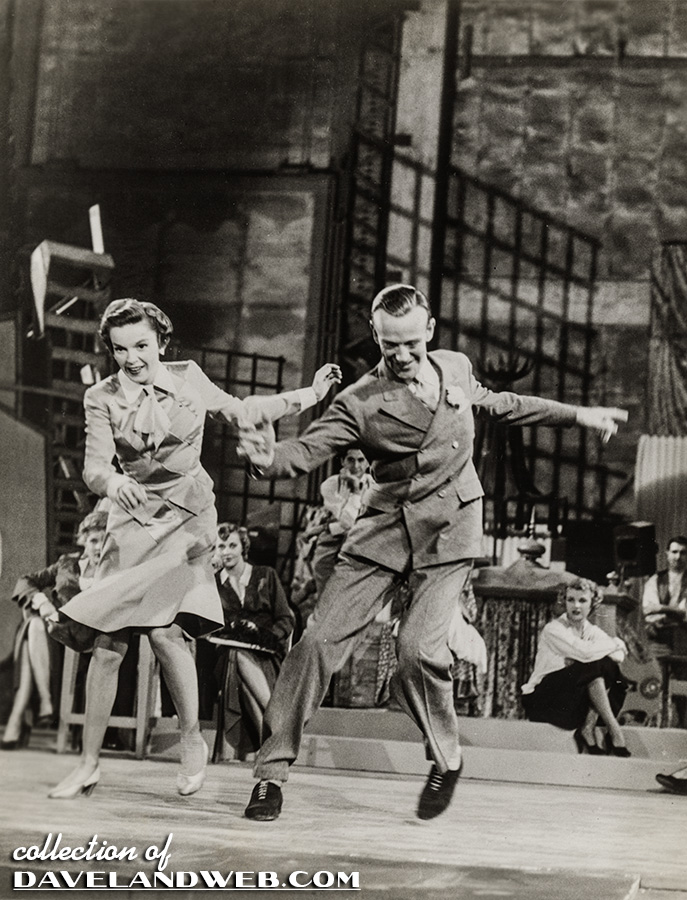
"EASTER PARADE," 1948 |
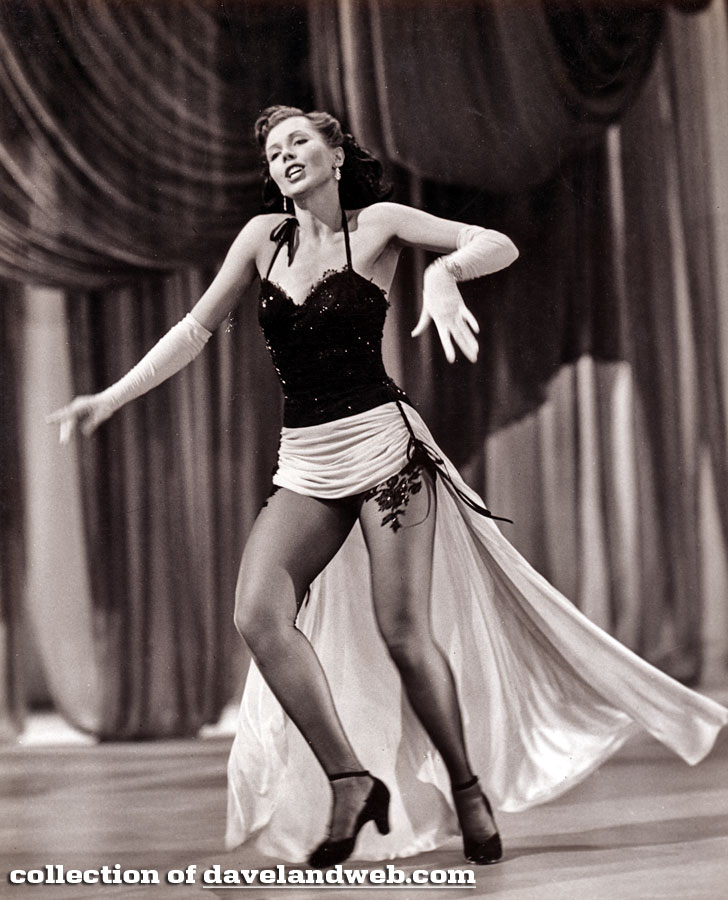
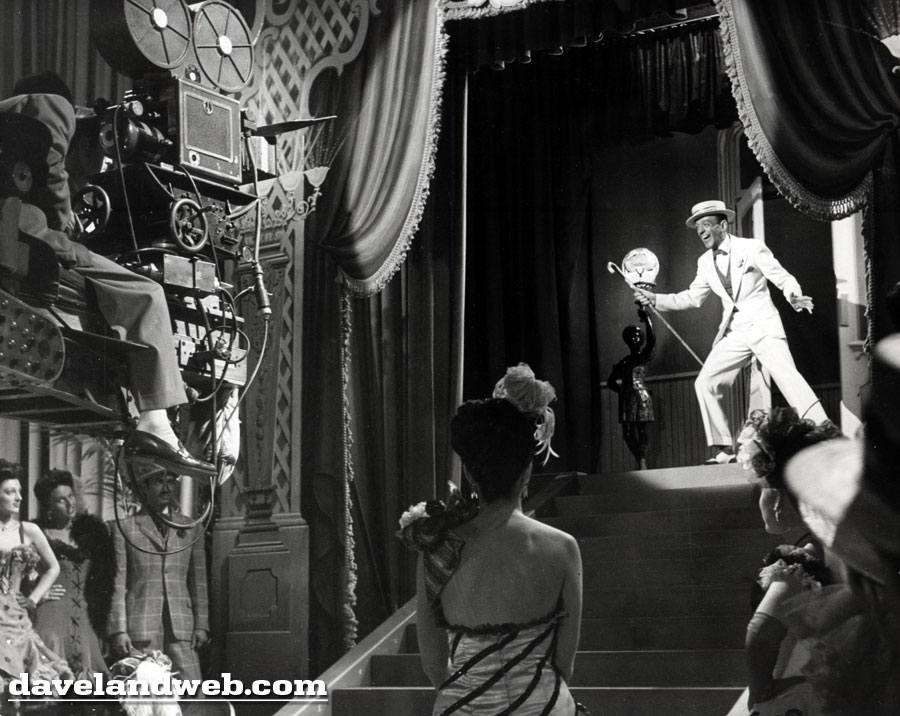
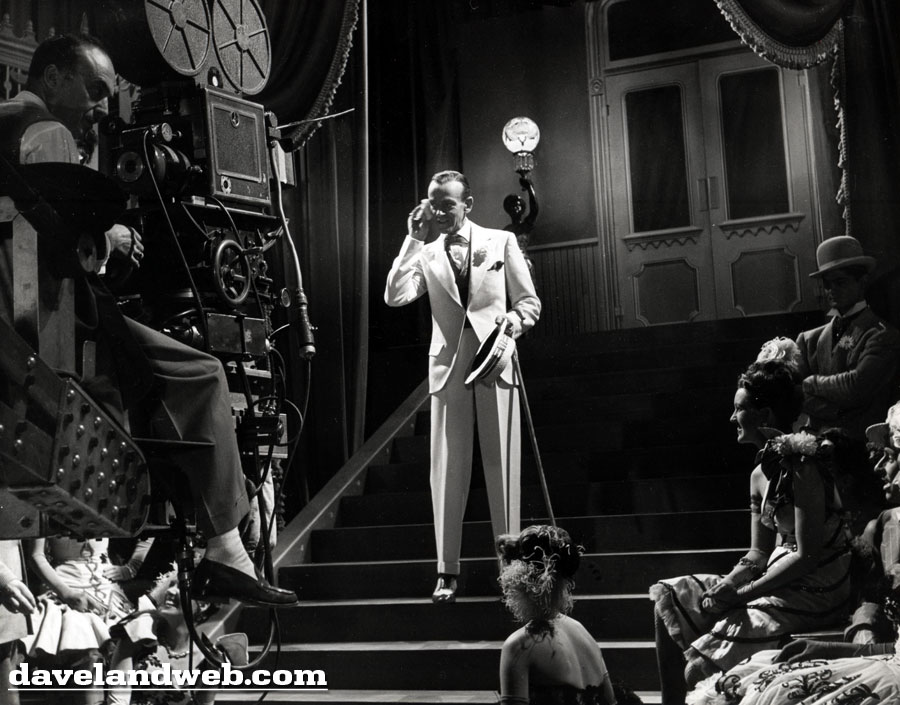
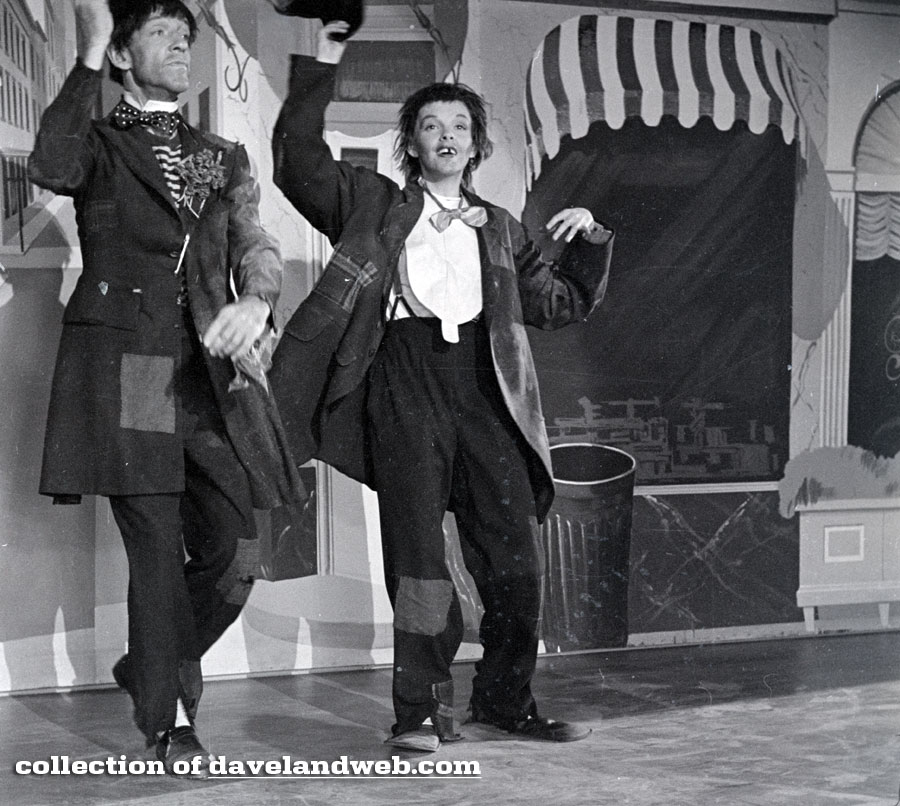
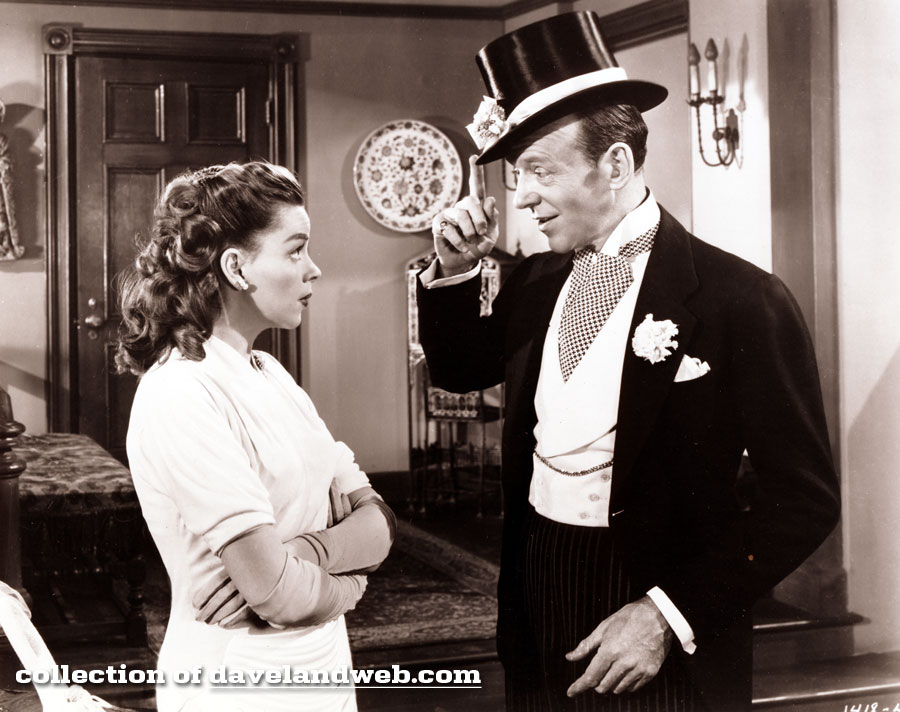
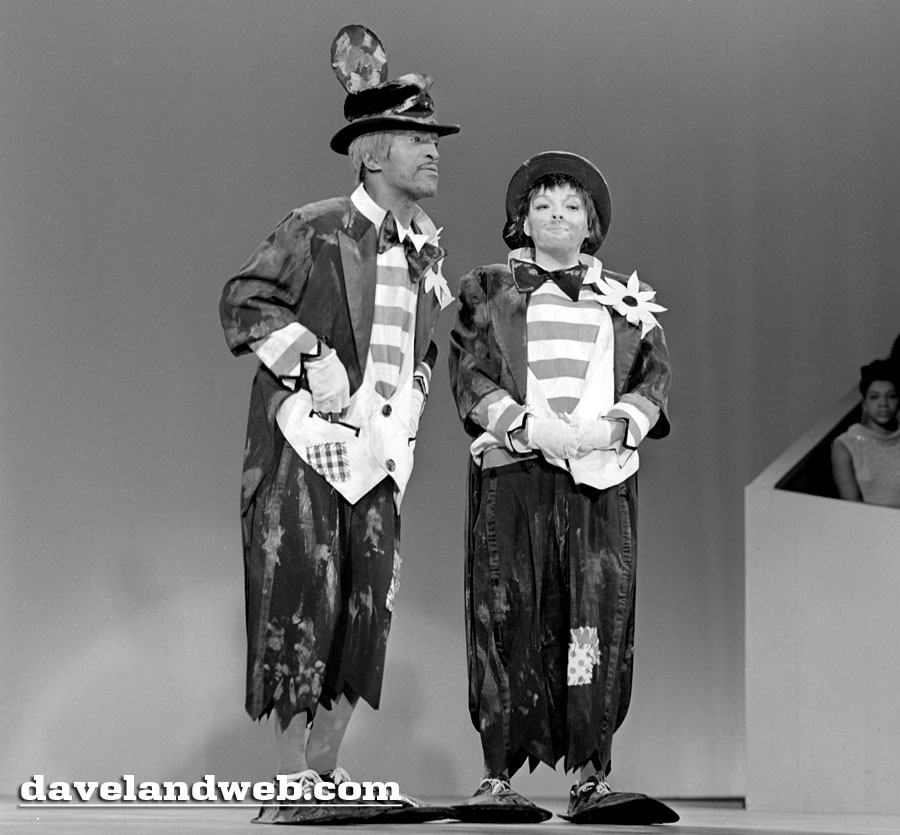
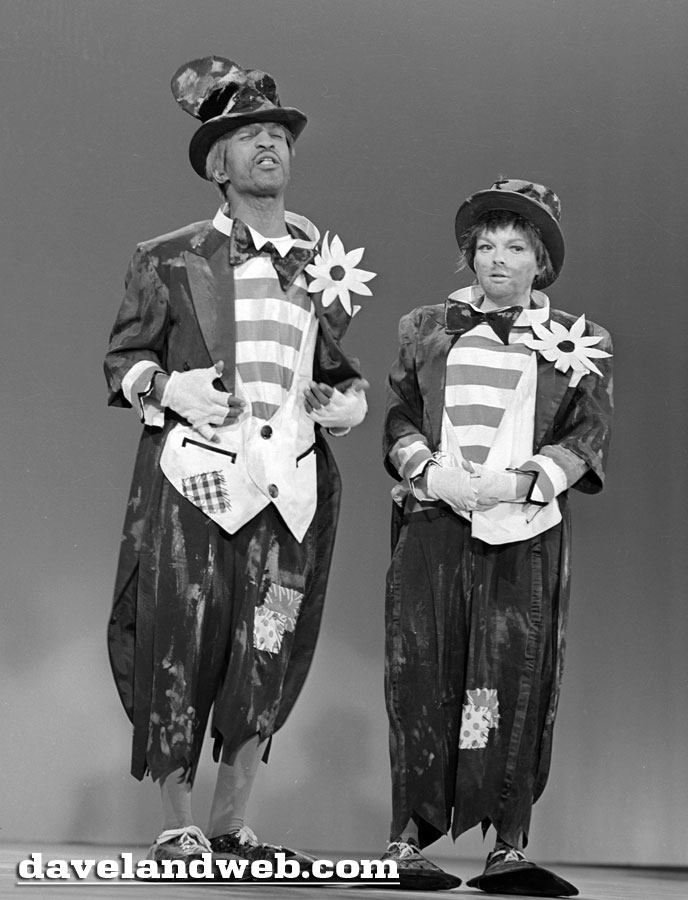
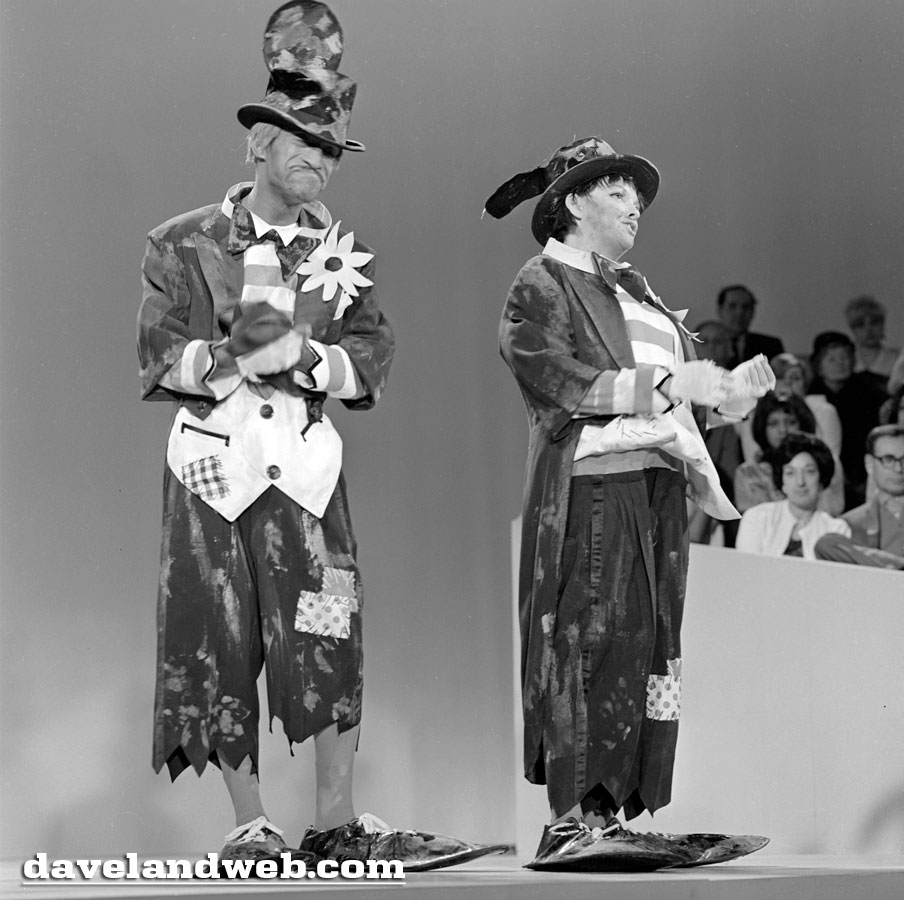
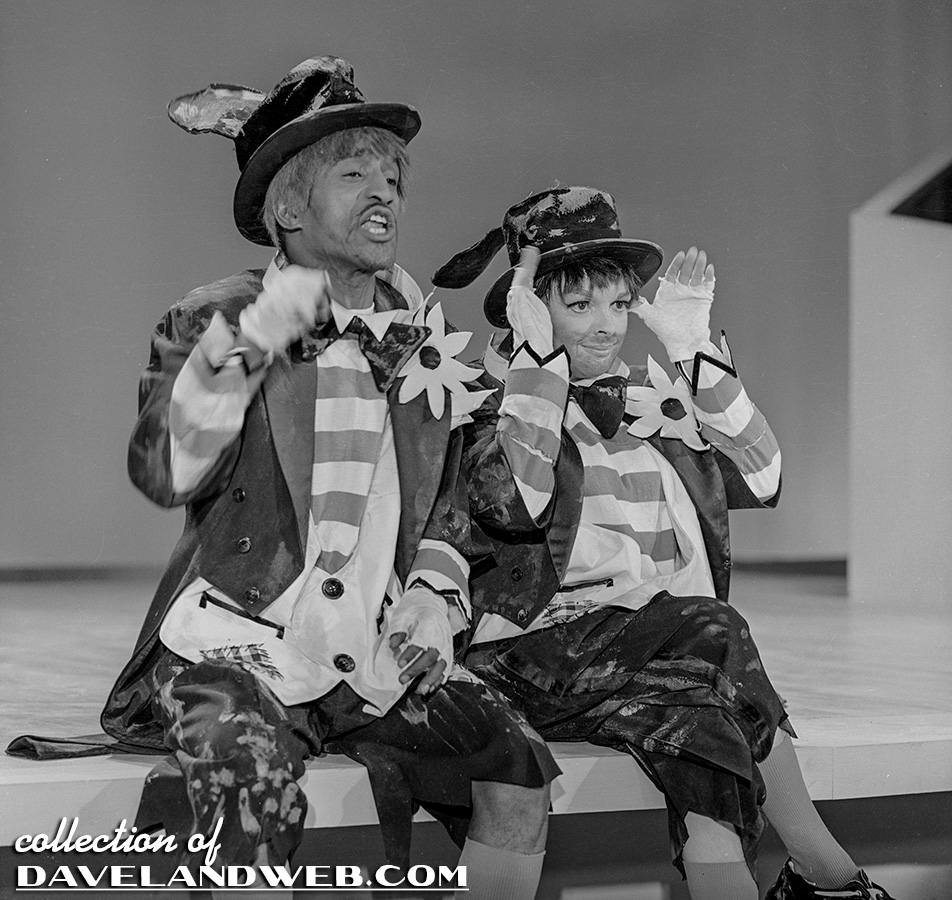
| From the New York Times Film Review, July 1, 1948 With seventeen Irving Berlin songs to record and with Fred Astaire, Judy Garland and Ann Miller itching to exercise their accomplished legs and adequate vocal chords, it's no wonder that the slim story line on which "Easter Parade" is spun is almost completely lost in the shuffle. But don't give that loss a second thought for the new Metro-Goldwyn-Mayer musical, which opened yesterday at Loew's State, is at its best when the boy and girls are on their toes. And since the song and dance routines are plentiful and varied in tempo and design the picture runs its close to two-hour course with only an occasional slip from high to low gear. Fred Astaire, who has no peer, is dancing at the top of his form and let's hope that he'll never again talk about retiring as he did after "Blue Skies," which came out in 1946 and co-featured a singer named Crosby. Maybe Mr. Astaire has turned his feet to more intricate steps in previous pictures, but for sheer simplicity and poetry of motion his dancing in "Easter Parade" would be difficult to equal, much less better. In solo and in tandem with either Miss Garland or Miss Miller the incomparable Astaire glides effortlessly through numerous routines. His opening number, dancing out an Easter shopping mission for his sweetheart, is gay and debonair and involves an intriguing contest with a small boy in a toy shop over the possession of the last remaining stuffed bunny. If the screen play were something more original than a conventional backstage romance, "Easter Parade" easily could have been a great musical instead of just a good one. For Mr. Astaire also is acting with consummate naturalness and the warmth of his personality more than compensates for some of the dog-eared things the script has him do. Although Judy Garland gets the top billing, she also gets stiff competition from the long-legged Ann Miller, who does an especially graceful ballroom dance with the master. Miss Garland is a competent trouper, nimble on her feet and professionally sound vocally, but somehow we feel that Miss Miller pairs better with Astaire. Technicolor and Irving Berlin's score, including seven new songs, serve as sturdy props. The camera colors are particularly soothing and the music is always pleasant, though it might be mentioned that the new numbers are not each as fetching as "A Couple of Swells." The last is one of the best numbers in the show, with Astaire and Miss Garland decked out in rag-tag splendor. It provides a sprightly and engaging prelude to the finale, which finds Miss Garland an object of attention in the "Easter Parade" just as Astaire promised her she would be when he took her out of a cabaret chorus the year before after his partner deserted him for a Ziegfeld show. The straight performers in "Easter Parade" are few, but Peter Lawford is pleasant as the fellow who is around when the principals chose to misunderstand each others romantic intentions, and Jules Munshin has a very funny routine as a dining-room captain with a secret salad formula. "Easter Parade" may not strike the perfect balance between song-dance interludes and story, but it's an appealing show just the same. |
"IN THE GOOD OLD SUMMERTIME," 1949 |
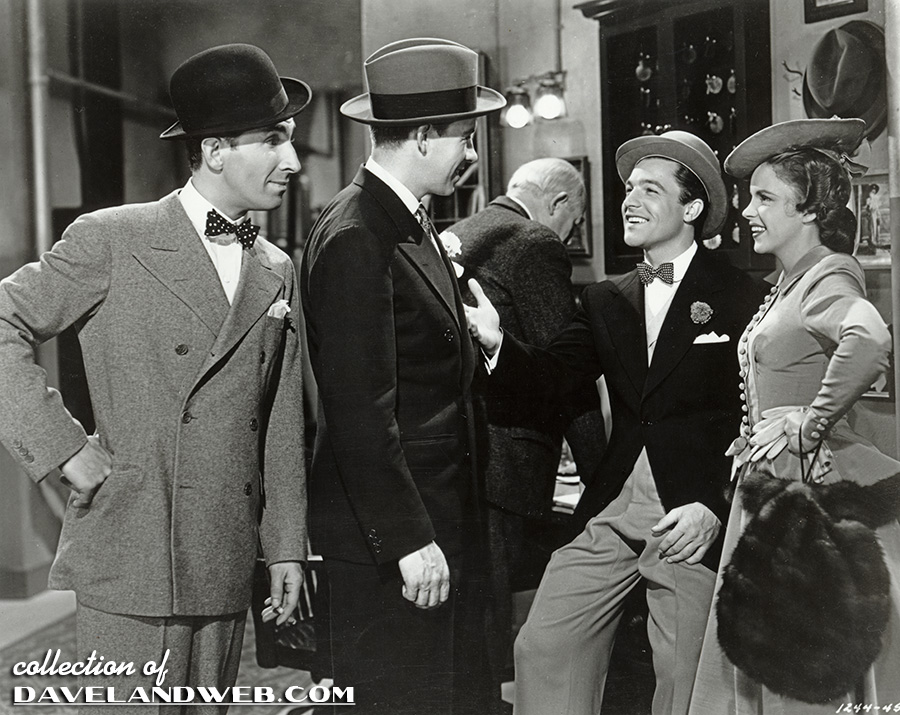
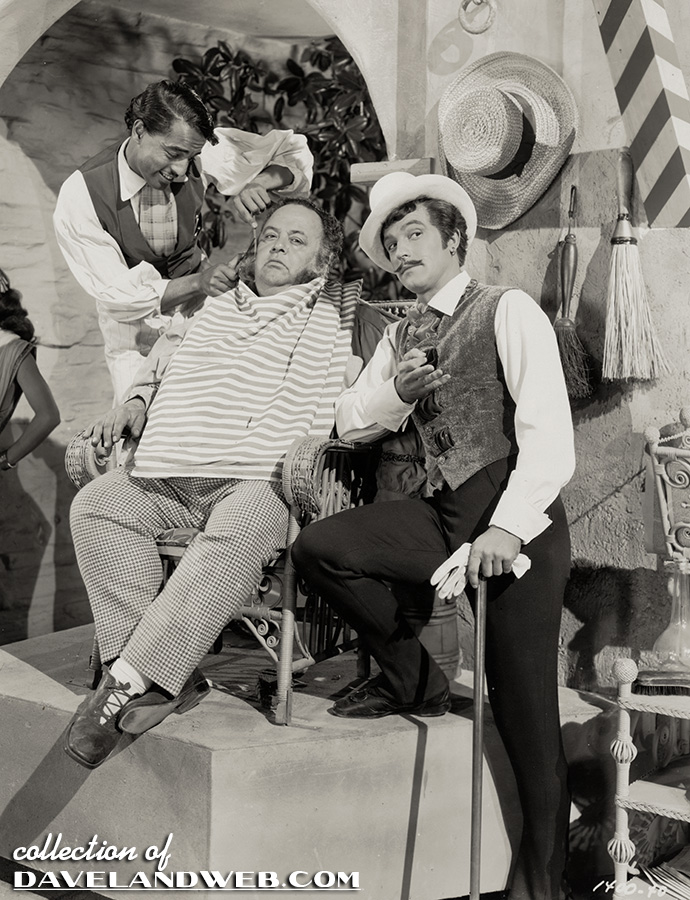
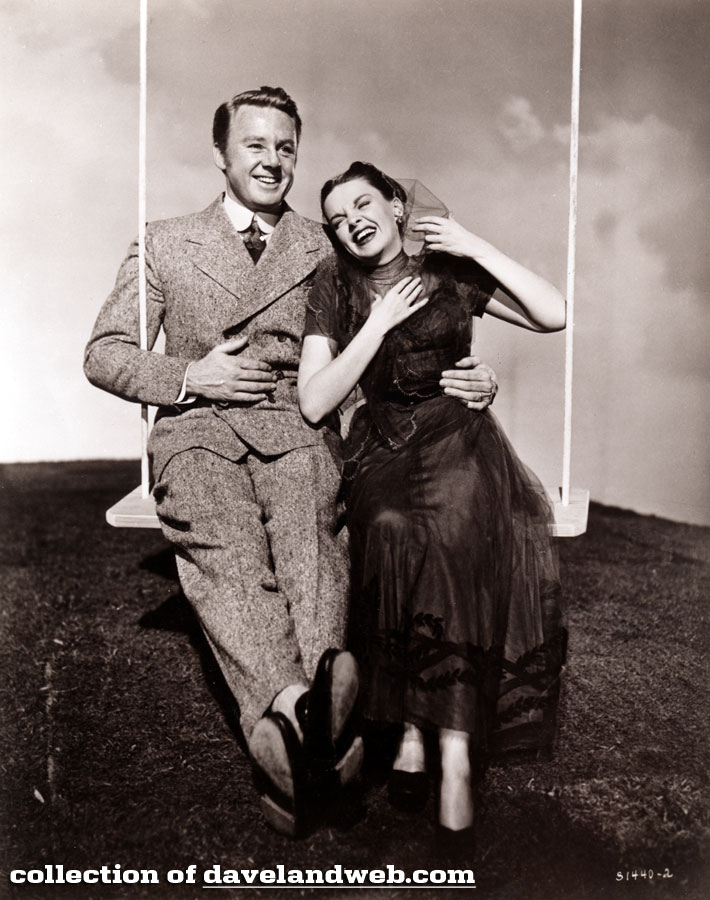
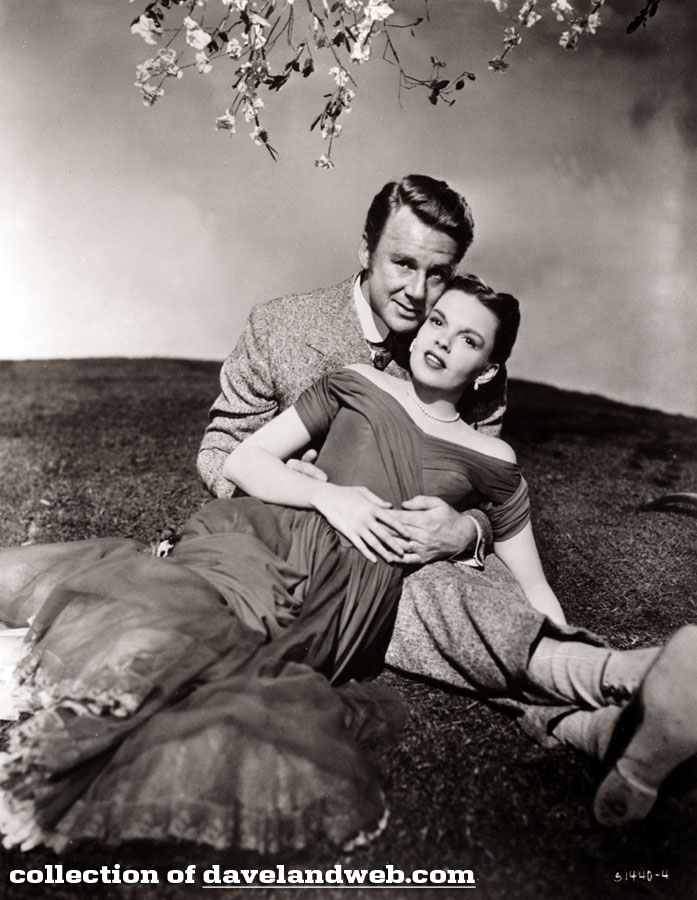
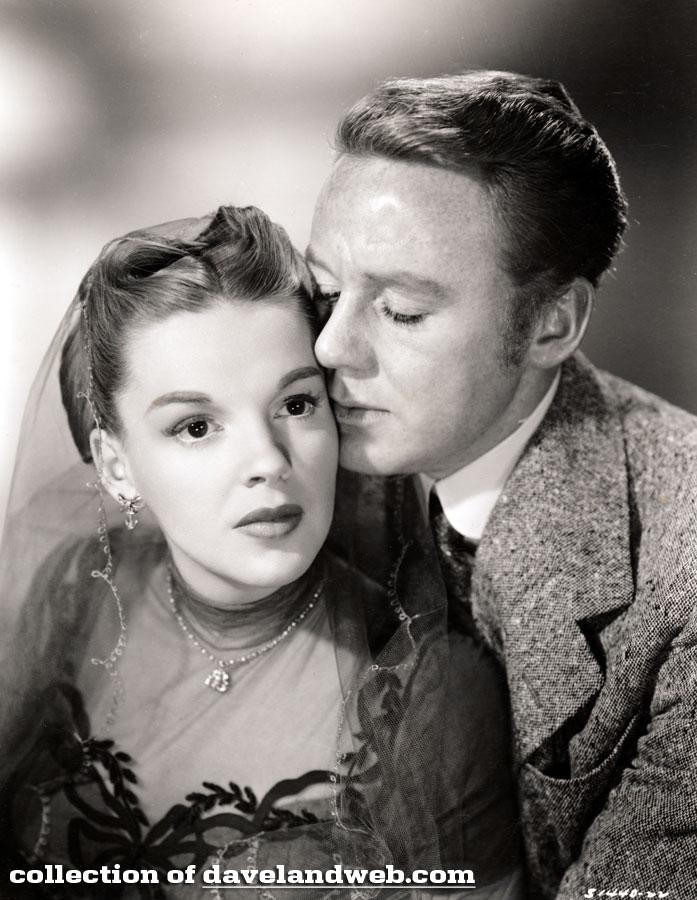
| From the New York Times Film Review, August 5, 1949 Not the least of the wonderful surprises to be experienced at the Music Hall via Metro's "In the Goo Old Summertime" is the fact that most of this delightful comedy-romance is played against an inviting snowy background. Framed in soft Technicolor tones and exuding friendliness to a degree that is irresistible, this latest reworking of the Miklos Laszlo play, "The Shop Around the Corner," is a happy occasion indeed. Everybody associated with its filming must have been touched by the magical, wispy charm of the work because there is an air of gaiety and wholesomeness about "In the Good Old Summertime," which defies specific description. Even though the four scenarists who revamped the play have used only a thread of the original idea, Mr. Laszlo should not feel unhappy. For the spirit of his creation not only remains as the dominating influence, but appears to have been improved. There is enough to delight the whole family in this picture. For the oldsters there is a chucklesome and tenderly affectionate romance between S. Z. Sakall of the cherubic mien and the charming Spring Byington. For the young in heart and the "in-betweeners" there is a happily tempestuous relationship involving Judy Garland and Van Johnson. They are the "Dear Friends" of a correspondence romance who work together in a music shop without the faintest suspicion of their mutual dream world admiration. Fact is, these two have quite a job just trying to be civil in their working association. Sorry, but we've just about let the whole plot slip out in those few sentences, for that double-angled boy-meets-girl device is the tenuous structure on which "In the Good Old Summertime" rises to grand scale entertainment proportions. The fun and the charm of the picture is primarily sustained by the attitudes of the players in face of minor crises and incidental bits of business which just seem to happen with consumate naturalness. All of which would, of course, be rendered flavorless by being taken out of proper sequence for synopsizing purposes. Miss Garland is fresh as a daisy and she sings a number of nostalgic songs in winning fashion. In fact, her slightly amusing and free-wheeling interpretation of "I Don't Care" brought a burst of applause, which is not a common tribute in a movie house. Van Johnson, too, is playing like a man inspired and reveals a captivating personality which somehow had escaped us before this. Mr. Sakall's fluttery, temperamental outbursts, modulated to a fine point, are just what his role called for as the music shop proprietor who has loved his secretary (Miss Byington) for twenty years. Buster Keaton, Clinton Sundberg, Marcia Van Dyke, Lillian Bronson and the anonymous quartet of mustachioed gents who accompany Miss Garland in "Play That Barbershop Chord" are wonderfully right, too. In fact, "In the Good Old Summertime" is a wonderfully rich entertainment. |
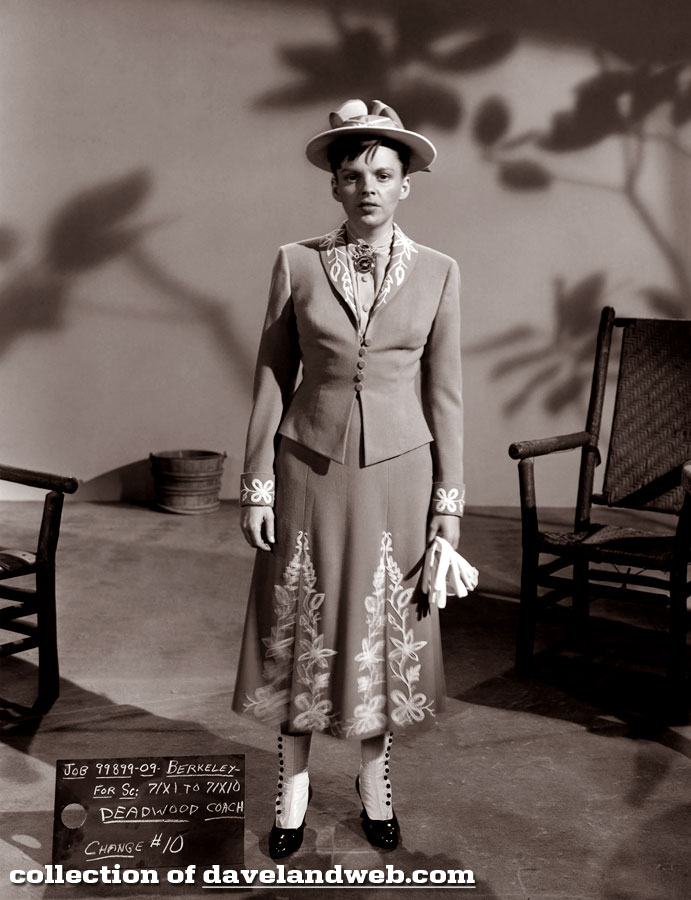
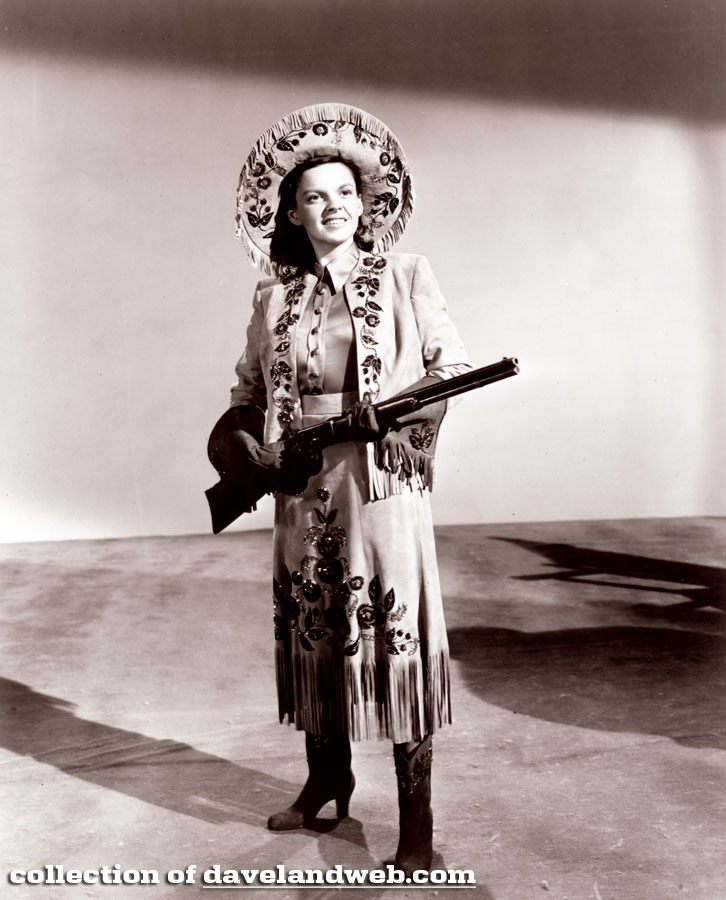
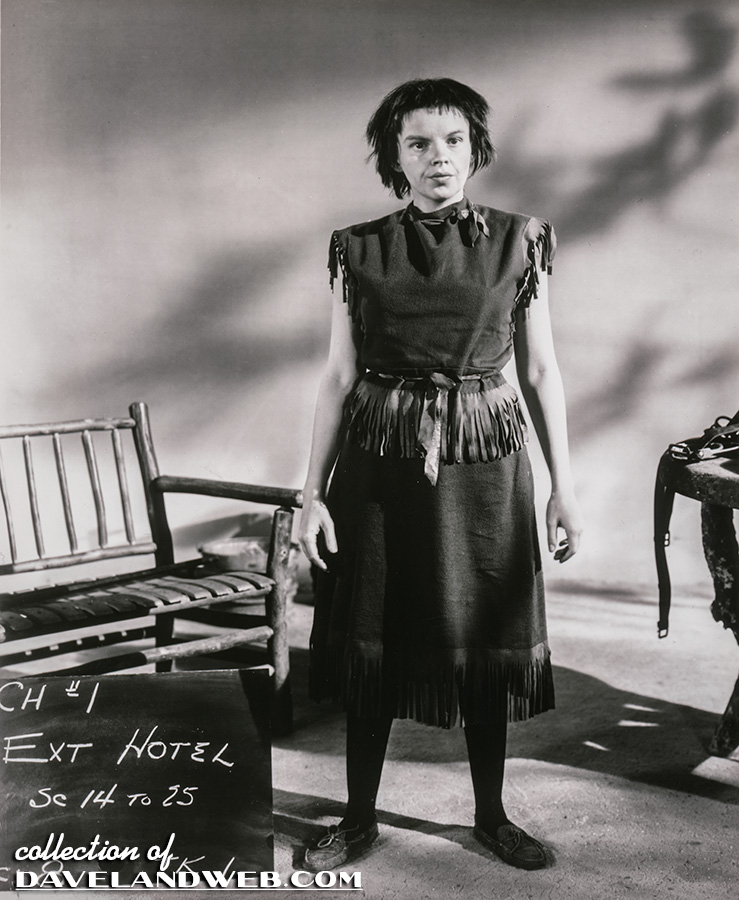
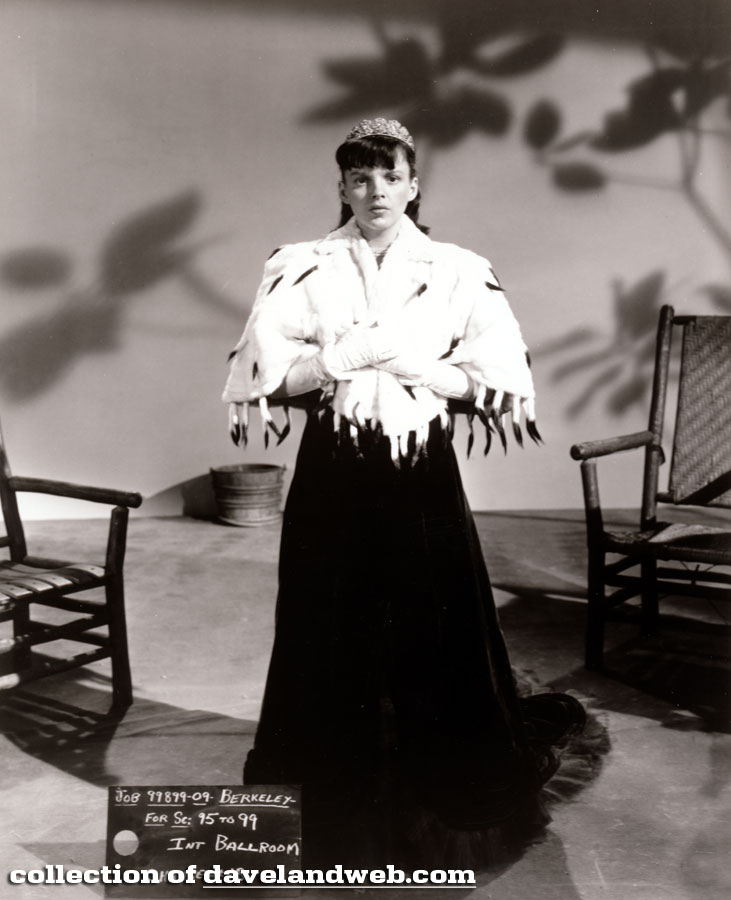
"ANNIE GET YOUR GUN," 1949 |
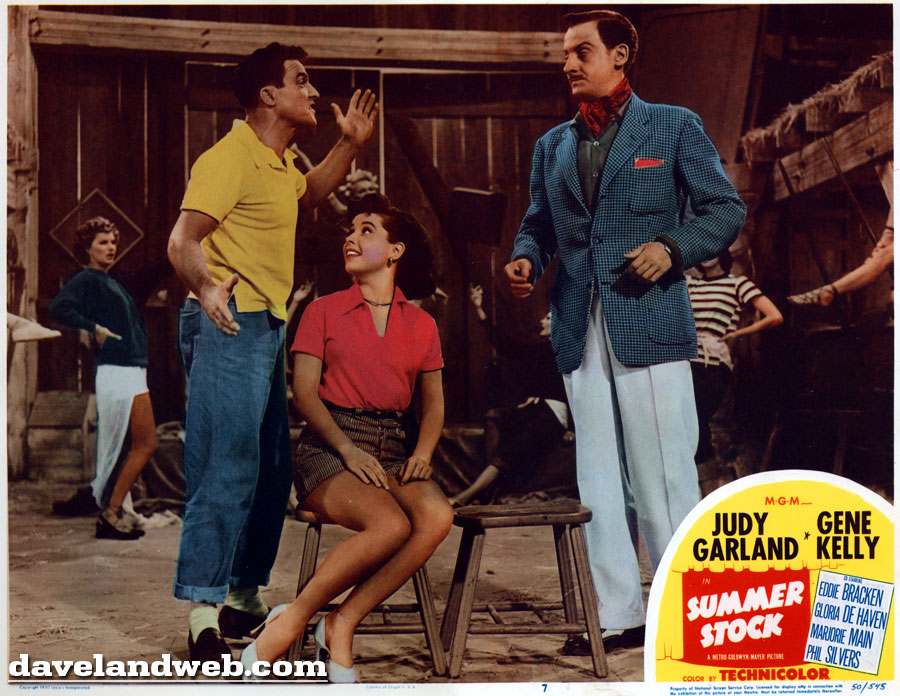
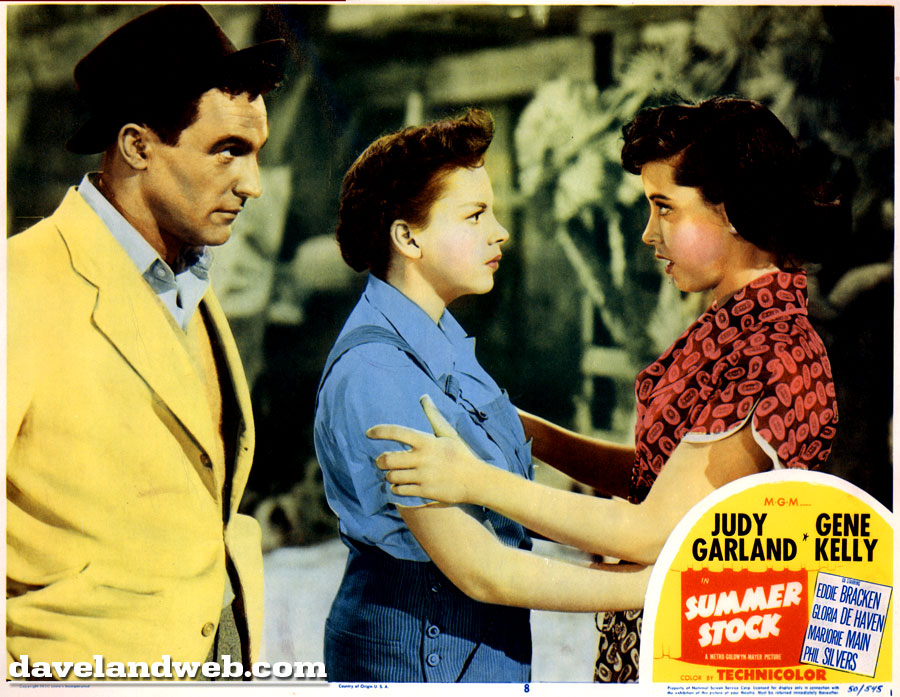
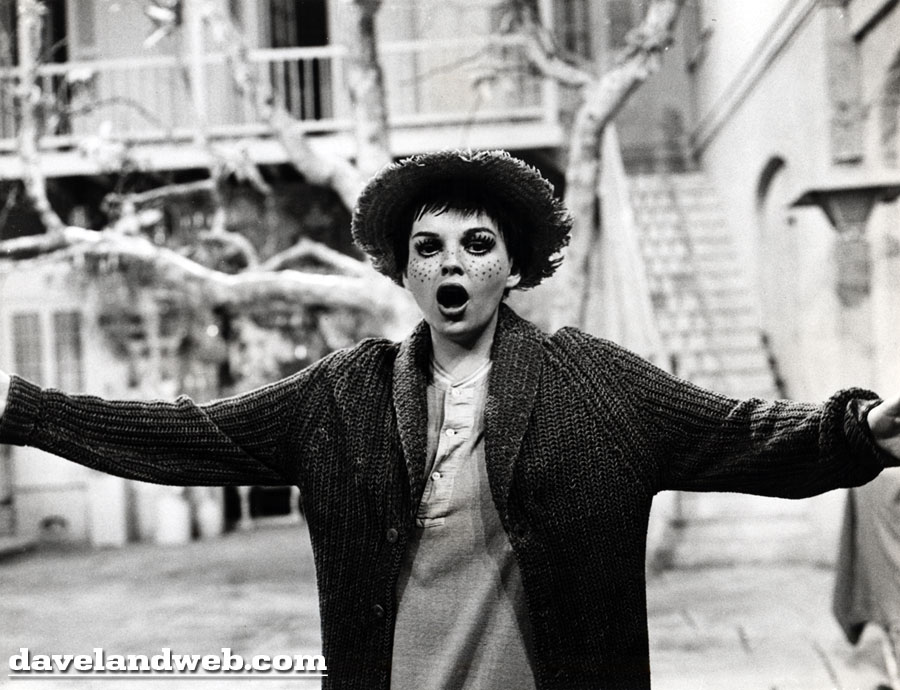
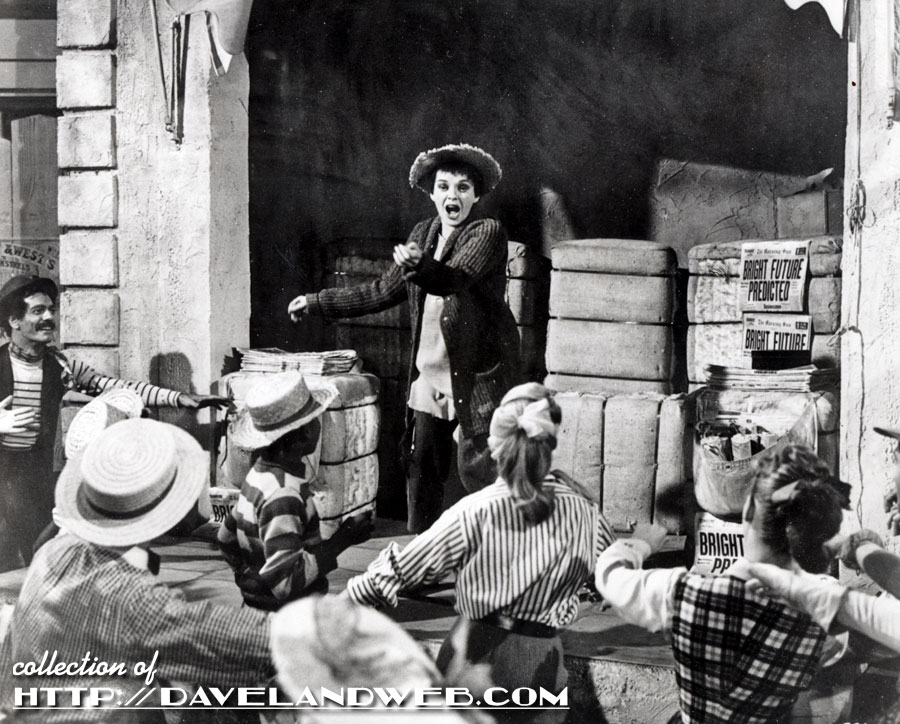
“SUMMER STOCK,” 1950 |
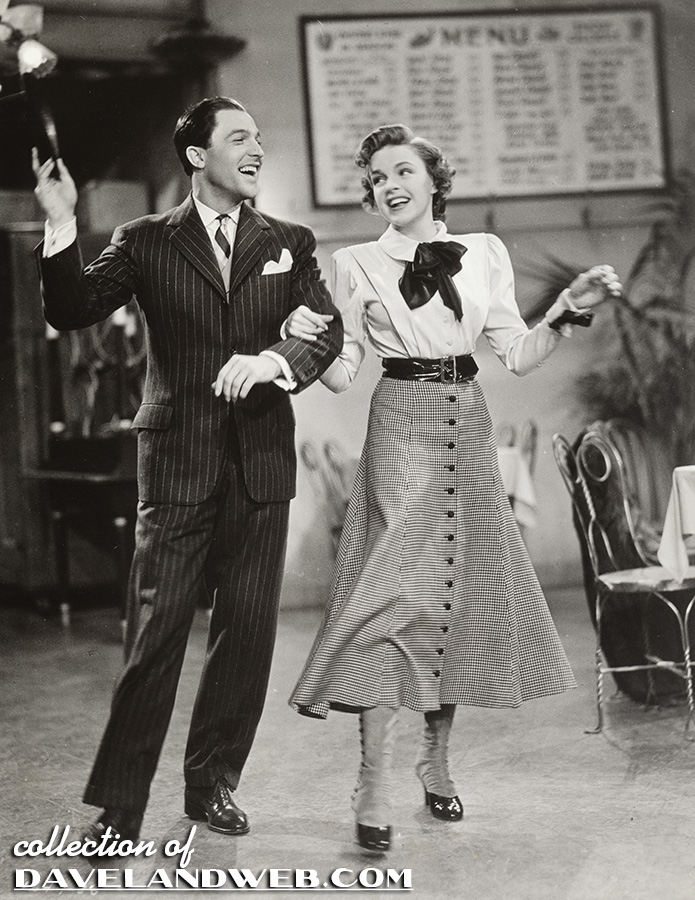
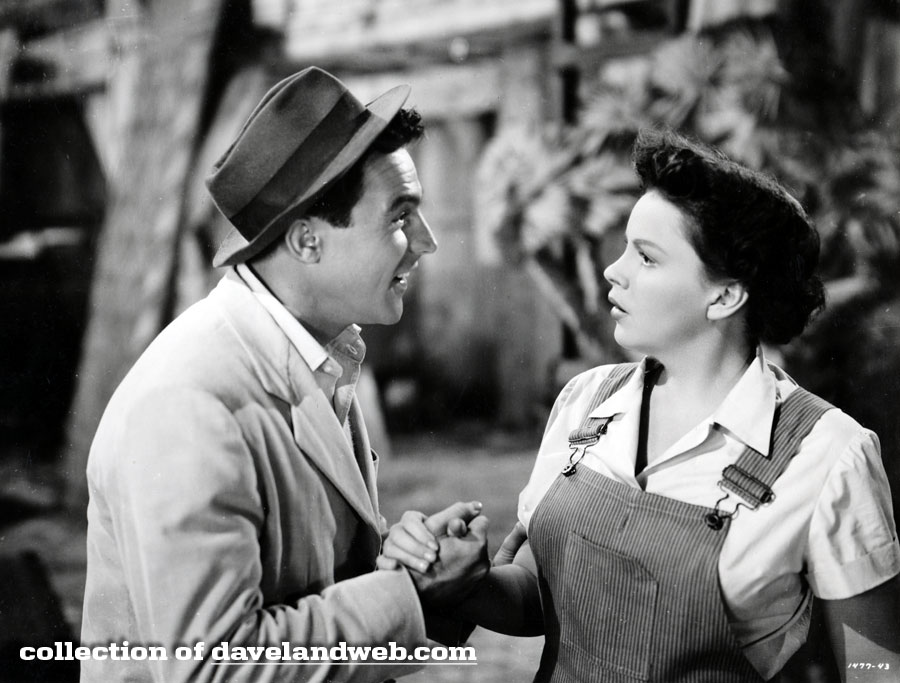
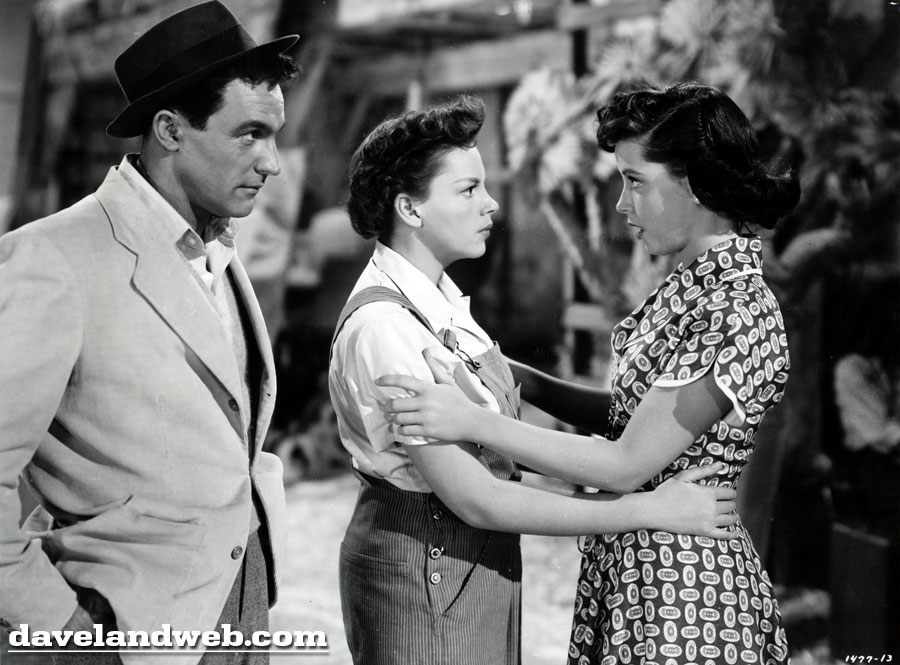
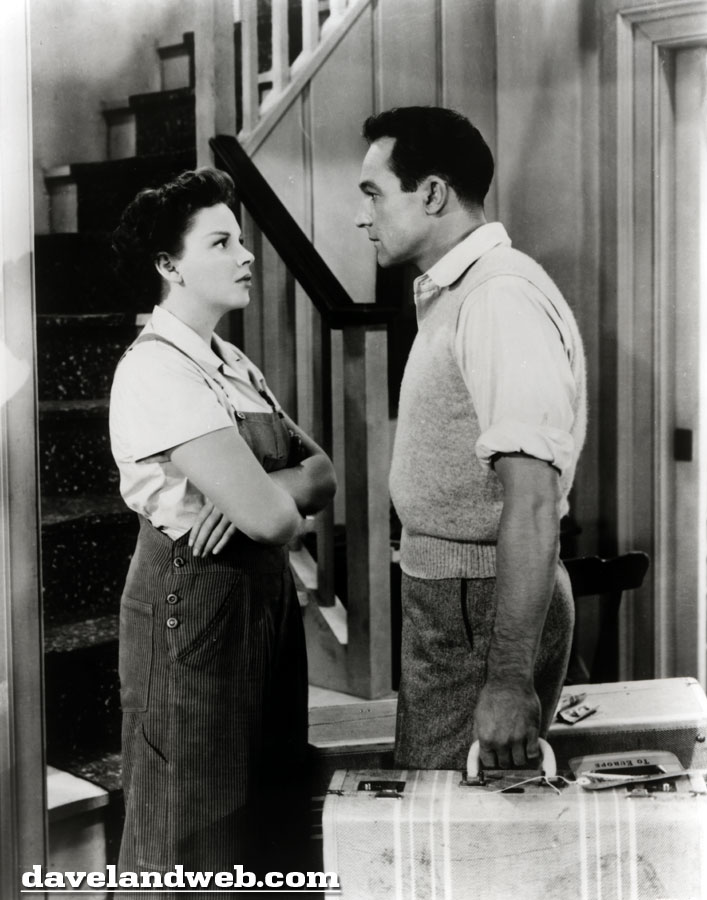
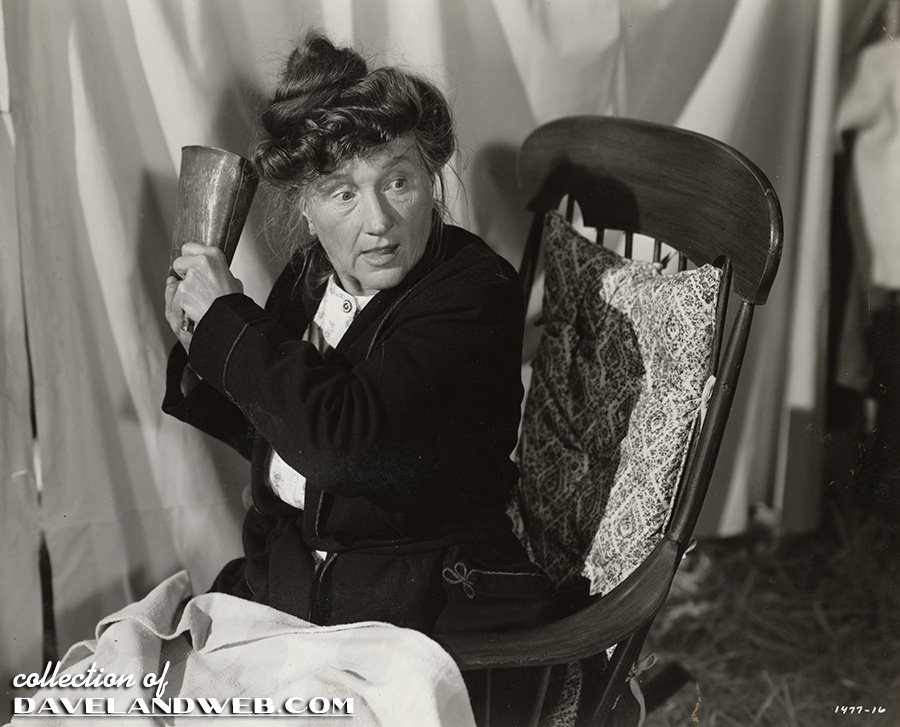
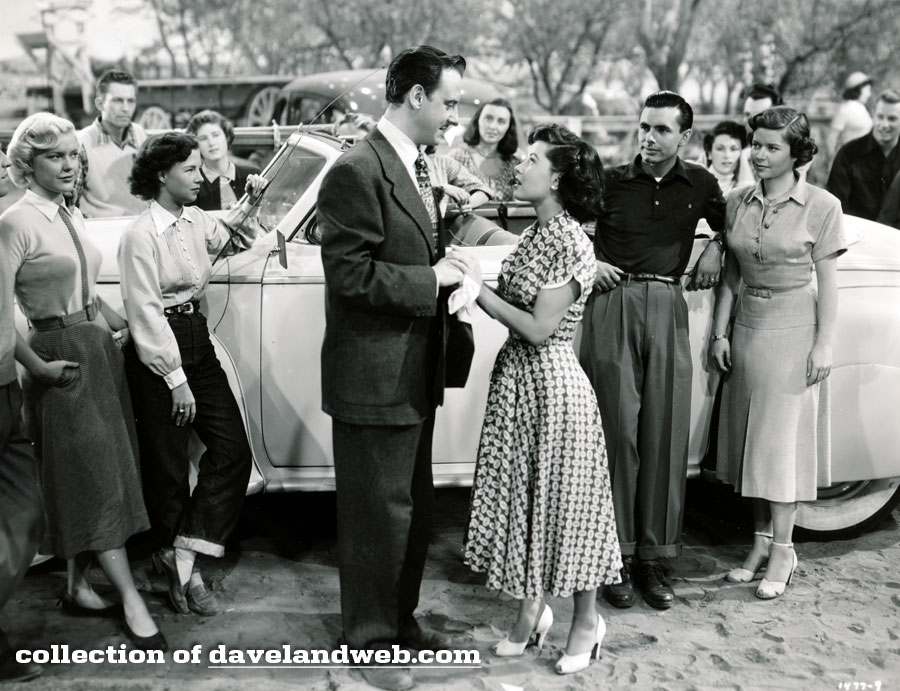
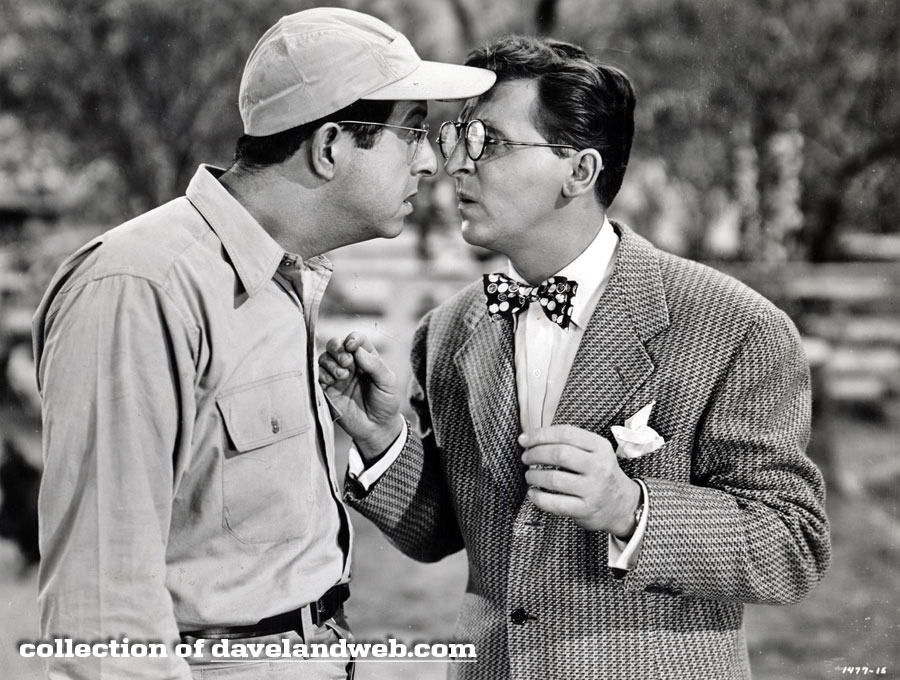
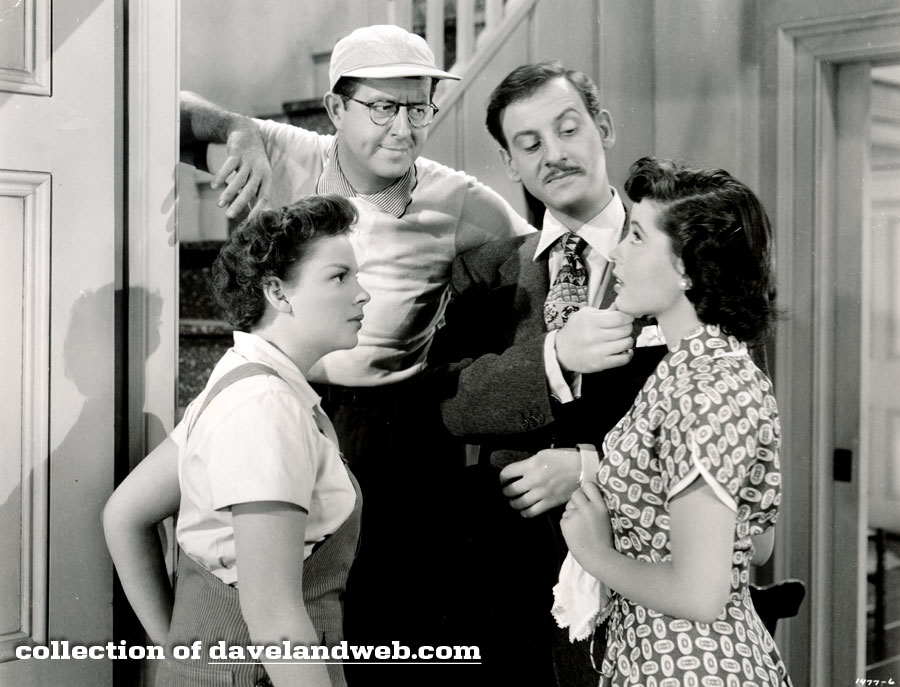
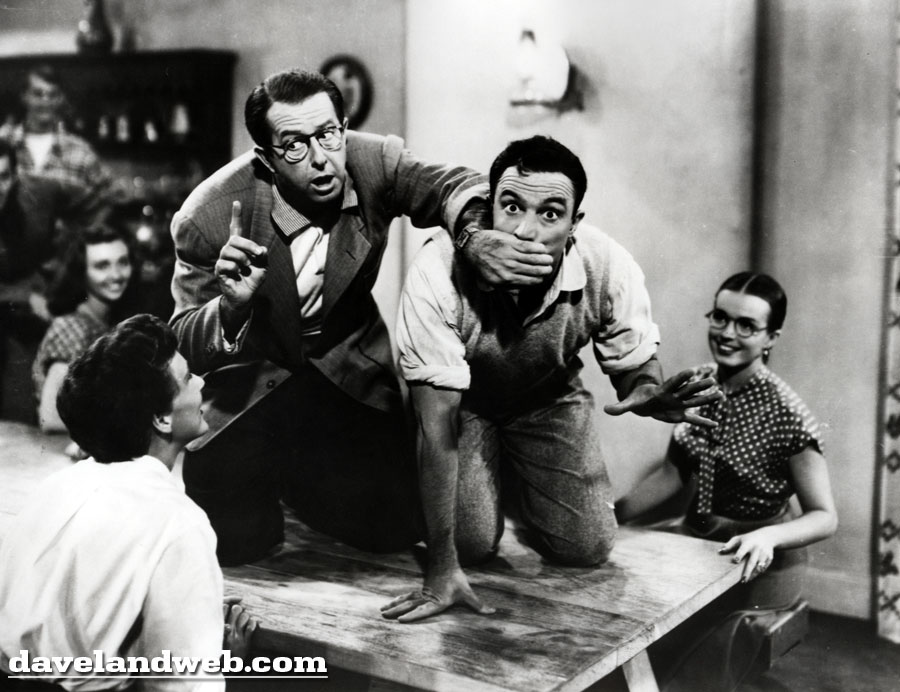
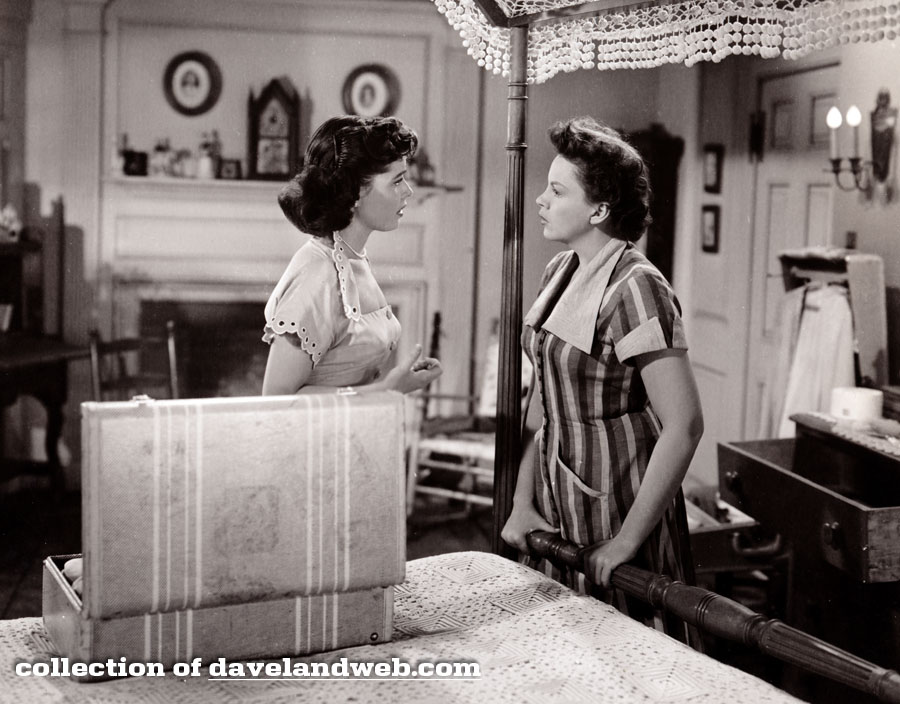
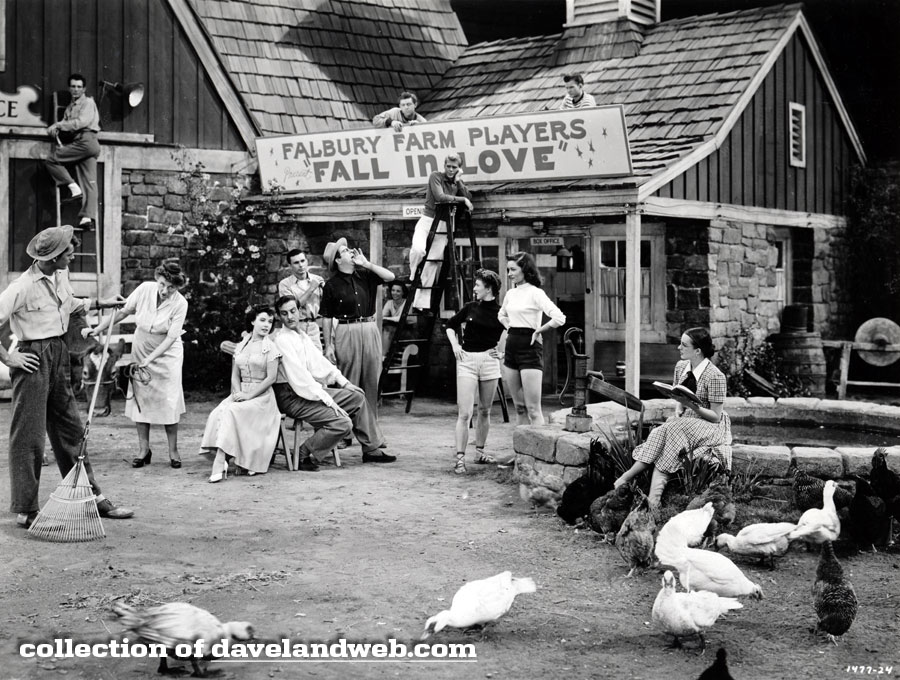
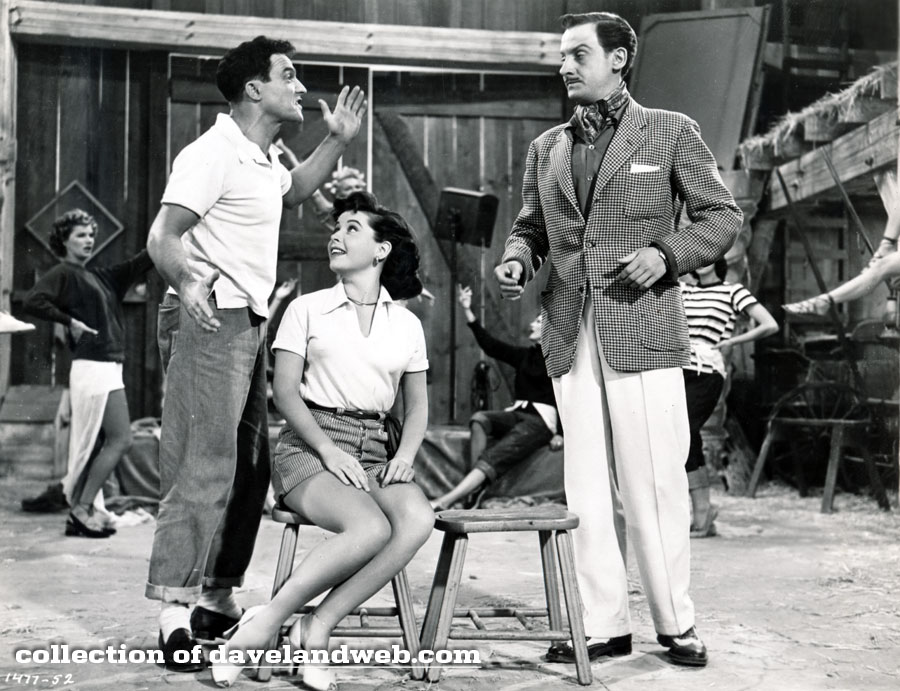
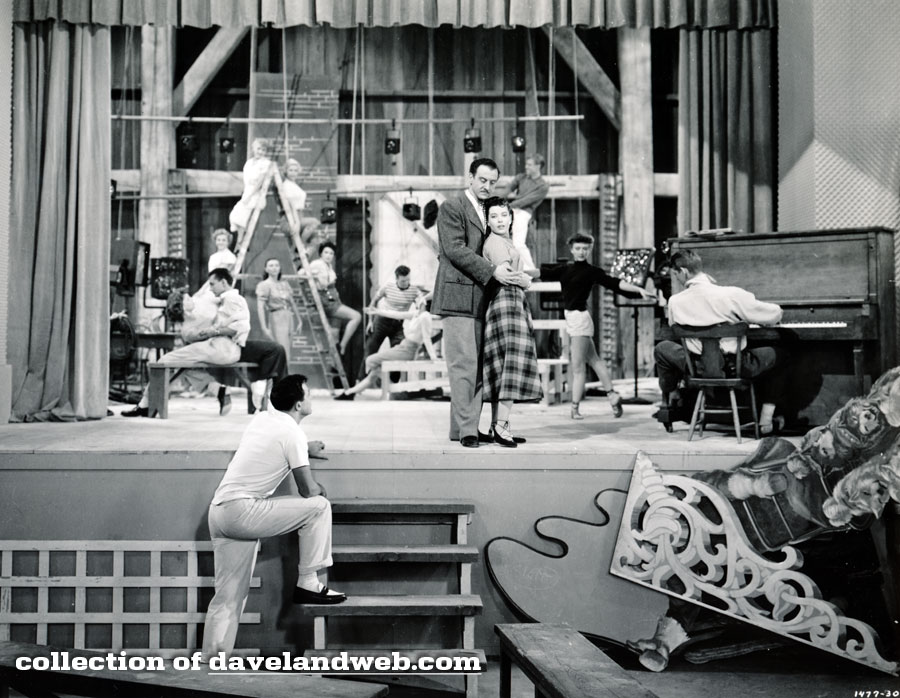
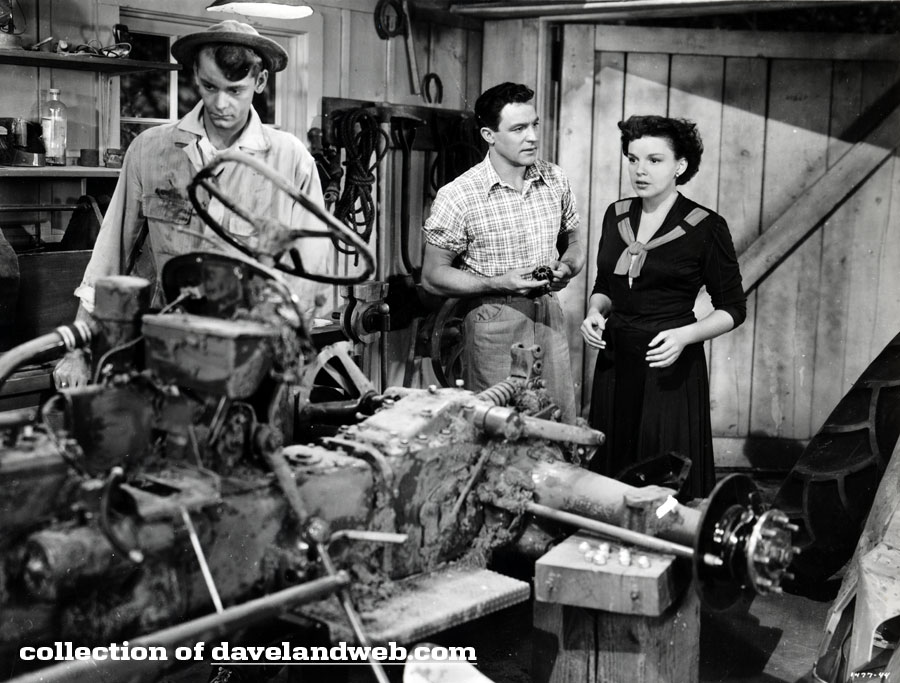
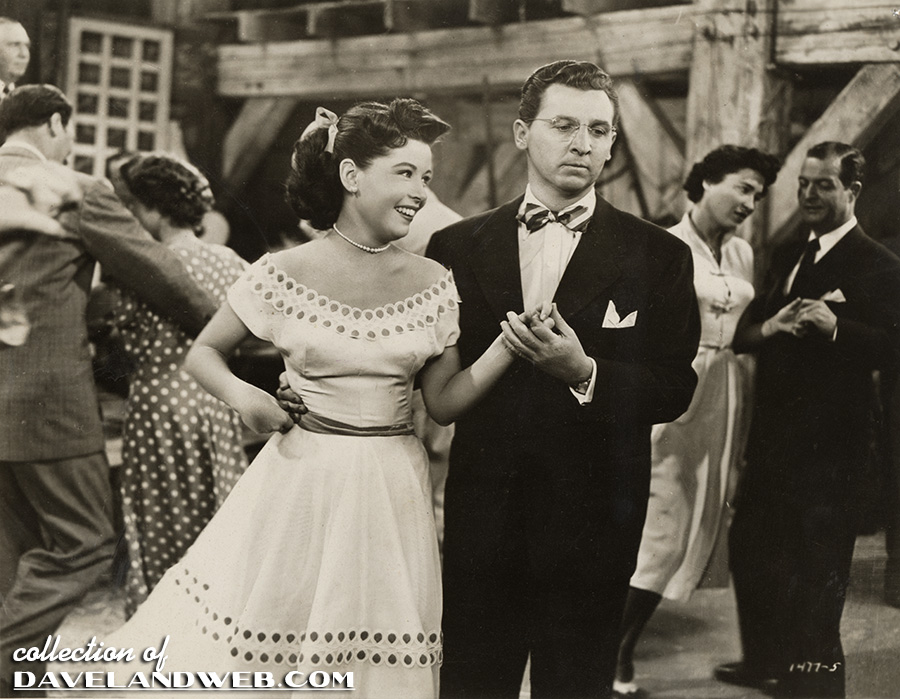
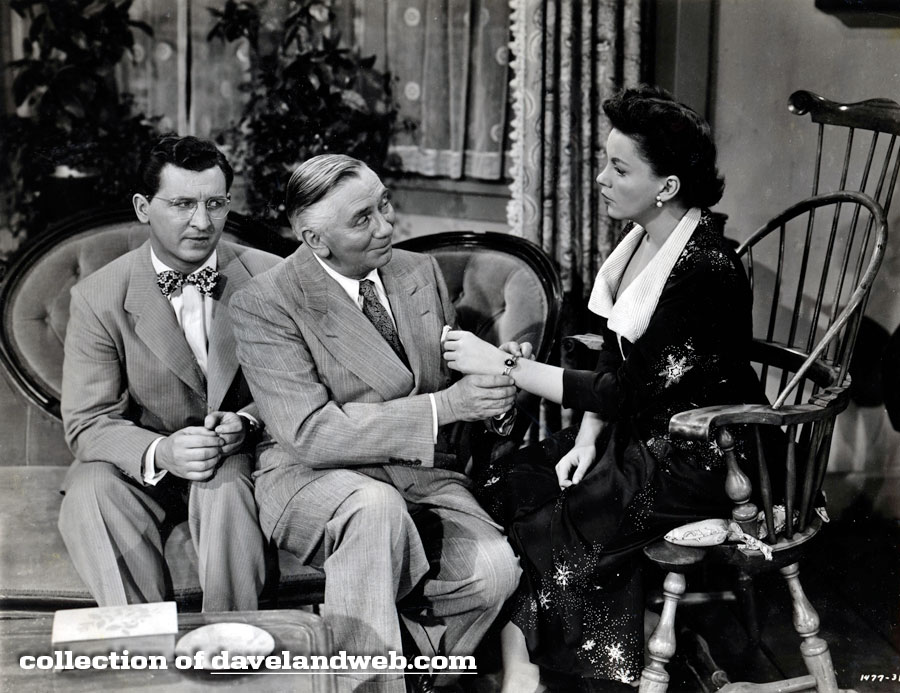
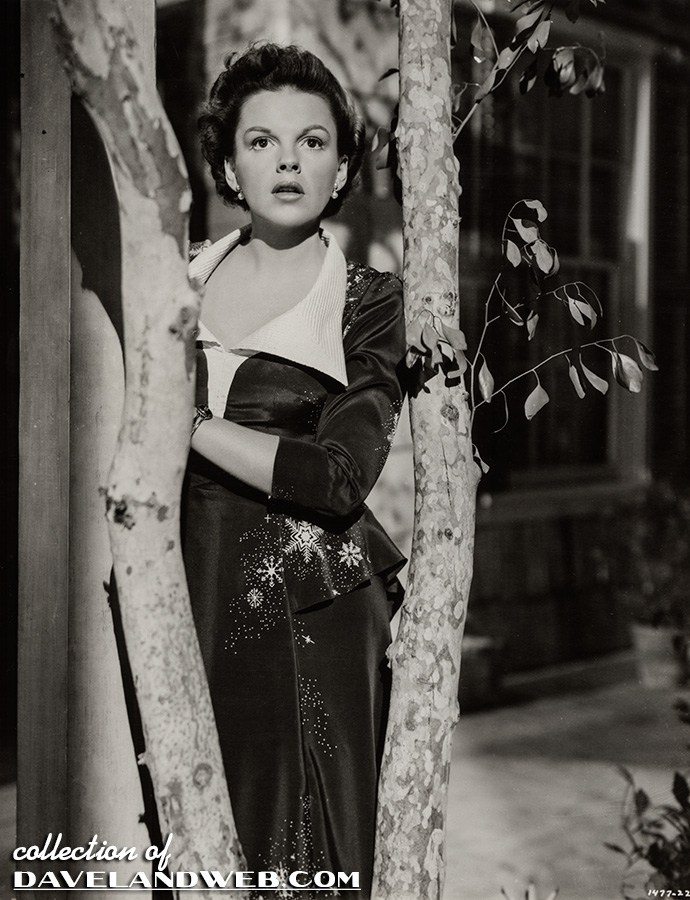
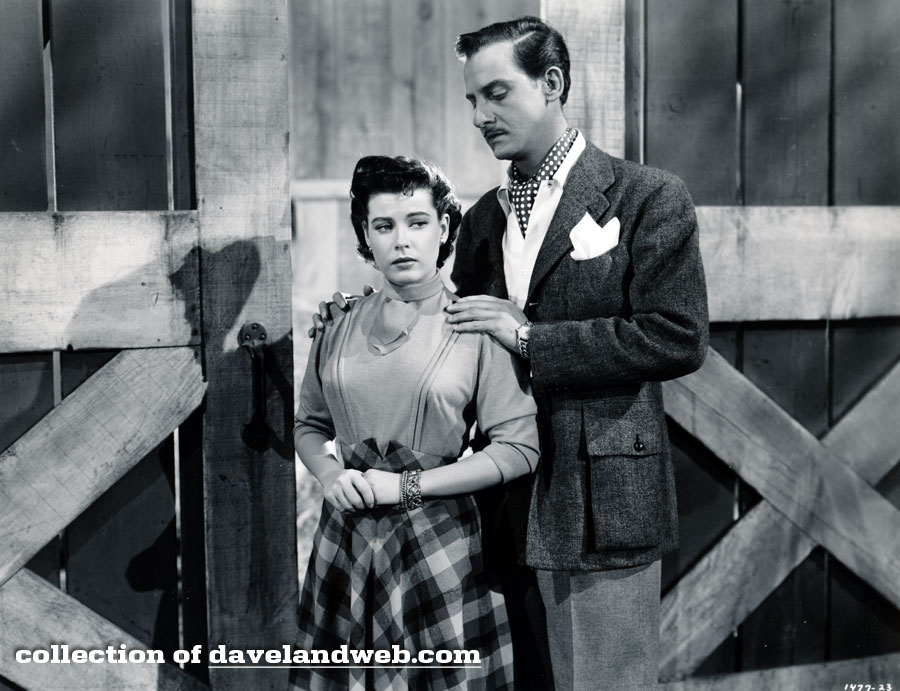
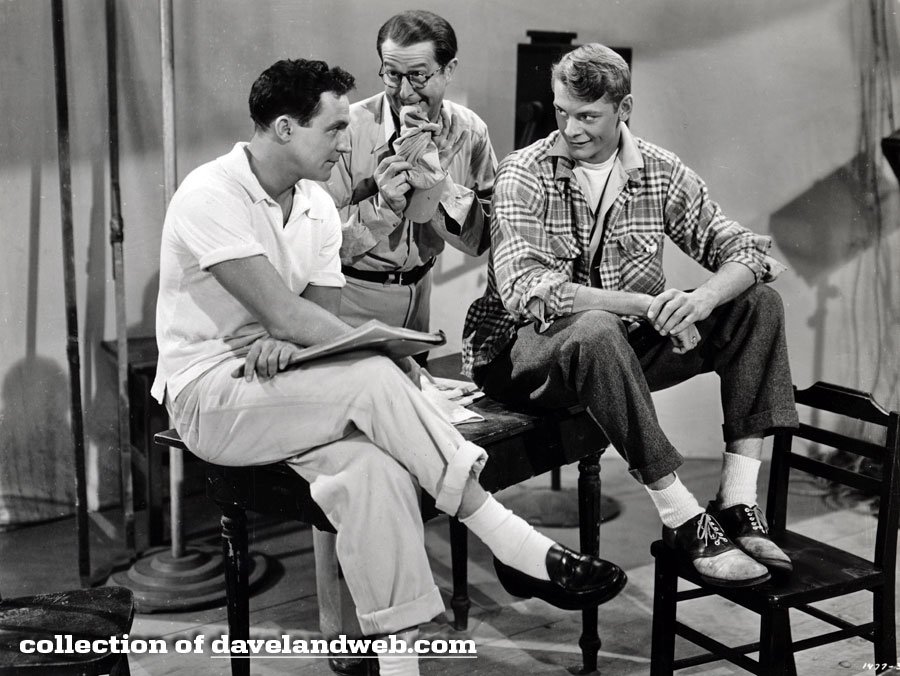
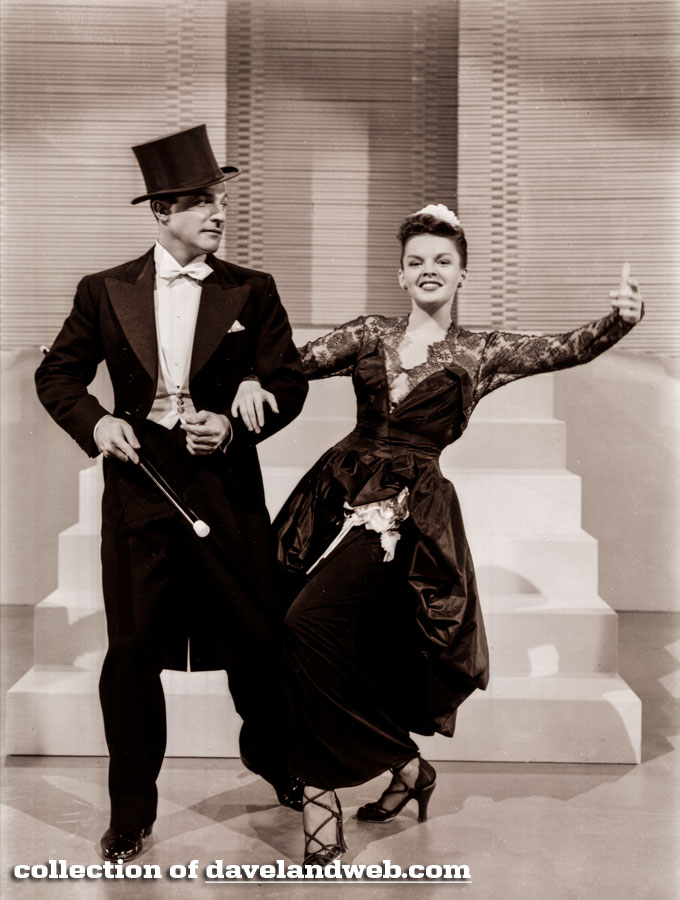
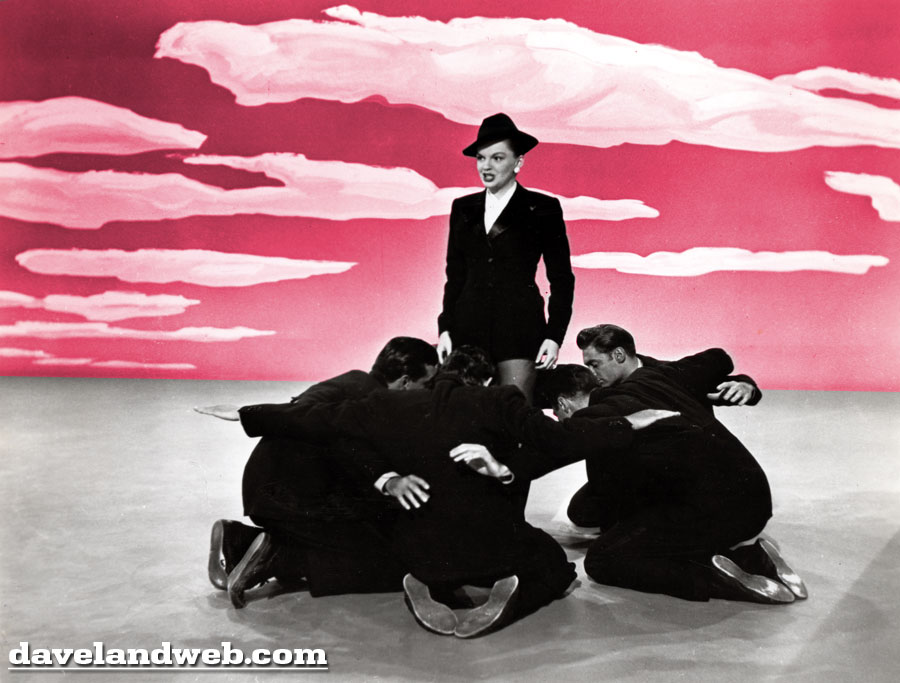
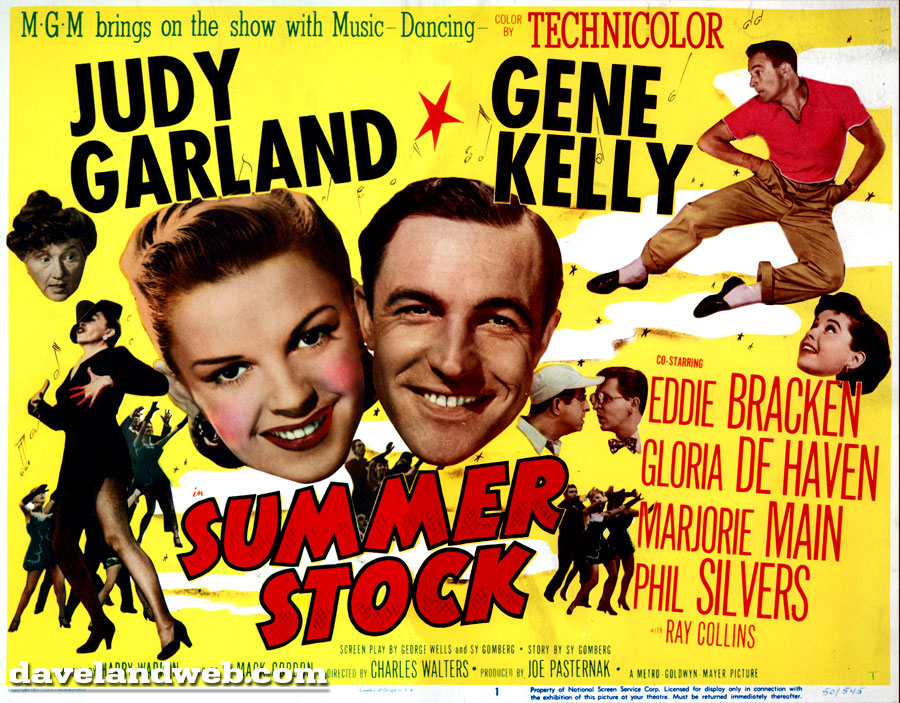
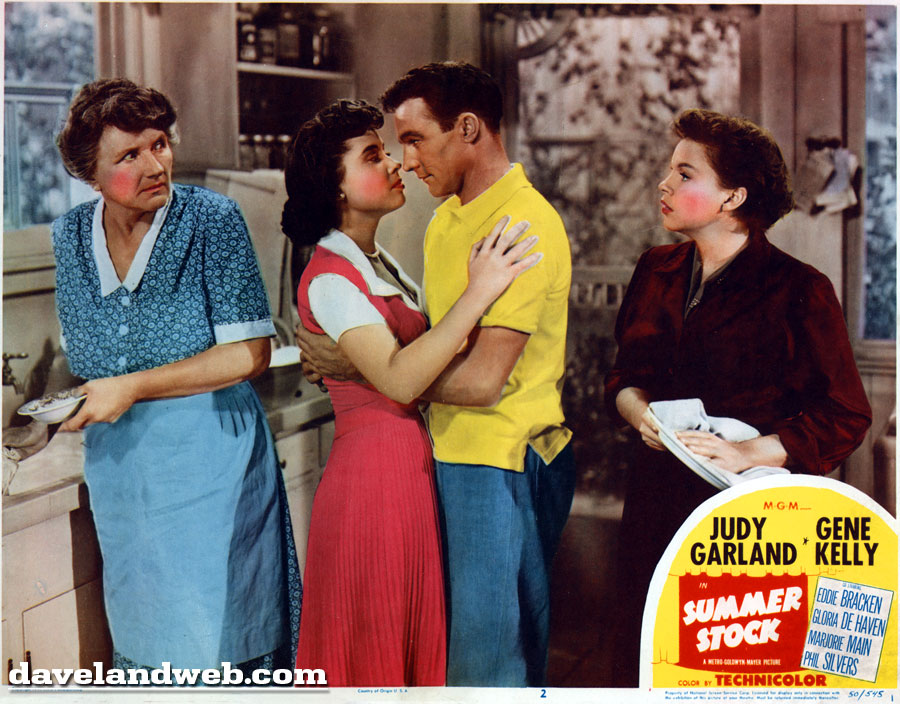
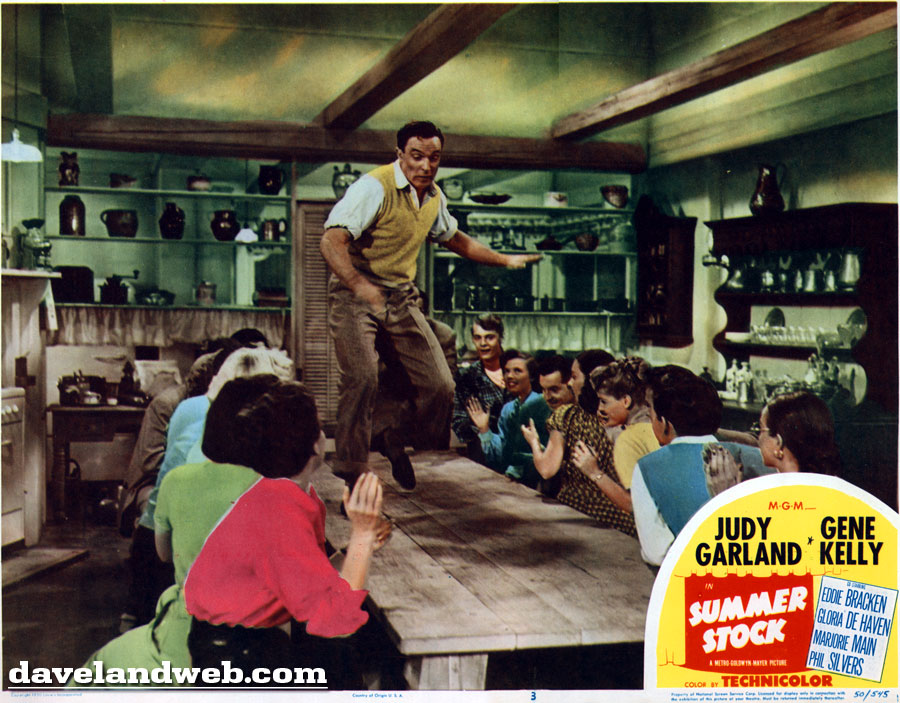
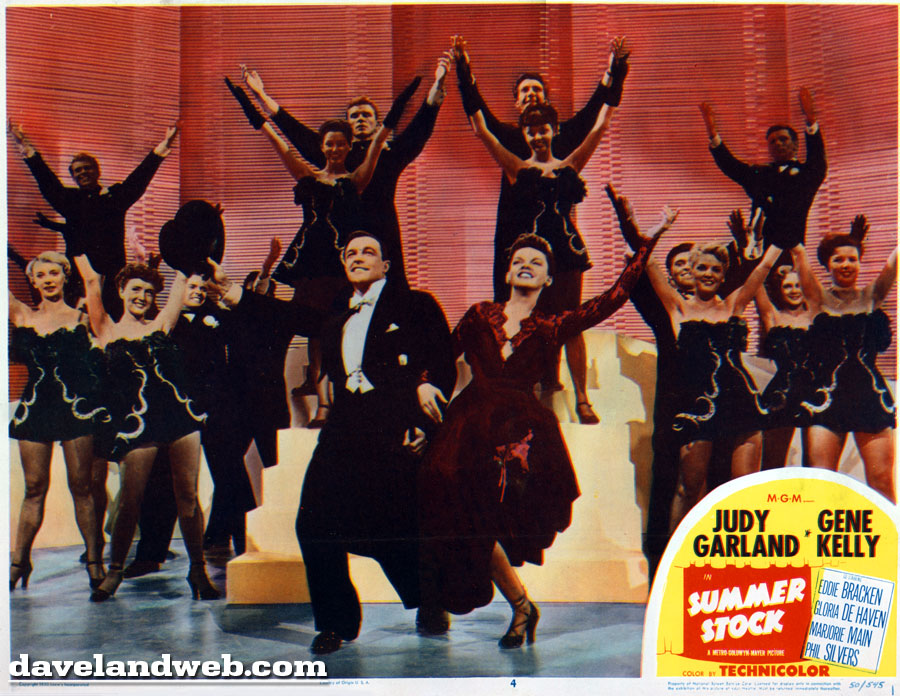
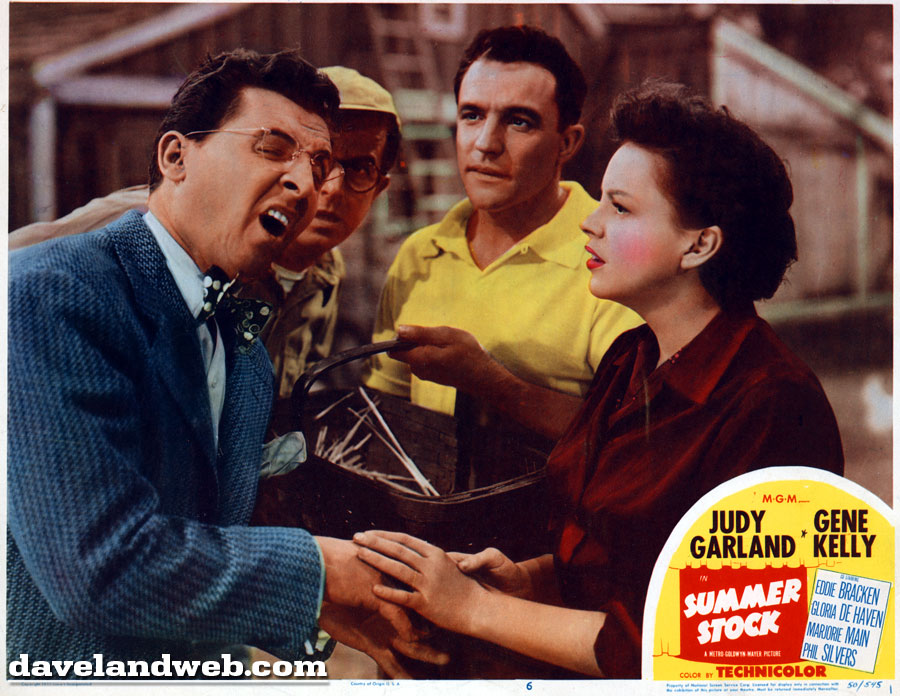
| From the New York Times Film Review, September 1, 1950, Bosley Crowther As a tardy salute to summer and to the troupes of ambitious young folk who send themselves off to rural theatres and "thesp" for the bland vacationists, Metro has brought along a passel of its more amiable and talented kids to give out with merriment and music in a Technicolored lark called "Summer Stock." Headed by Judy Garland in high good spirits and health and Gene Kelly in a state of perfection that finds his legs as lithe as rustling corn, this gang is currently to be witnessed on the Capitol's screen, which is not exactly a cow-barn but serves to project the air of the same. And we make that remark advisedly, for the locale and focus of most of the film is a nice big red barn on the verdant acres which Miss Garland, in overalls, presumably farms. Here it is that the talents of a troupe of Broadway aspirants are generously tried and here it is that Miss Garland, of course, has her big chance to shine. Naturally, the little farm girl, who has barely tolerated the venture, saves the show. No summer stock cow barn in New England could be more appropriately employed. As usual in Metro romances having to do with the enterprises of kids, the activities in this instance are a good bit more fanciful than real. Scriptwriters George Wells and Sy Gomberg have hatched out a rather standard plot which Director Charles Walters has been patient and sometimes tedious in distributing on the screen. The book of a musical comedy should move a little faster than does this. However, that is an opinion which we will not too pugnaciously support. For whenever any of the youngsters in this venture give way to song or dance- and they are eagerly disposed in that direction- joy reigns and the barnyard jumps. Miss Garland starts the proceedings right away with the cheerful advice to all within earshot of her shower bath that "If You Feel Like Singing, Sing," and then spreads the word among her rural neighbors that a "Happy Harvest" is in store for those who do. Miss Garland, we might state at this point, is in excellent musical form. Then, as soon as Mr. Kelly and his thespians arrive on the scene by the generous invitation of Gloria De Haven, who plays Miss Garland's stage-struck sis, that gentleman and his associates pitch in to do their share, by way of comedy with the farm work but by way of pleasure with the songs. "Dig, Dig, Dig for Your Dinner" is a dandy, gay ensemble piece in which Mr. Kelly and Phil Silvers expend the most energy. These two also do a howling hill-billy comedy skit to a brisk tune called "Heavenly Music," with the happy assistance of assorted dogs. Best spots in the show, however, are a solo dance, which Mr. Kelly does to "You Wonderful You," and the finale, "Get Happy," in which all eventually join. Mr. Kelly's dance, accomplished with a newspaper and a squeaky board as props, is a memorable execution of his beautifully disciplined style. And "Get Happy" finds Miss Garland looking and performing her best. As Miss Garland's rustic fiancé, Eddie Bracken adds some humor to the plot, and Marjorie Main now and then kicks up a ruckus as a wary and skeptical farm maid. Hans Conried, Nita Bieber and Carleton Carpenter are most conspicuous among the happy gang of shapely and talented thespians who amiably fill out "Summer Stock." |
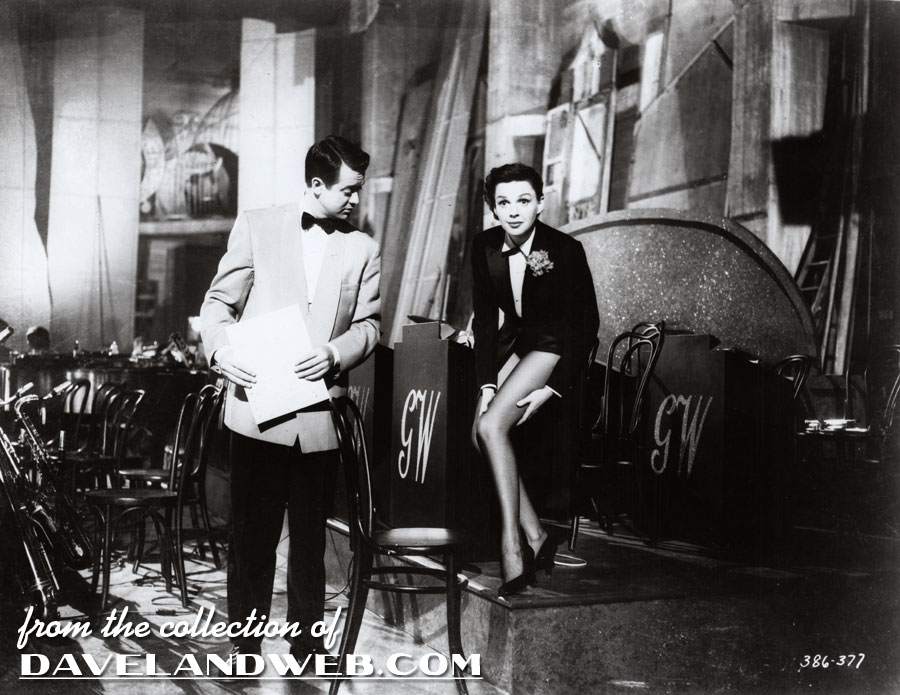
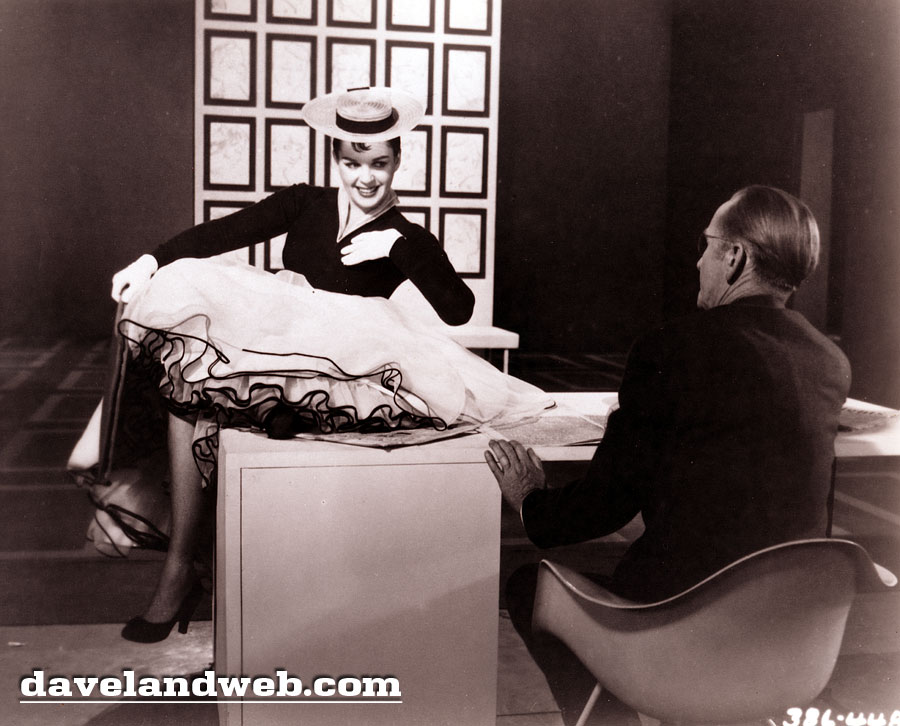
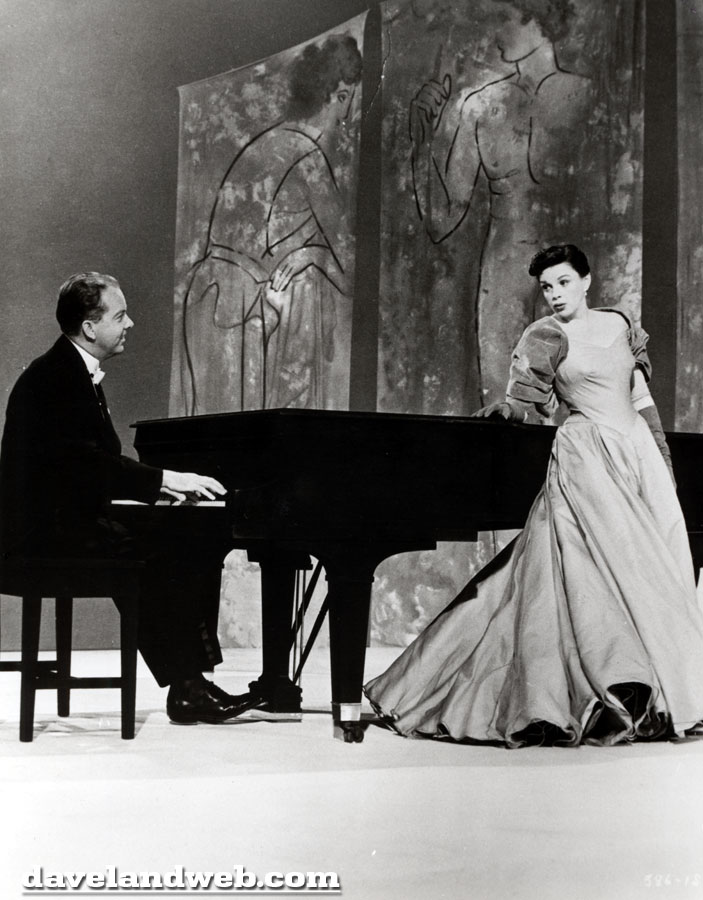
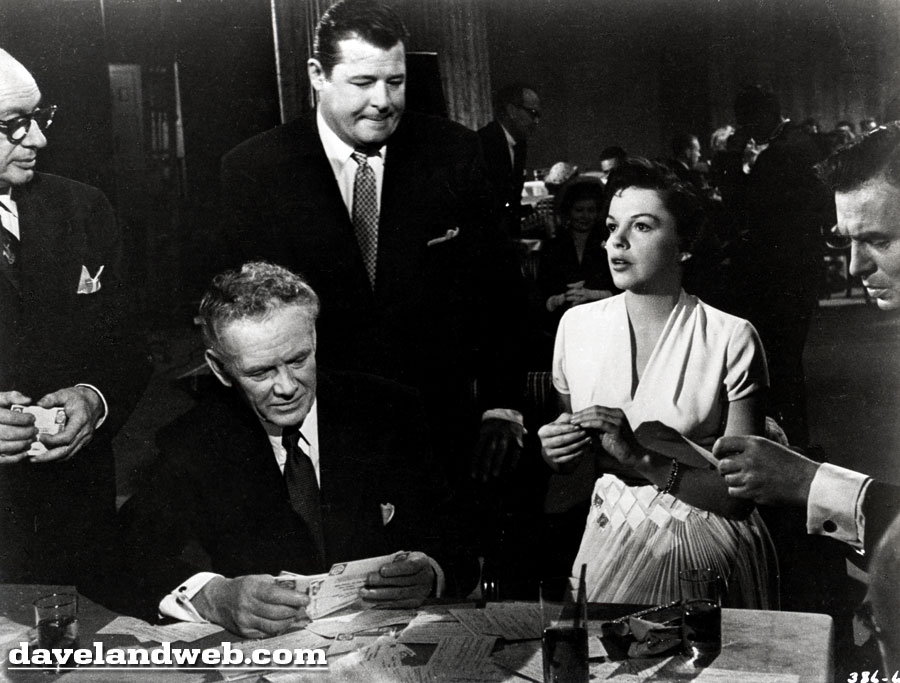
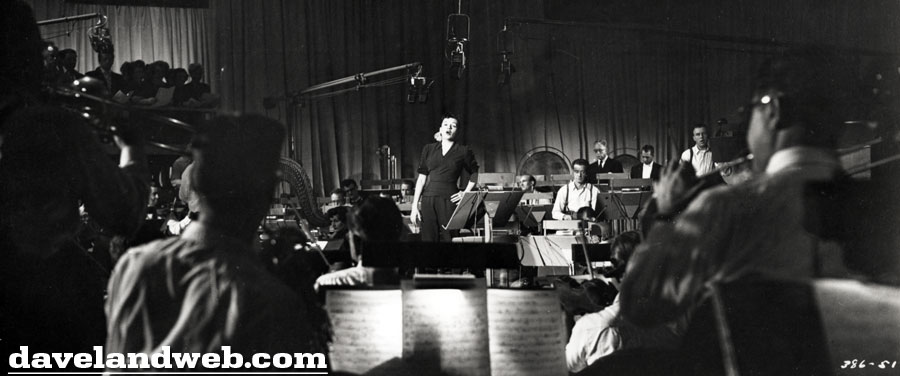
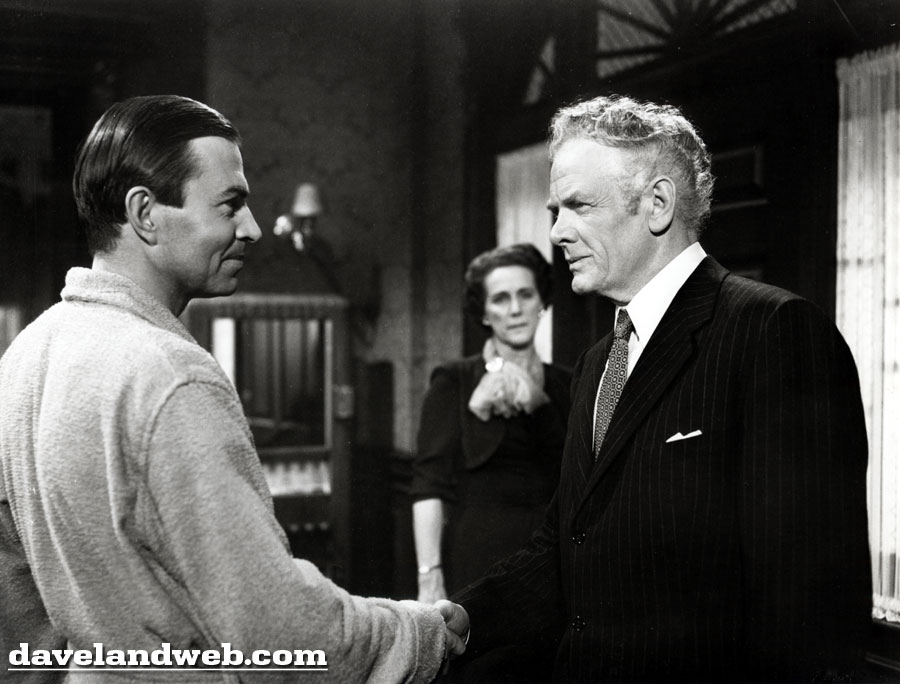
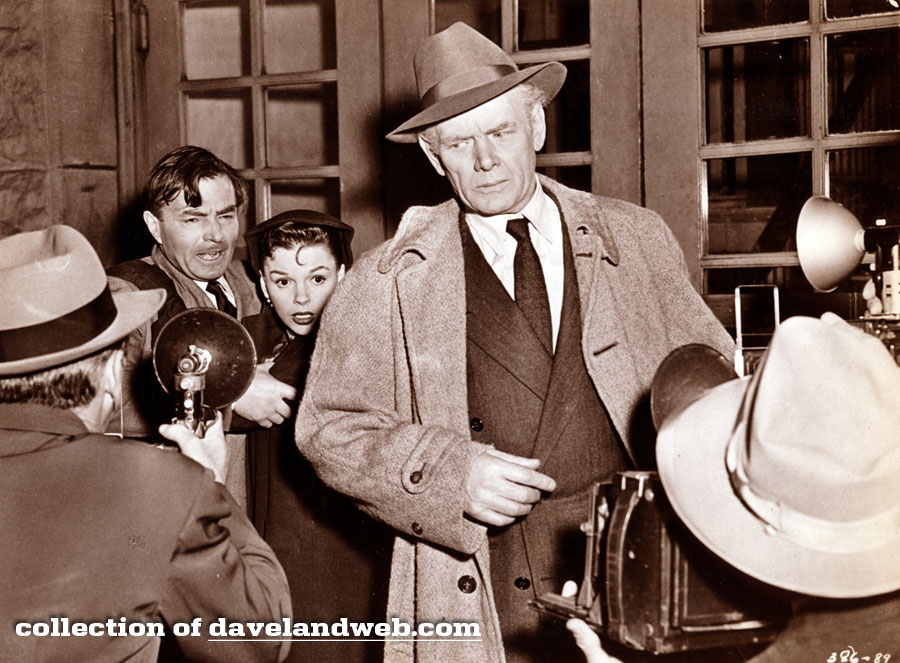
“A STAR IS BORN,” 1954 |
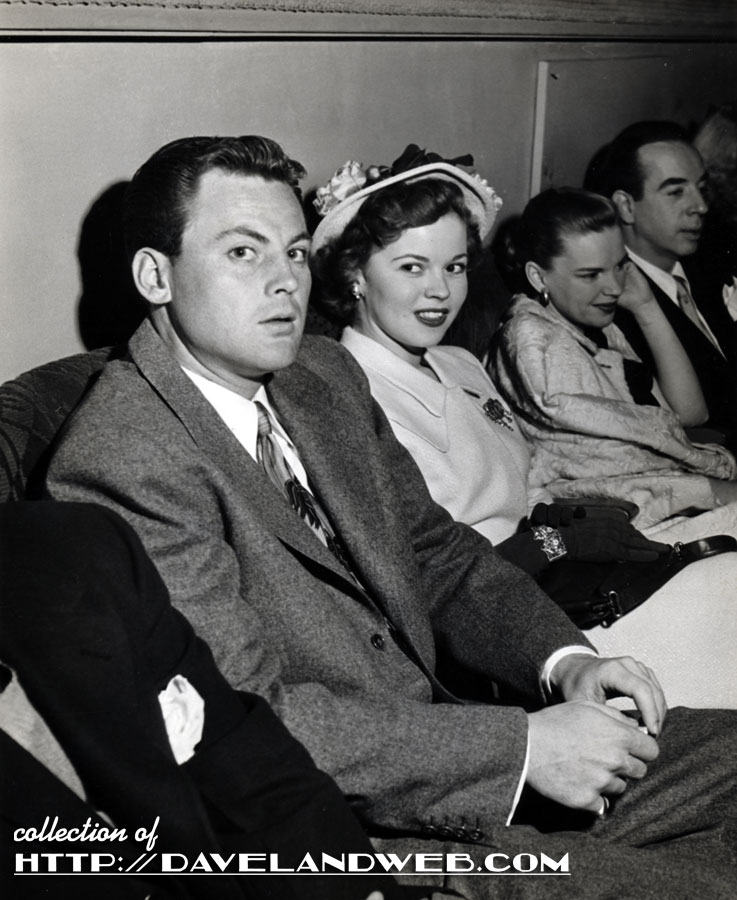
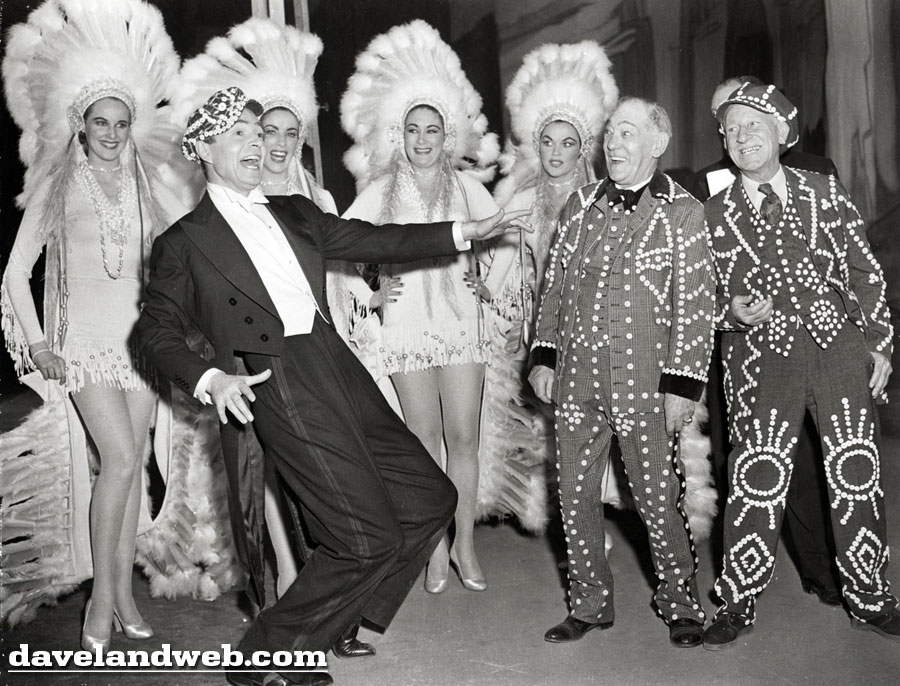
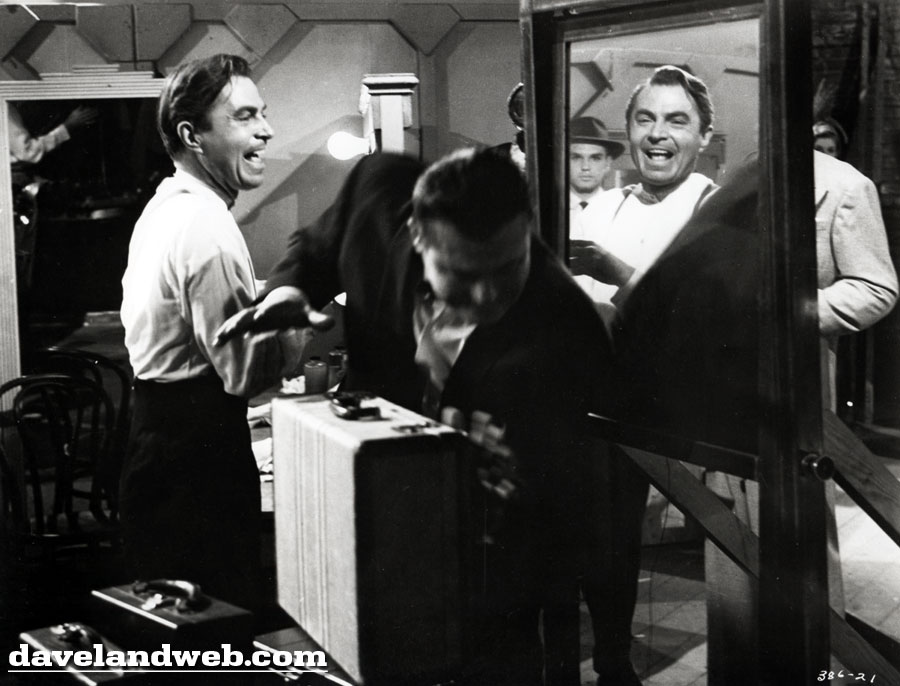
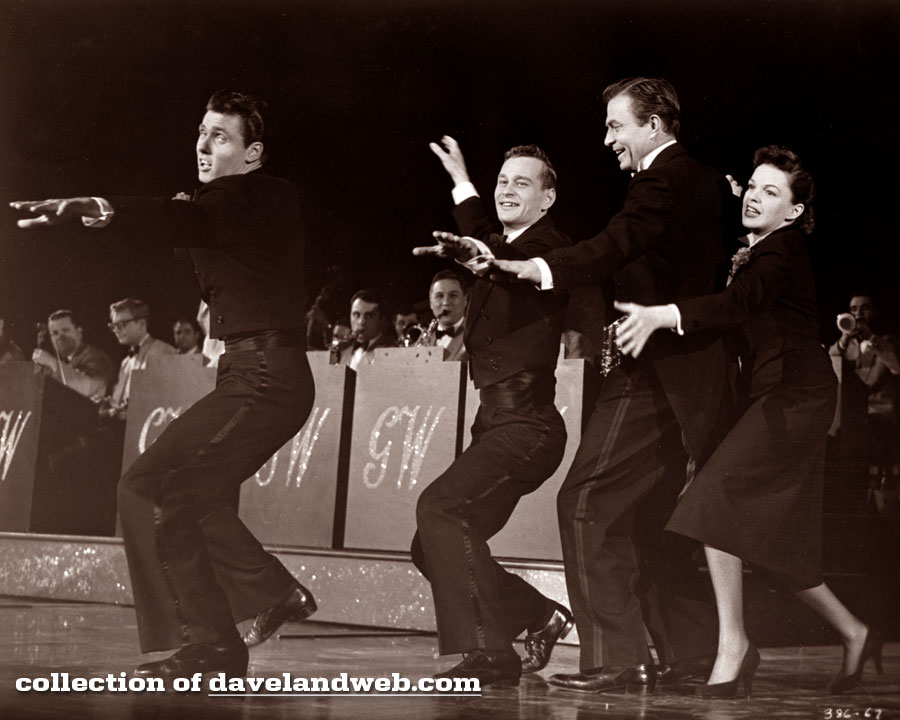
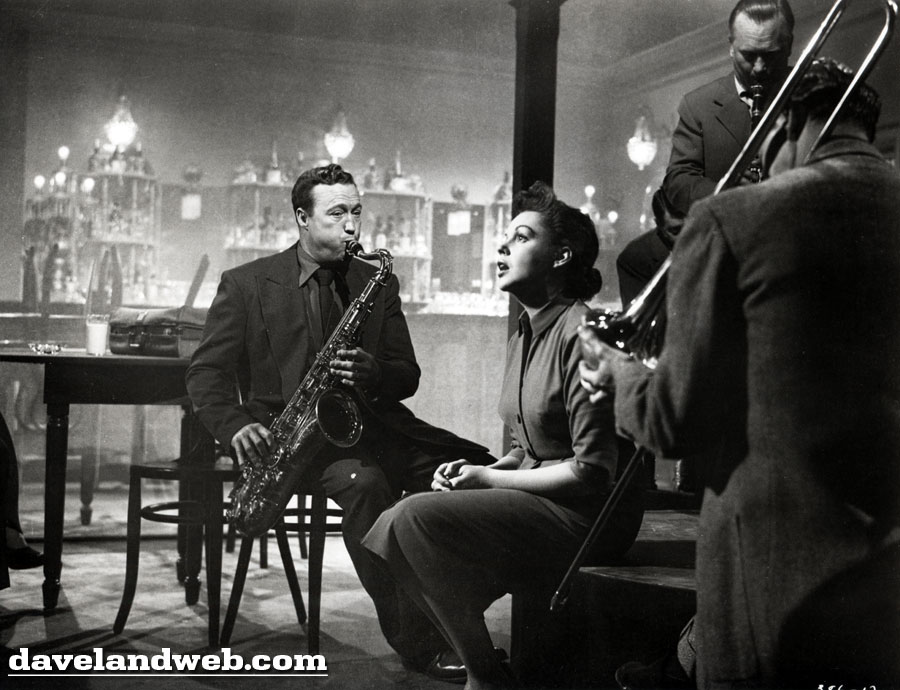
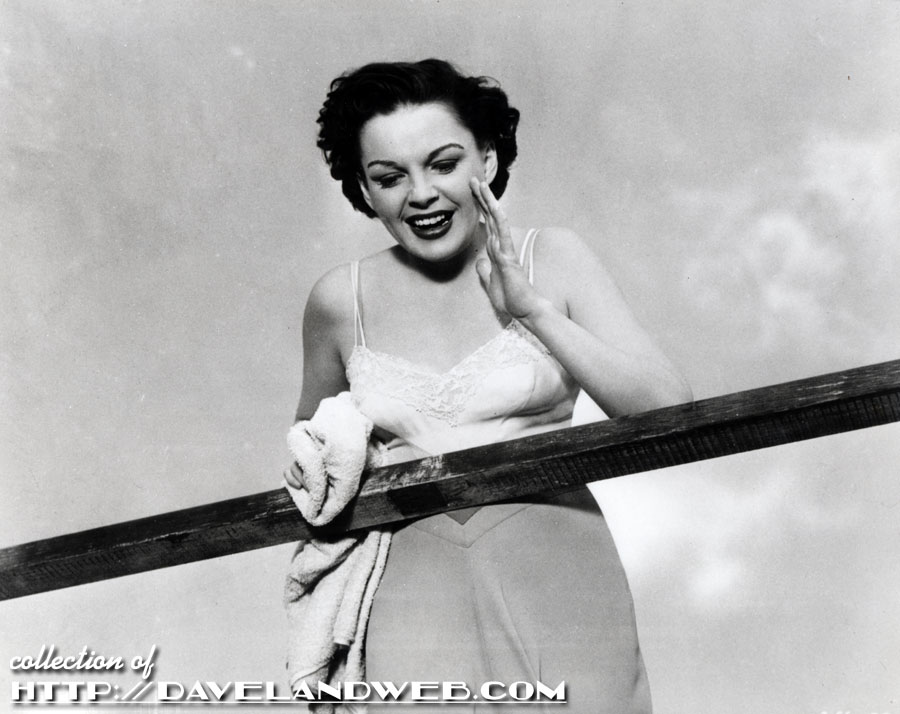
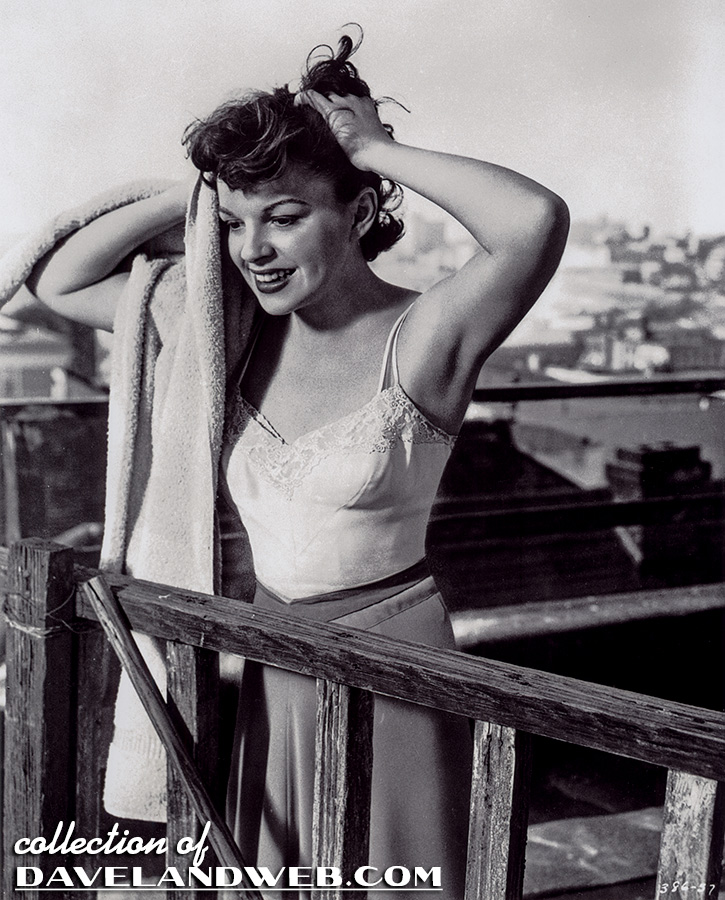
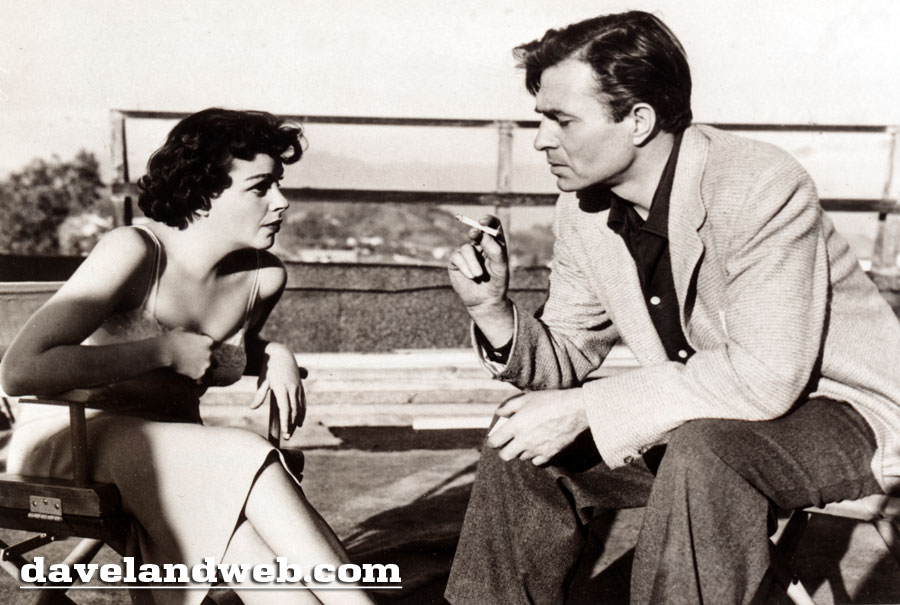
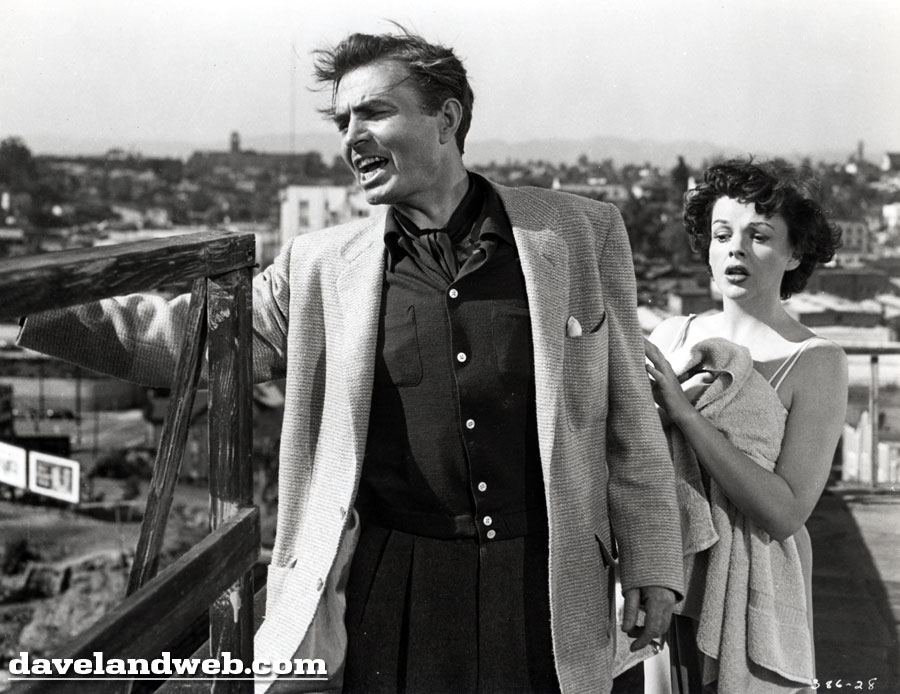
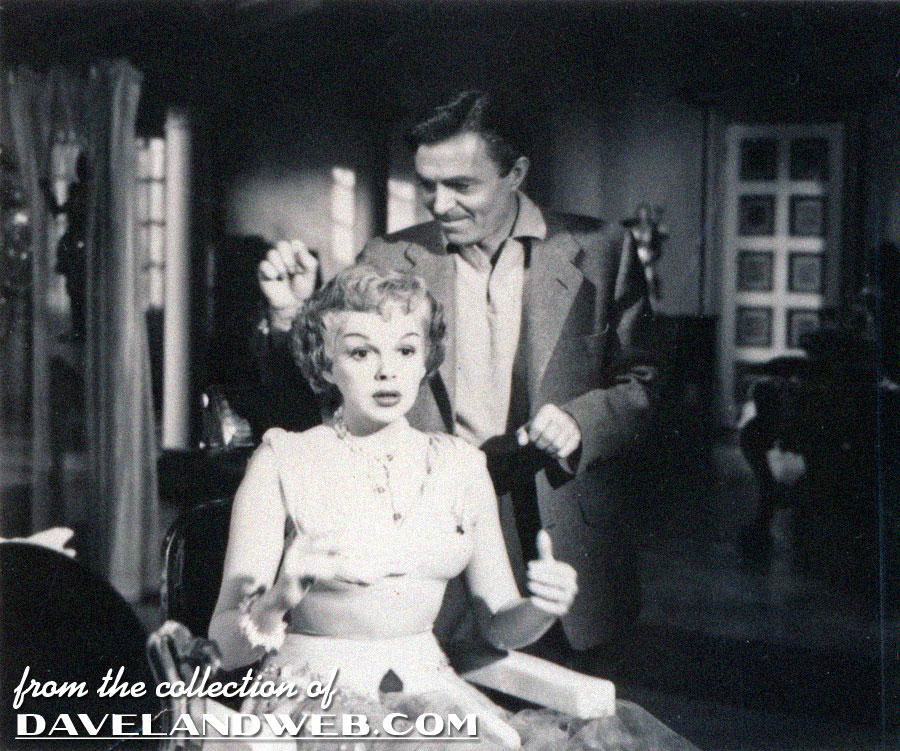
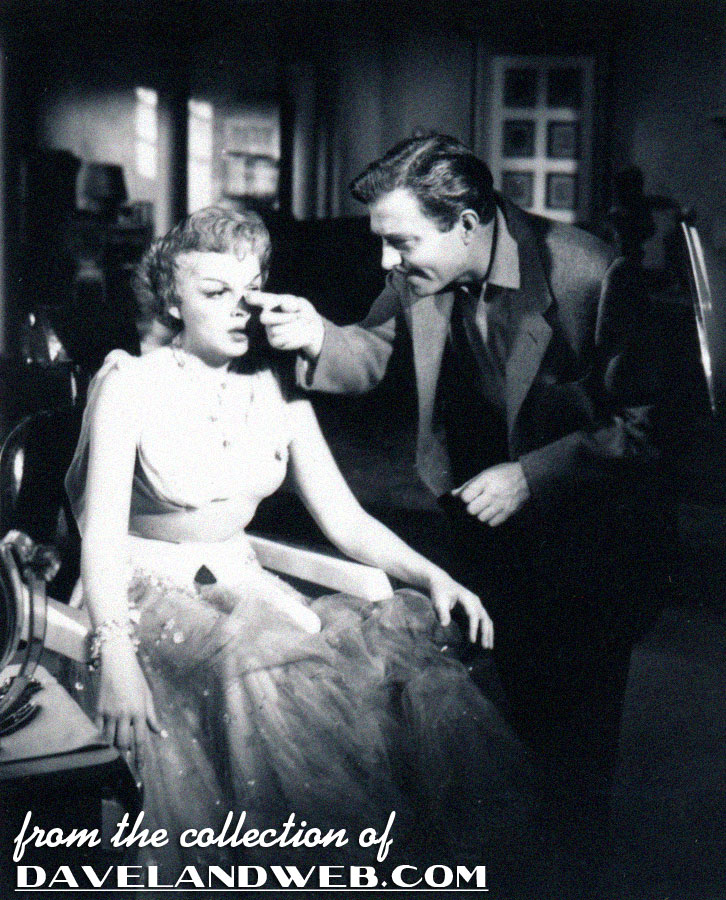
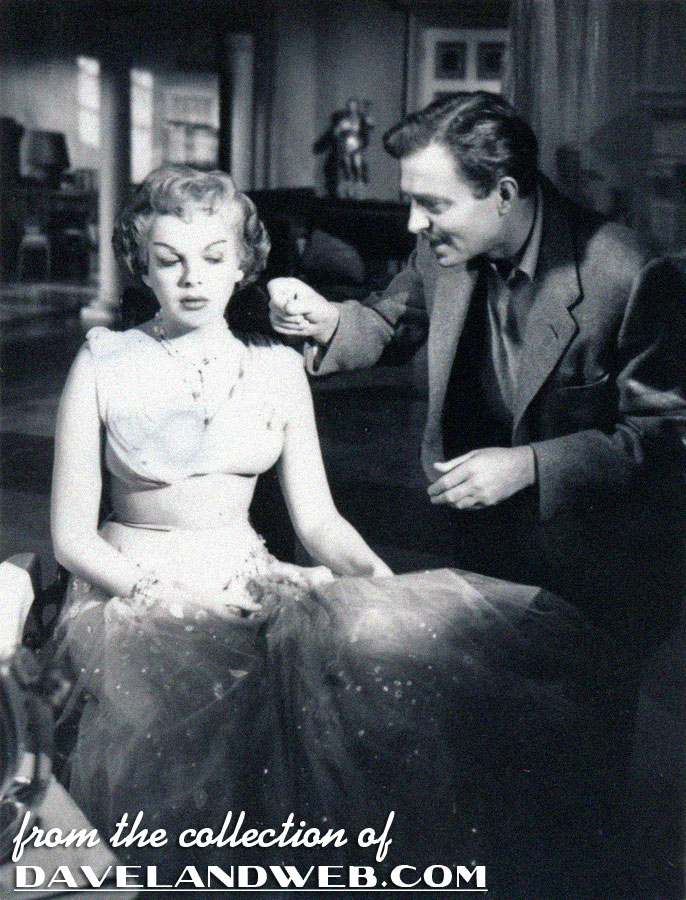
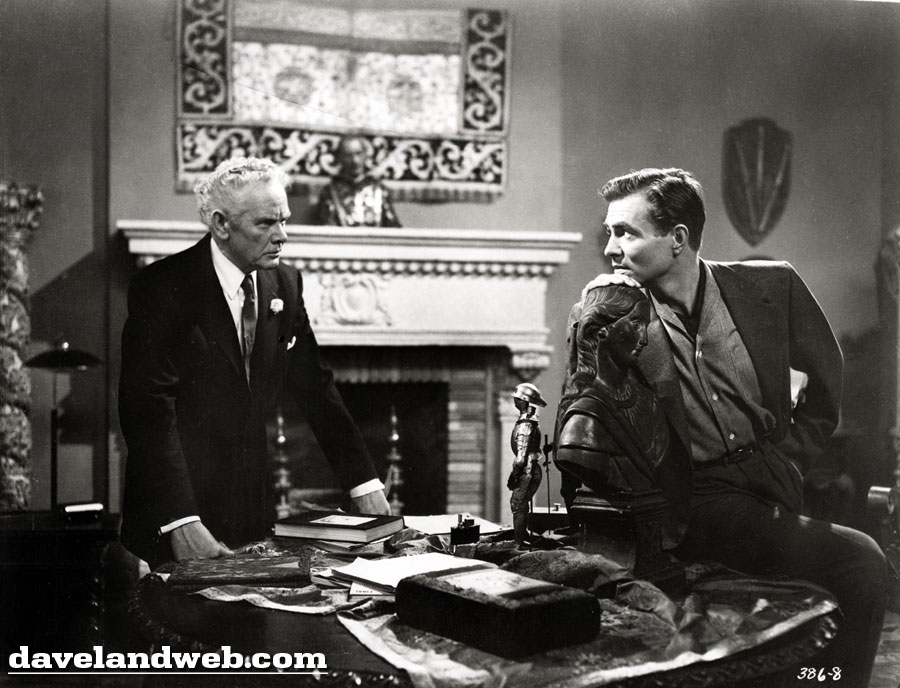
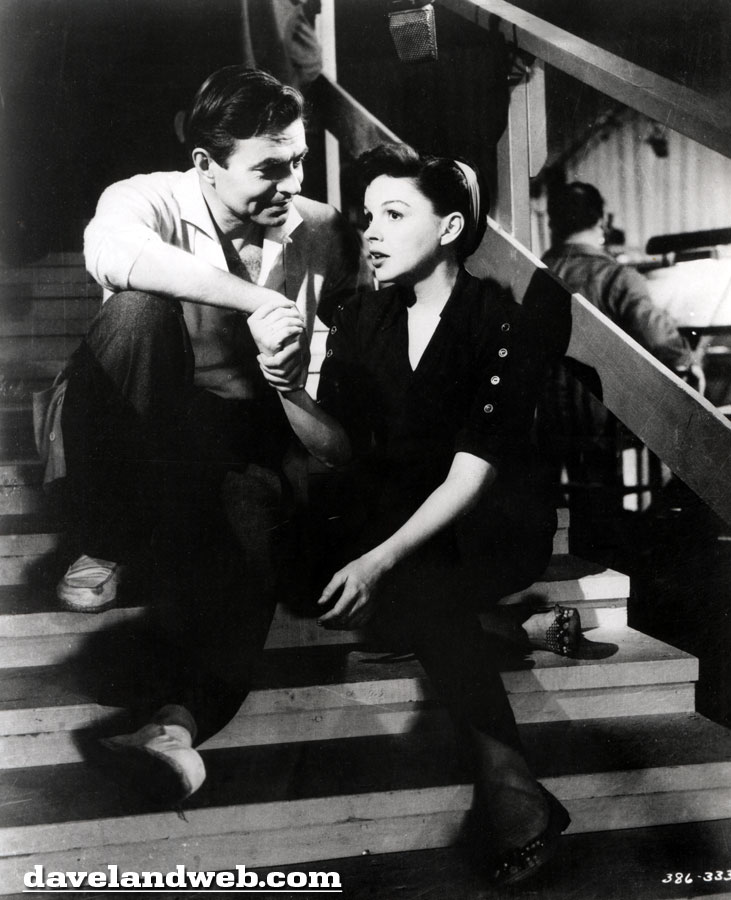
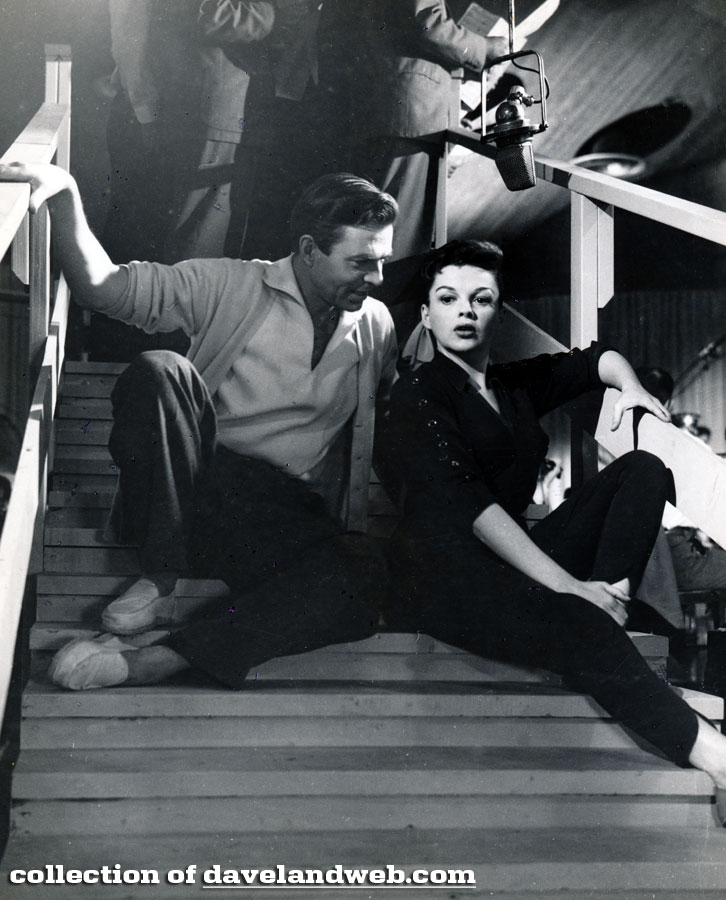
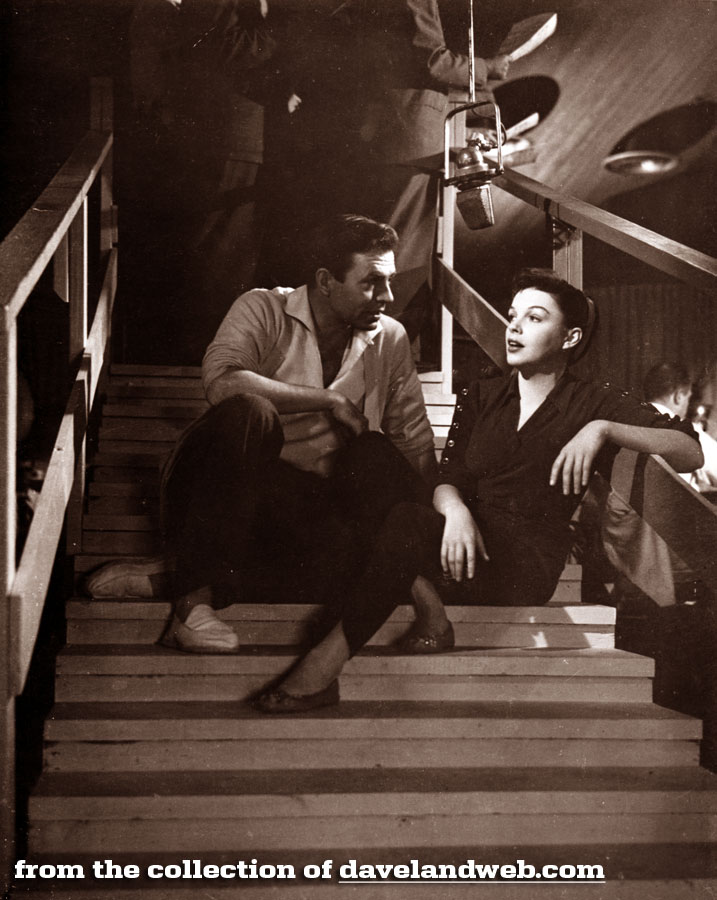
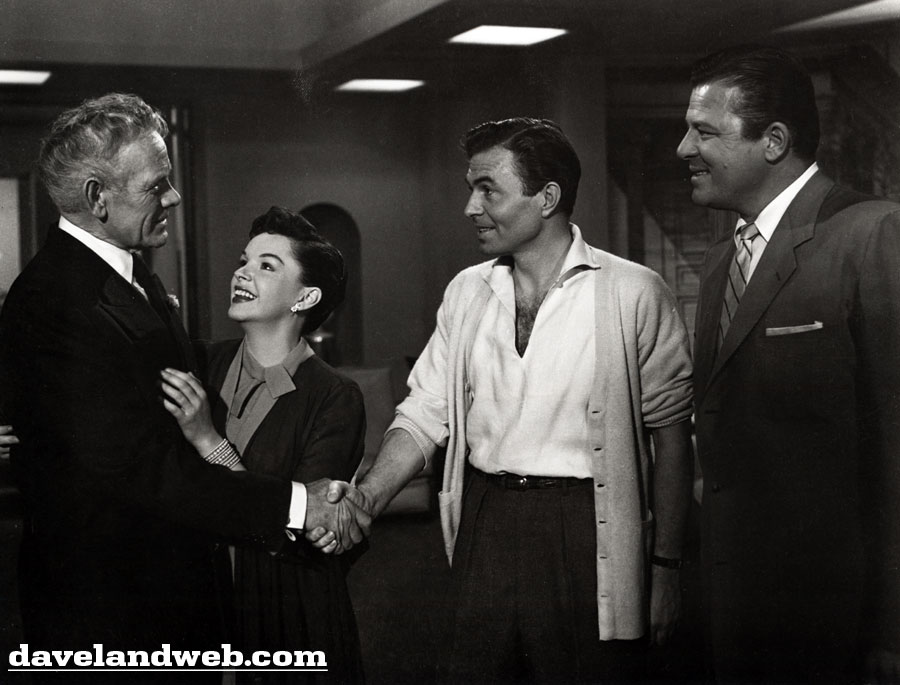
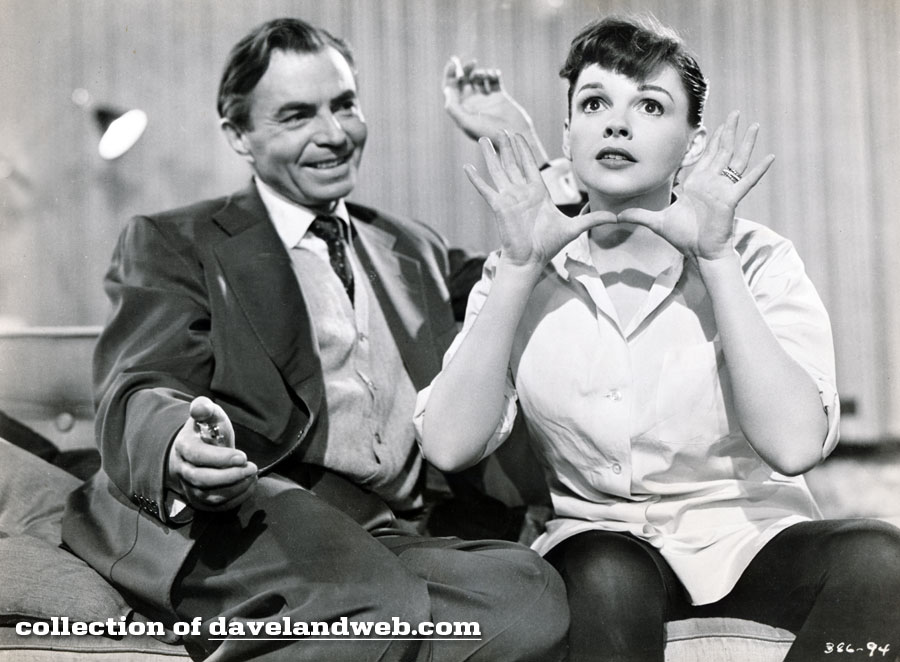
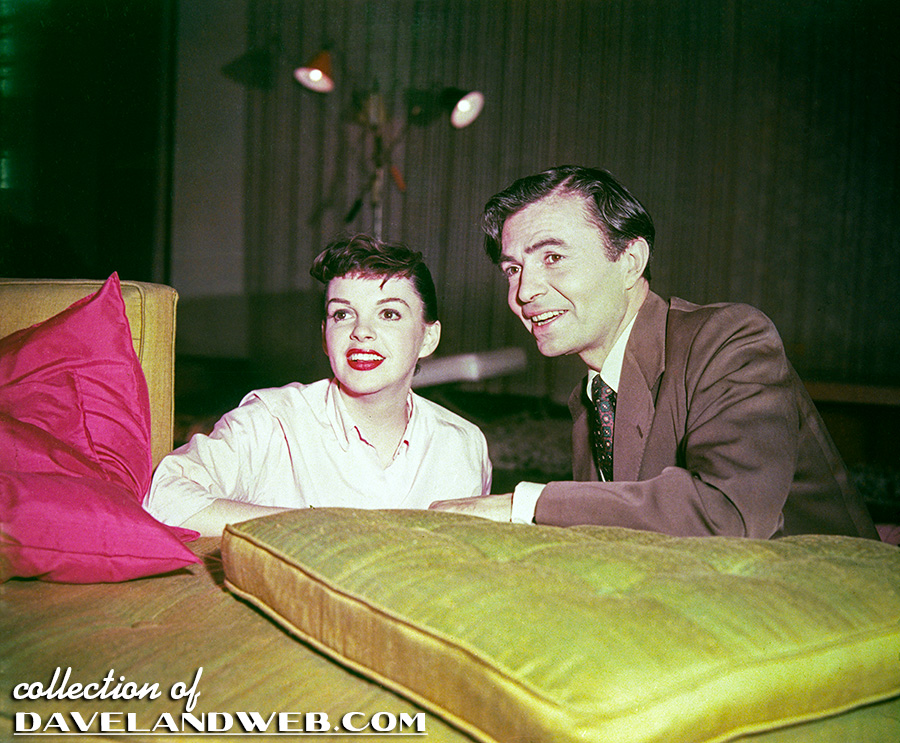
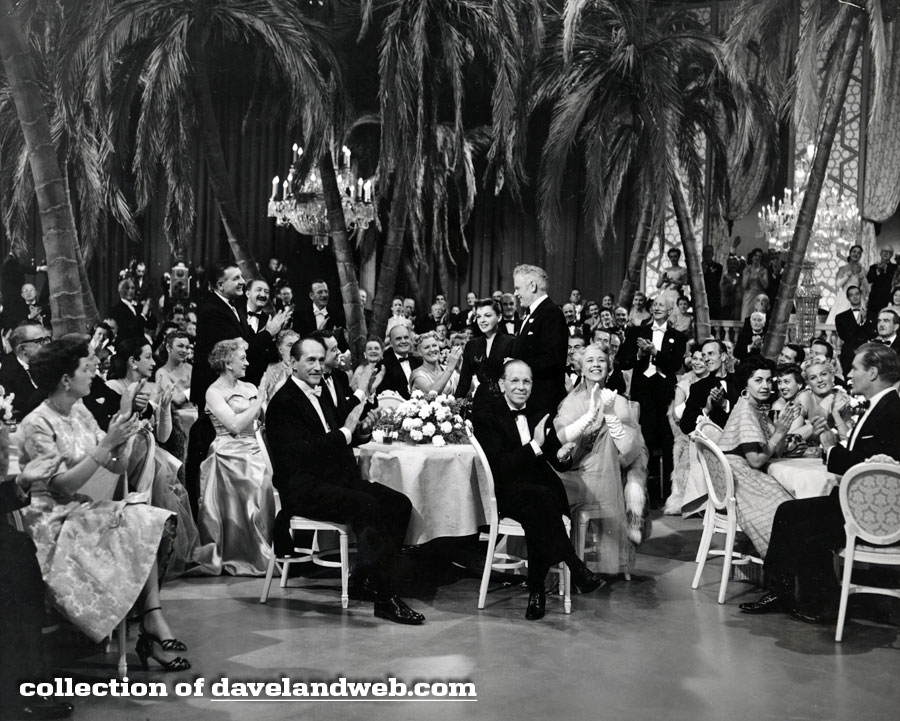
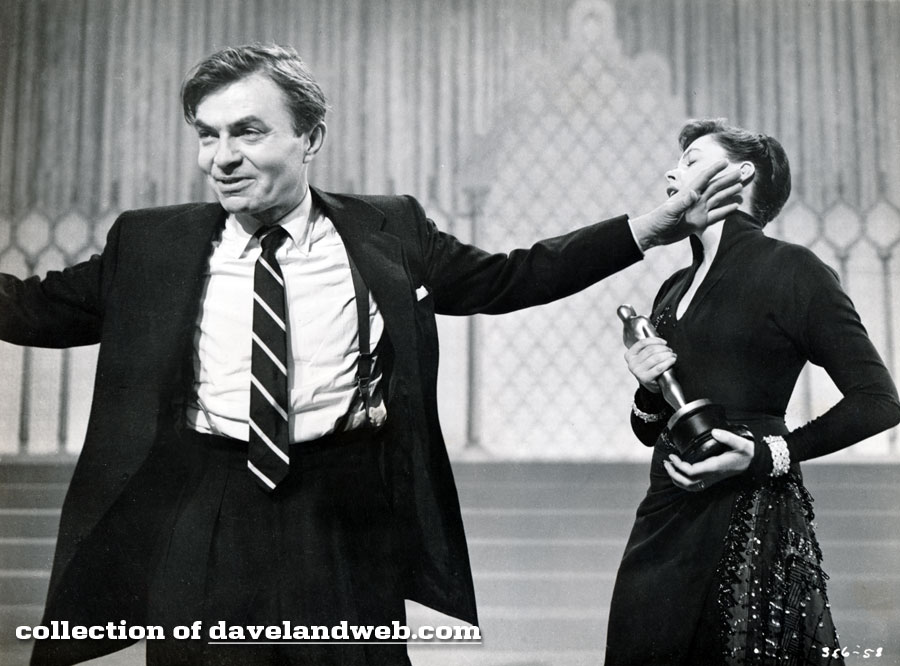
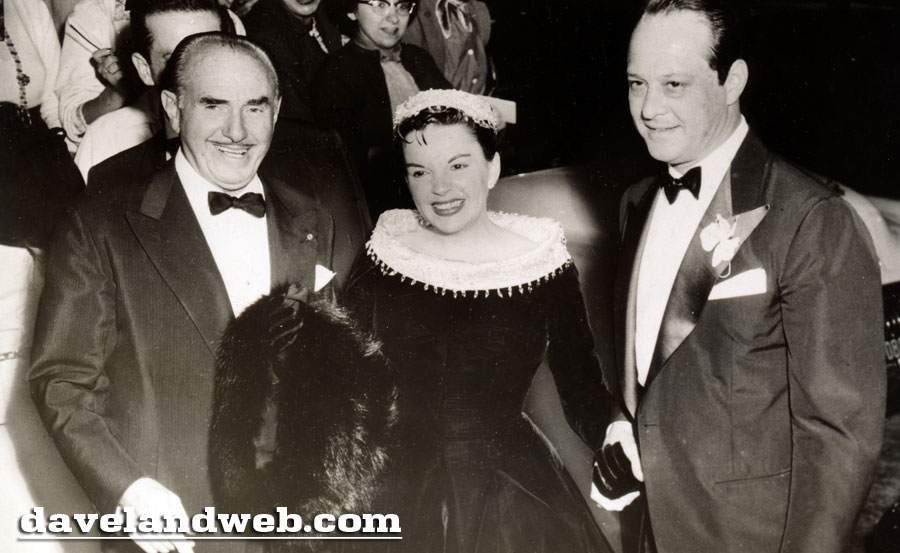
| From the New York Times Film Review, October 12, 1954, Bosley Crowther THOSE who have blissful recollections of David O. Selznick's "A Star Is Born" as probably the most affecting movie ever made about Hollywood may get themselves set for a new experience that should put the former one in the shade when they see Warner Brothers' and George Cukor's remake of the seventeen-year-old film. And those who were no more than toddlers when that classic was starting floods of tears may warm themselves up for one of the grandest heartbreak dramas that has drenched the screen in years. For the Warners and Mr. Cukor have really and truly gone to town in giving this hackneyed Hollywood story an abundance of fullness and form. They have laid it out in splendid color on the smartly used CinemaScope screen, and they have crowded it with stunning details of the makers and making of films. They have got Judy Garland and James Mason to play the important roles that were filled with such memorable consequence by Janet Gaynor and Fredric March in the original. And they have fattened it up with musical numbers that are among the finest things in the show. And a show it is, first and foremost. Its virtually legendary account of the romance of an actress headed for stardom and an actor headed downhill would have very little force or freshness in this worldly wise day and age if it weren't played within the lush surroundings of significant performance and fancy show. So it is a build-up of this that gives grandeur and background to the poignance of this film, which was put on with fanfare last evening at the Paramount and Victoria Theatres. The whole thing runs for three hours, and during this extraordinary time a remarkable range of entertainment is developed upon the screen. There is the sweet and touching love story that Moss Hart has smoothly modernized from the neat synthesis of Hollywood legends, which went into the original. It is the story of a vocalist with a dance band who catches the bleary, wistful eye of a topnotch male star, now skidding on the downgrade, and gets his help toward motion-picture fame. It is the story of their marriage and their struggle to hold fast to the fragile thing of love as fame and failure divide them—and of the husband's sacrifice at the end. This is the core of the drama, and it is brilliantly visualized. No one surpasses Mr. Cukor at handling this sort of thing, and he gets performances from Miss Garland and Mr. Mason that make the heart flutter and bleed. Such episodes as their meeting on the night of a benefit show, their talking about marrying on a soundstage under an eavesdropping microphone, their bitter-sweet reaching for each other in a million-dollar beach bungalow, their tormenting ordeal in a night court—these, are wonderfully and genuinely played. What matters that logic does not always underlie everything they do? What matters that we never really fathom Mr. Mason's flamboyant Norman Maine? Theirs is a credible enactment of a tragic little try at love in an environment that packages the product. It is the strong tie that binds the whole show. But there is more that is complementary to it. There is the muchness of music that runs from a fine, haunting torch-song at the outset, "The Man That Got Away," to a mammoth, extensive production number recounting the career of a singer. It is called "Born in a Trunk." Miss Garland is excellent in all things—but most winningly, perhaps, in the song, "Here's What I'm Here For," wherein she dances, sings and pantomimes the universal endeavors of the lady to capture the man. Harold Arlen, Ira Gershwin and Leonard Gershe are the authors of the songs. And there is, through it all, a gentle tracing of clever satire of Hollywood, not as sharp as it was in the original, but sharp enough to be stimulating fun. Charles Bickford's calm and generous producer is a bit on the idealized side and Jack Carson's disagreeable press agent is not as vicious as he's supposed to be. But the sense of an artificial milieu wraps the whole thing, as in cellophane—all in colors that fill the eye with excitement. It is something to see, this "Star Is Born." Crowds of enthusiastic onlookers swirled around the Paramount and Victoria Theatres last night to attend and watch the gala activities surrounding the première of "A Star Is Born." Miss Garland made an appearance at the Victoria and and later arrived at the Paramount for the showing of the film. The glare of flood lights and popping of flash-bulbs provided customary background for the event which was "covered" by television cameras, radio broadcasters, Armed Forces Overseas radio, press and newsreel photographers. The sidewalks in front of the two theatres were carpeted in the traditional red velvet and searchlights sent shafts of light high in the sky over Broadway. The audiences at both theatres were made up, to a large extent, by notables from many fields. As they arrived, Martin Block, the master of ceremonies, and George Jessel greeted them. |
1958—1967 |
^RETURN TO TOP |