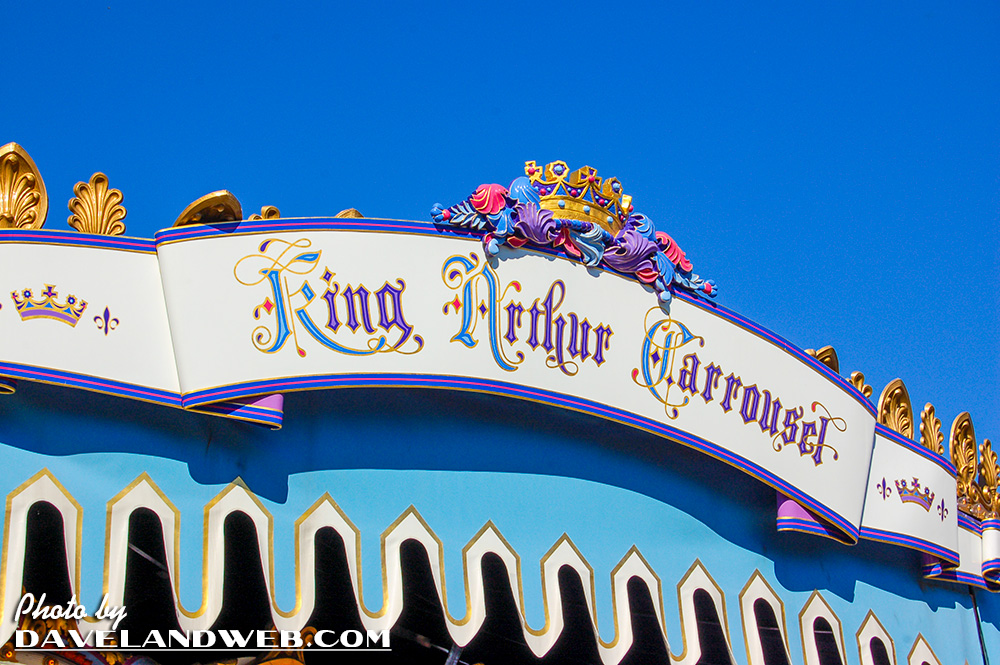
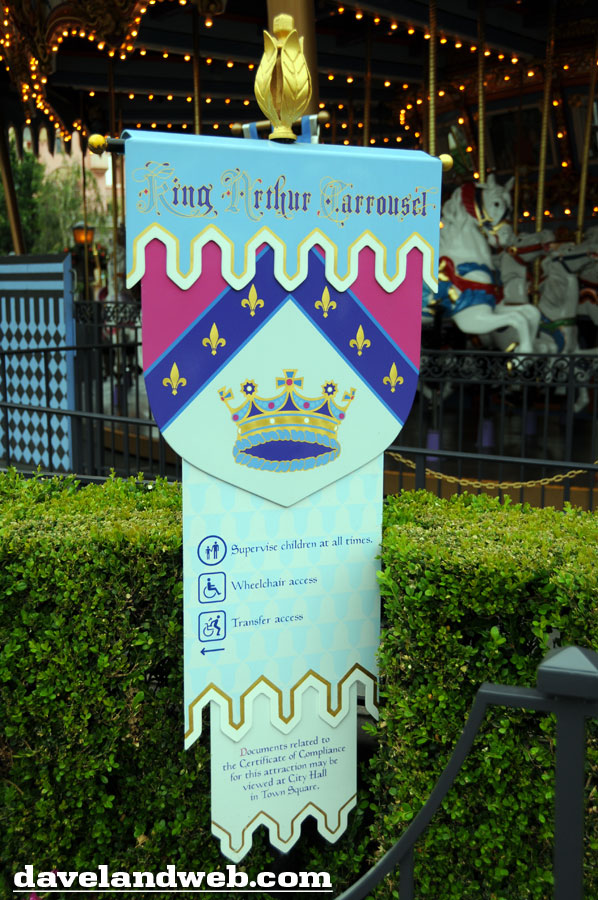
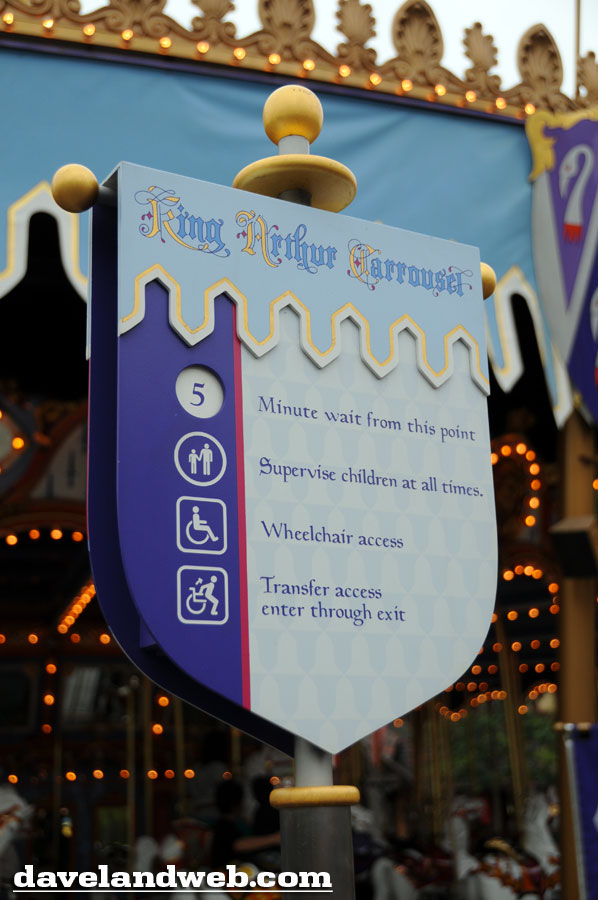
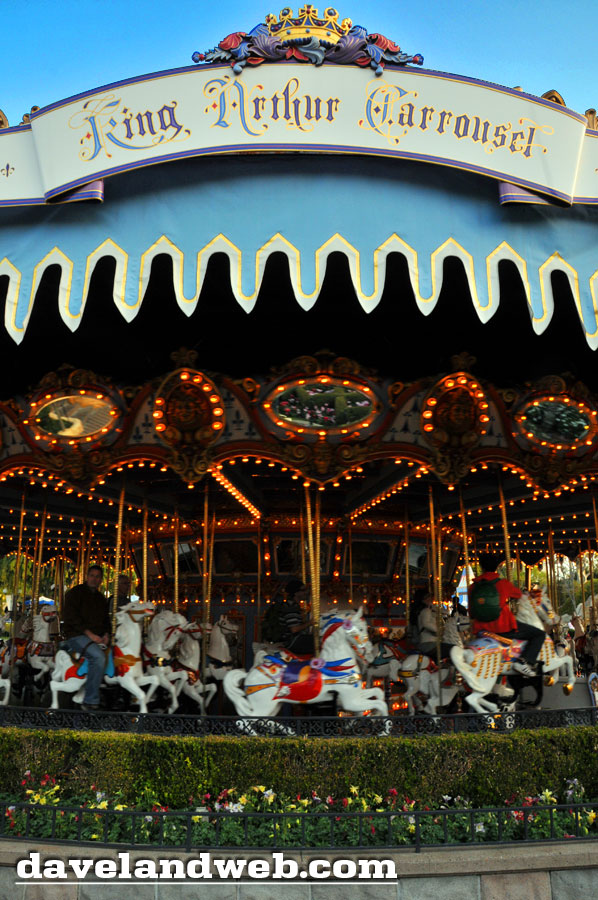
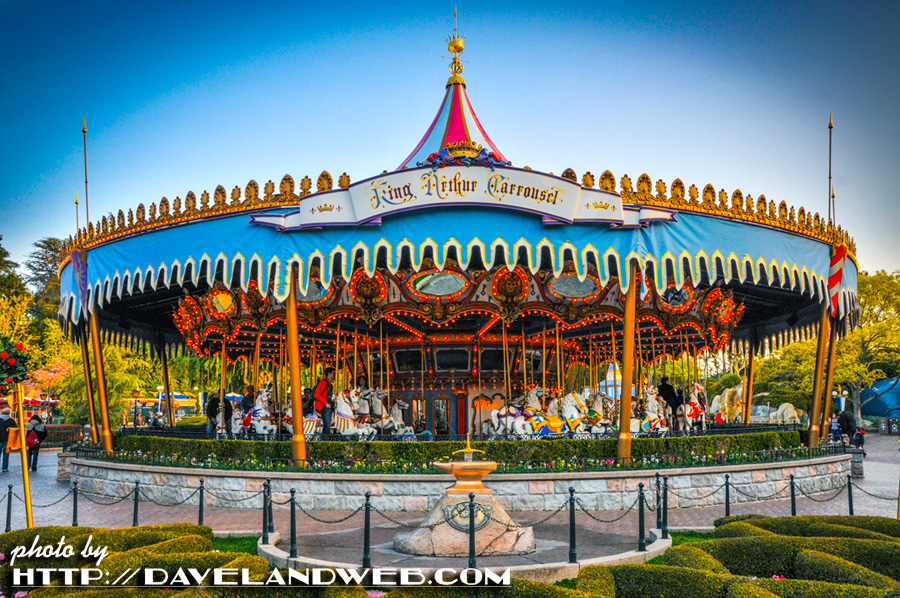
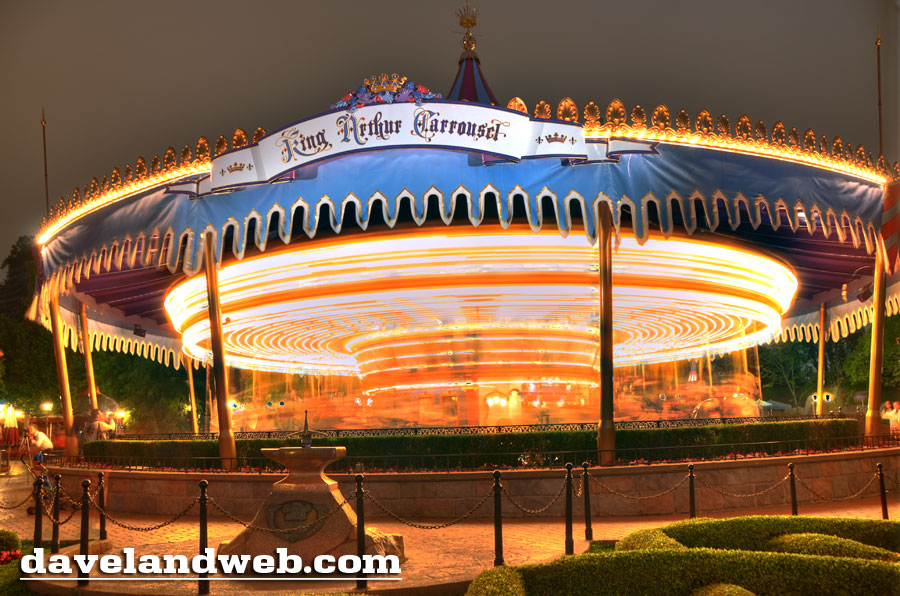
King Arthur Carrousel
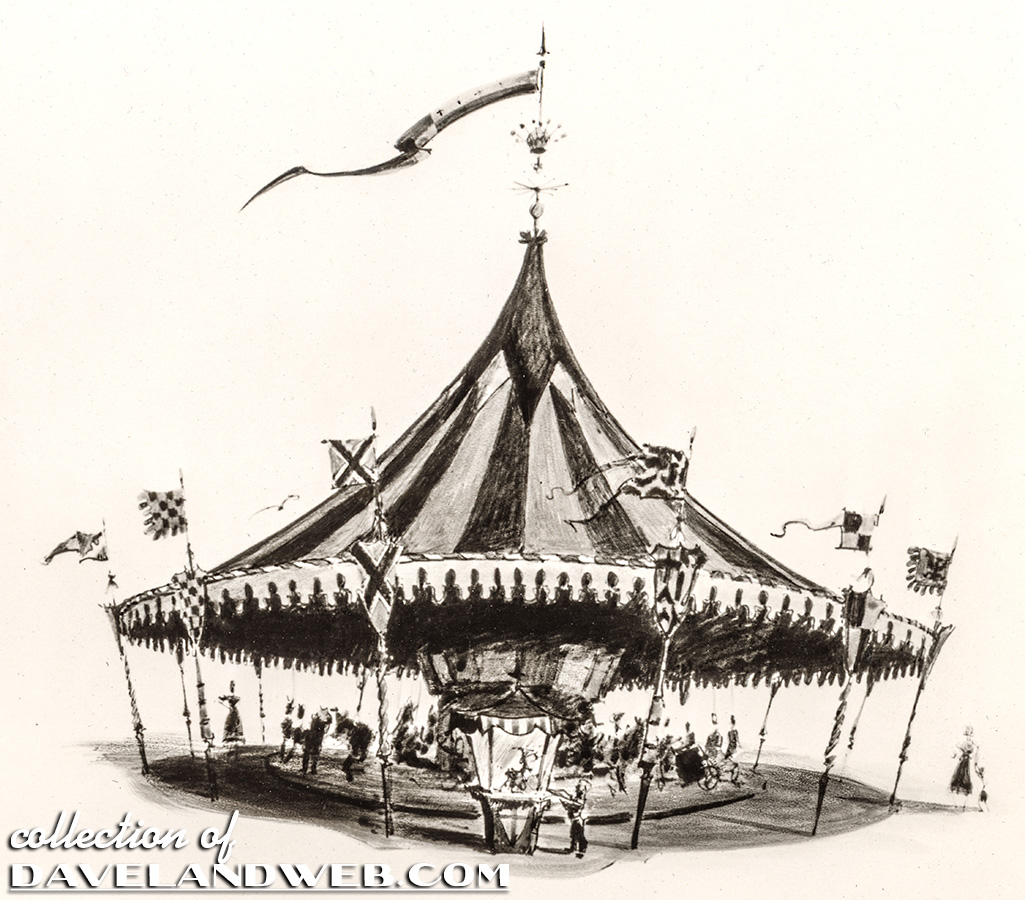
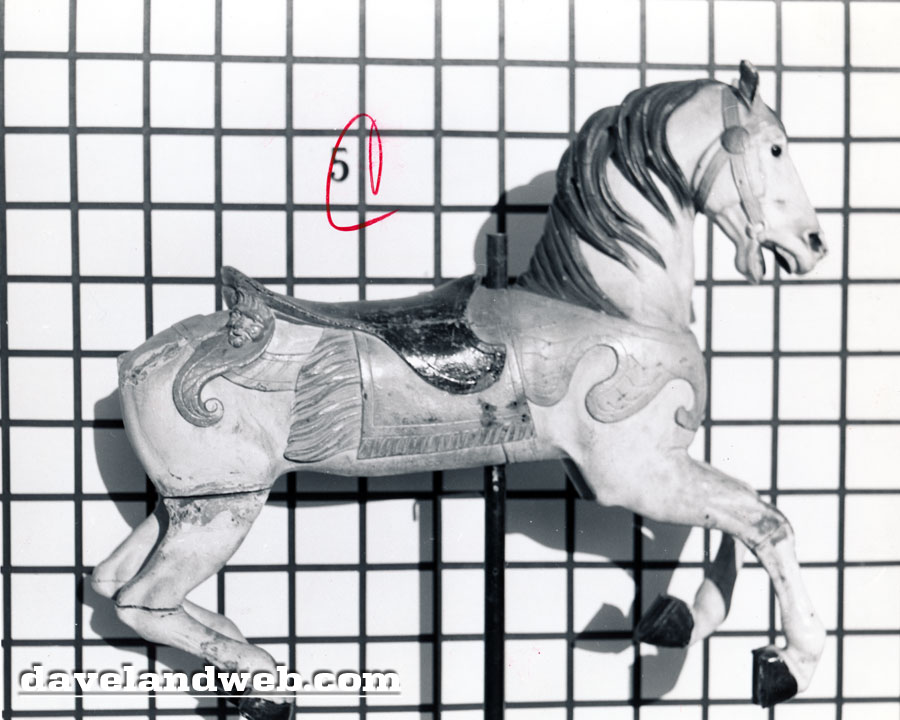
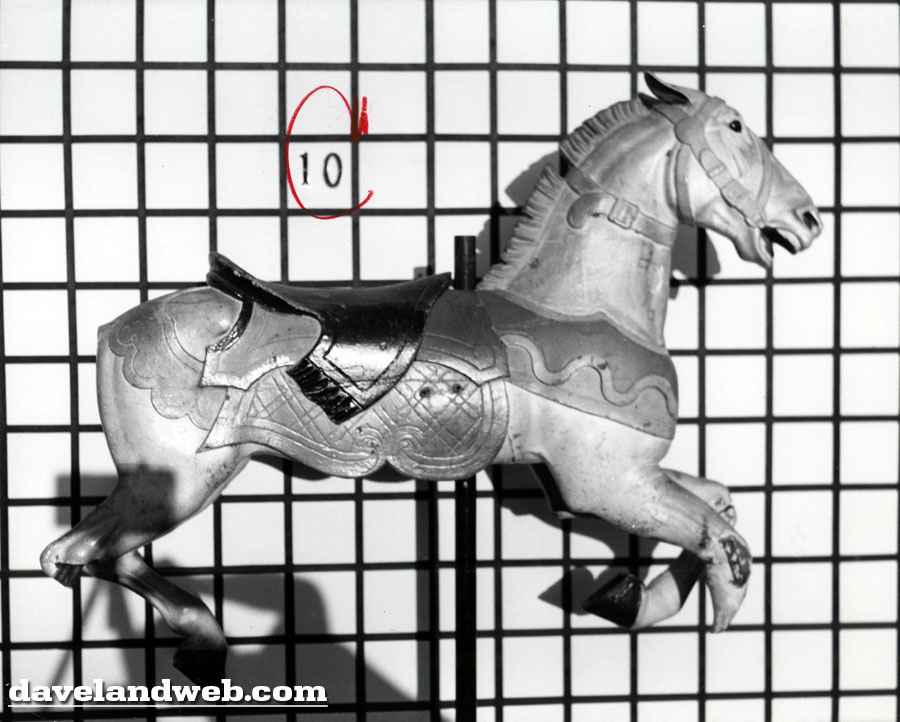
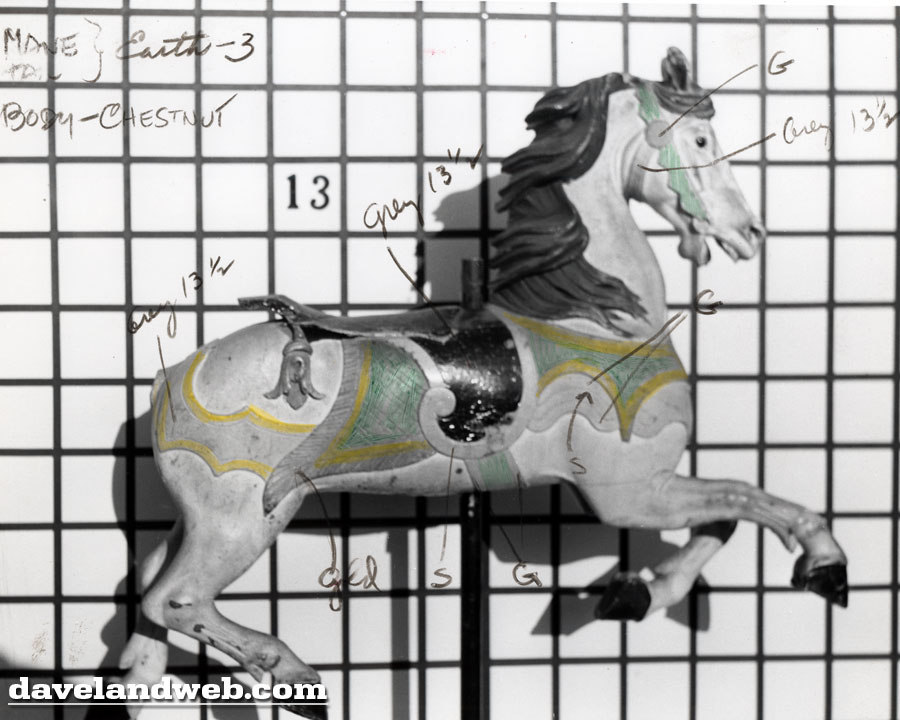
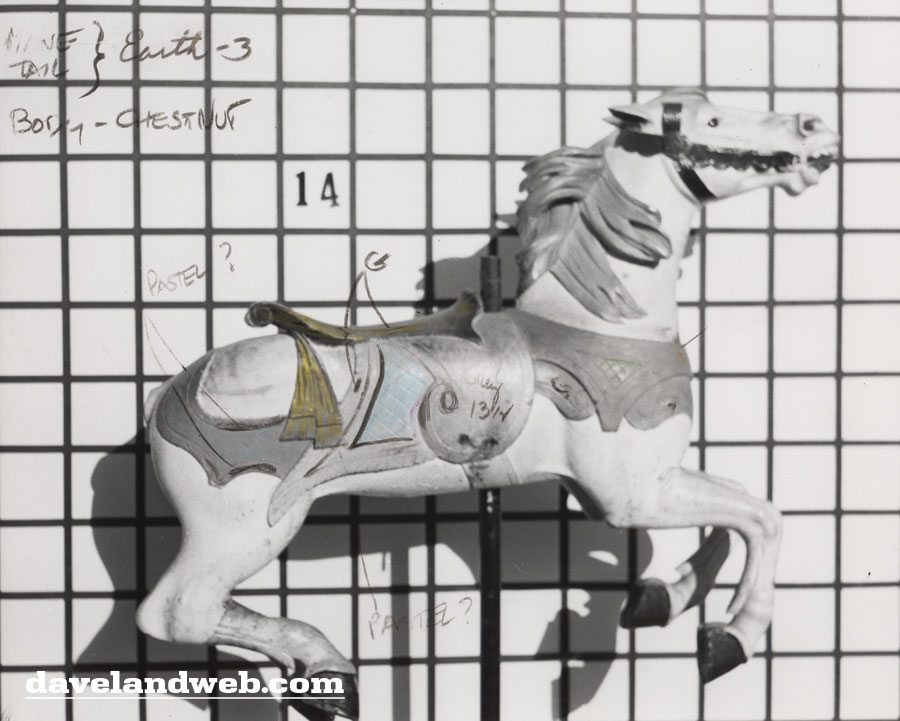
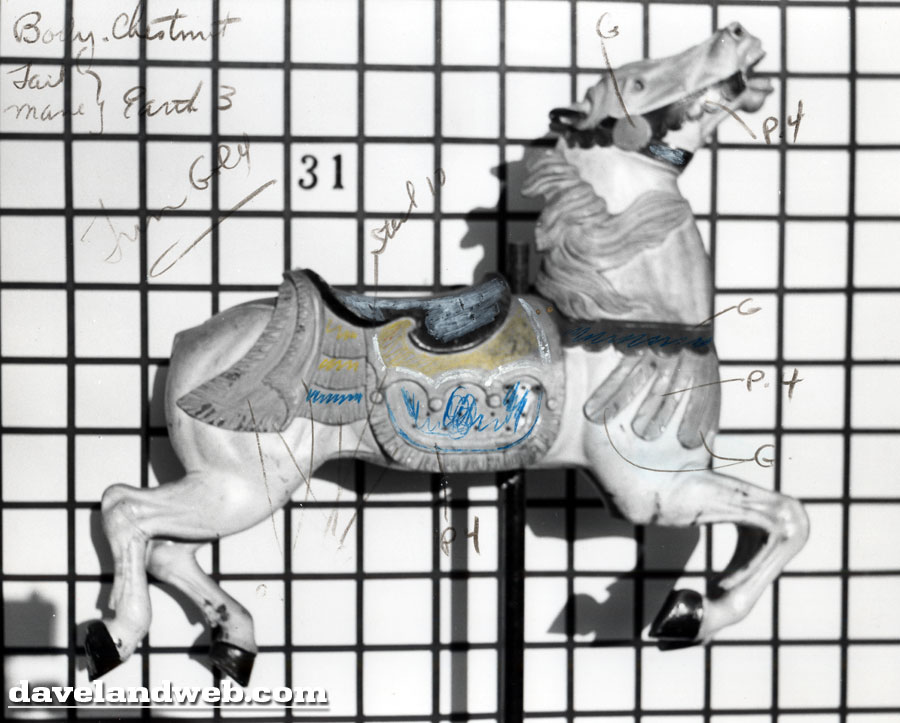
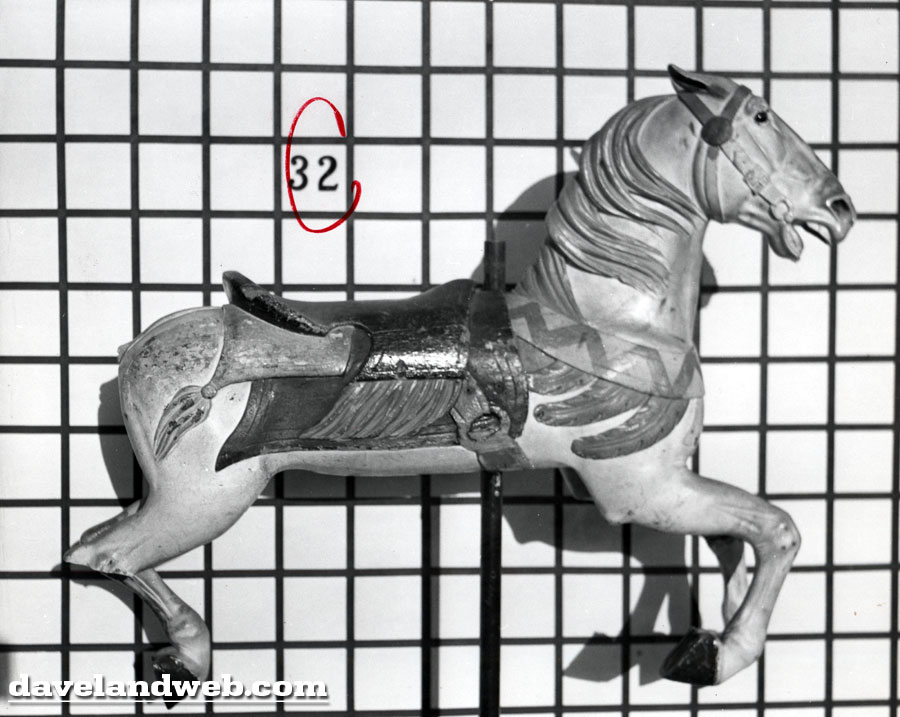
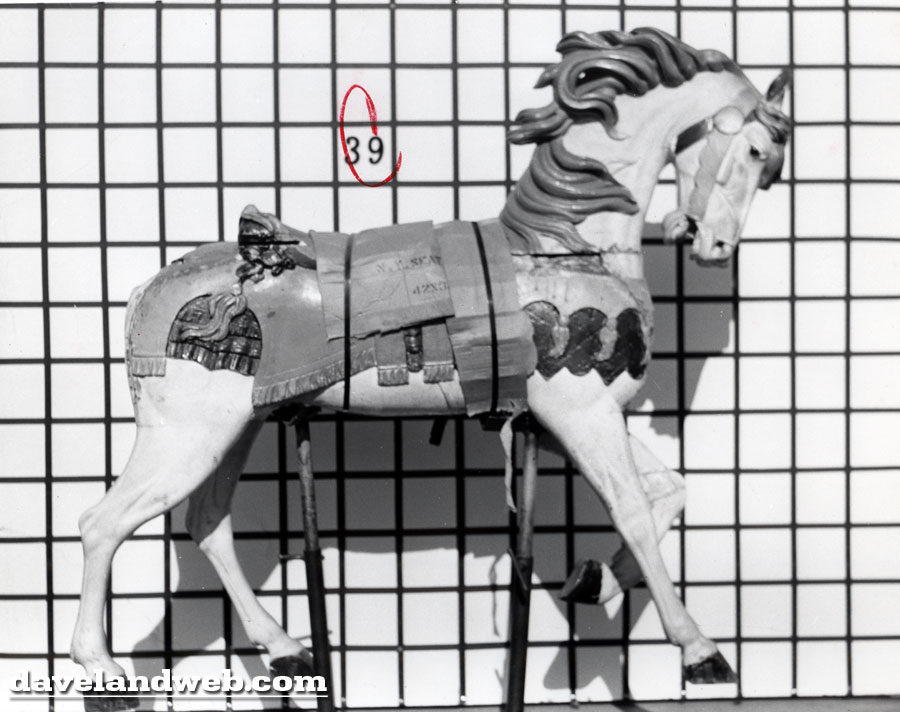
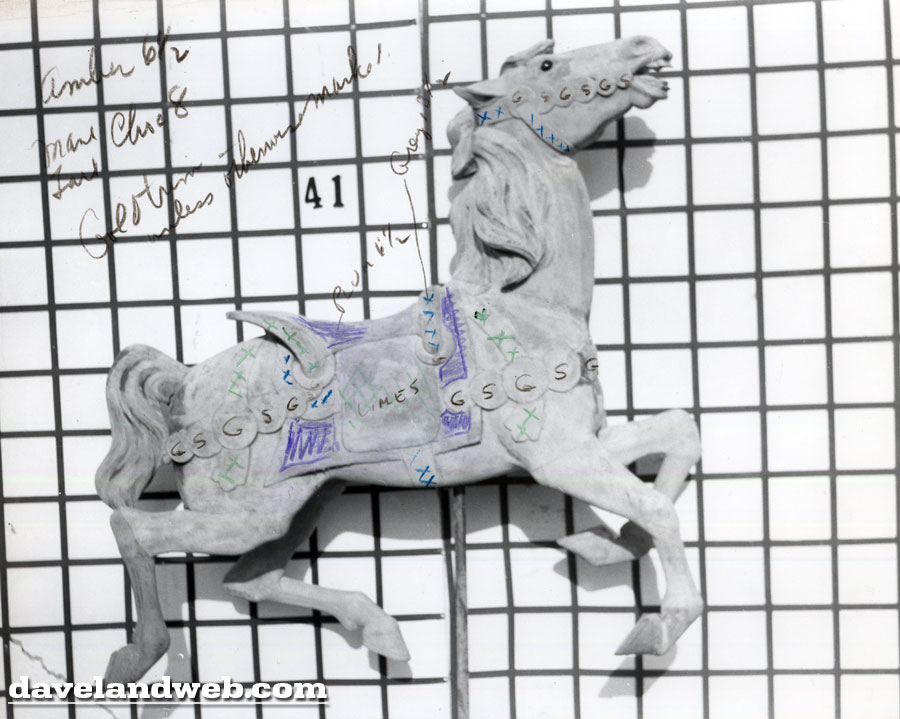
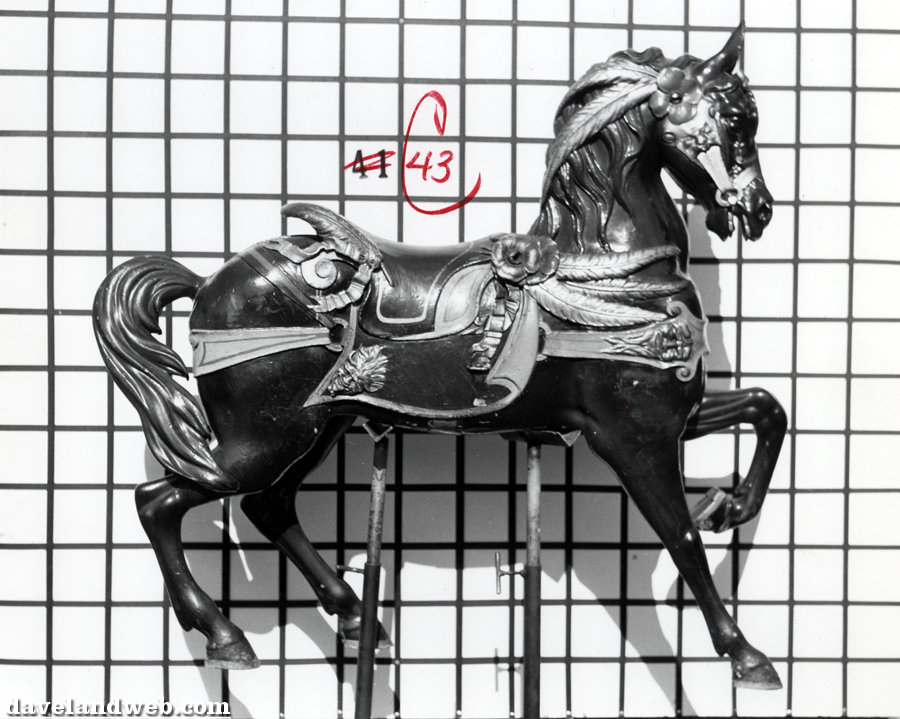
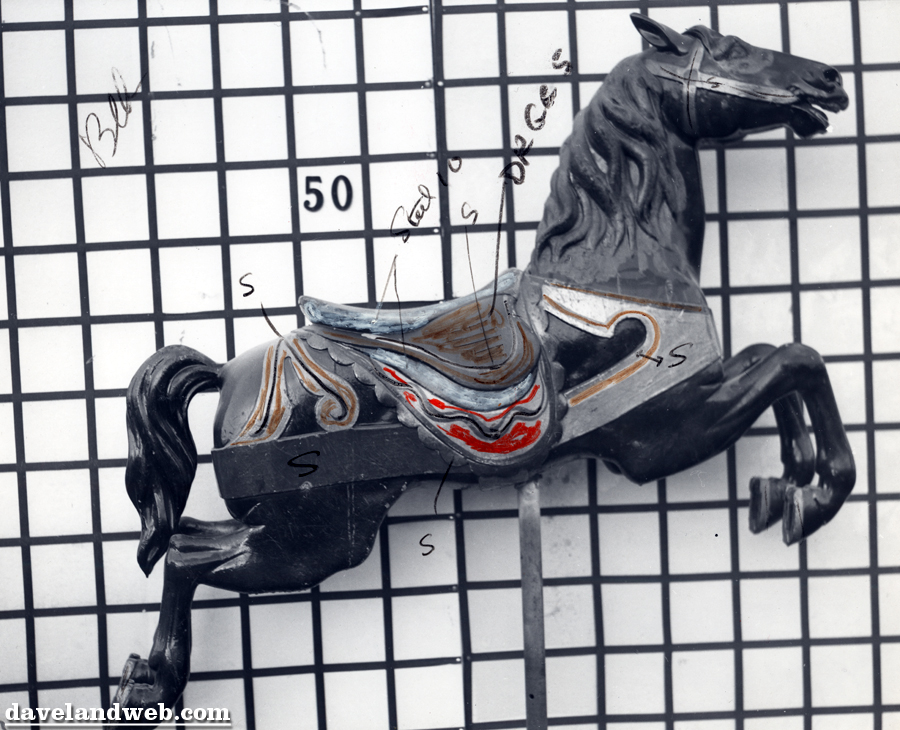
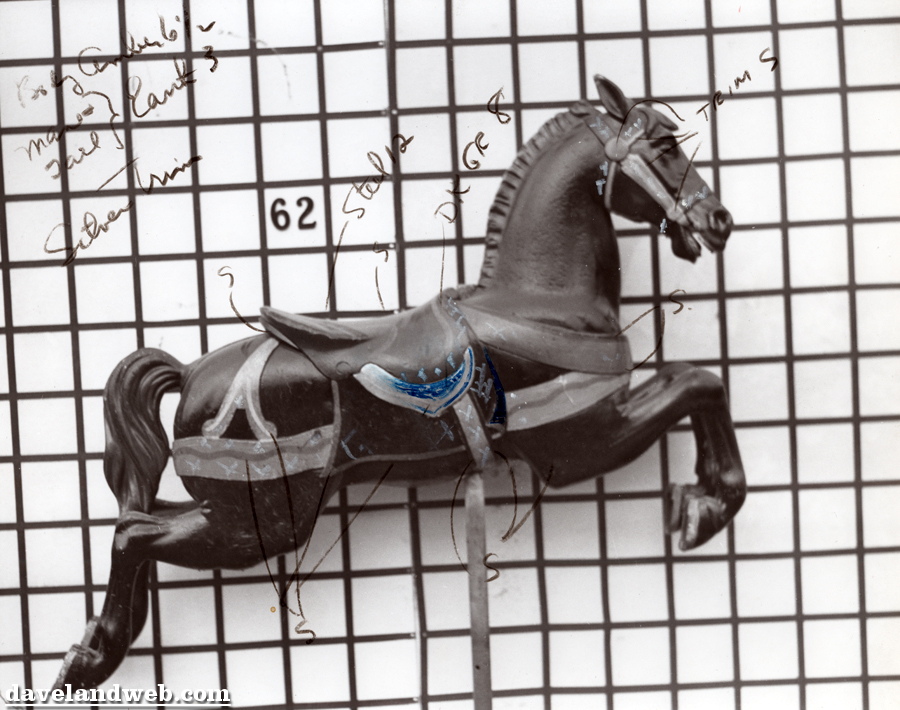
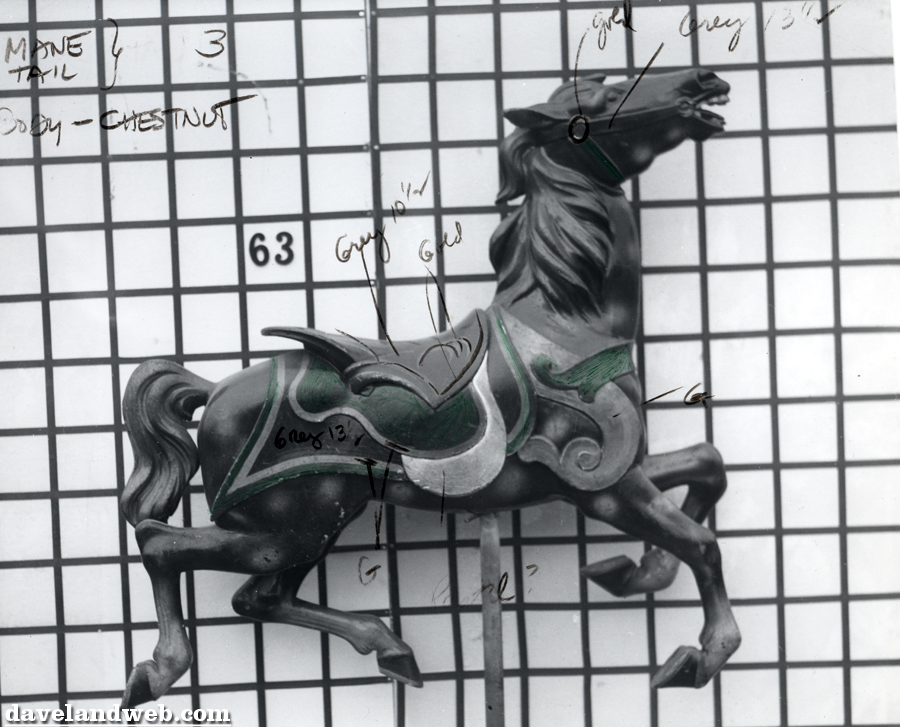
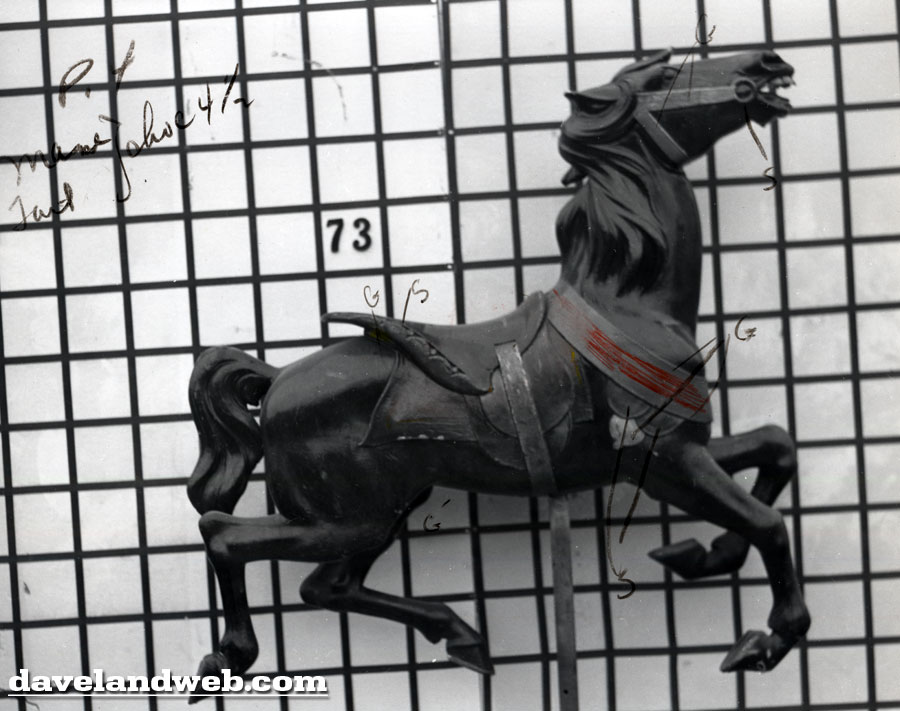
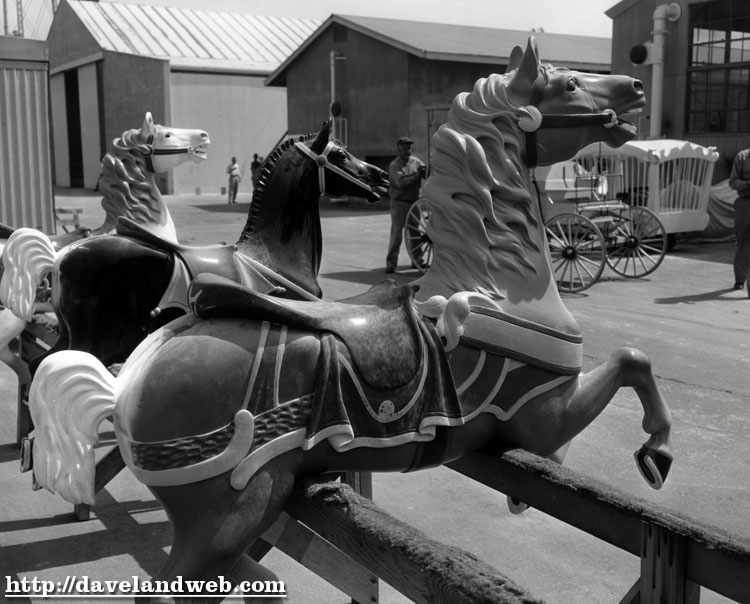
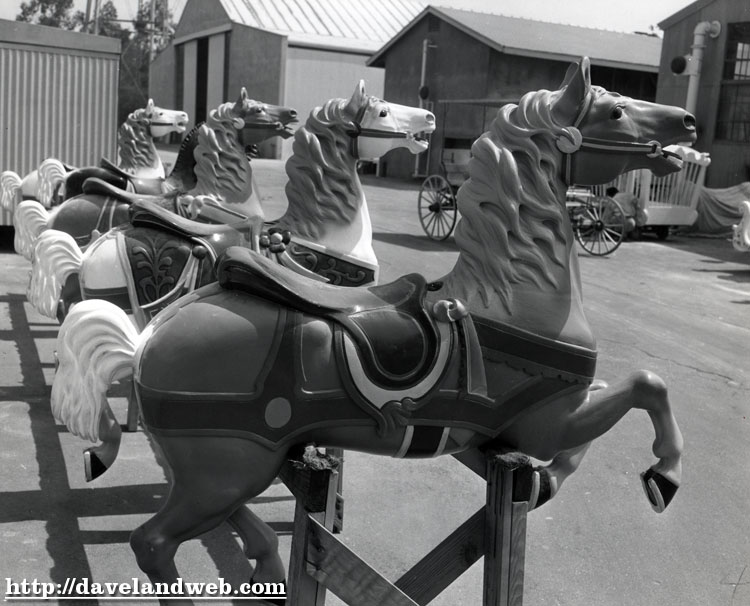
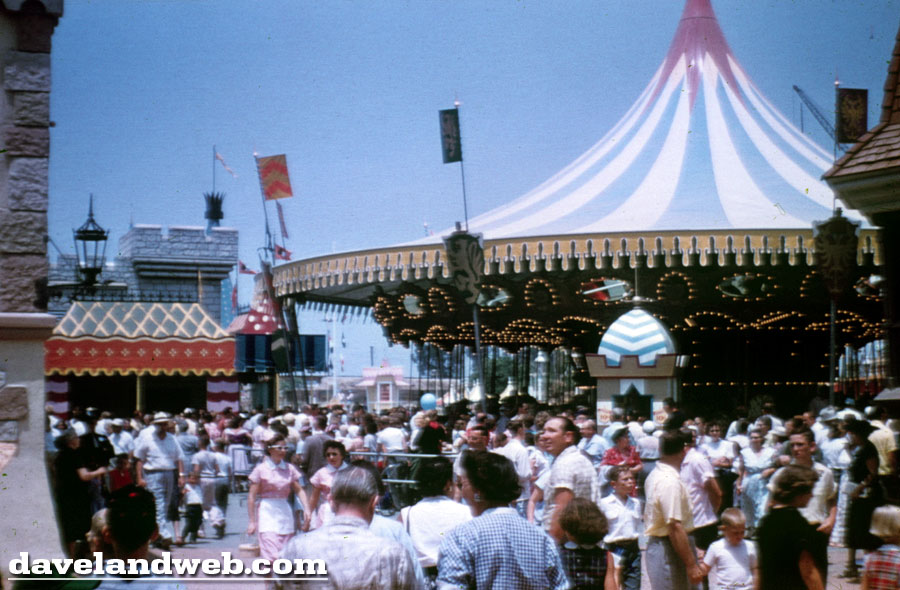
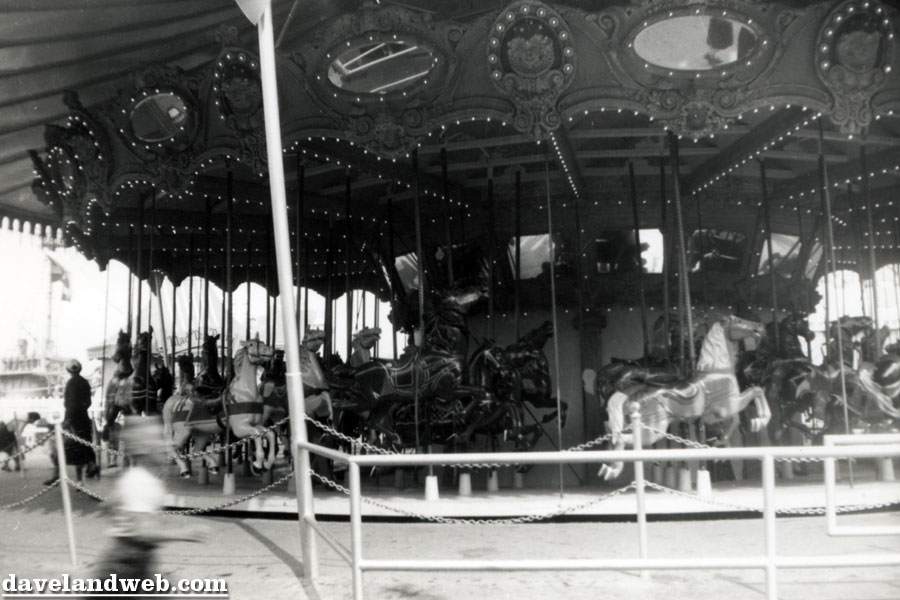
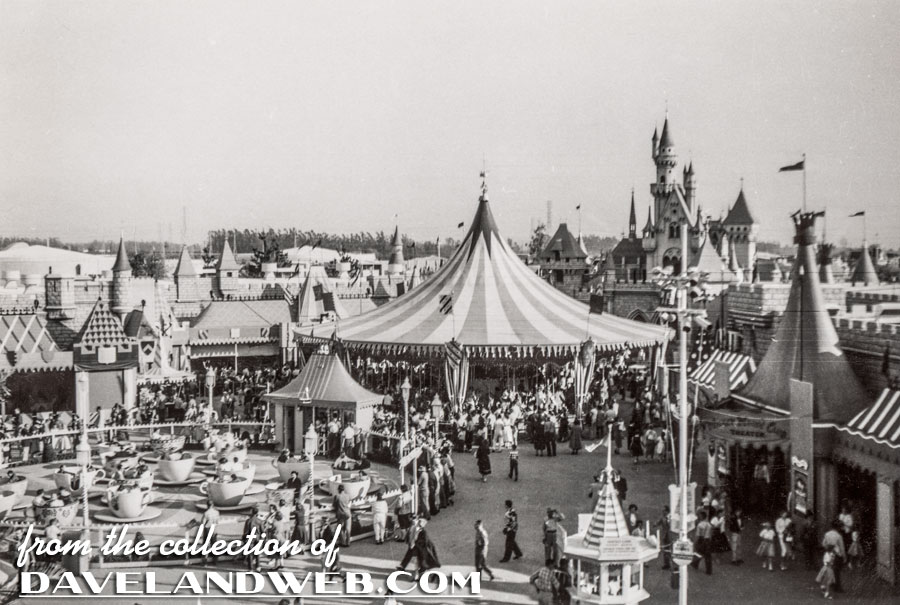
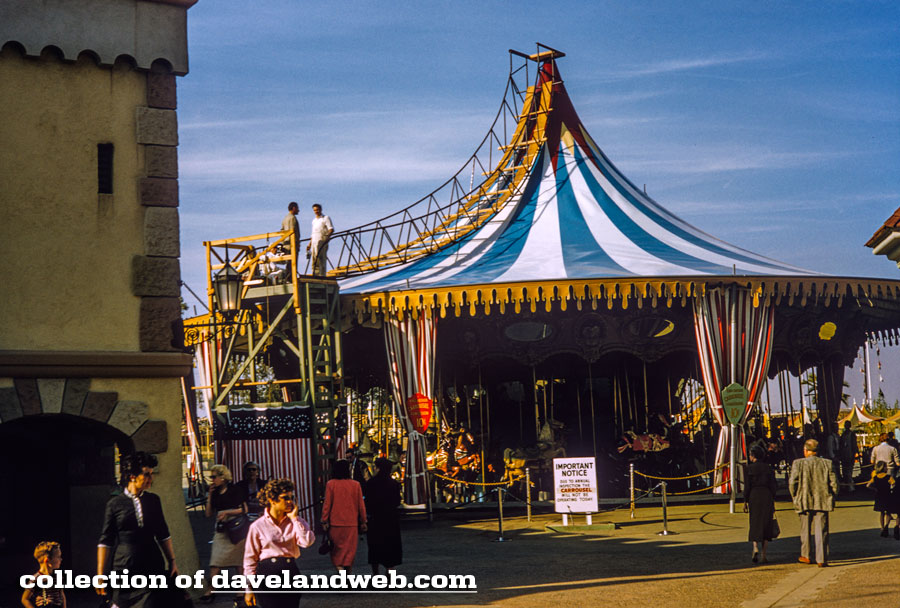
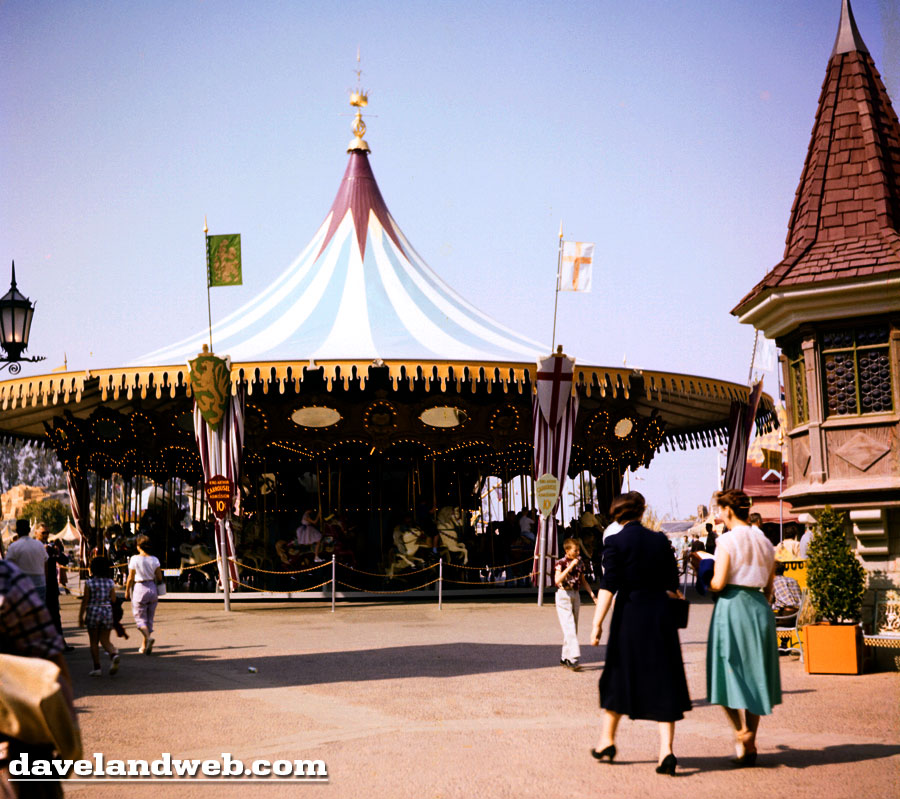
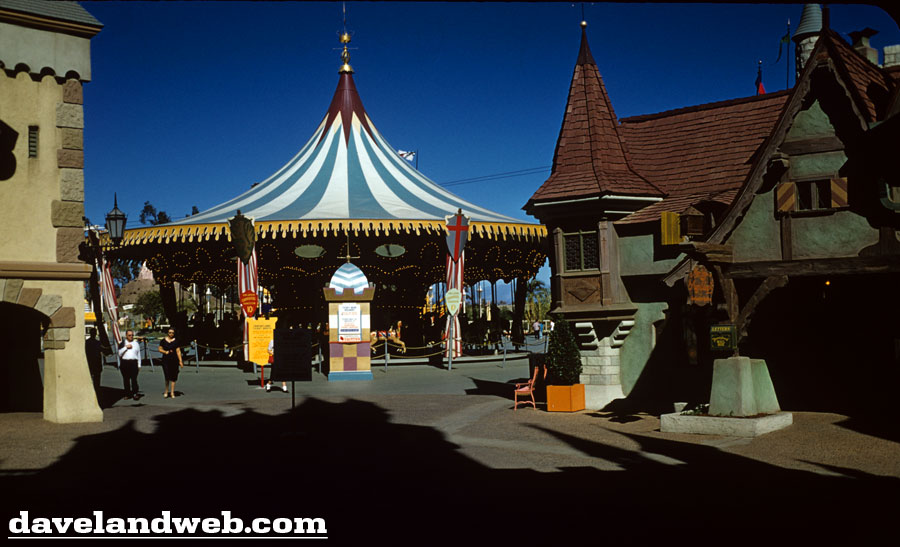
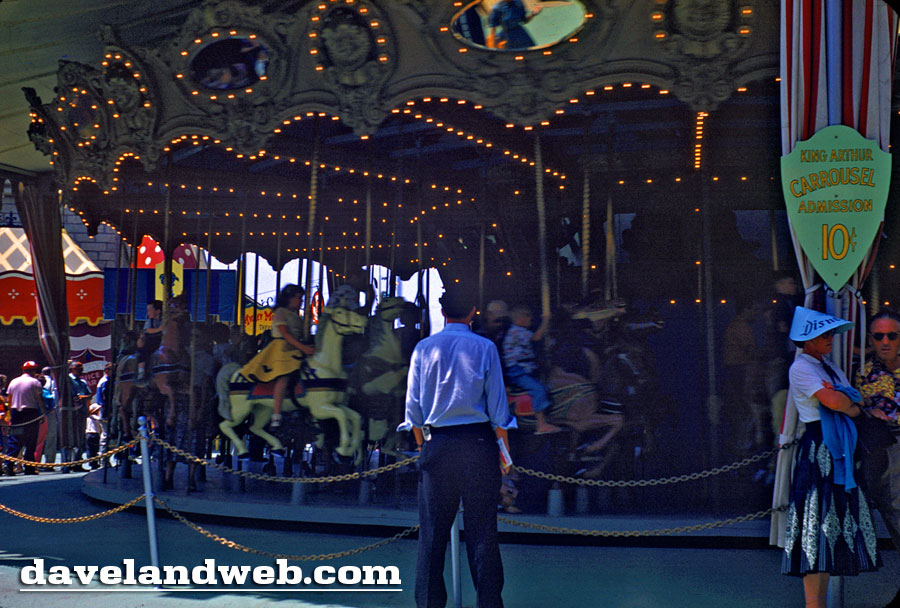
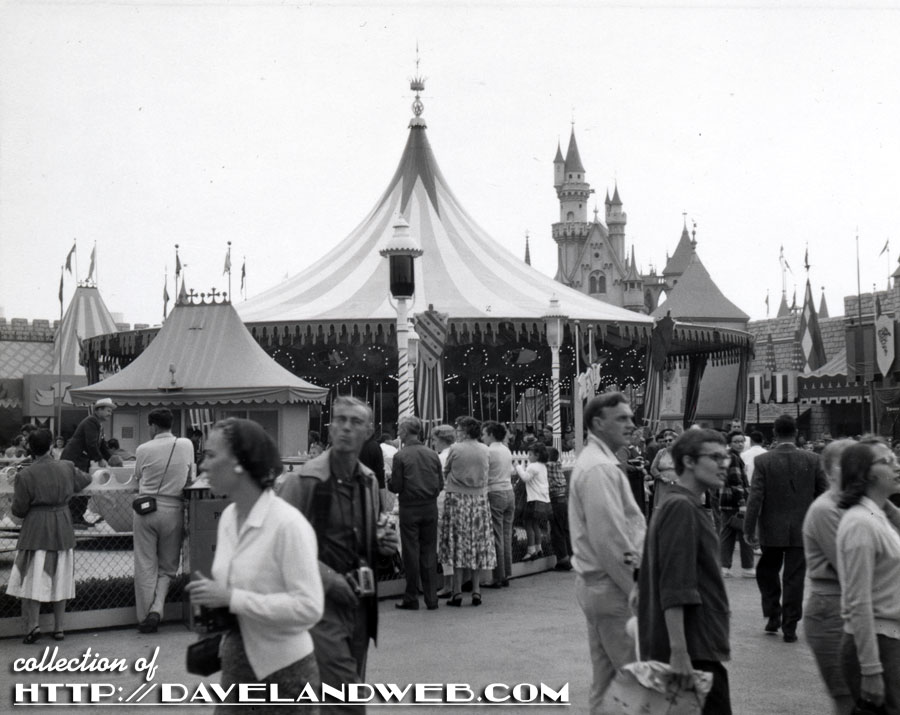
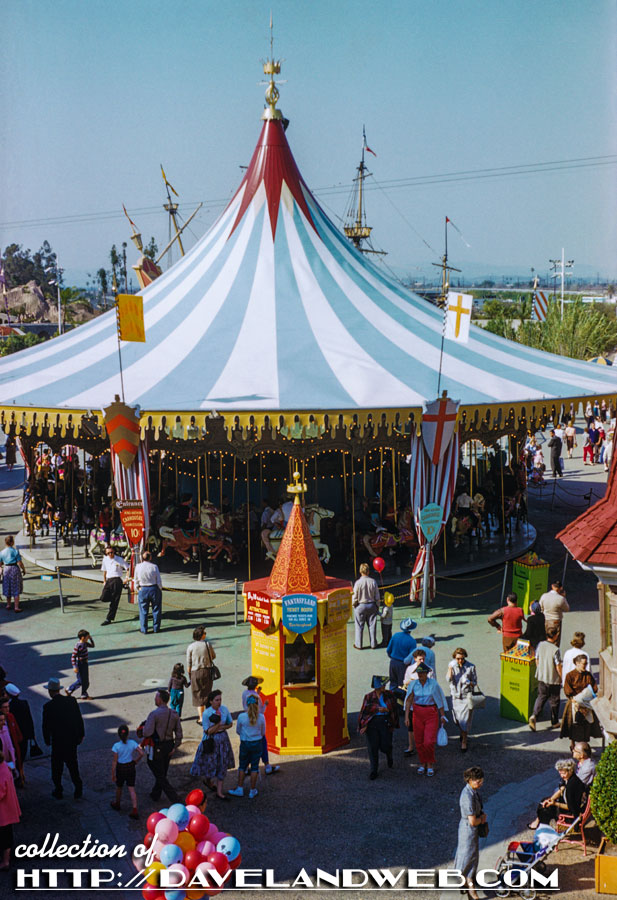
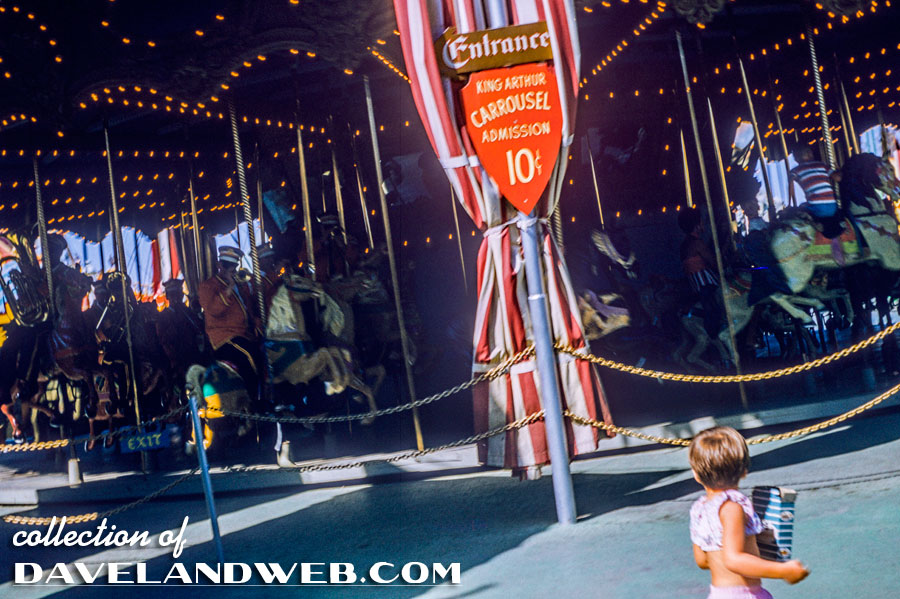
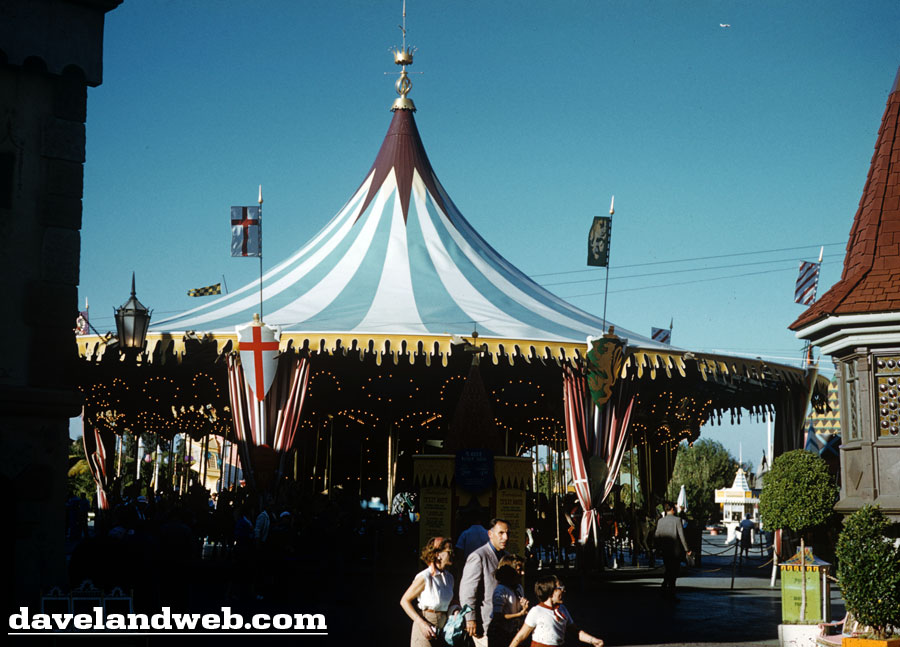
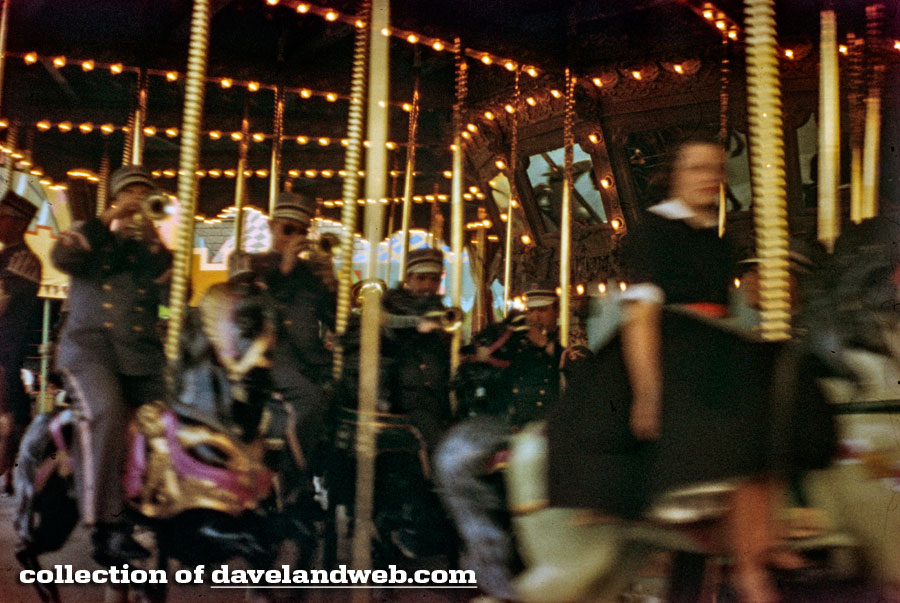
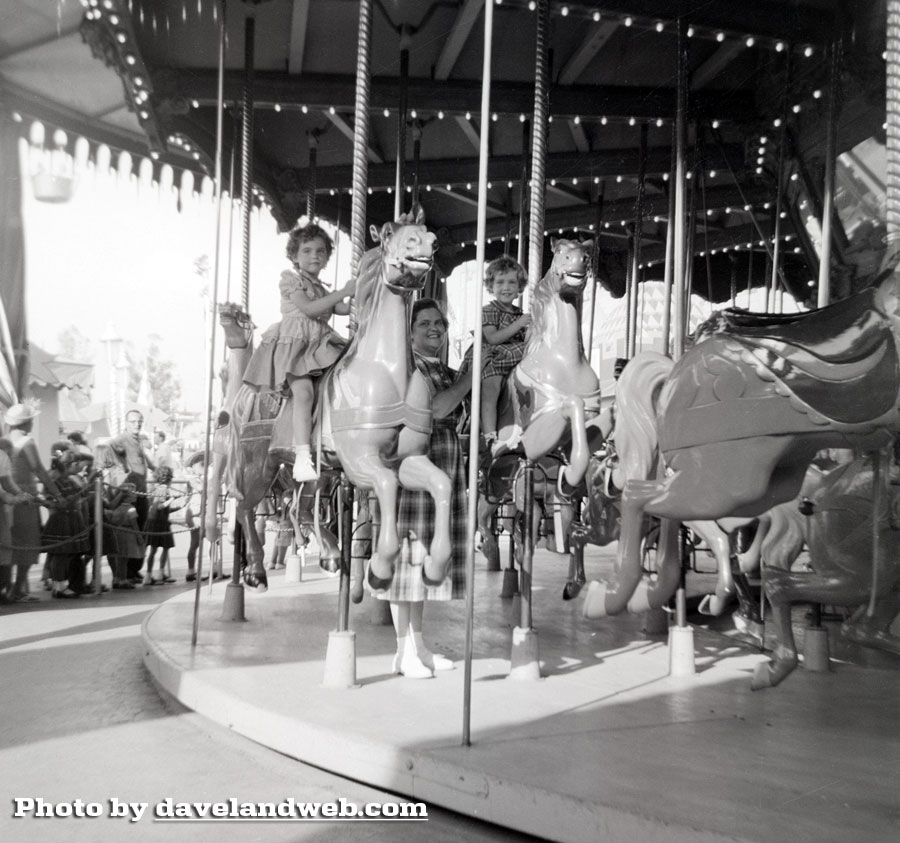
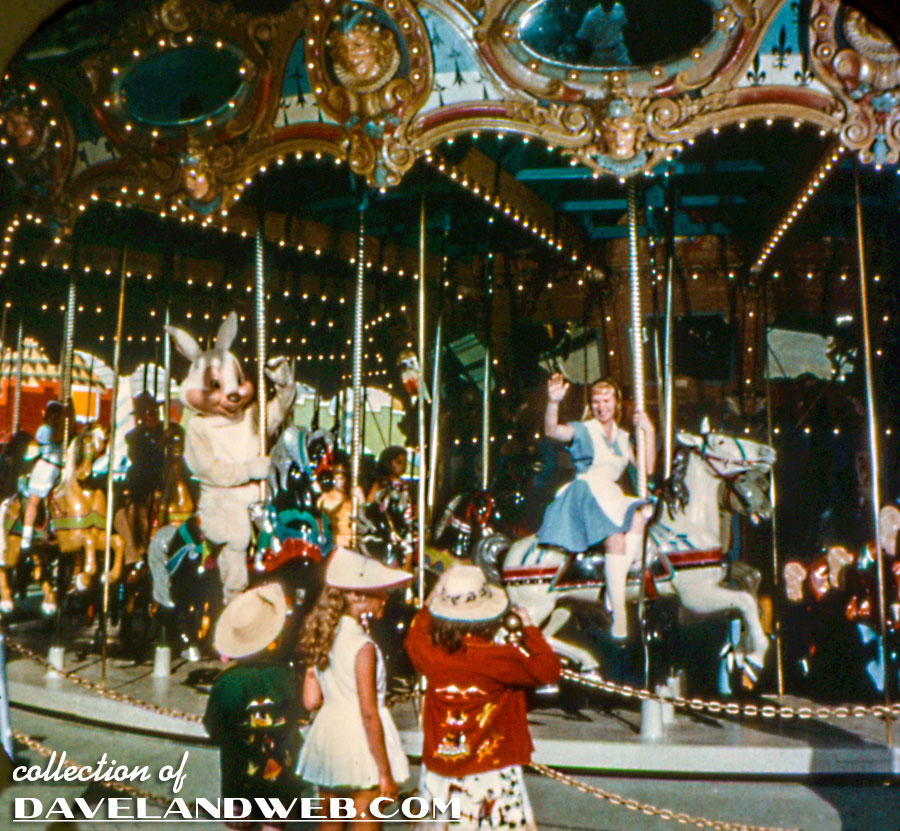
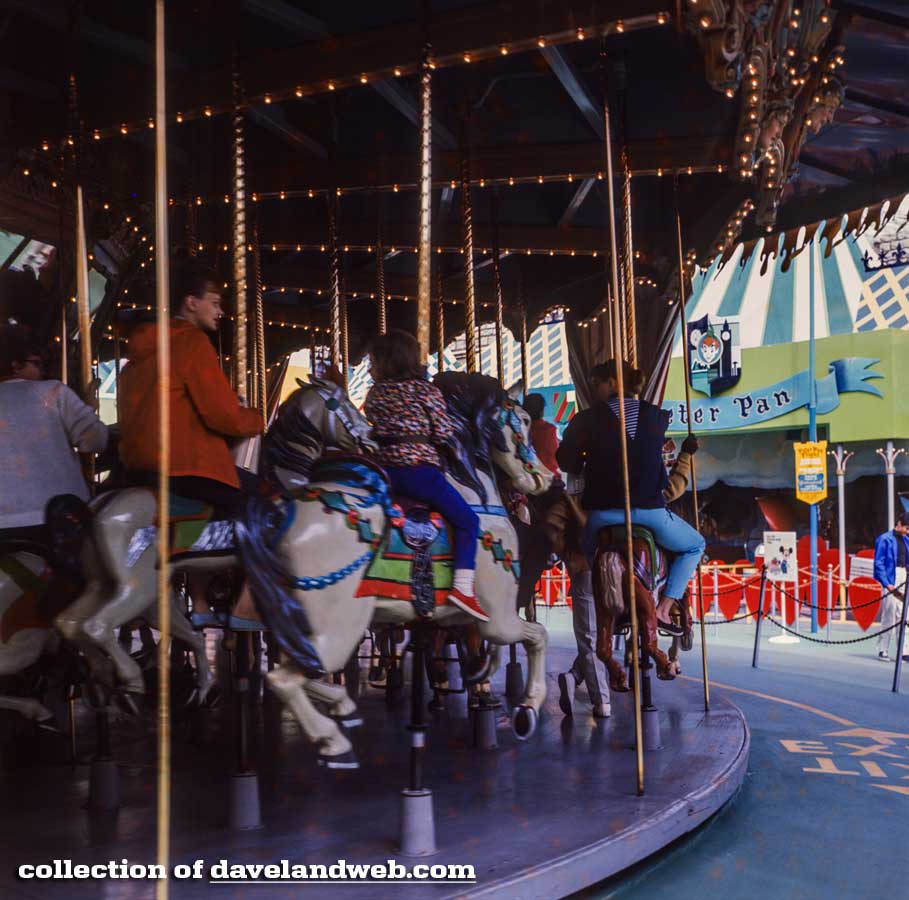
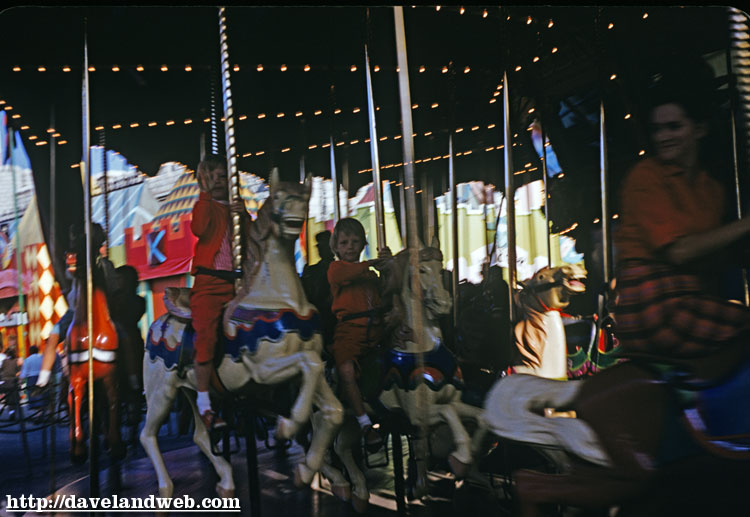
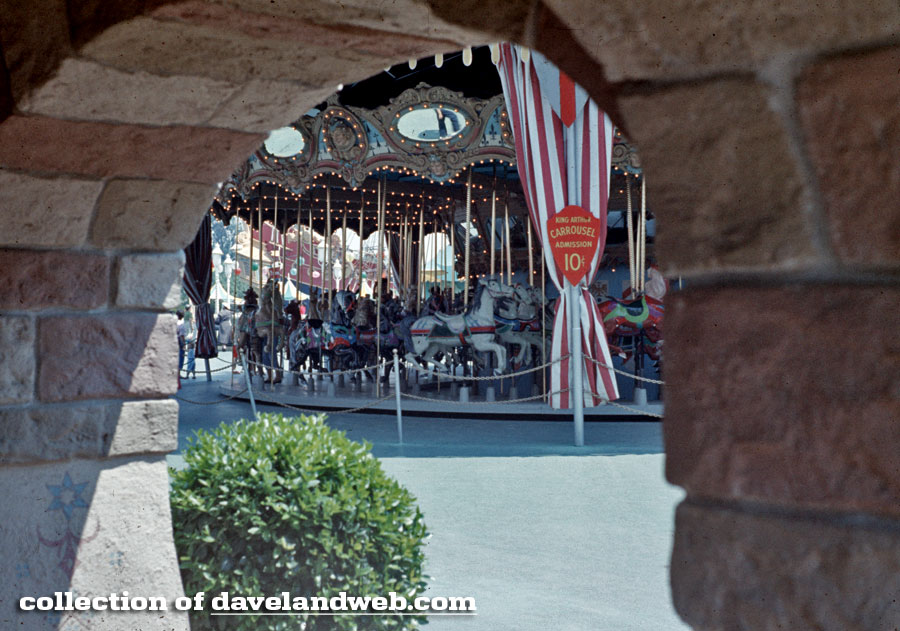
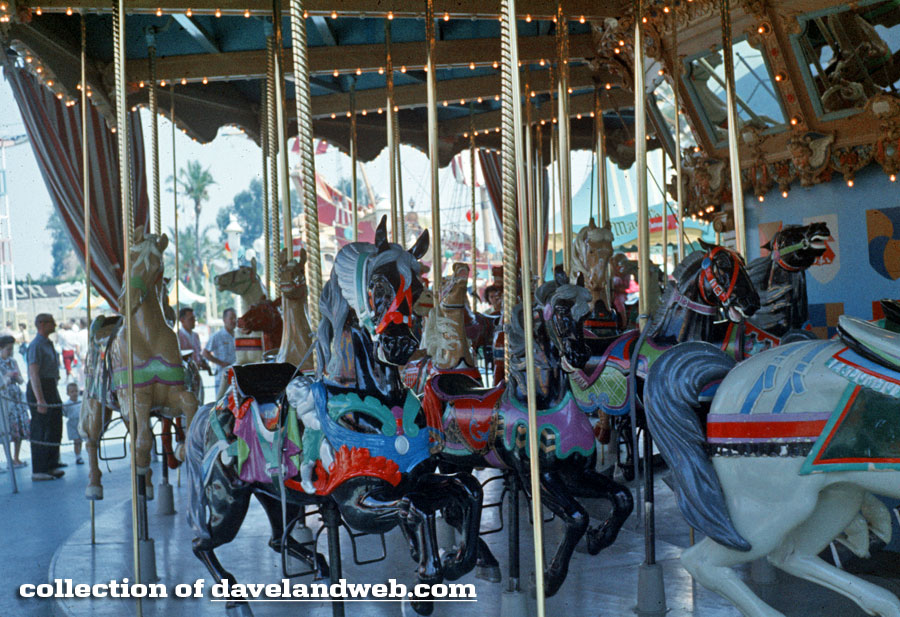
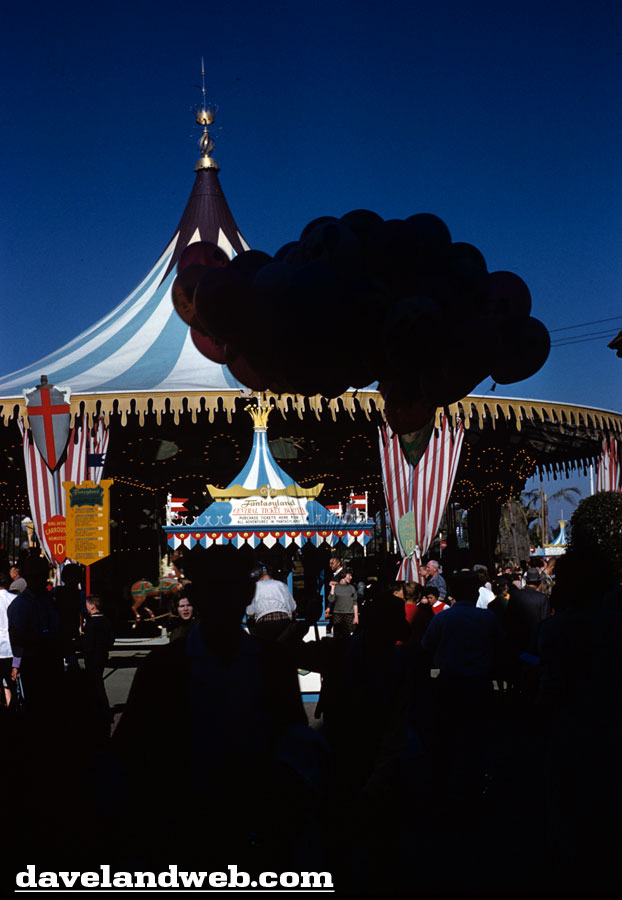
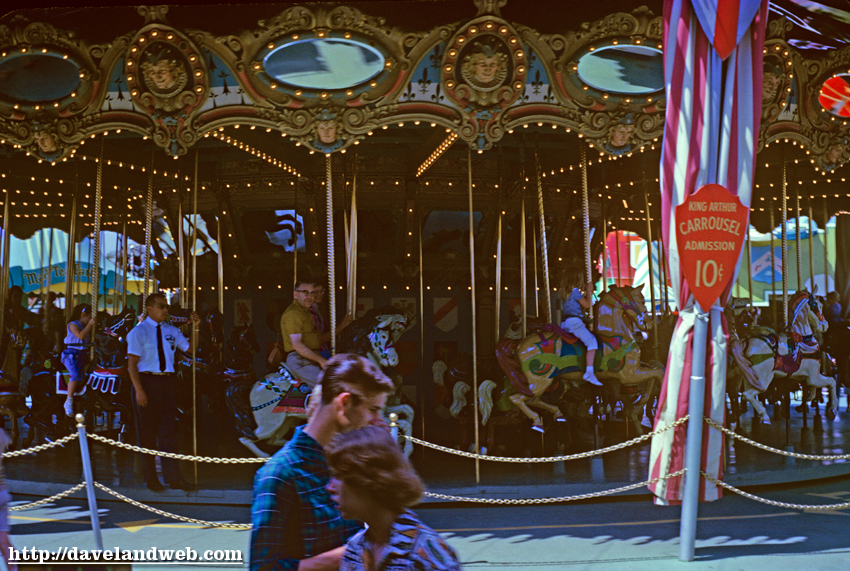
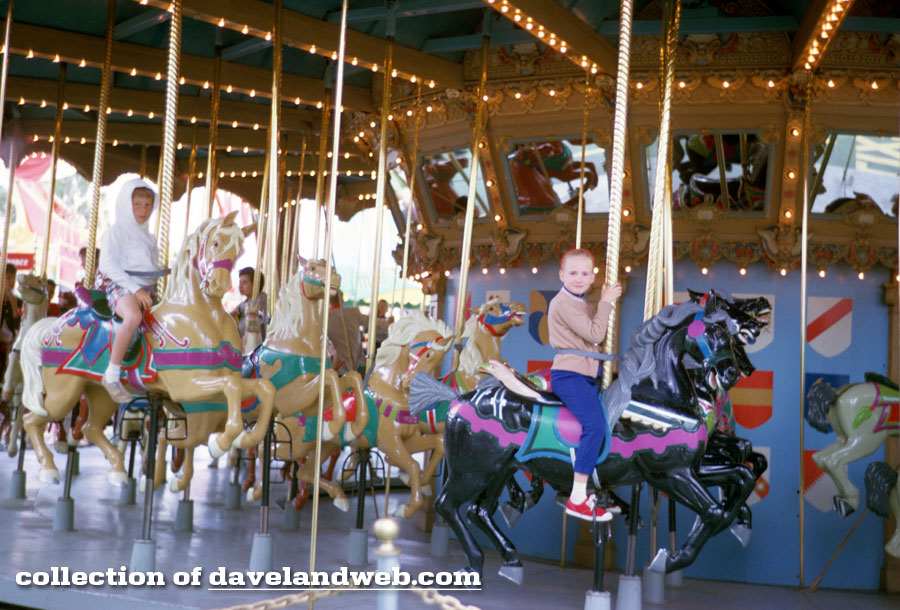
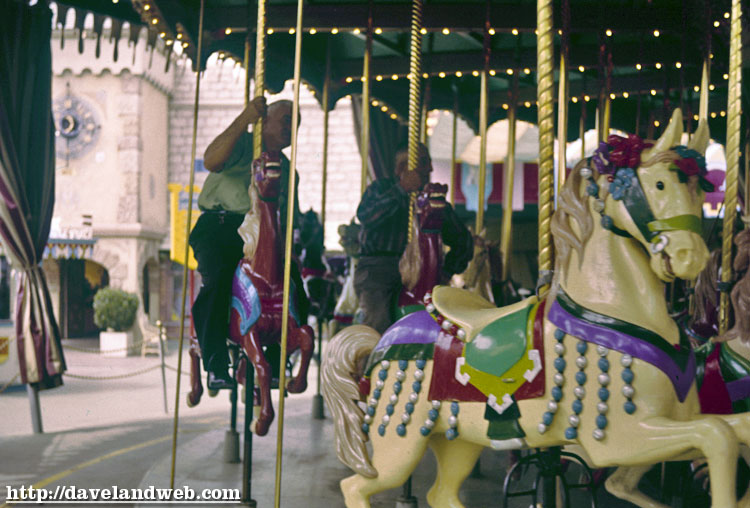
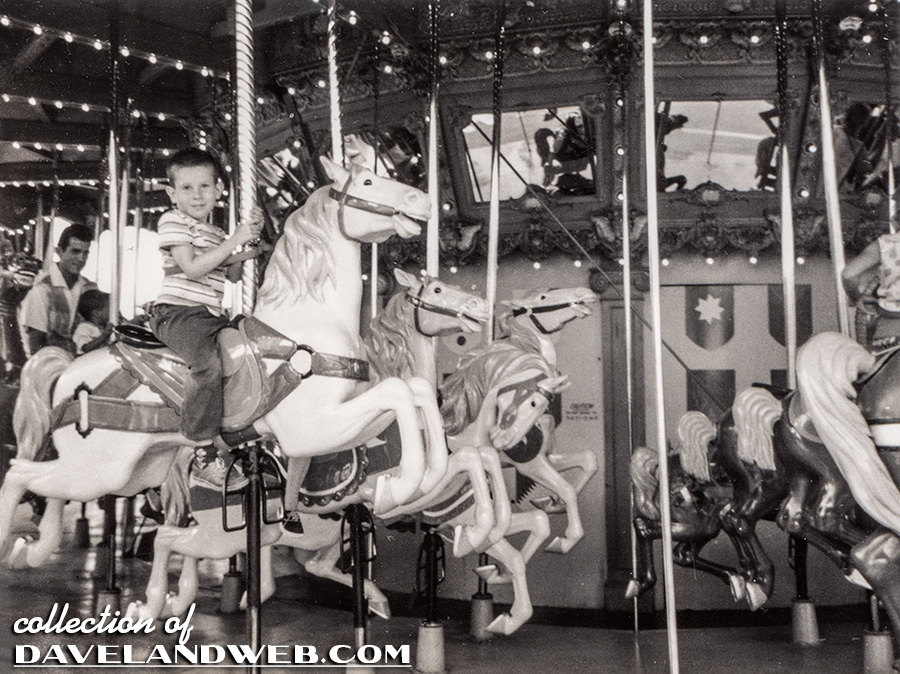
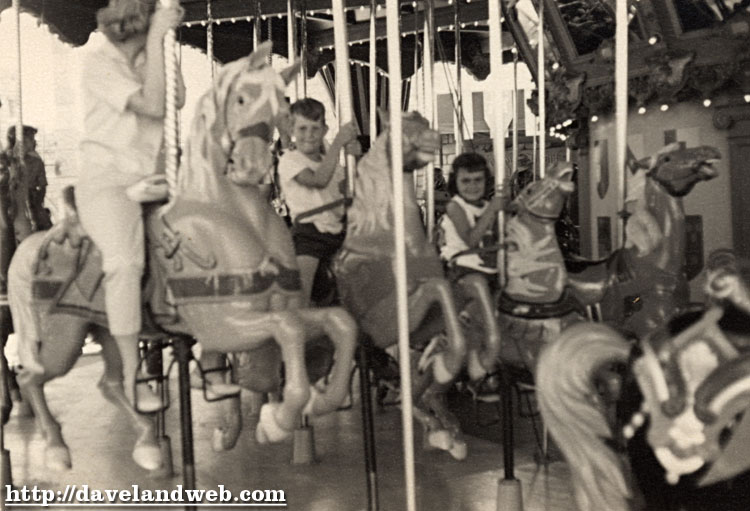
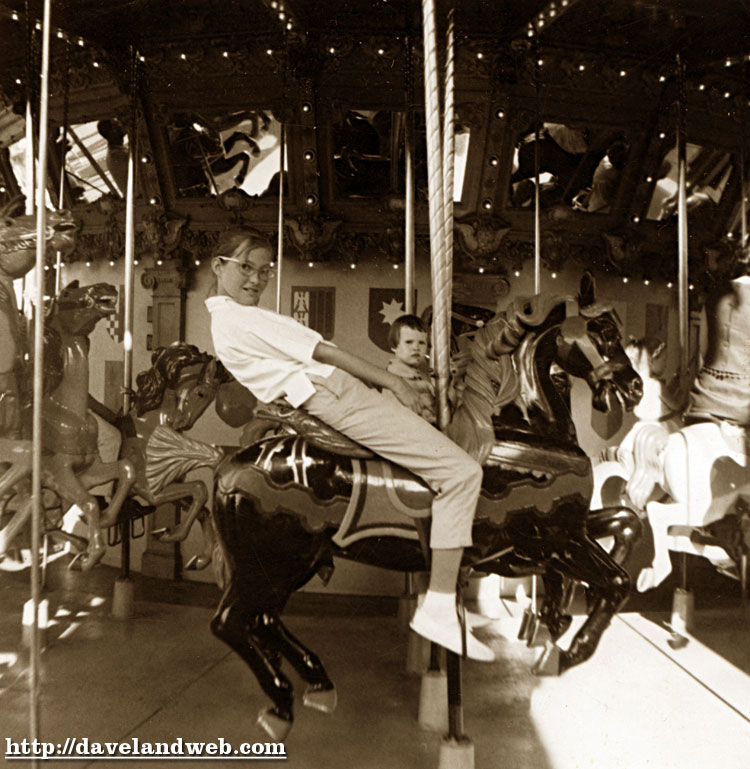
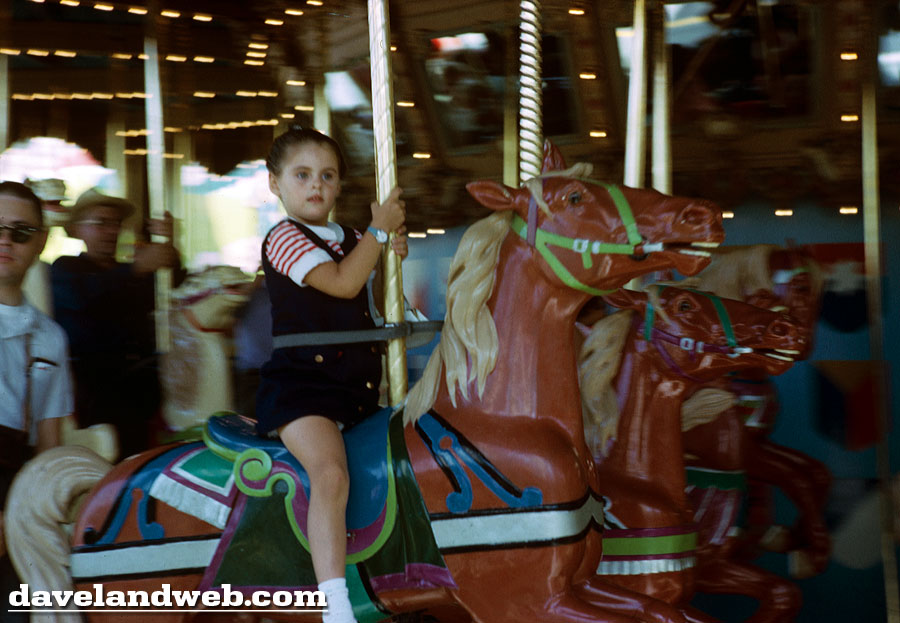
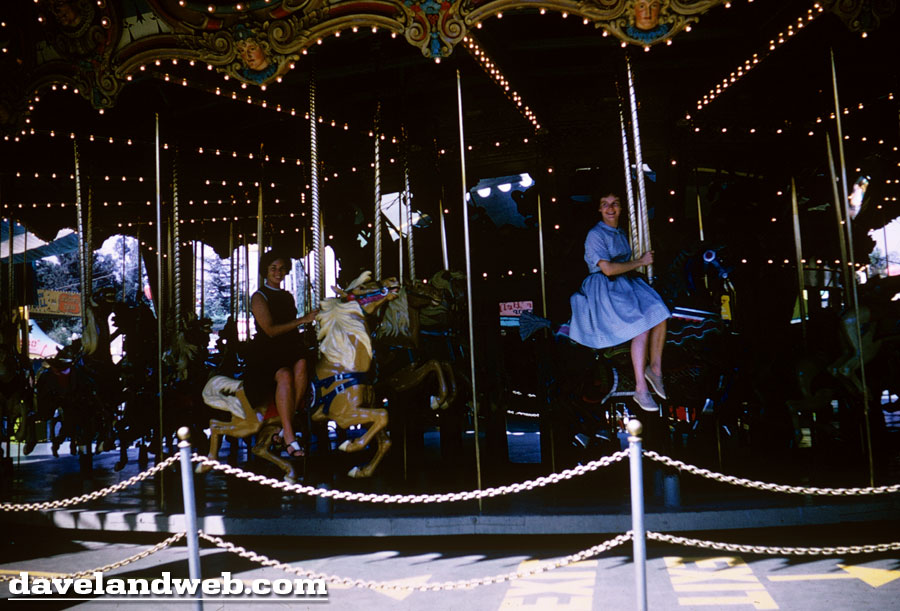
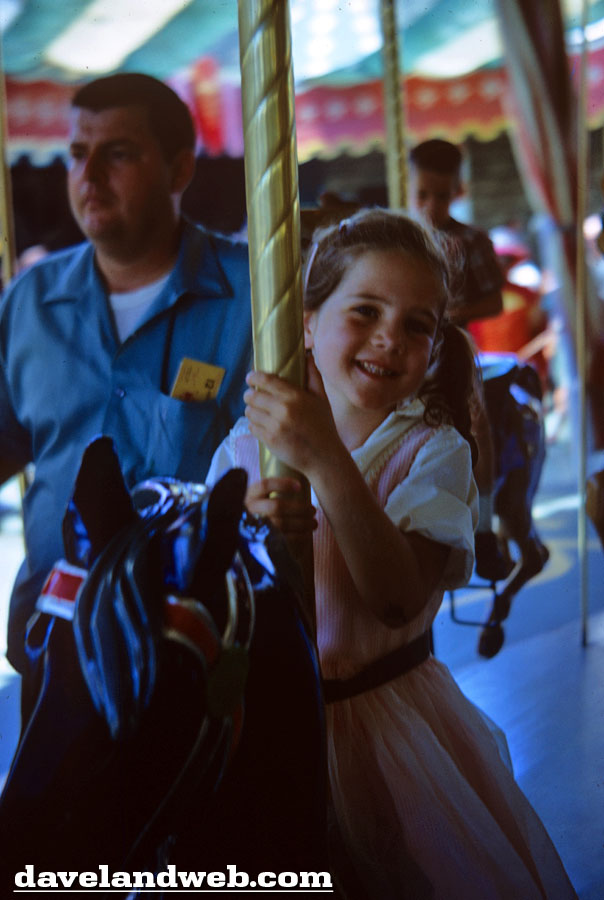
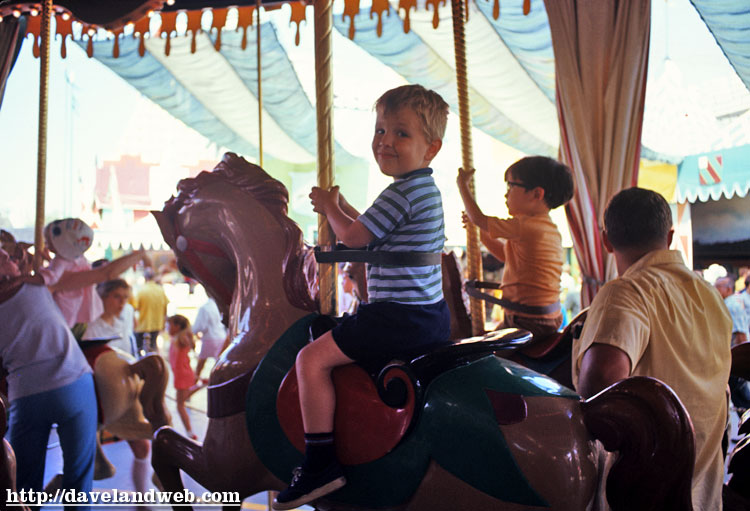
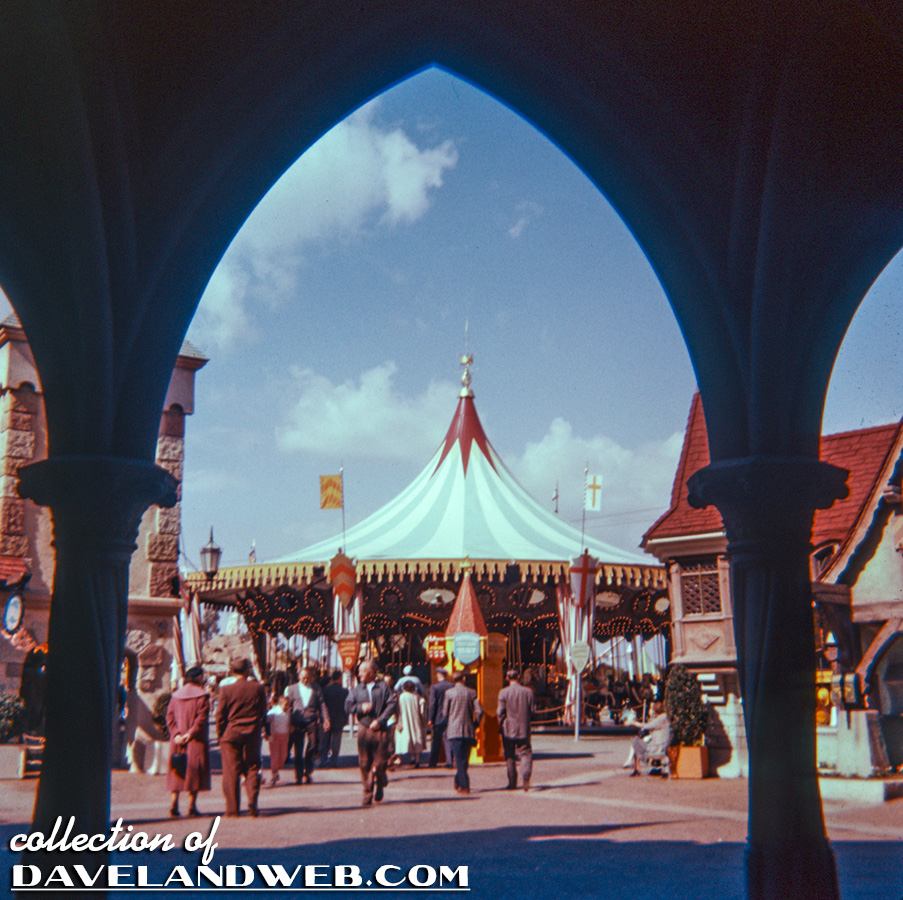
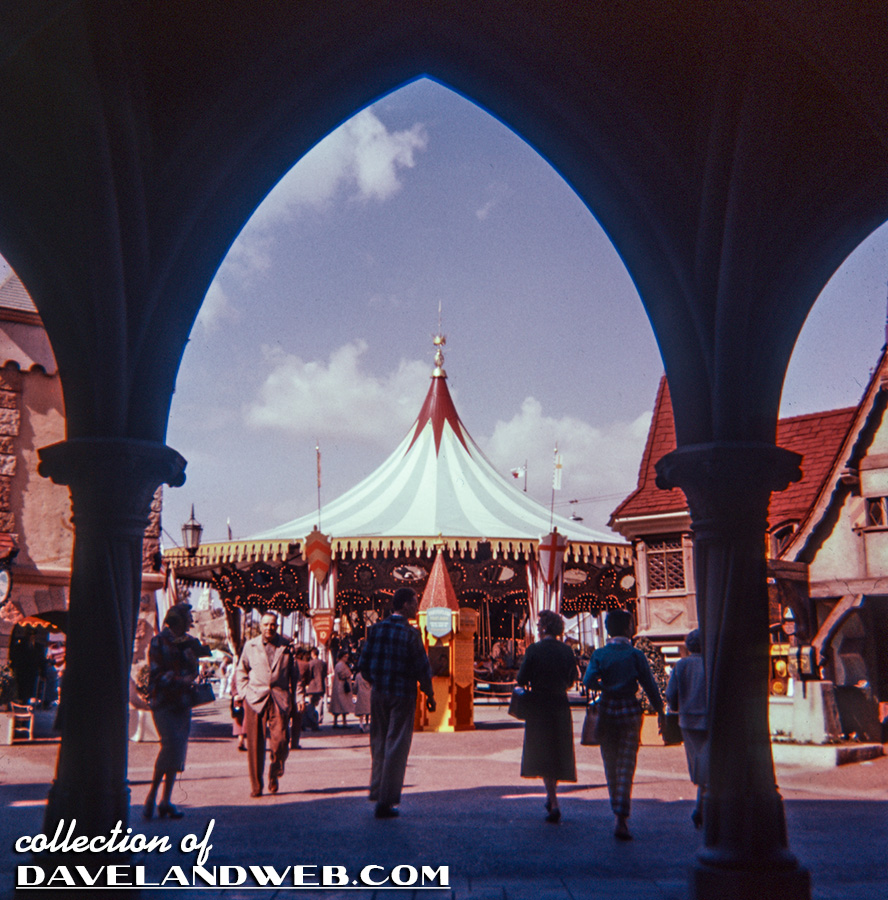
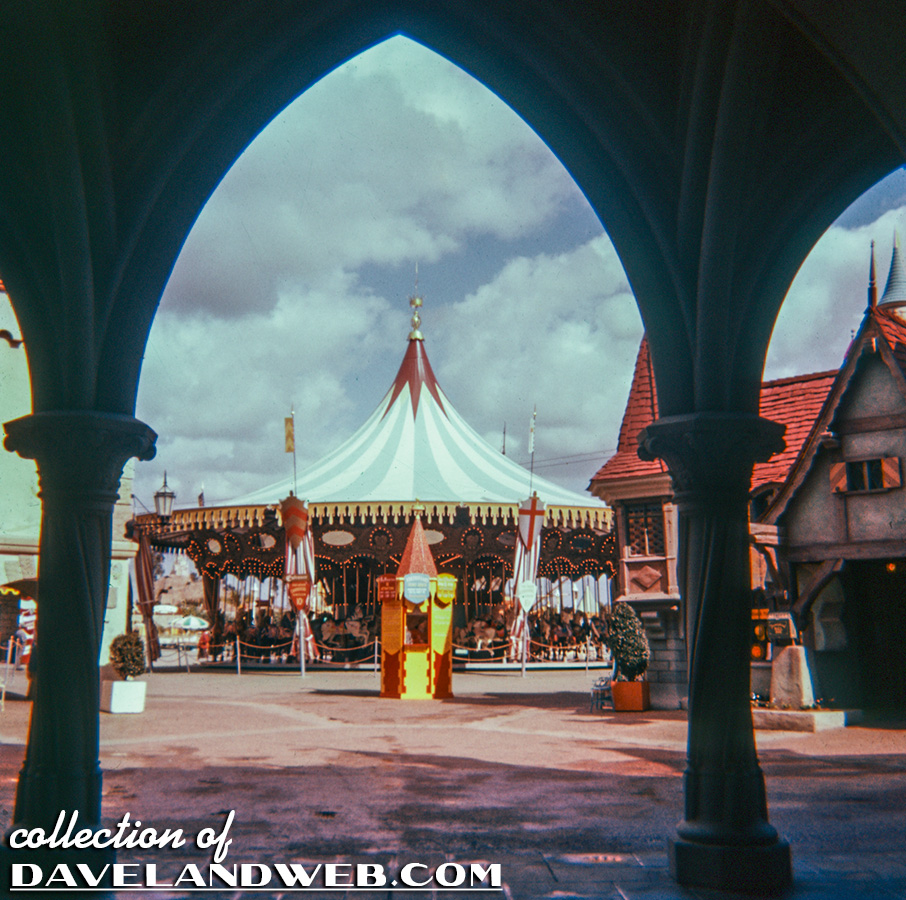
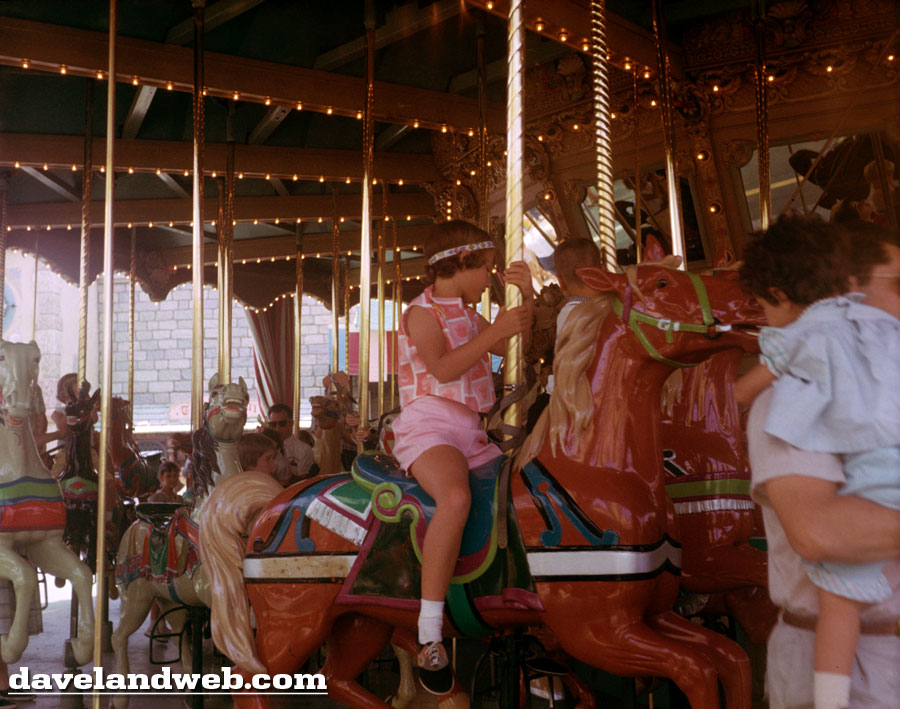
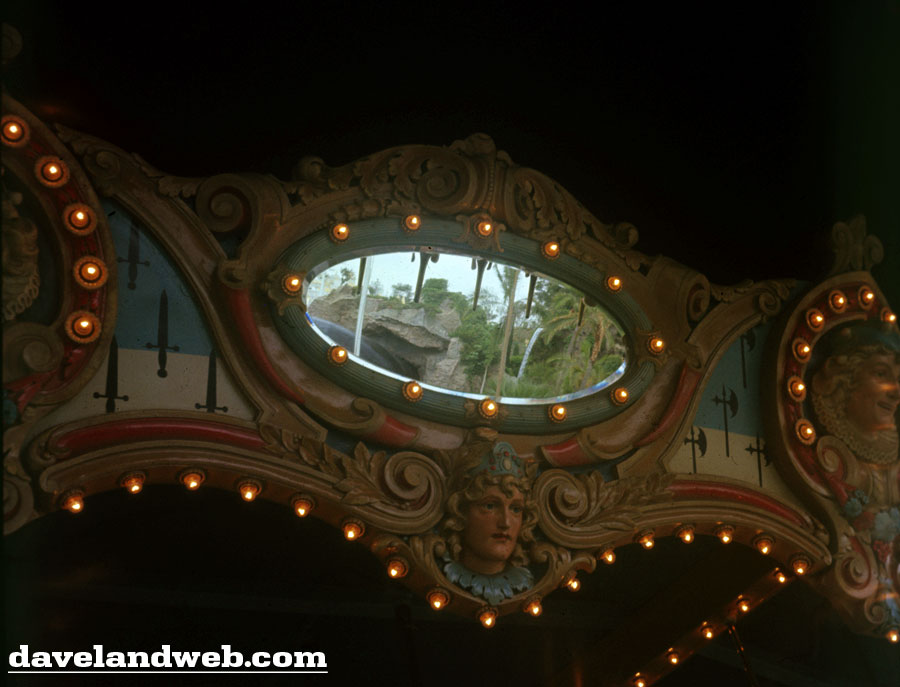
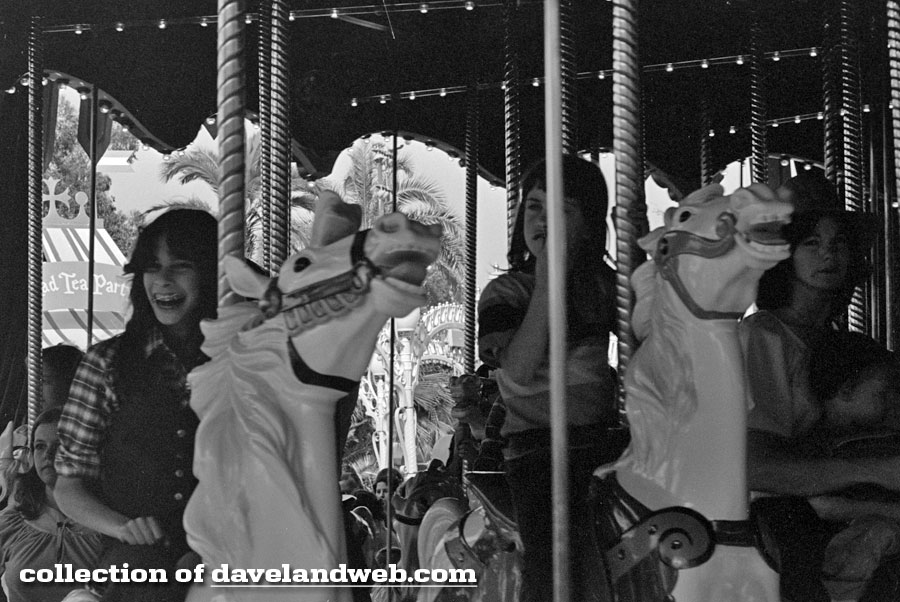
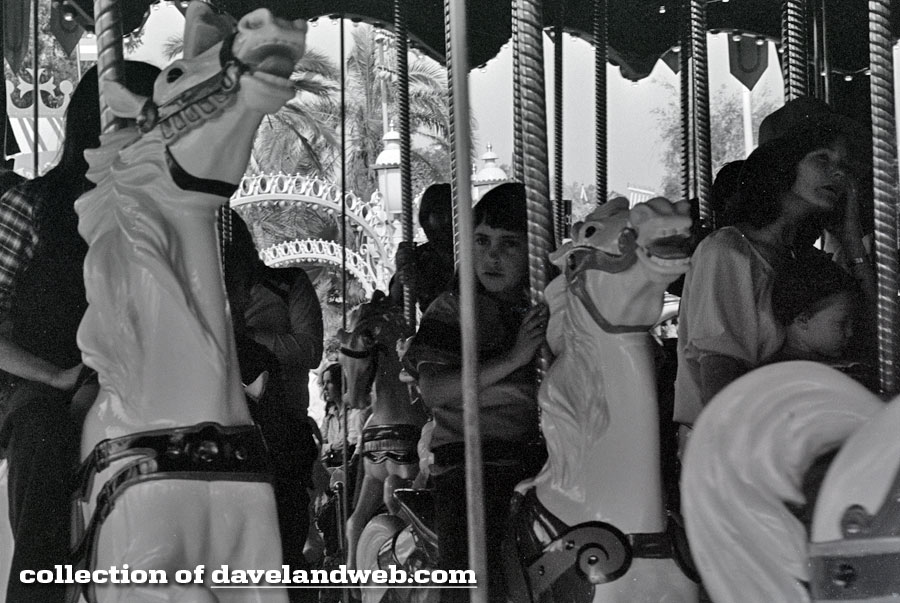
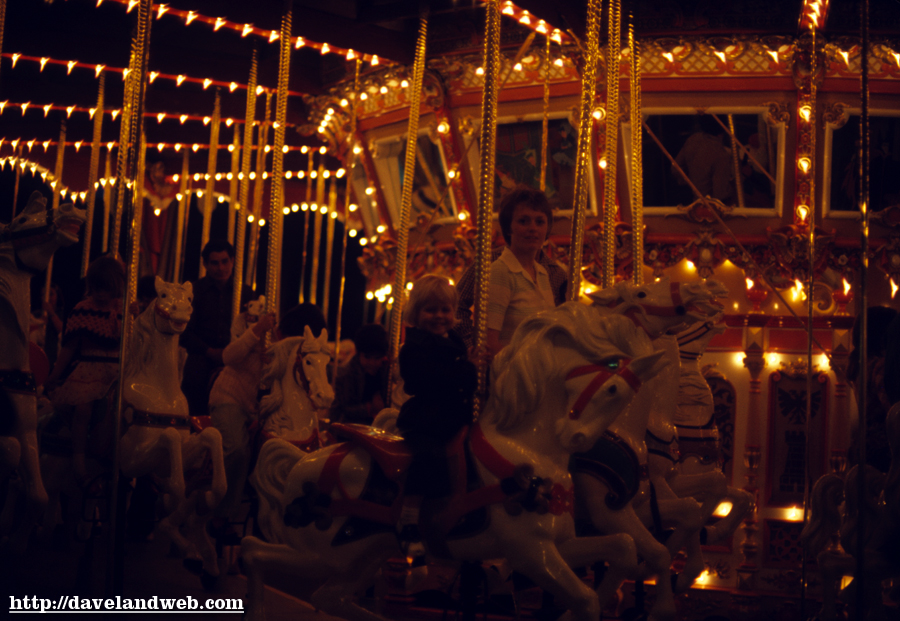
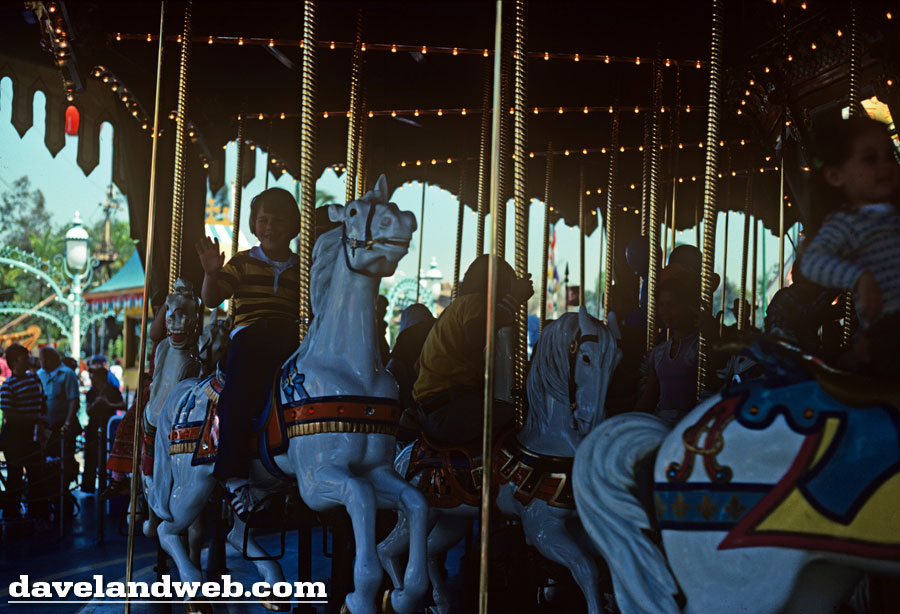
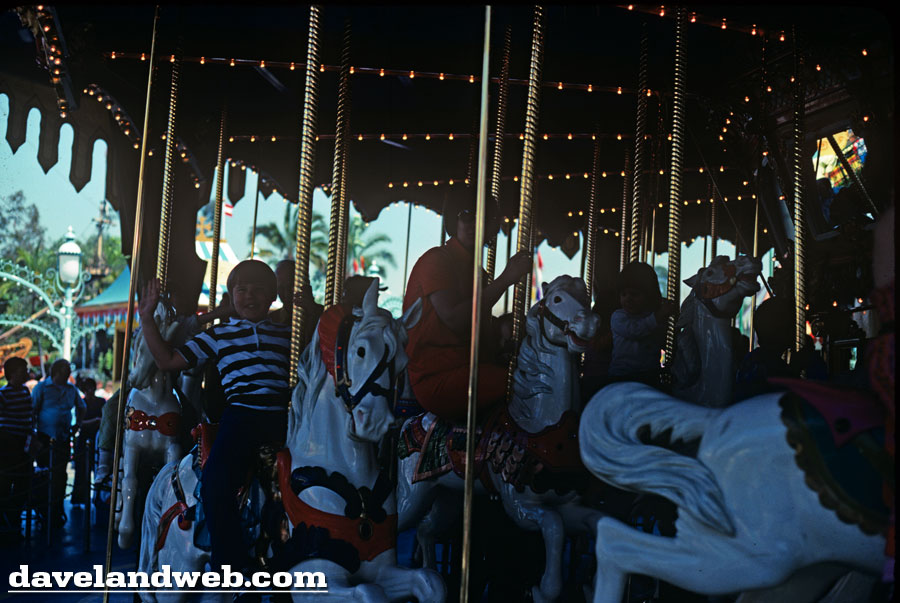
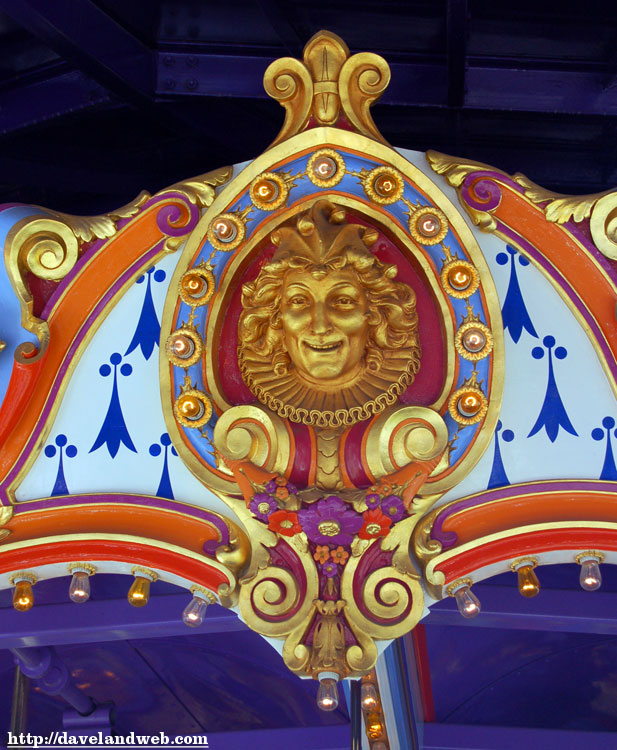
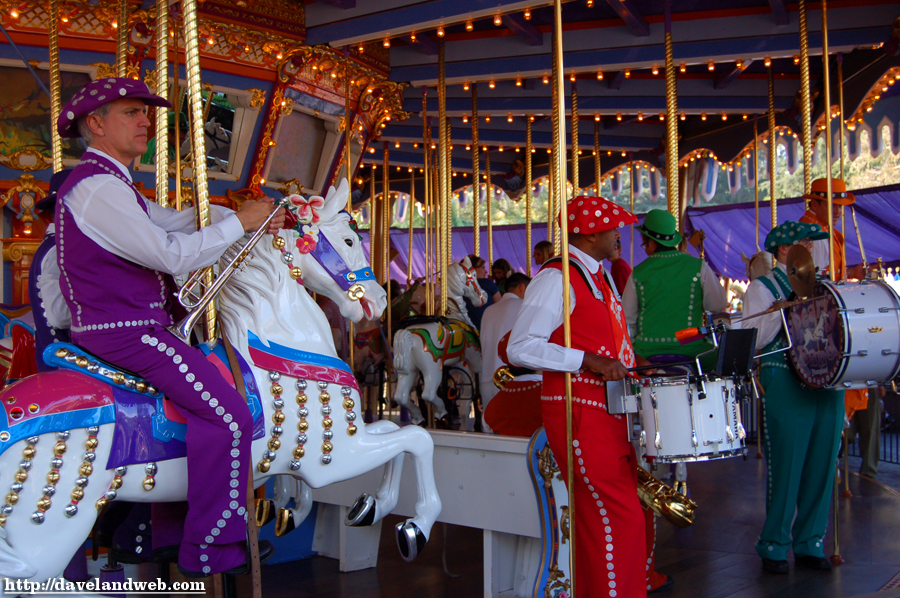
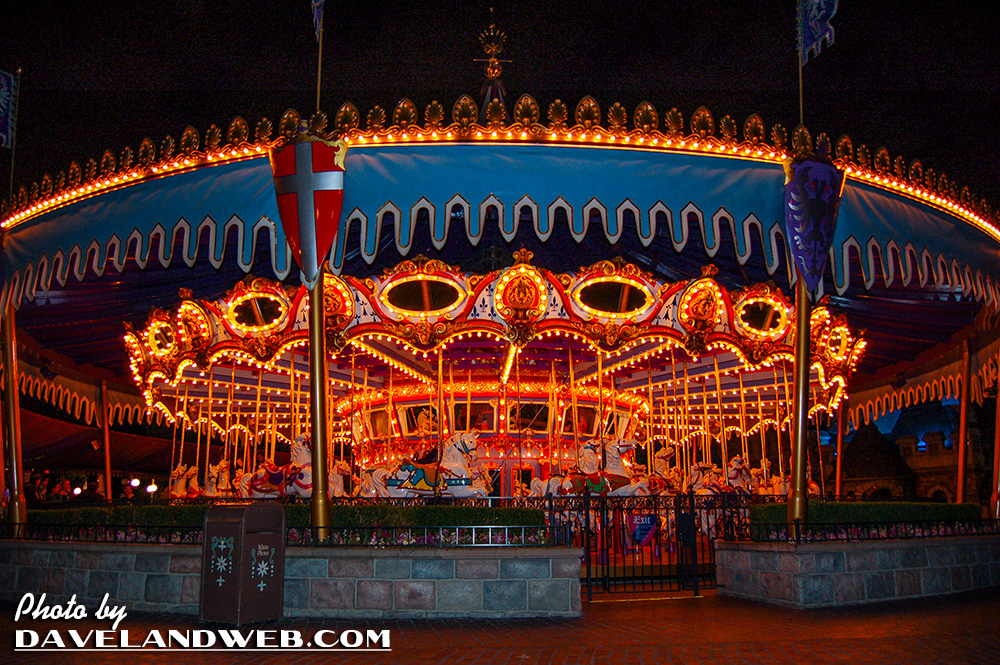
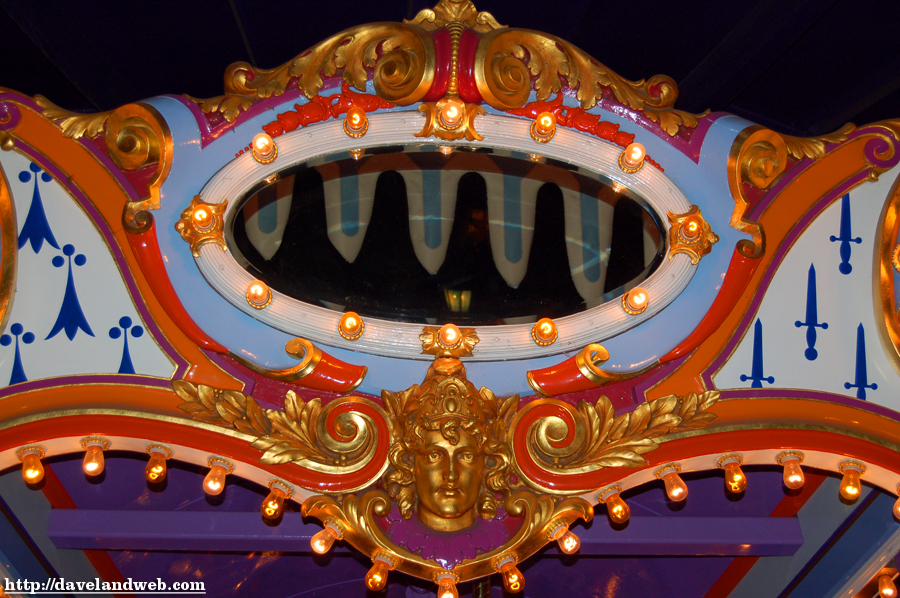
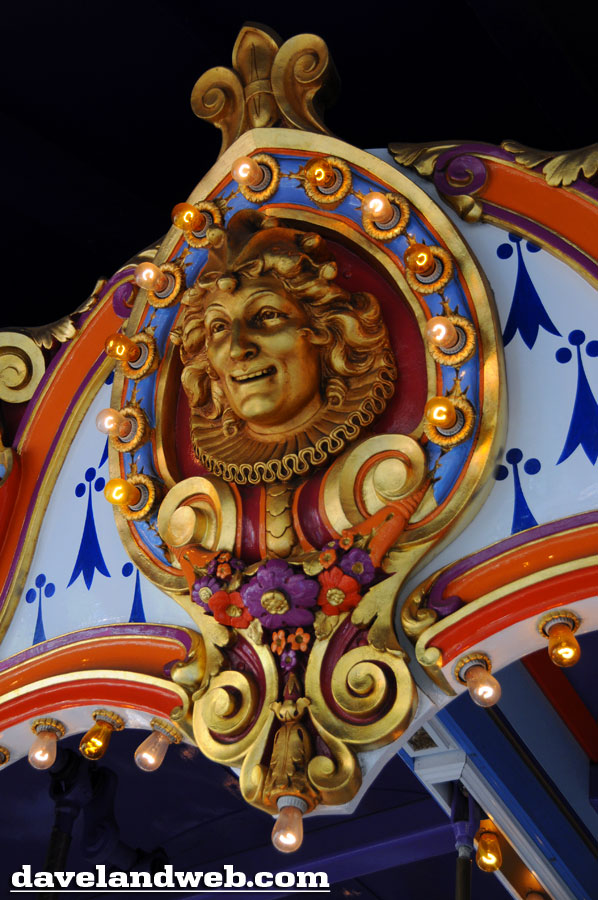
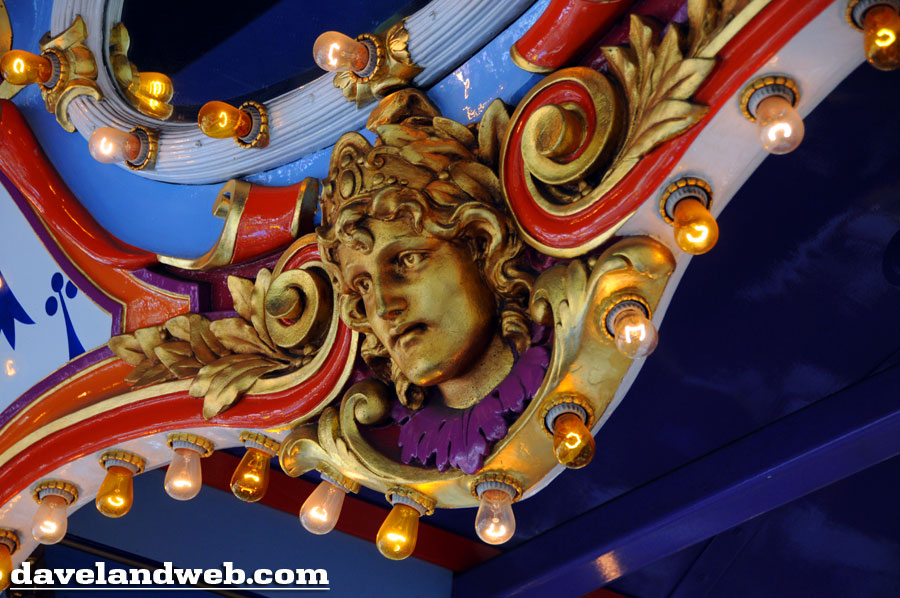
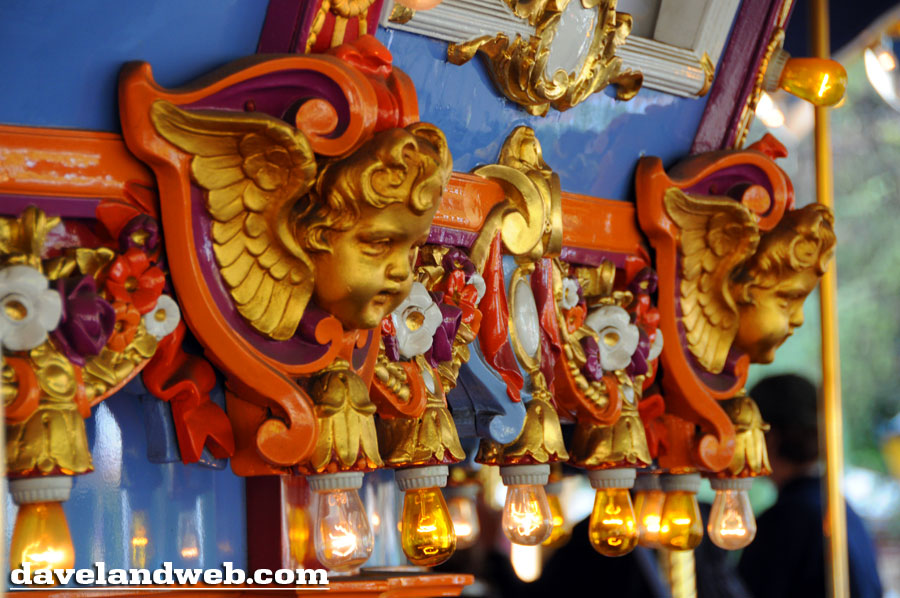
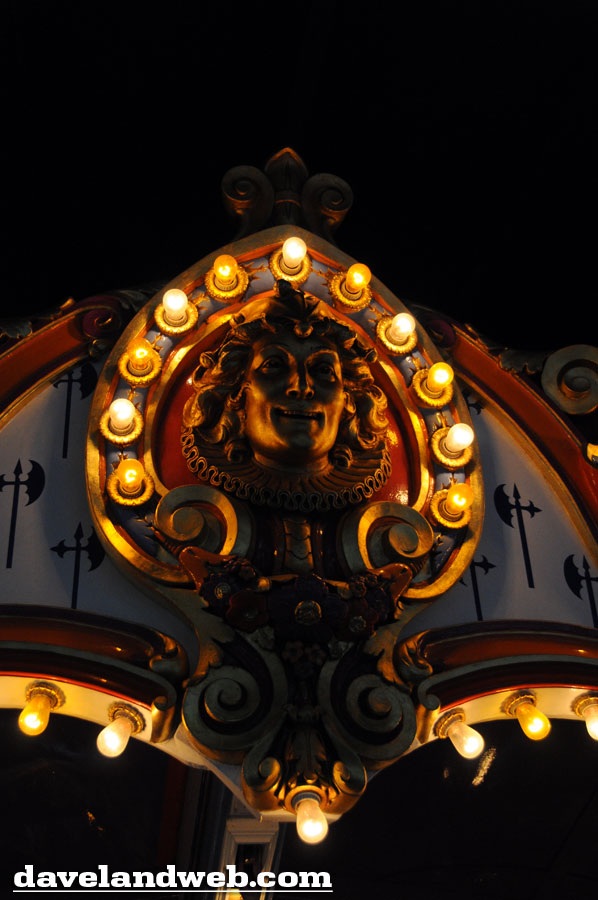
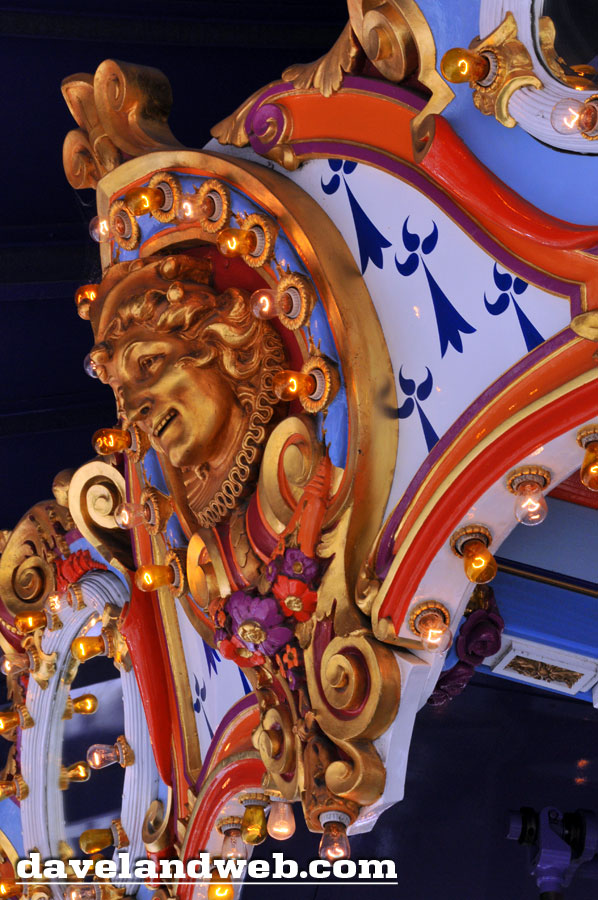
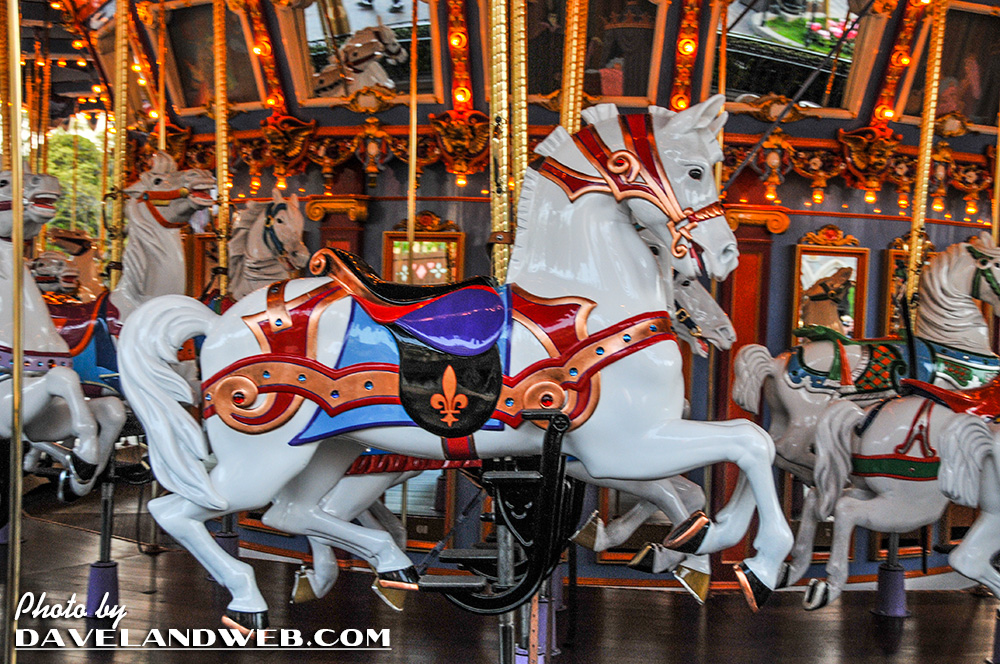
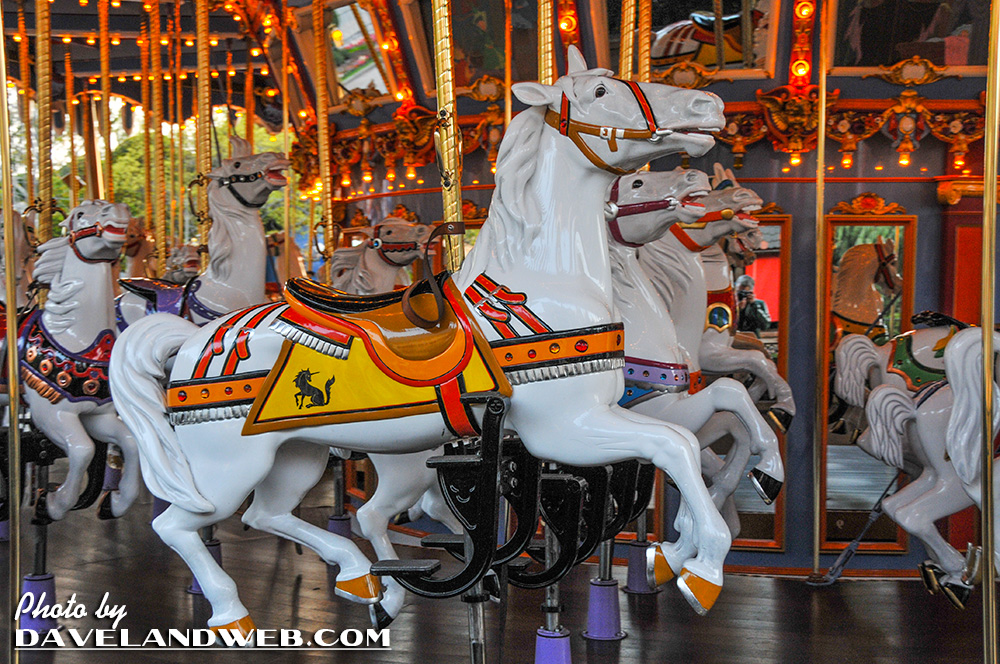
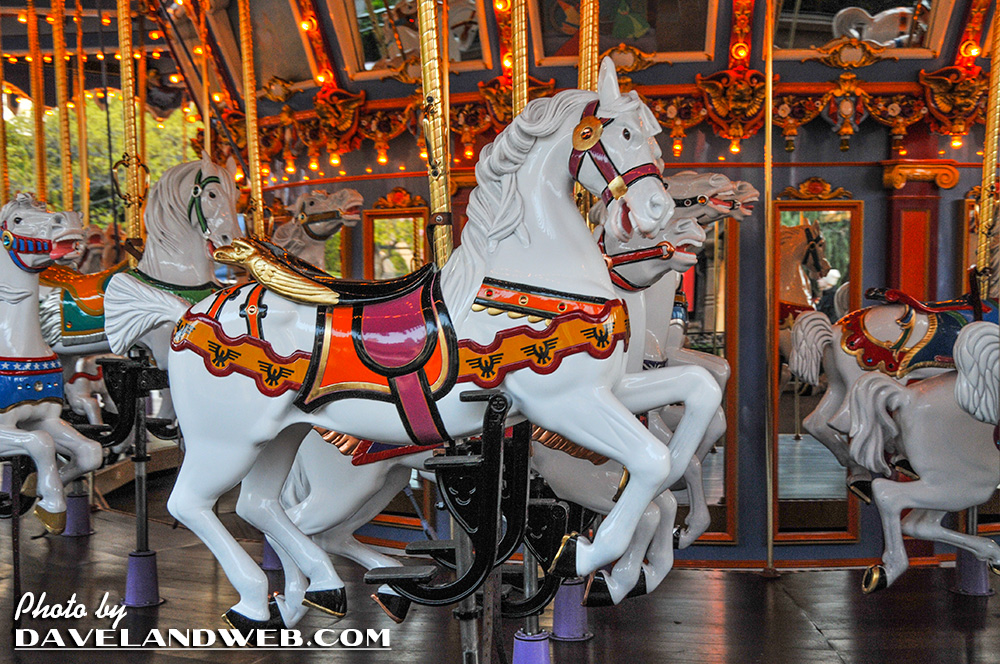
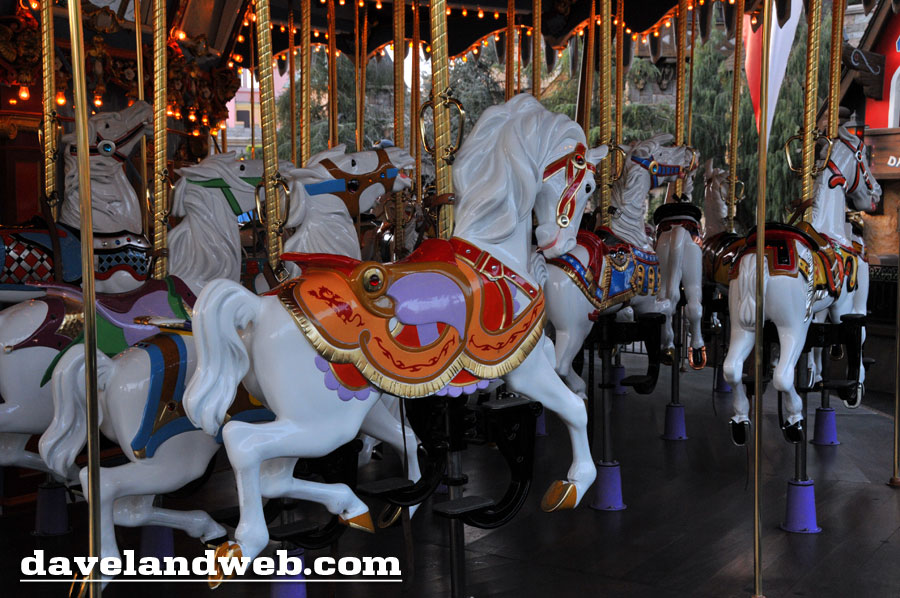
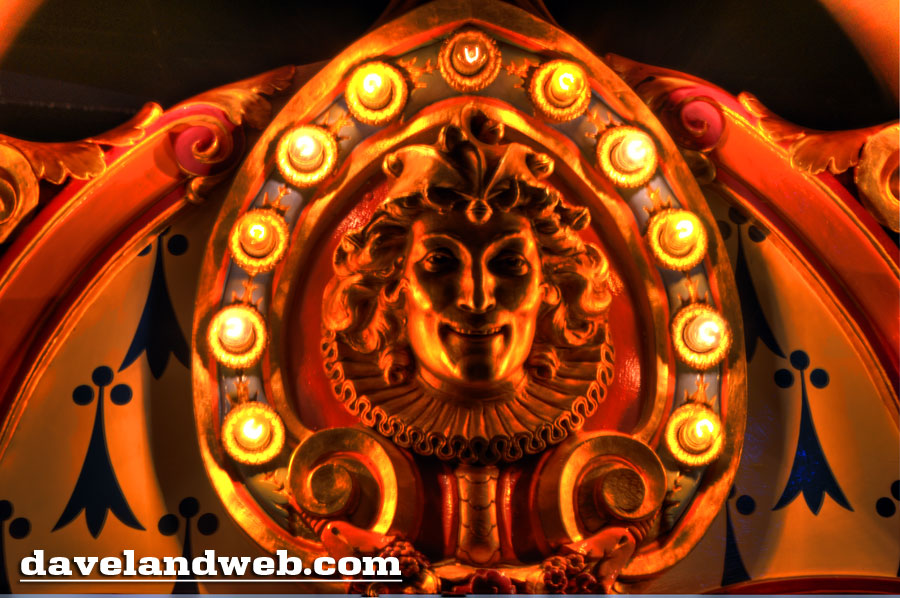
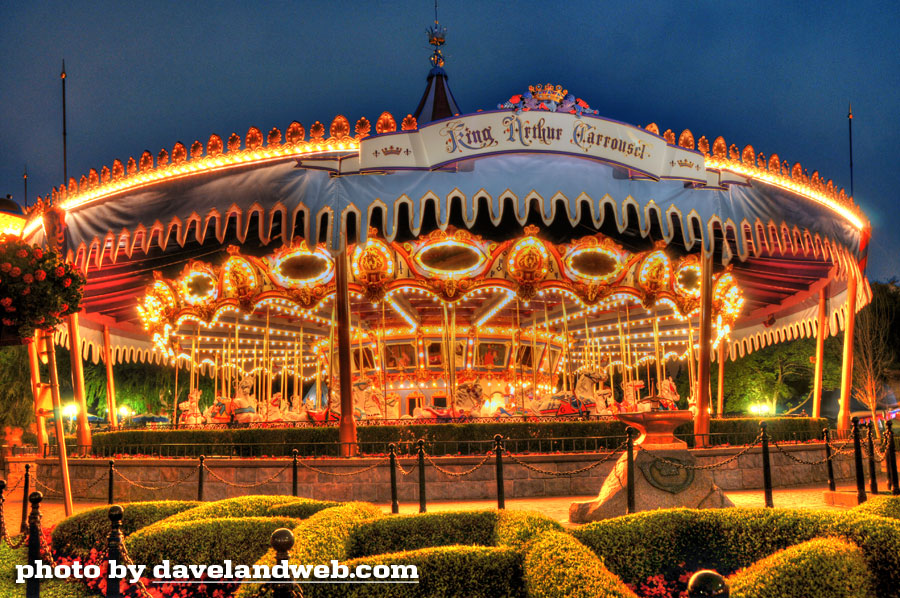
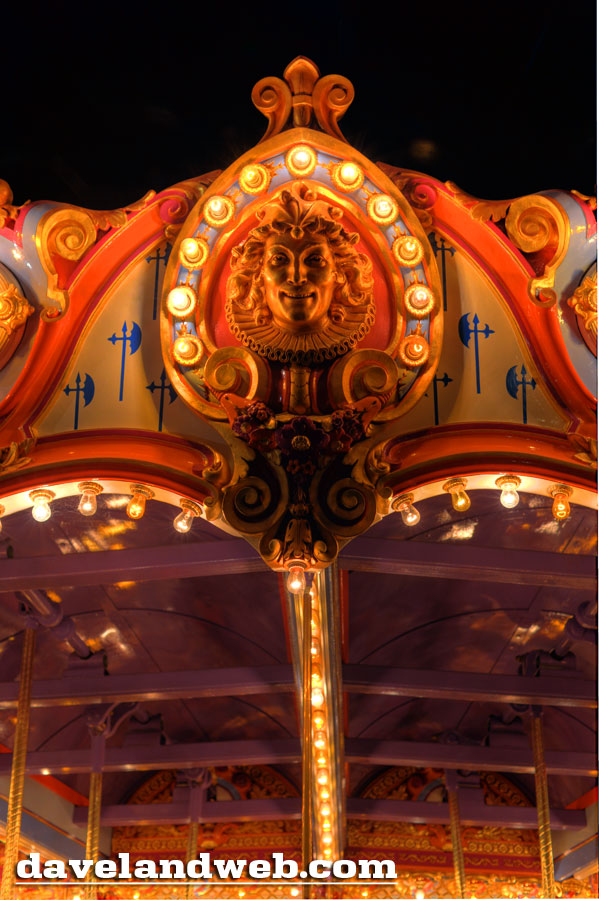
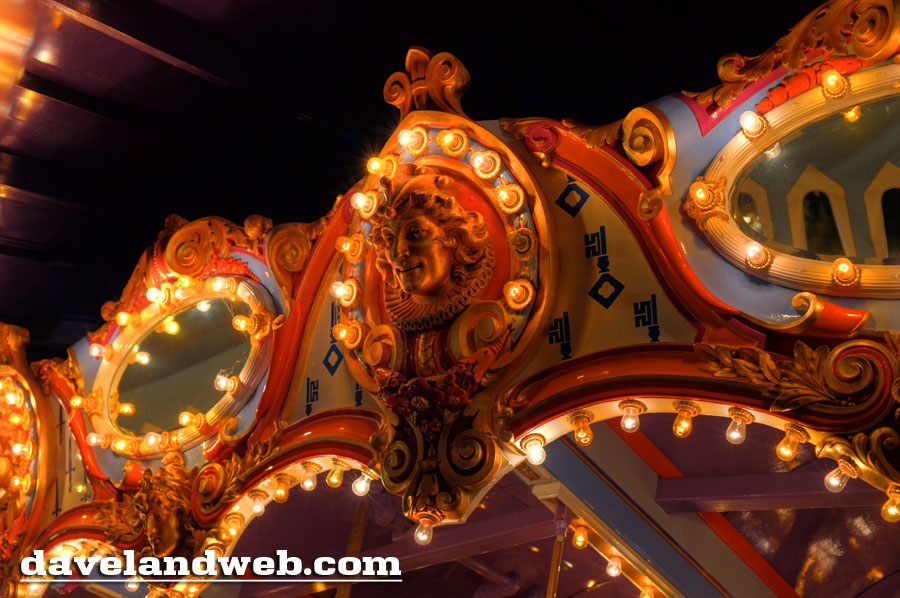
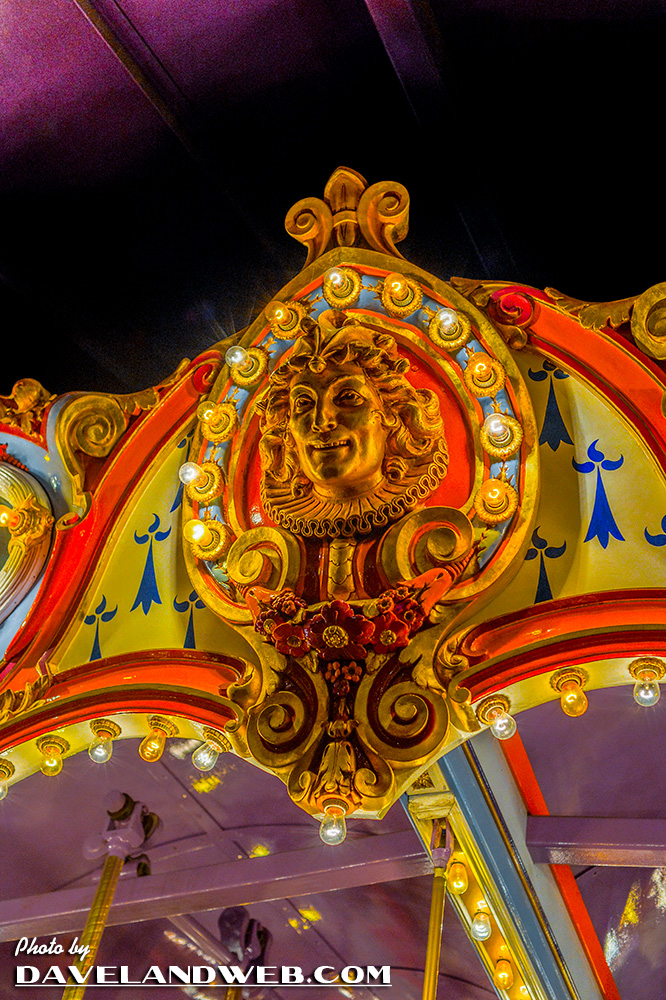
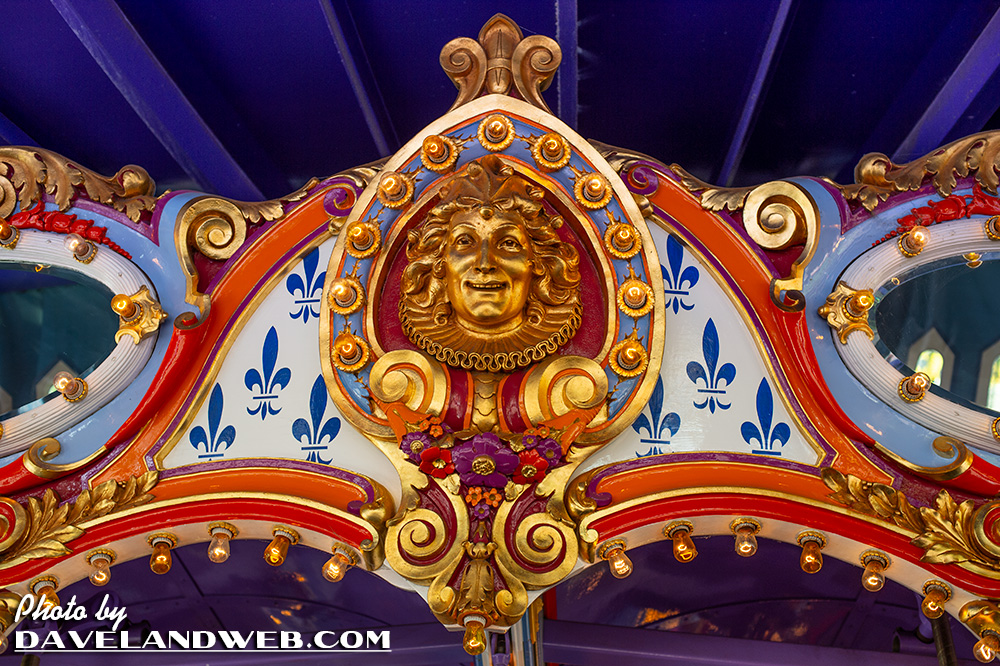
BACKSTORY (August 1955—Present): Disney felt every park needed a carousel (it was supposedly a carousel that Disney watched his daughter ride that inspired the park itself). Therefore, an 1875 Dentzel park model carousel which had operated since 1922 at Sunnyside Amusement Park in Toronto, Ontario was taken from Sunnyside and moved to Disneyland in 1954. The ride was refurbished and turned into a 4 row unit by adding additional animals that came from other carousels around North America. The original chariots were removed and used as cars on the Casey Jr. attraction. A Wurlitzer #157 band organ is on the carousel but does not operate. Motifs from The Sword in the Stone were used in 1955 to replace elements of the carousel. Original inner rounding boards were replaced with mirrors, and the jester and princess head shields on the outer rounding boards have also been extensively altered. The carousel has seventy-two horses, some carved in Germany and the rest in the United States. Some of the horses were taken from a Stein & Goldstein carousel and another carousel in 1955 to add a fourth row, completely made of jumpers and operated by a custom-built crankshaft. Standers on the original three rows were converted to jumpers in 1955. According to signage posted at the Carrousel during the 2013 remodel:
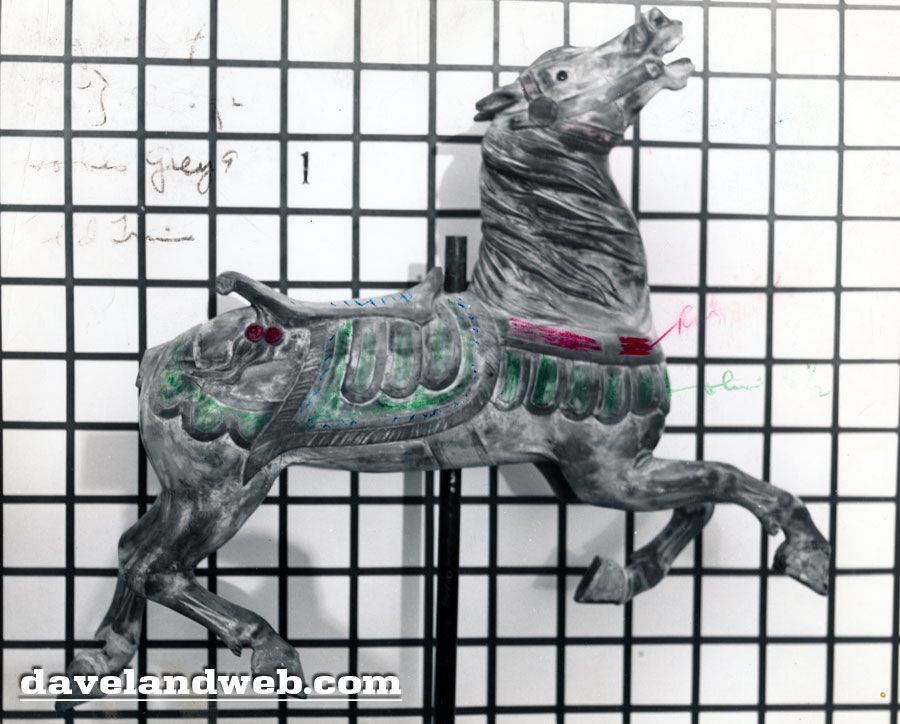
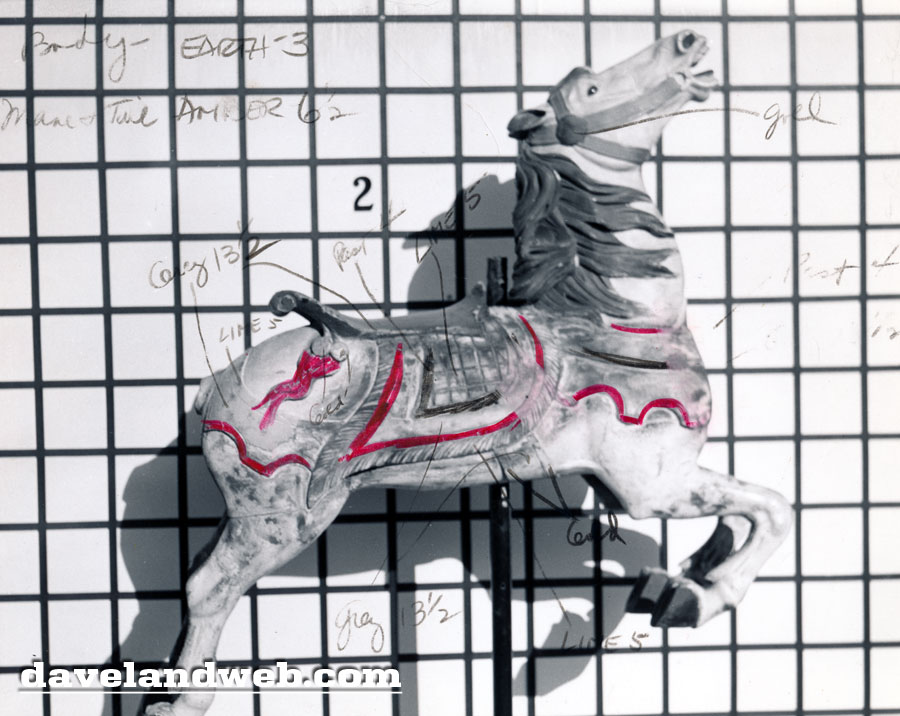
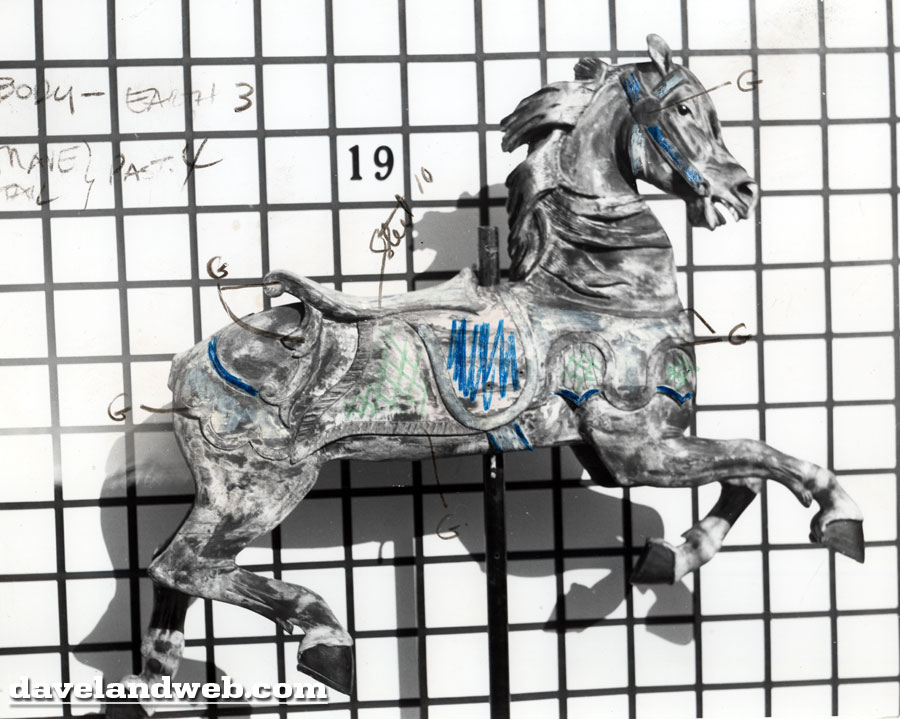
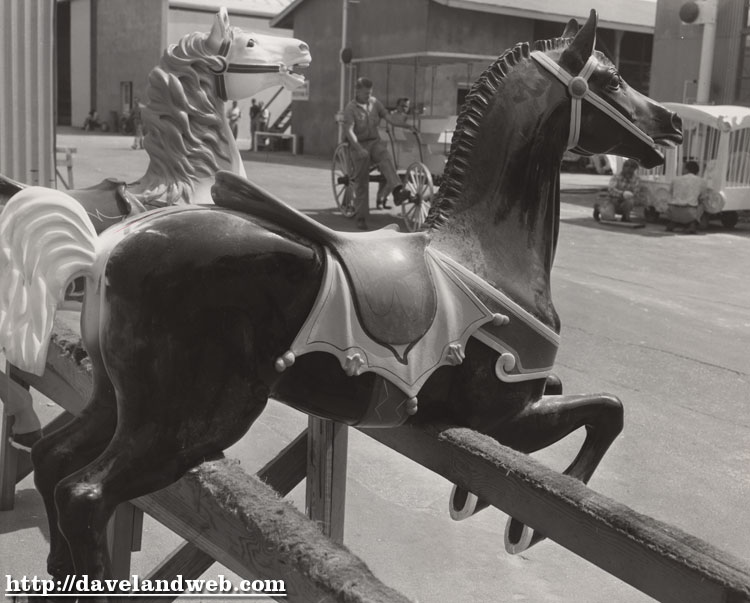
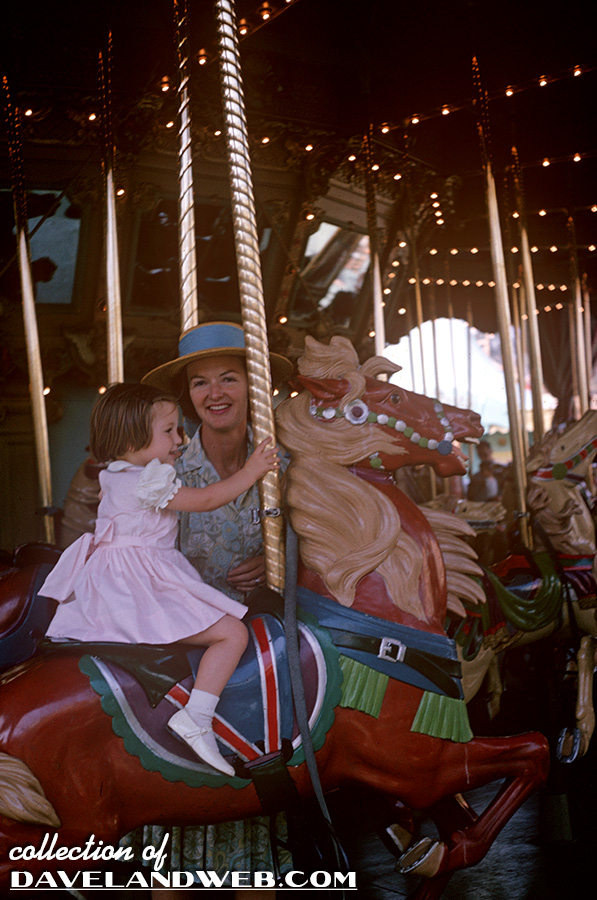
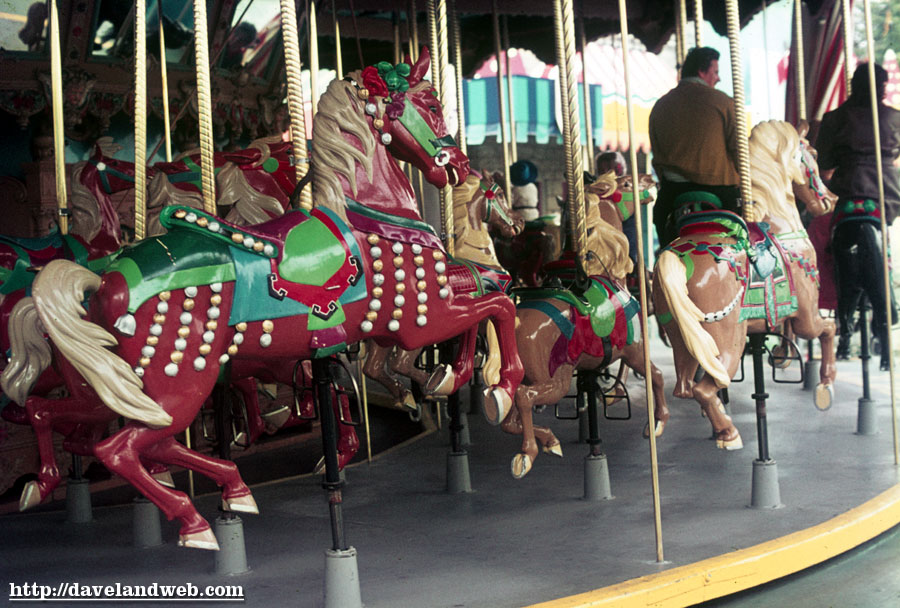
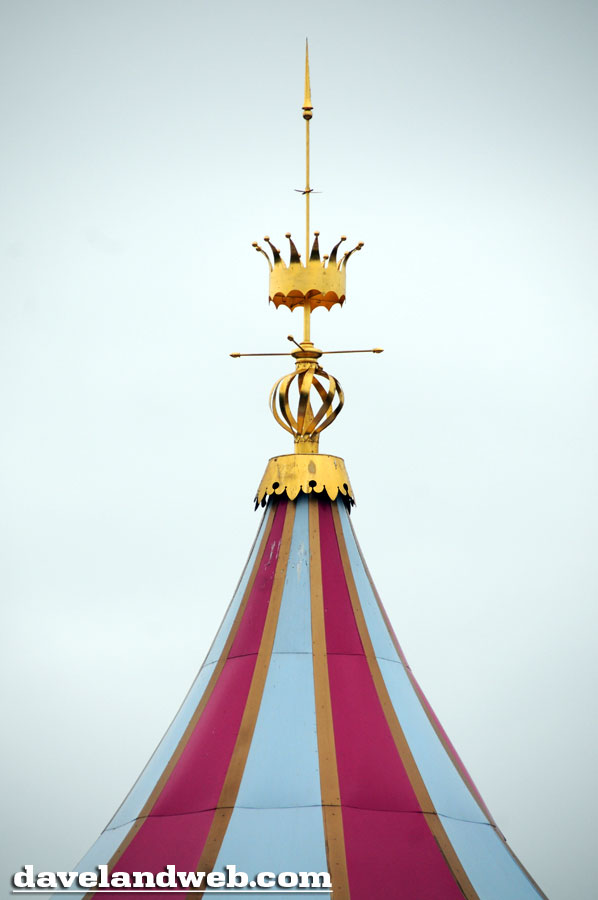
In 1954, Disney scouts located a vintage carrousel in Toronto, Canada. The carrousel was dismantled and shipped to California, where skilled artisans carefully restored it. At Walt's request, workers removed giraffes, deer, and other animals and replaced them with hand-carved horses so that every Guest could ride aboard a galloping steed. The horses were then painted tan, brown, gray or brownish red and placed beneath a tournament-style canopy.
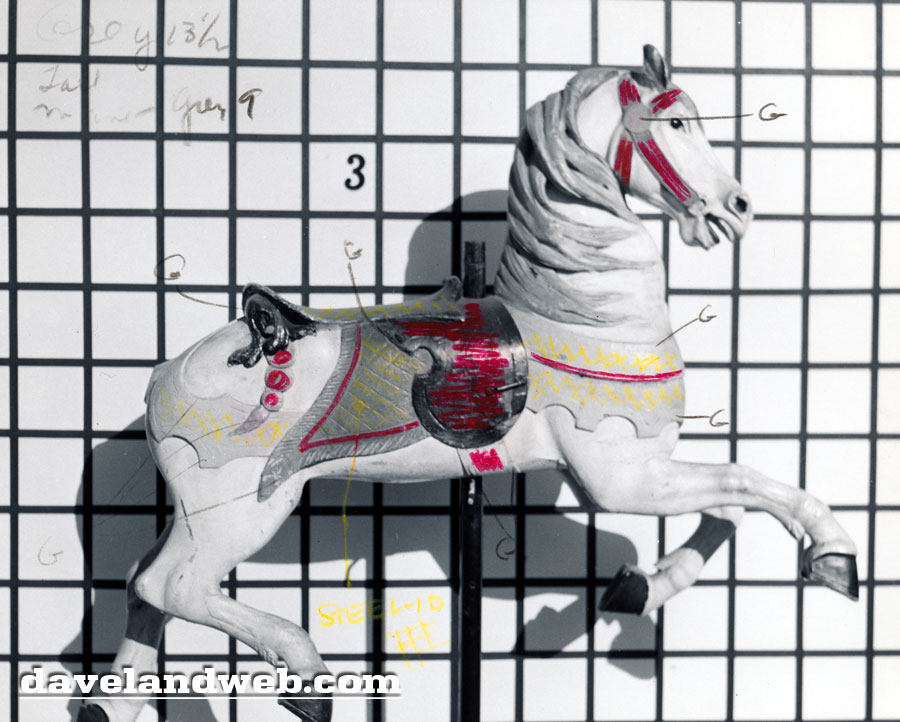
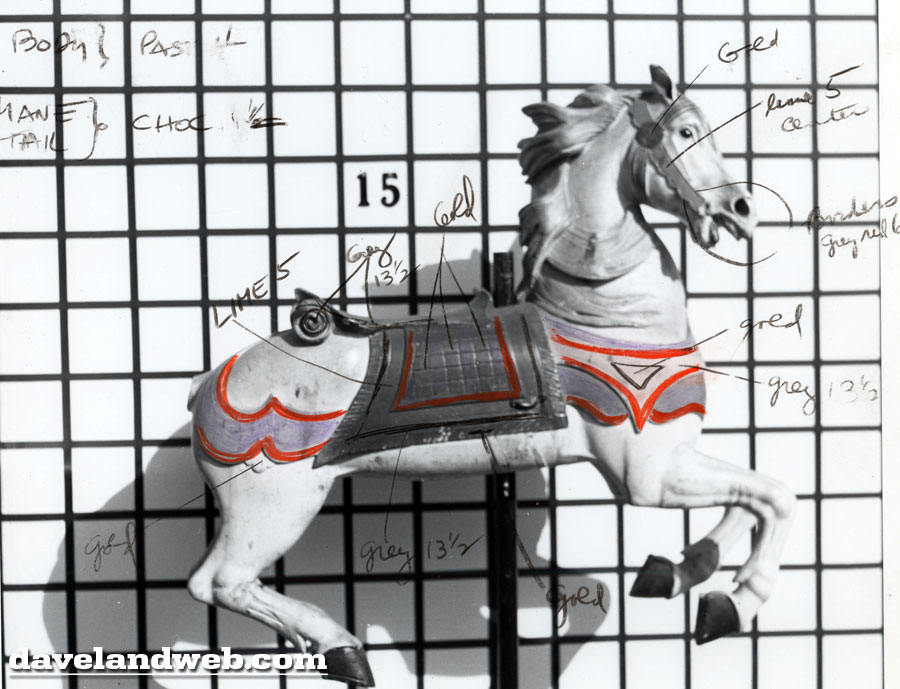
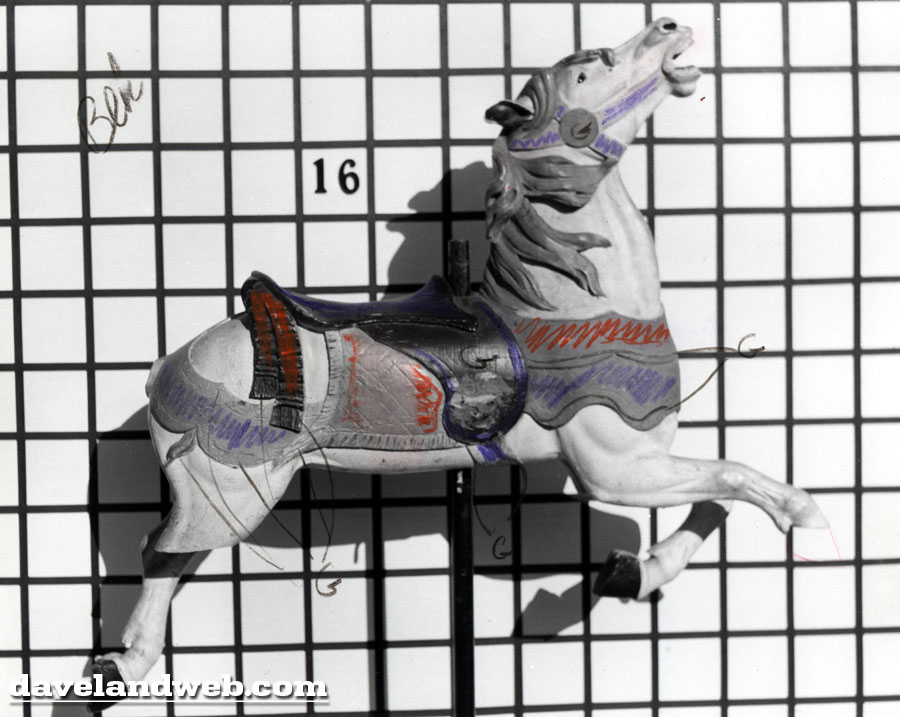
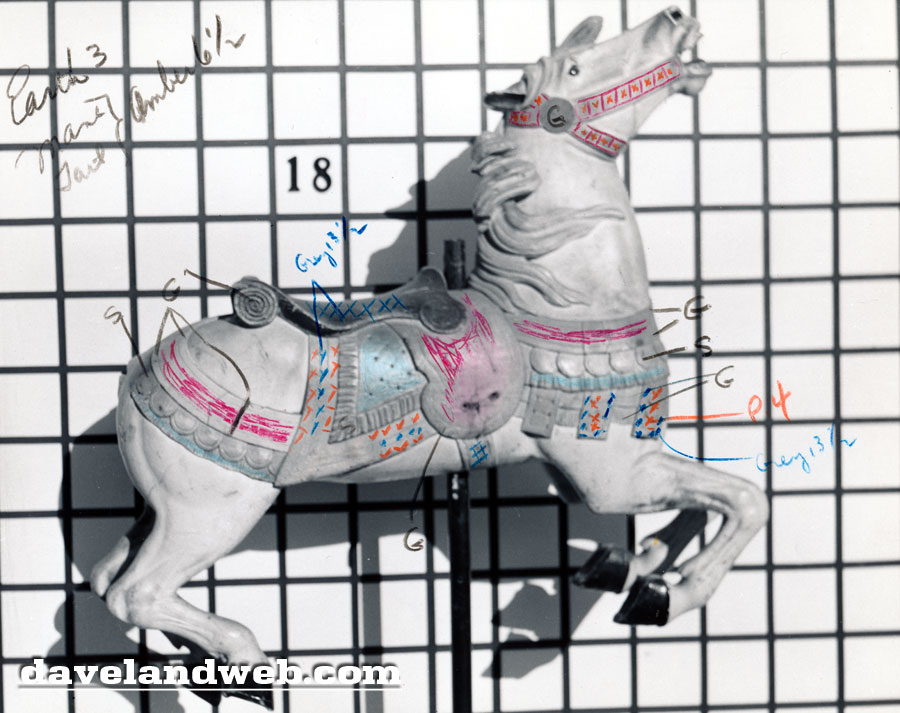
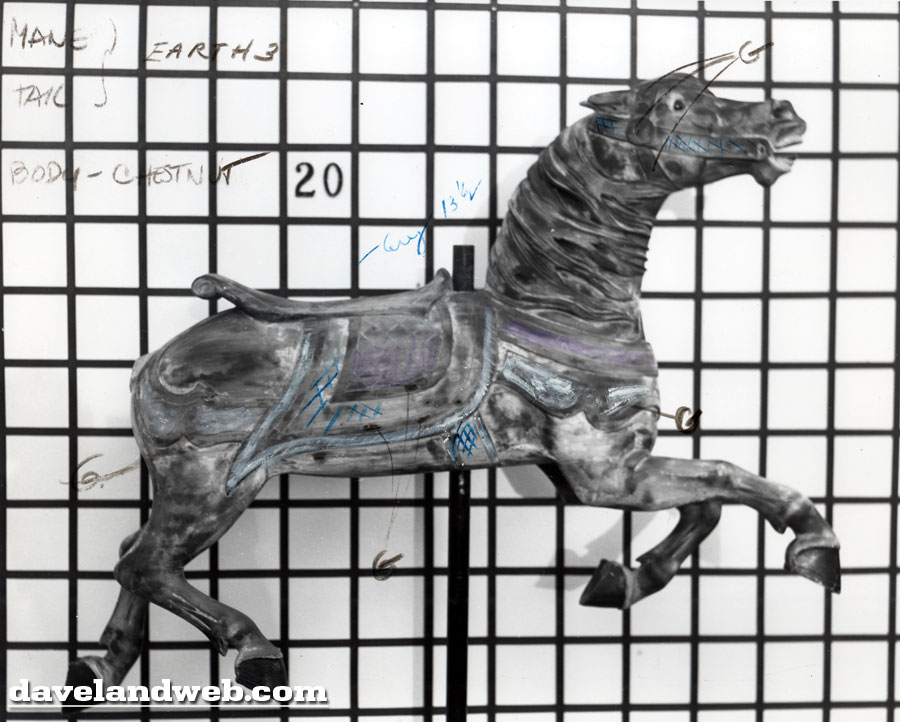
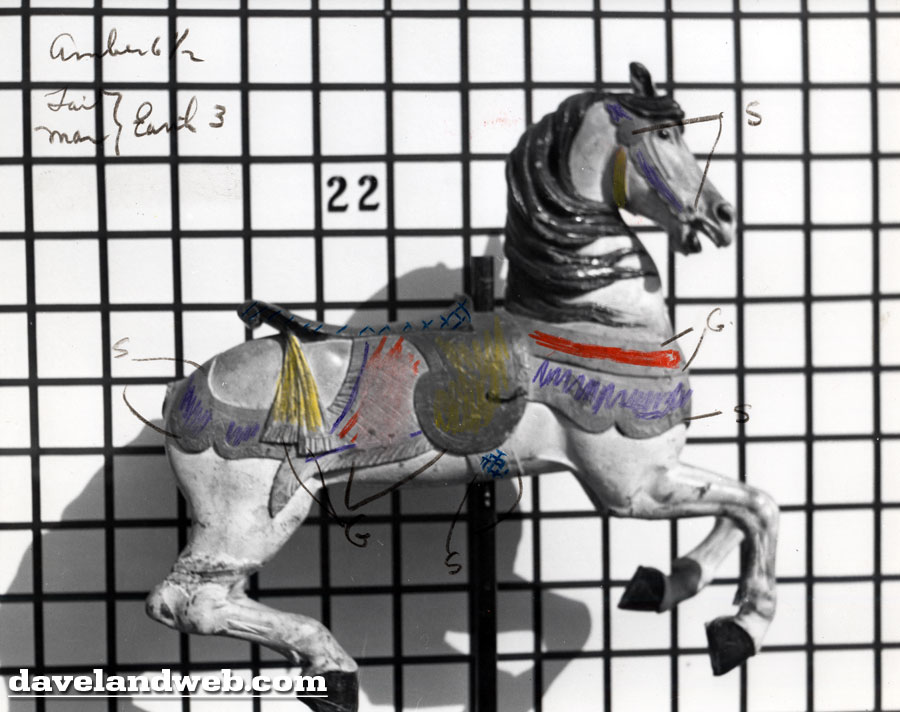
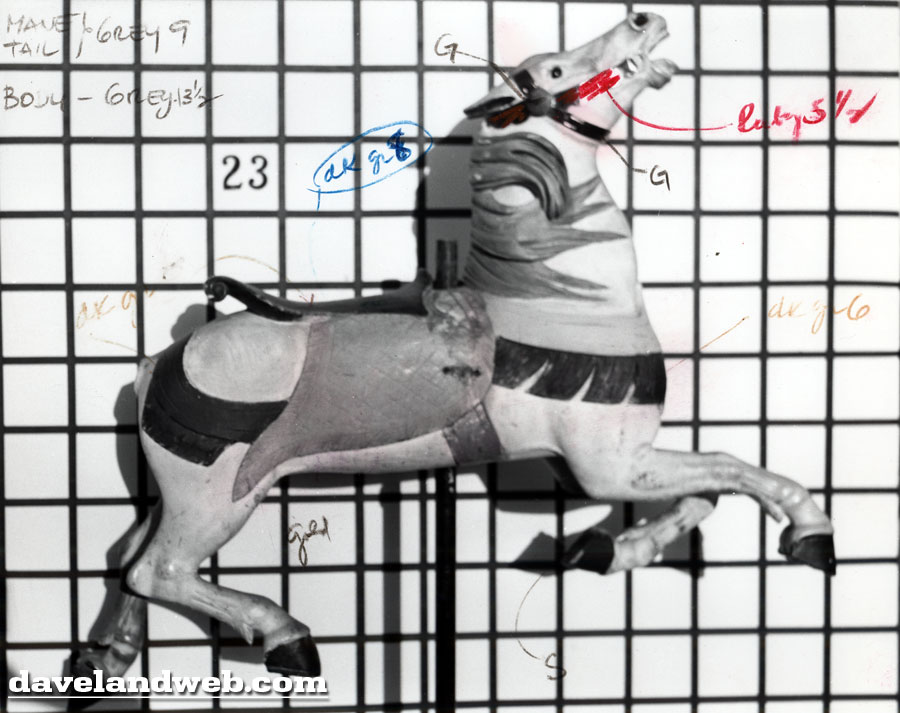
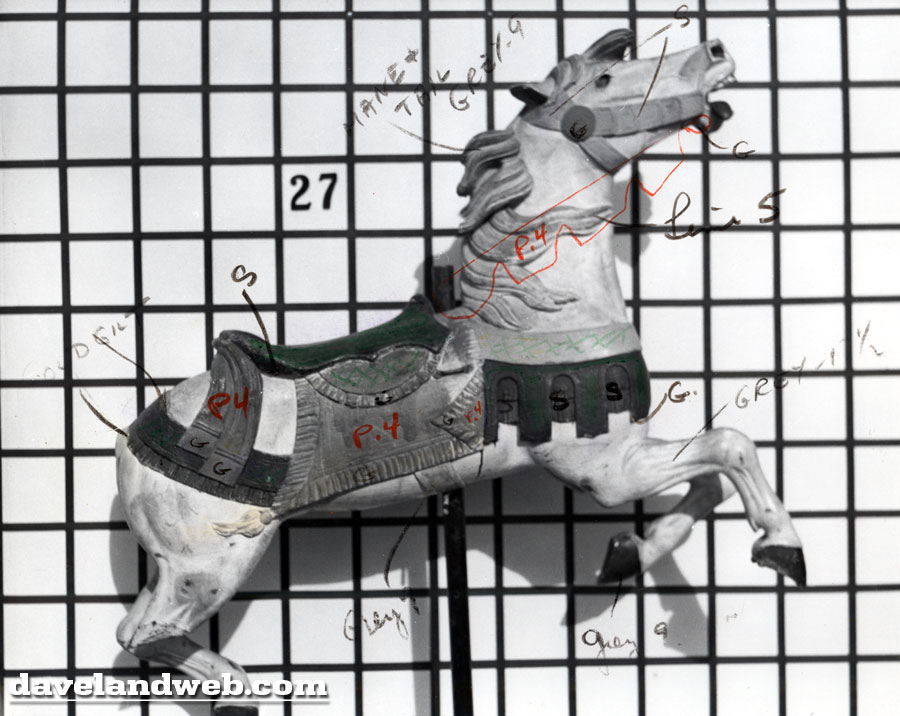
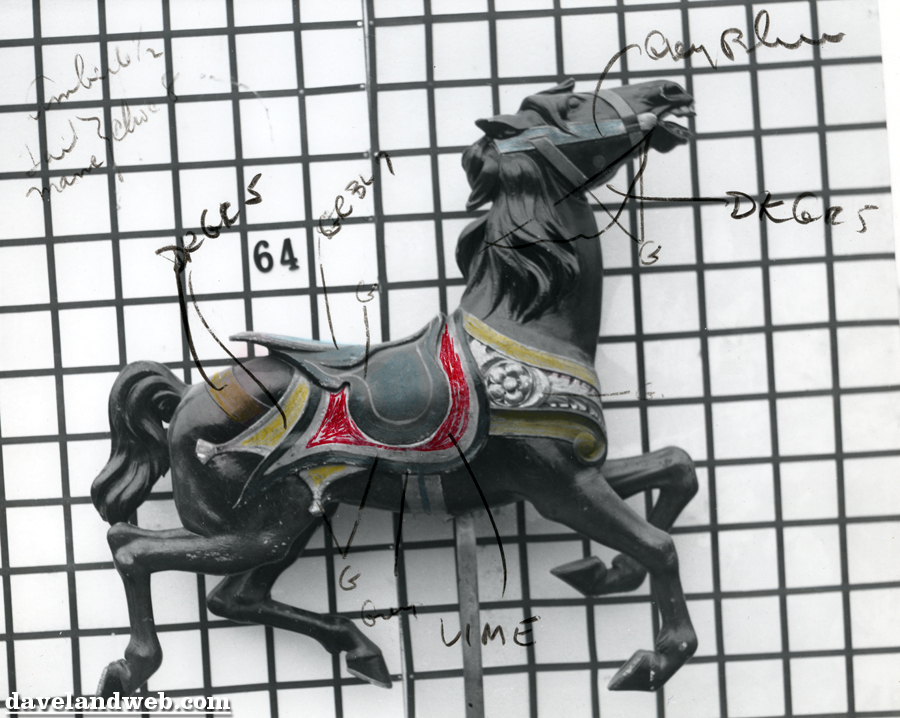
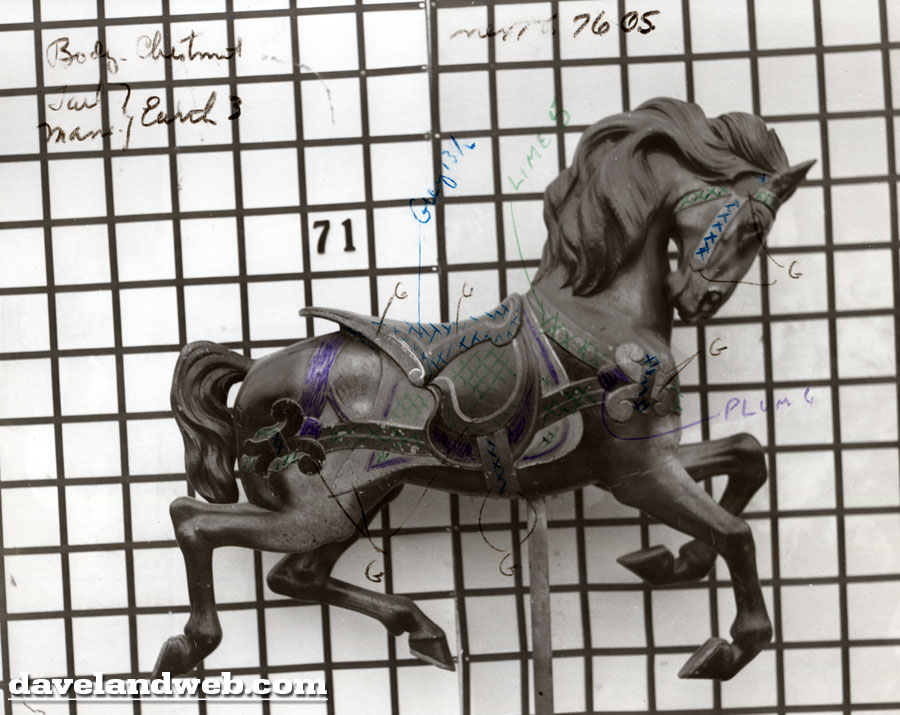
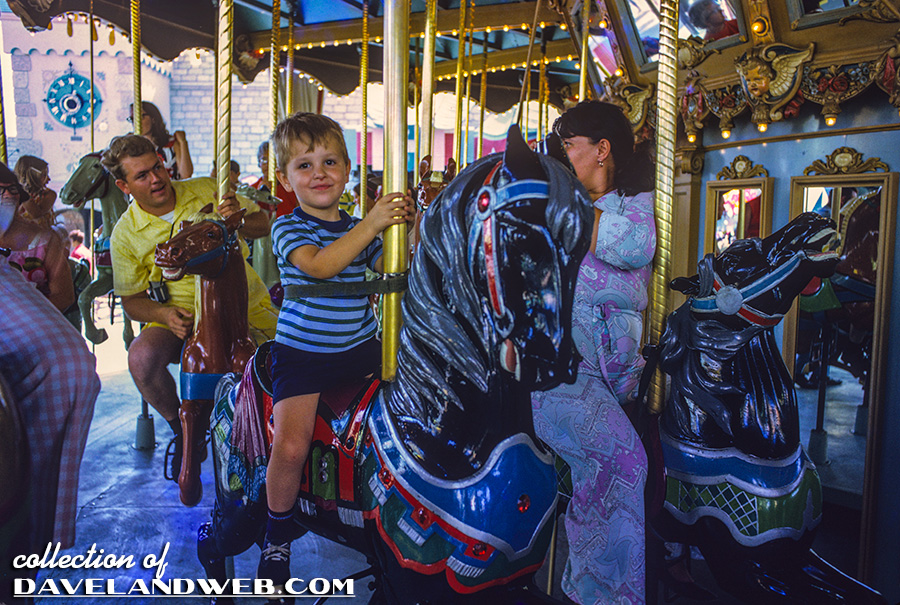
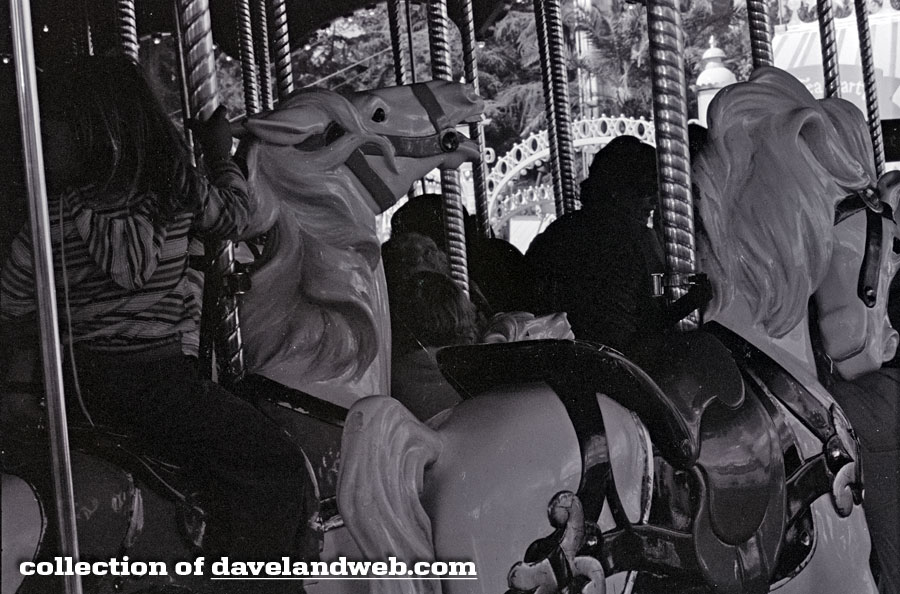
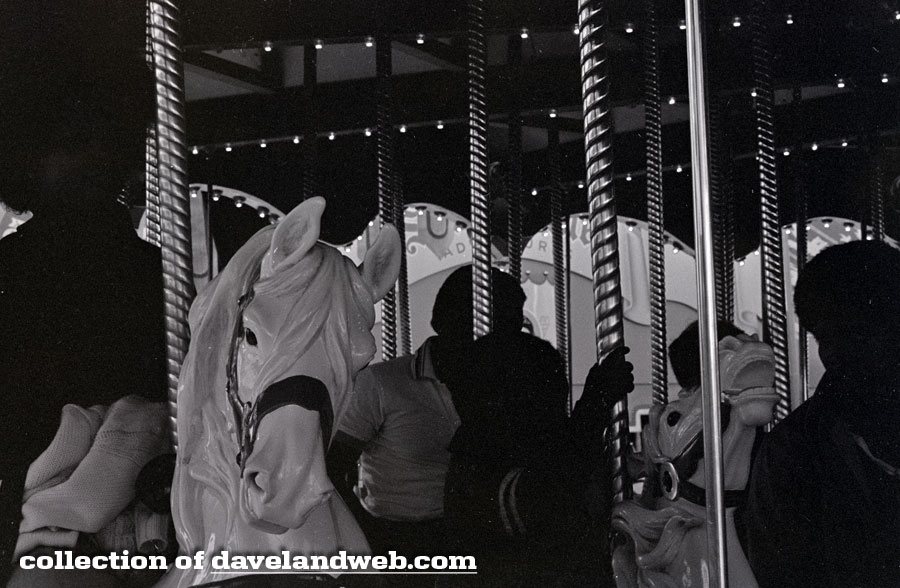
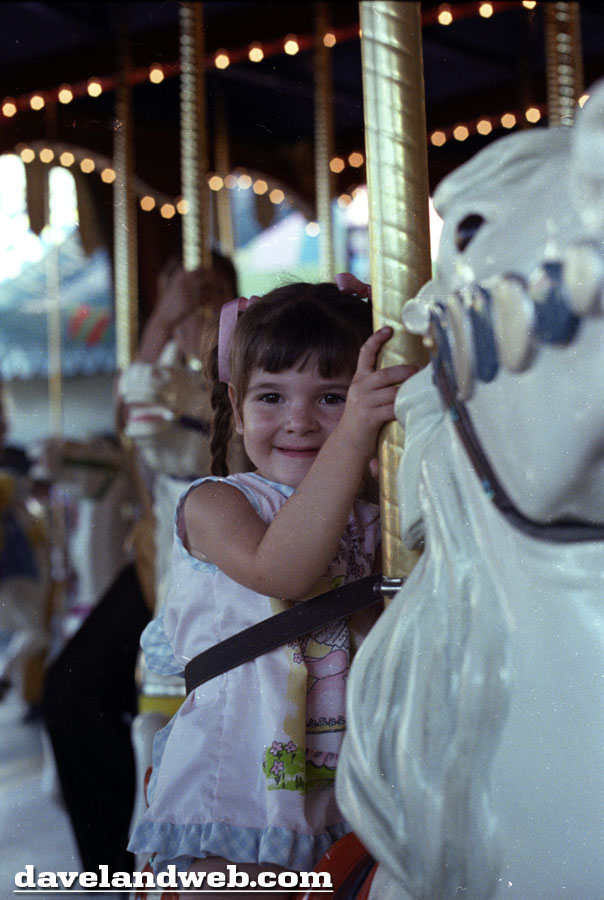
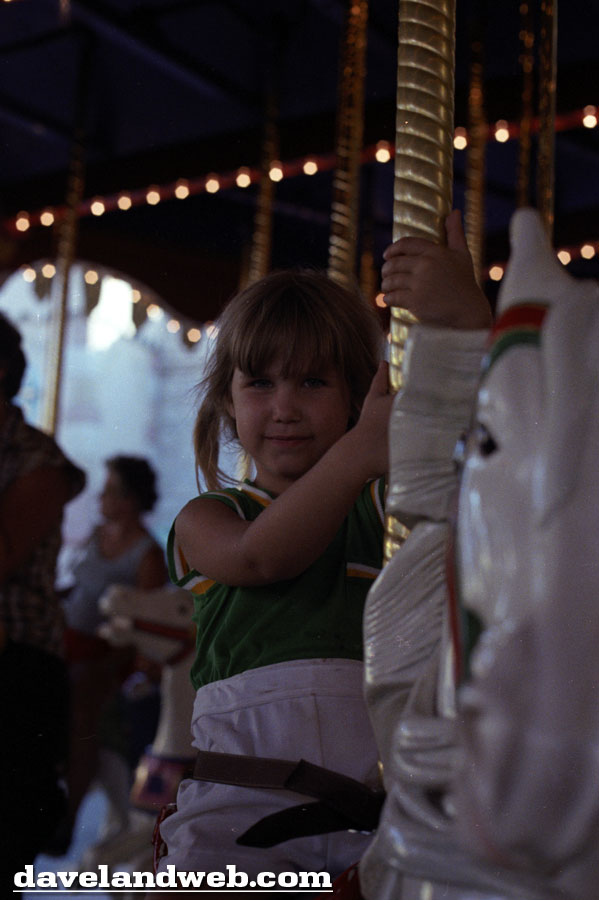
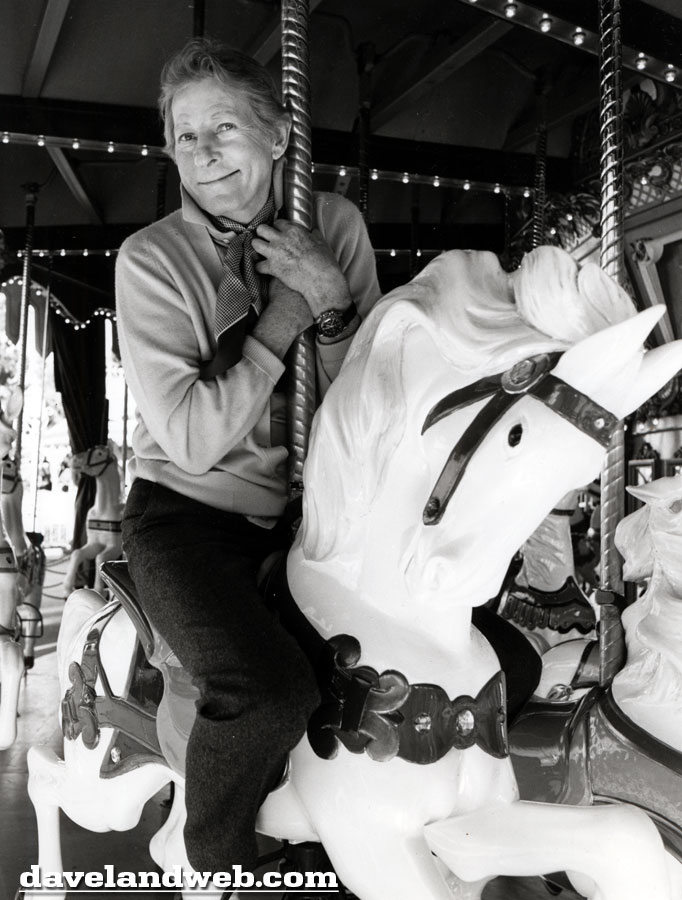
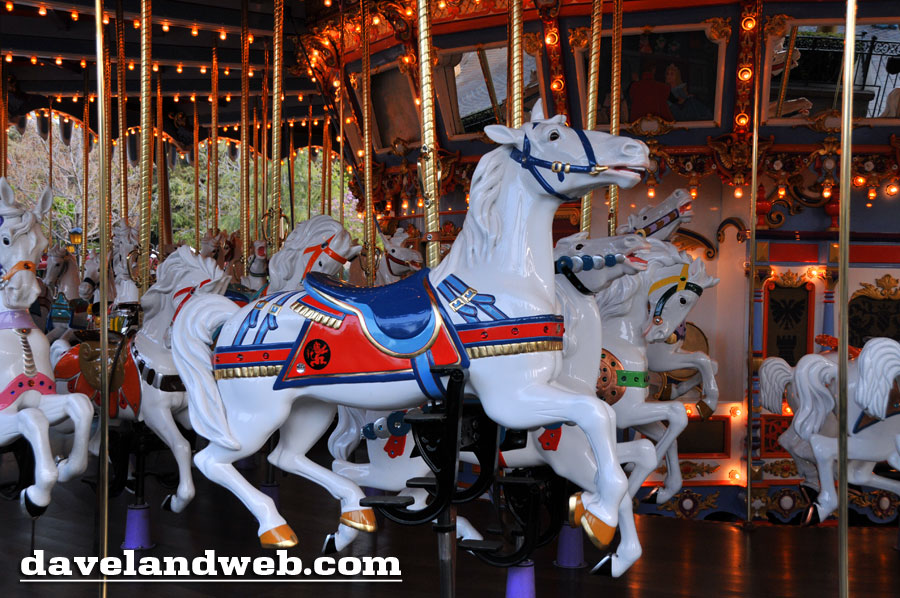
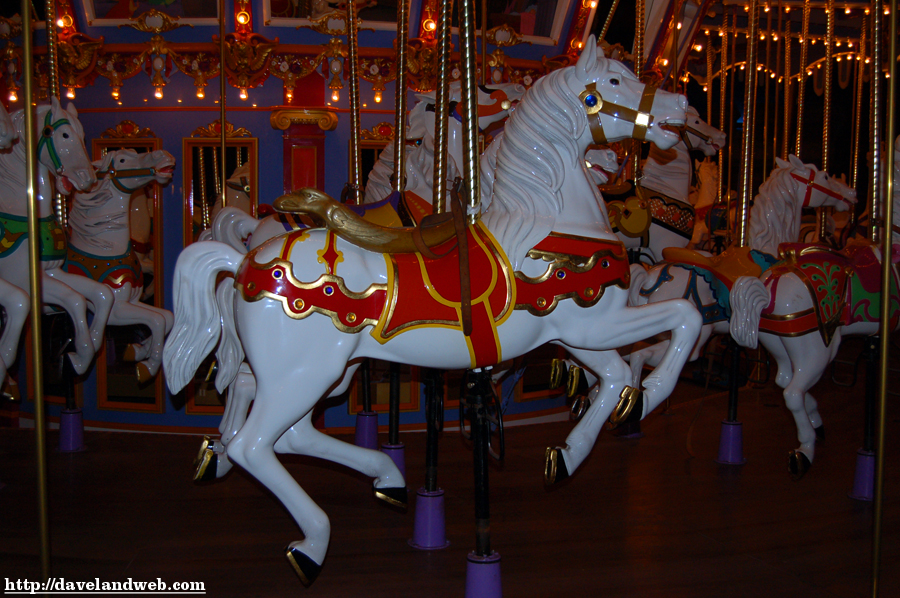
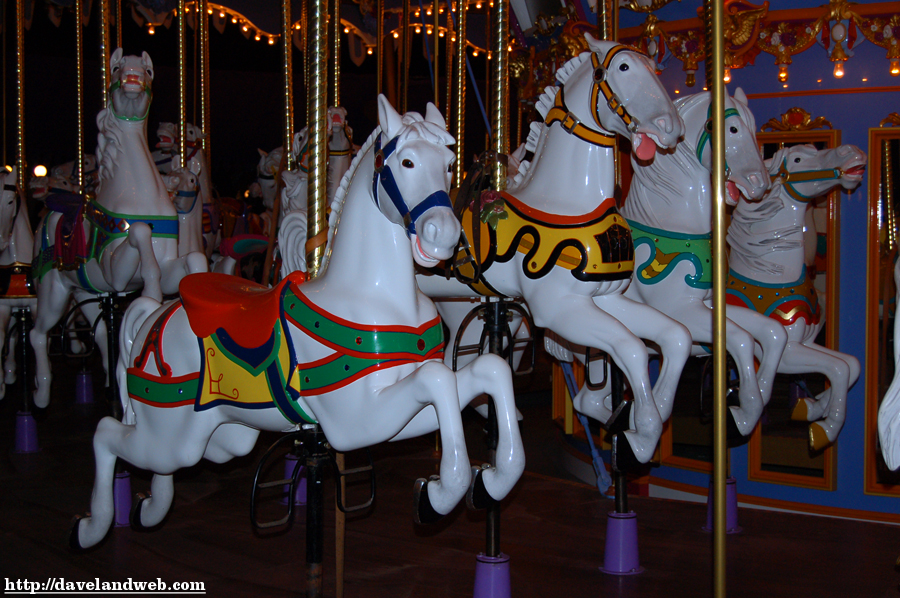
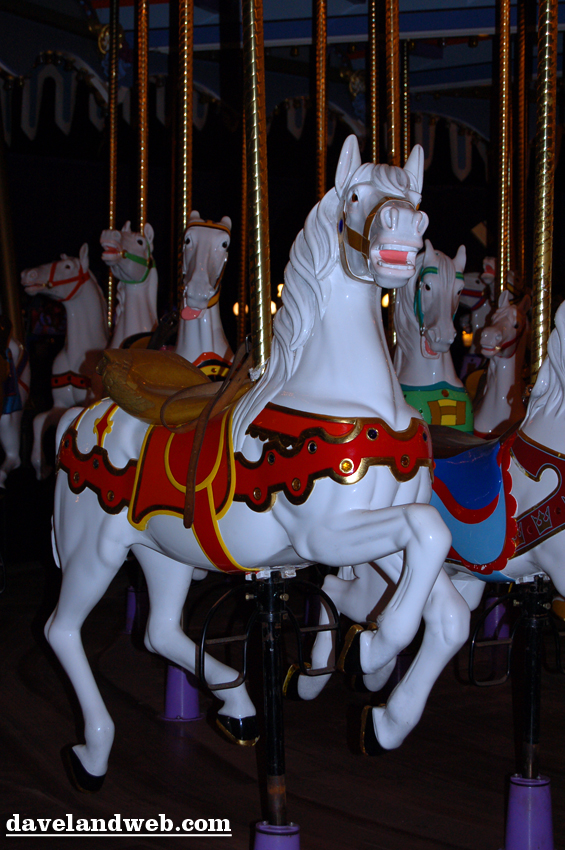
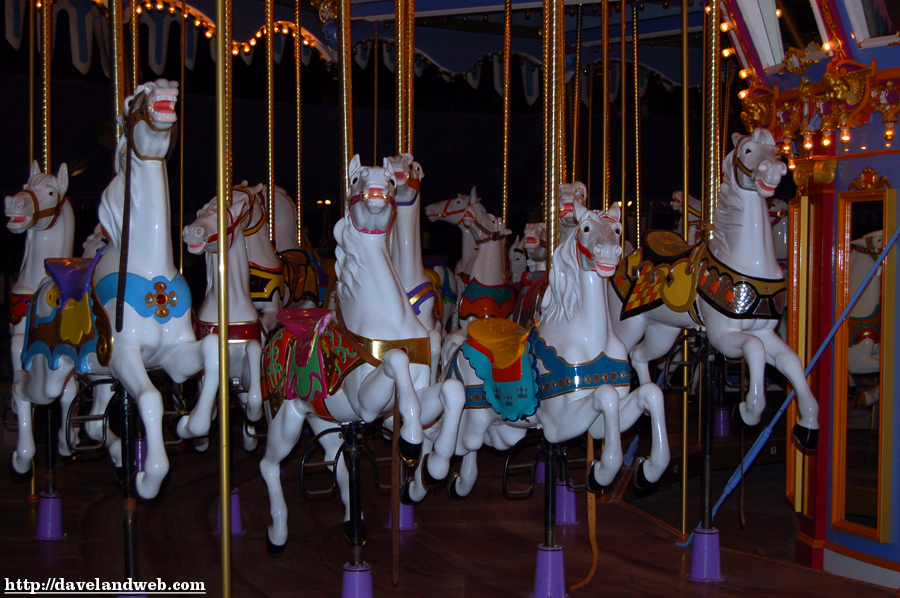
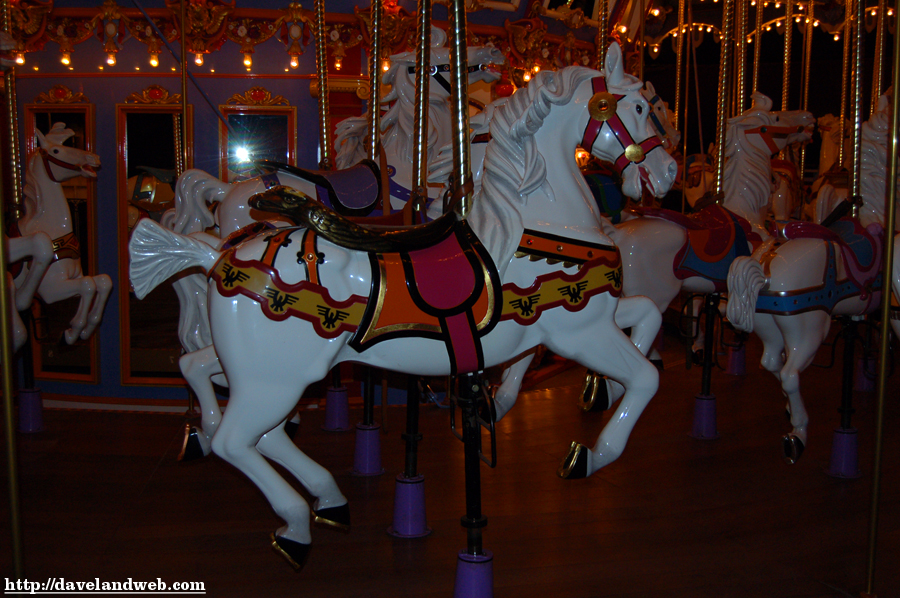
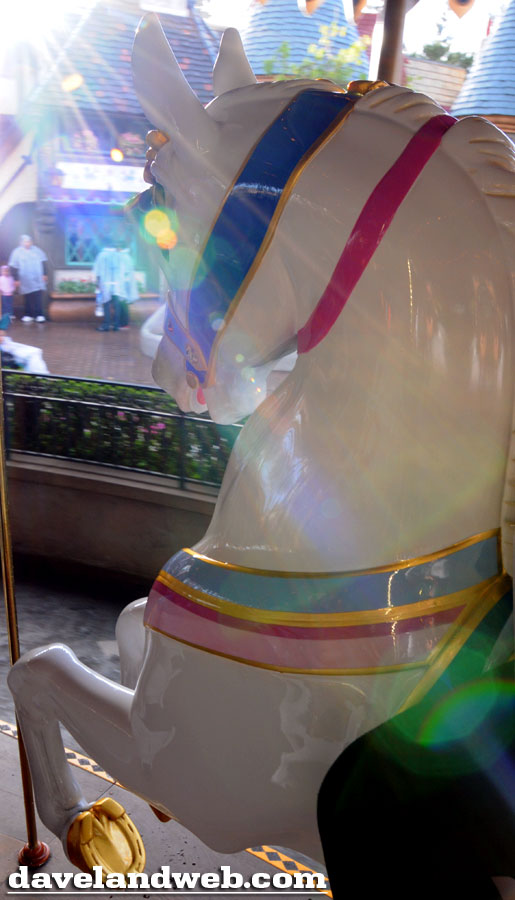
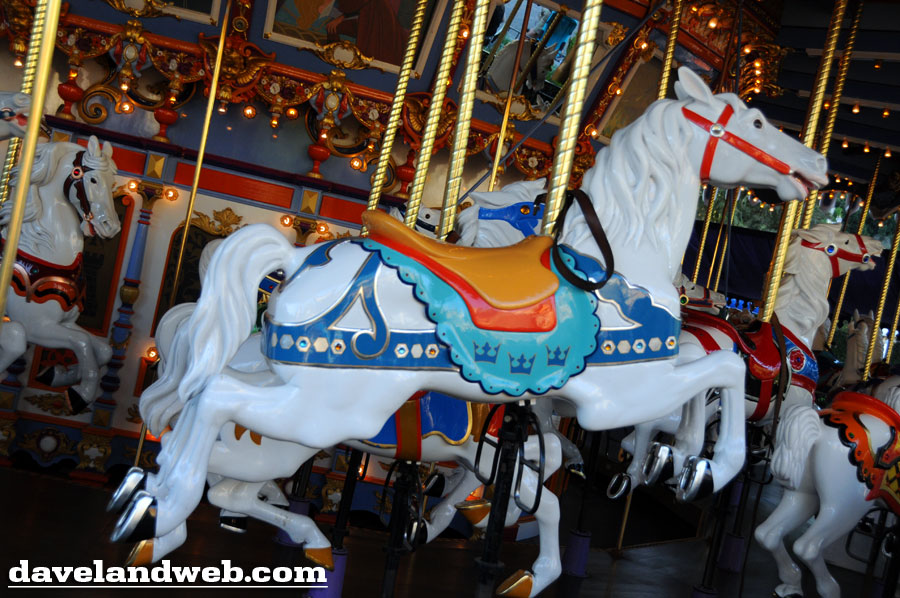
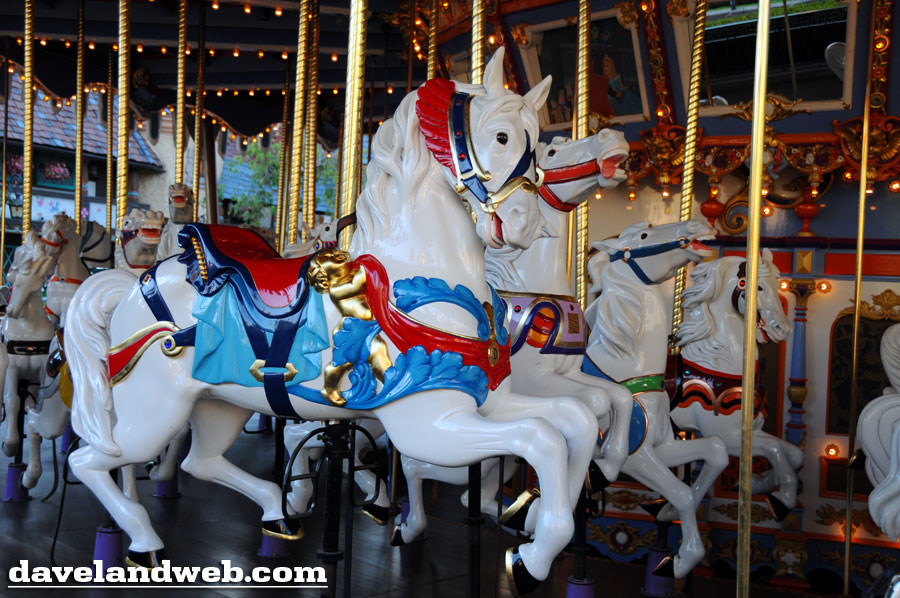
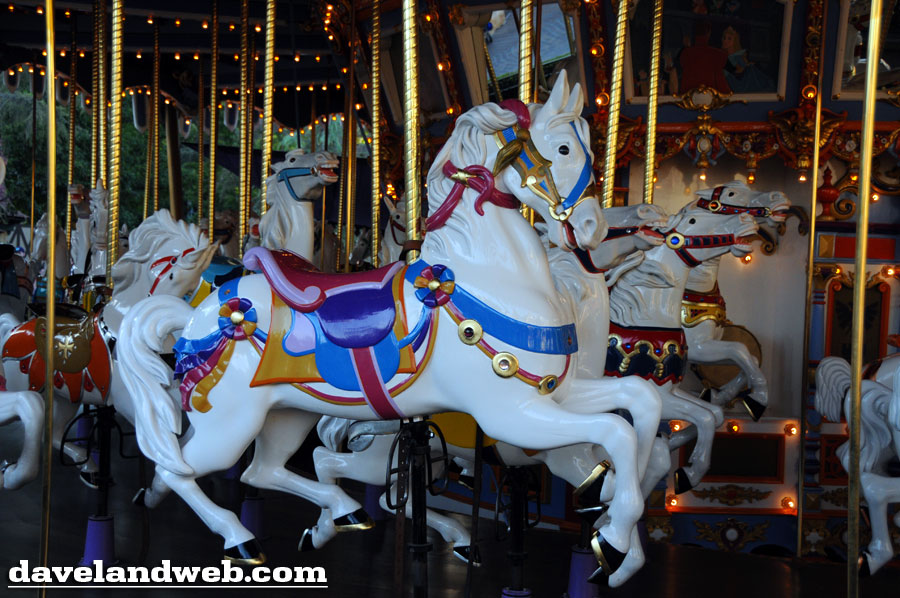
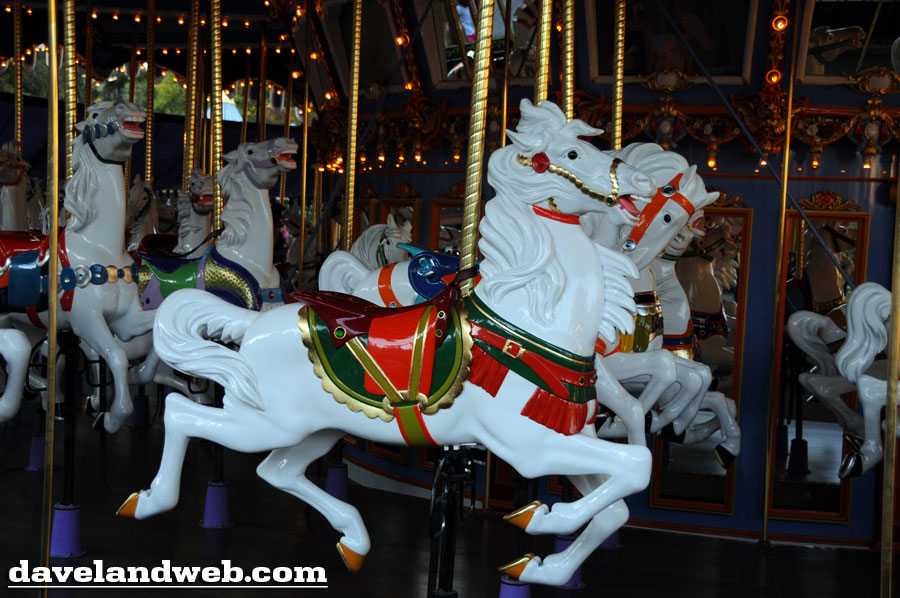
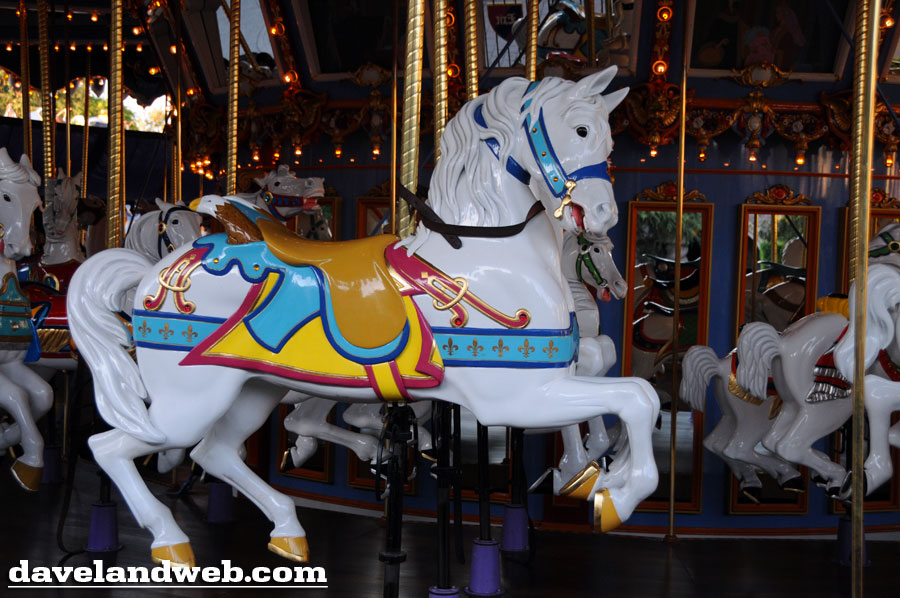
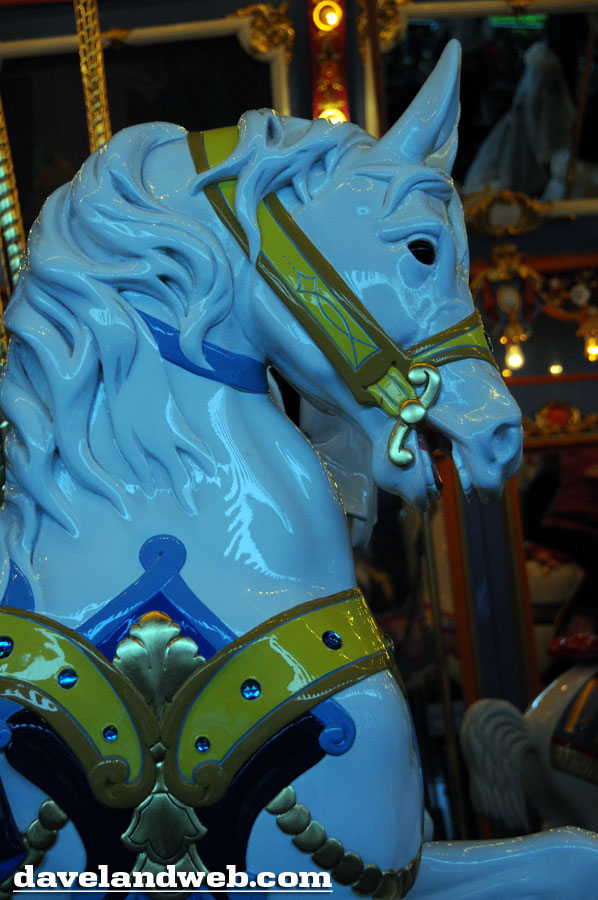
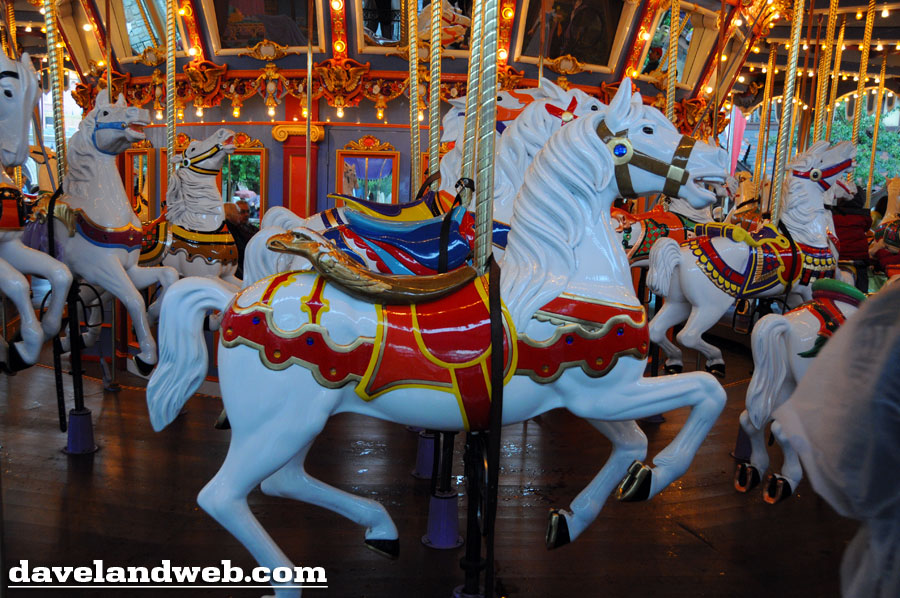
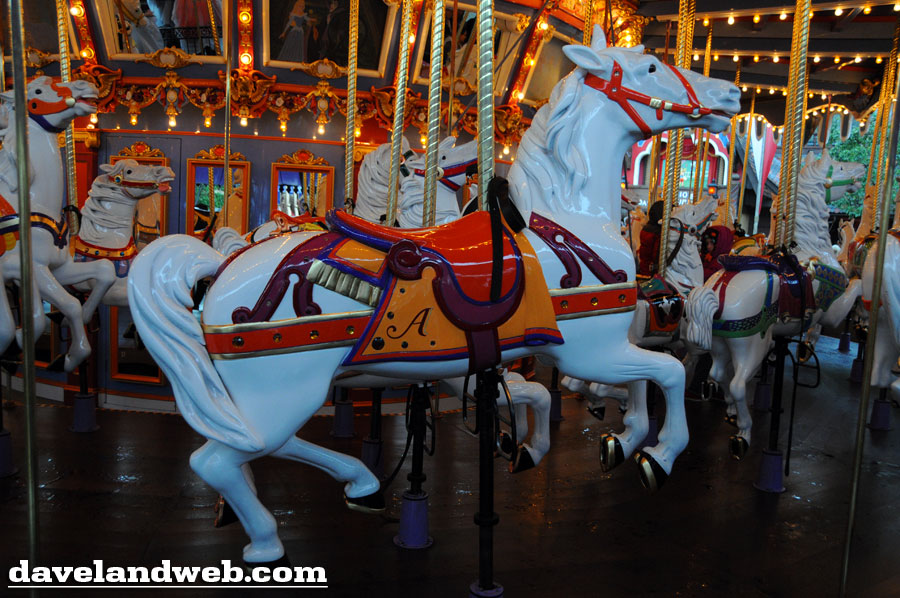
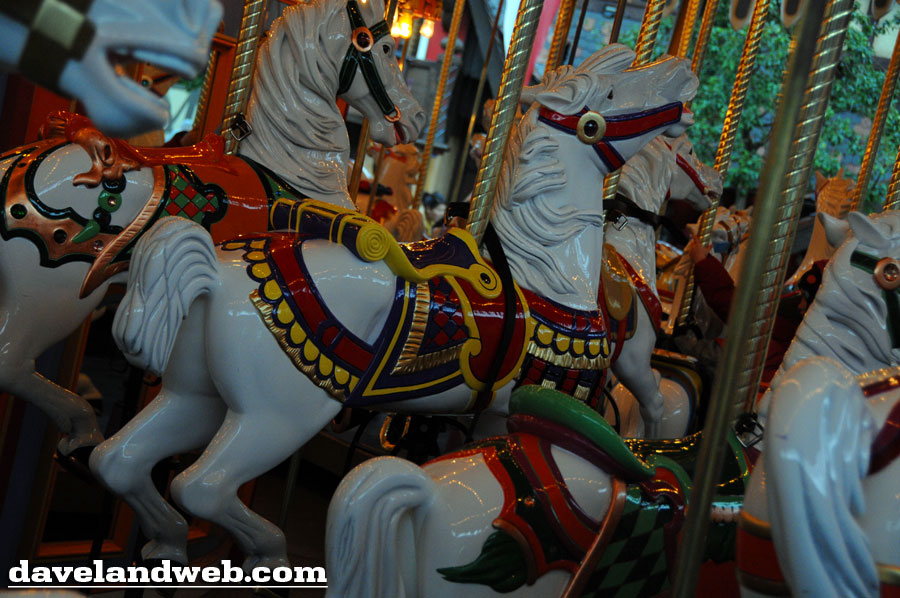
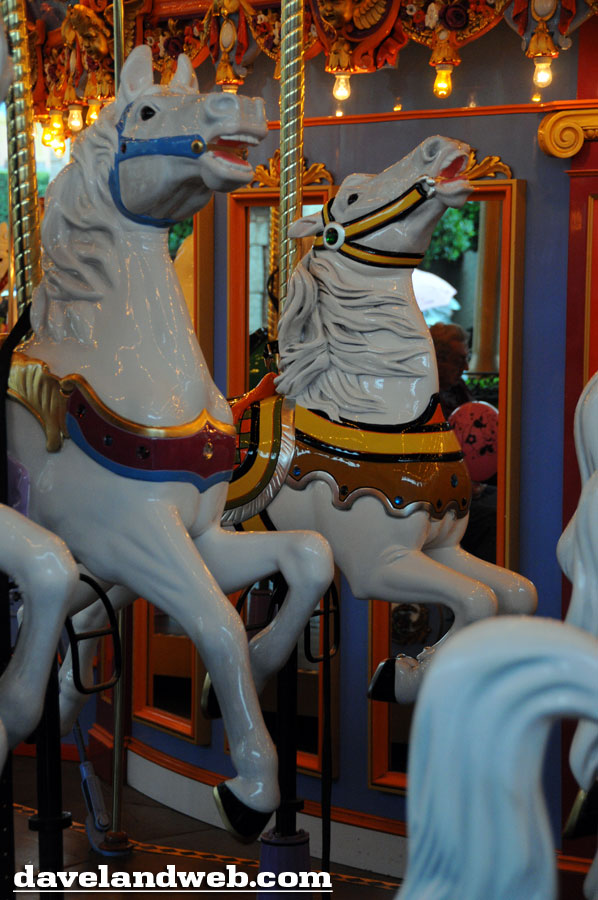
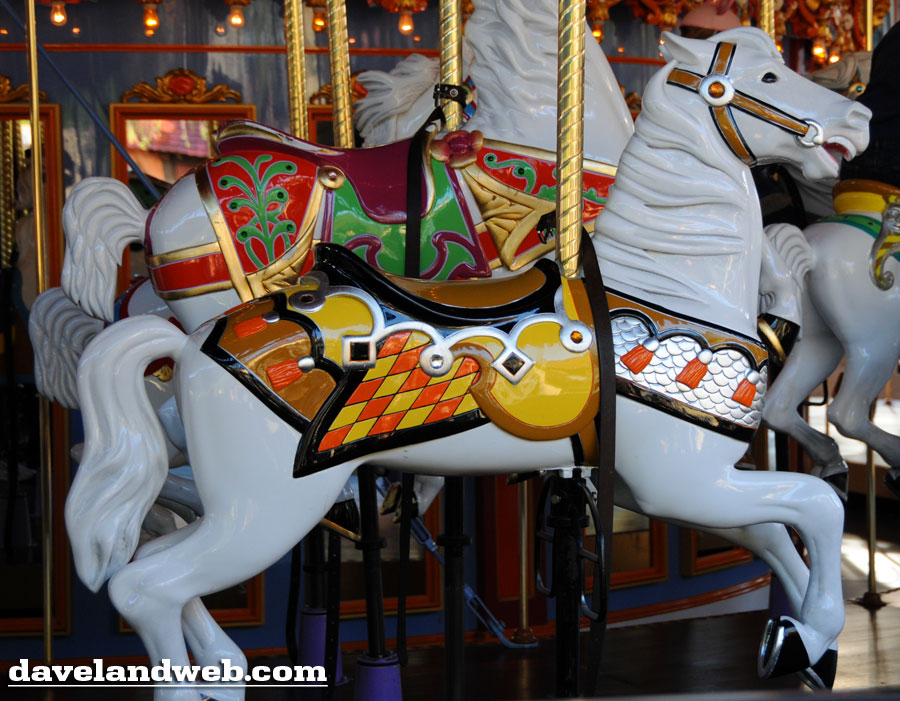
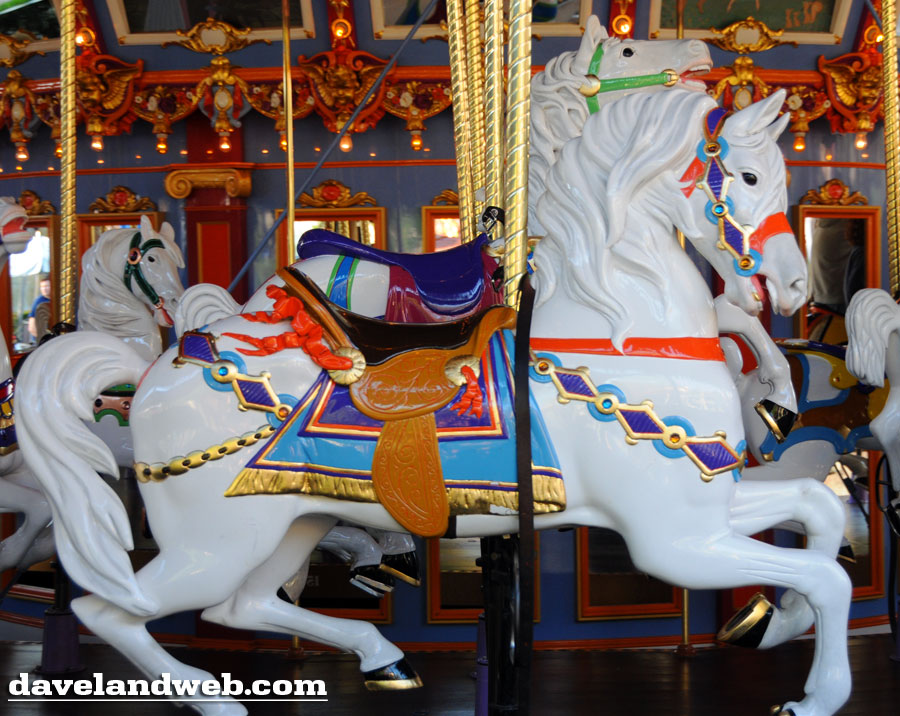
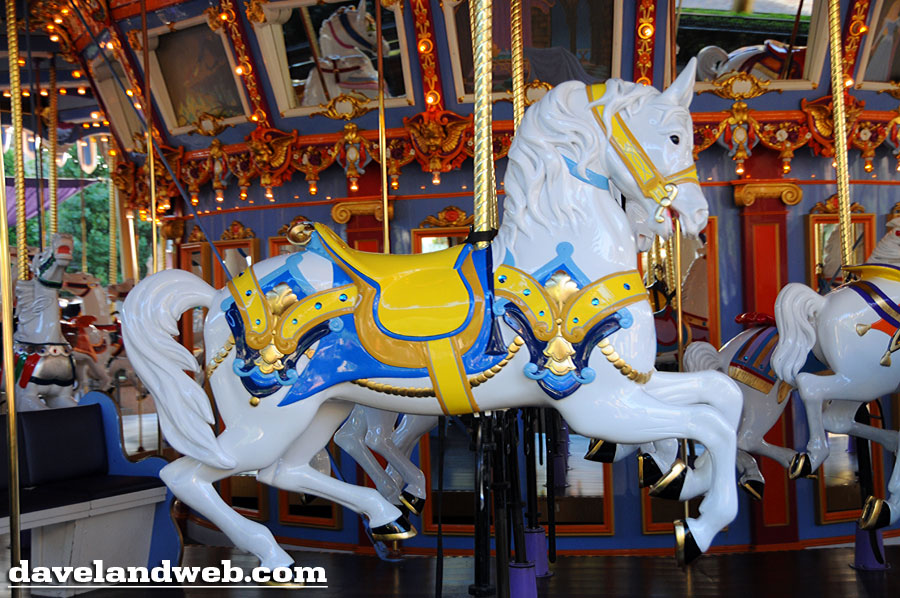
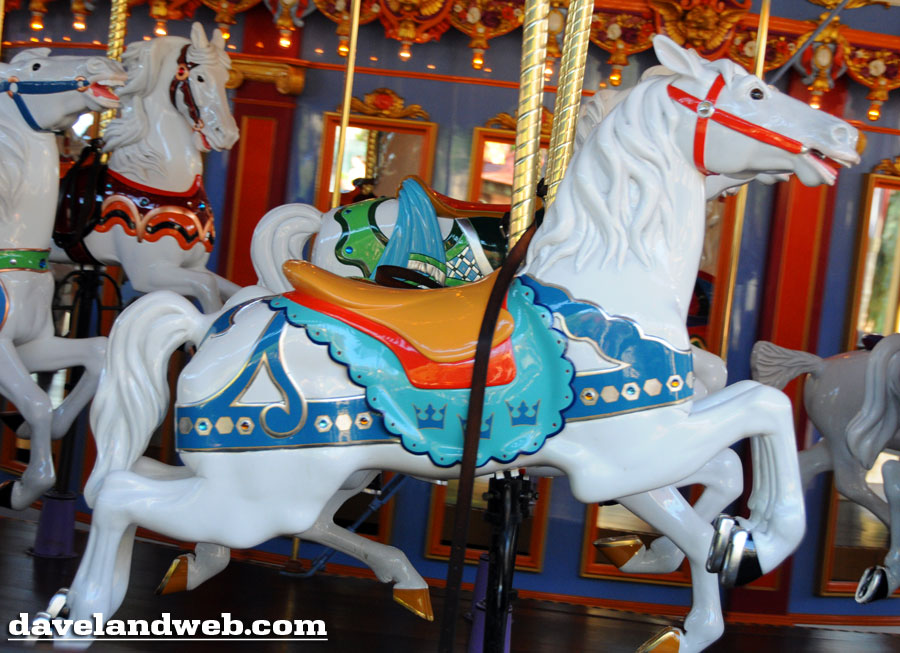
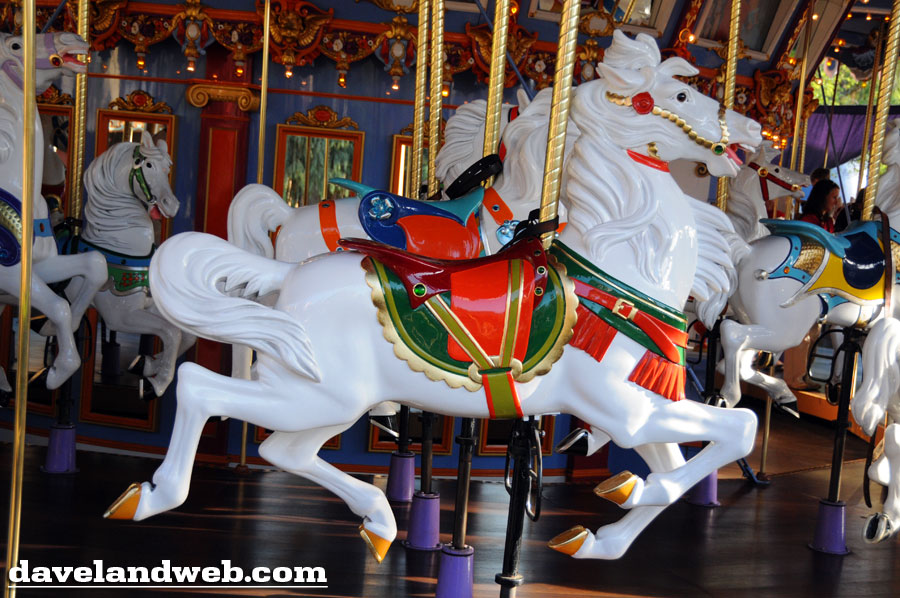
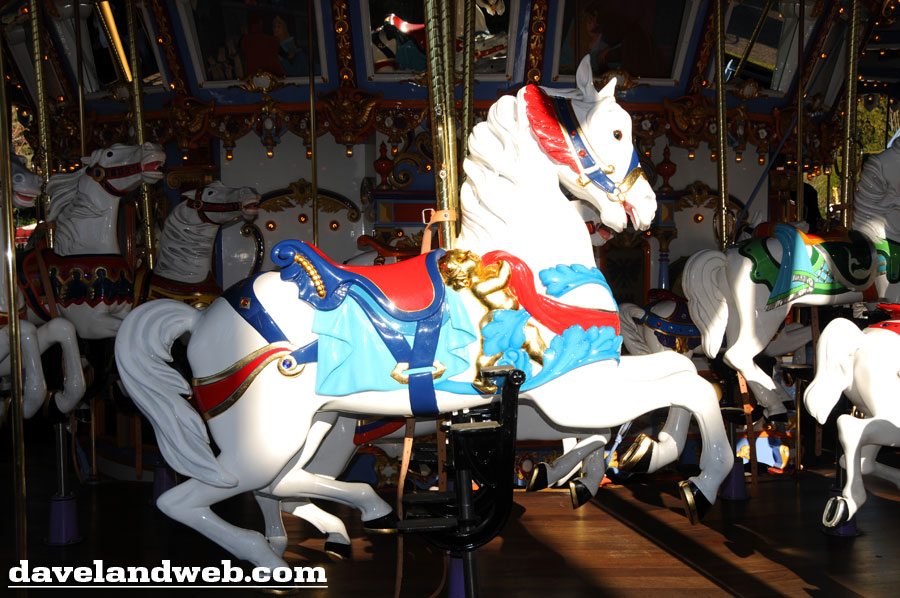
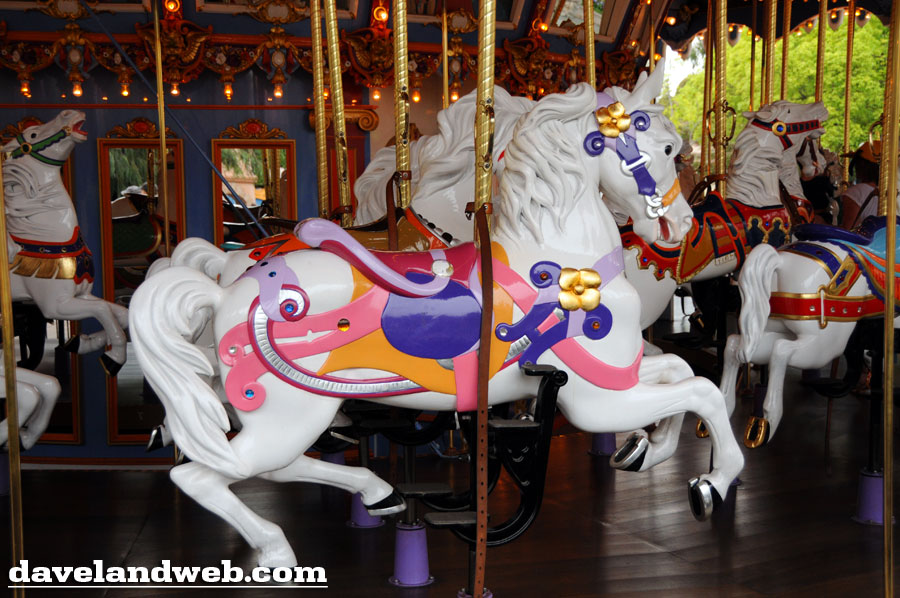
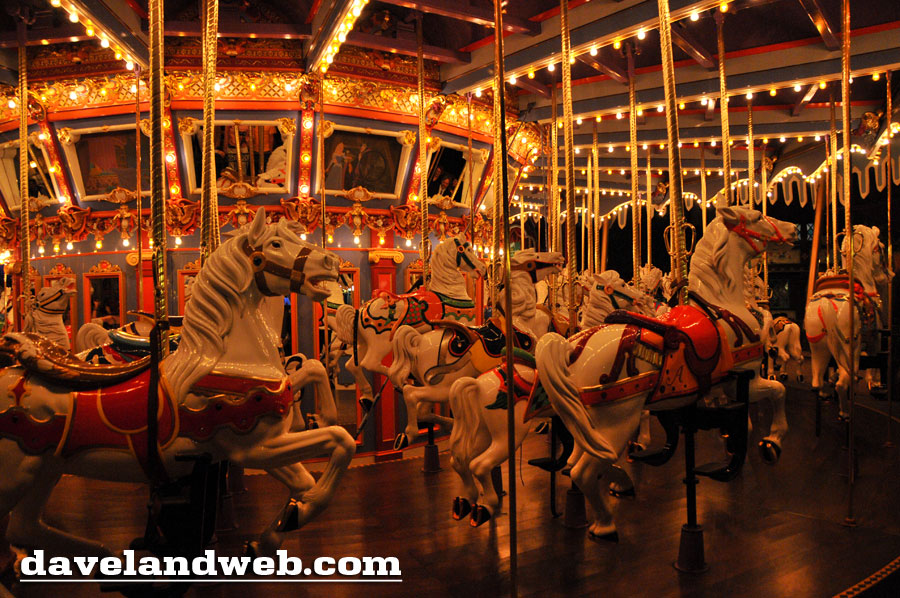
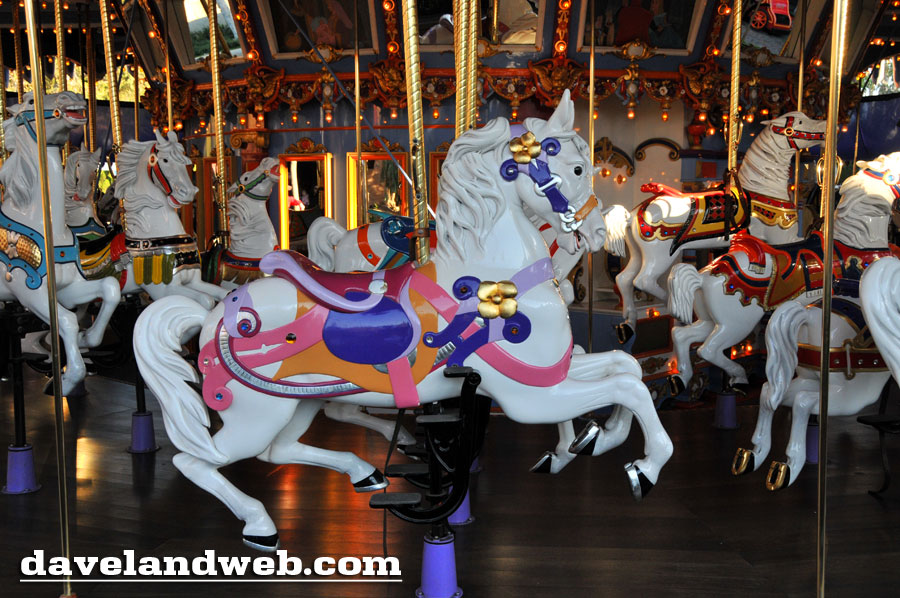
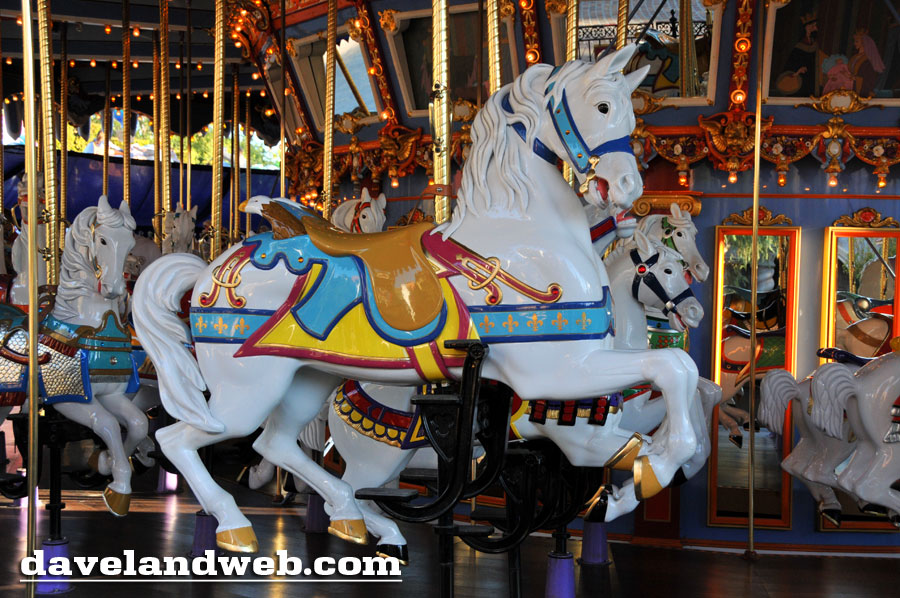
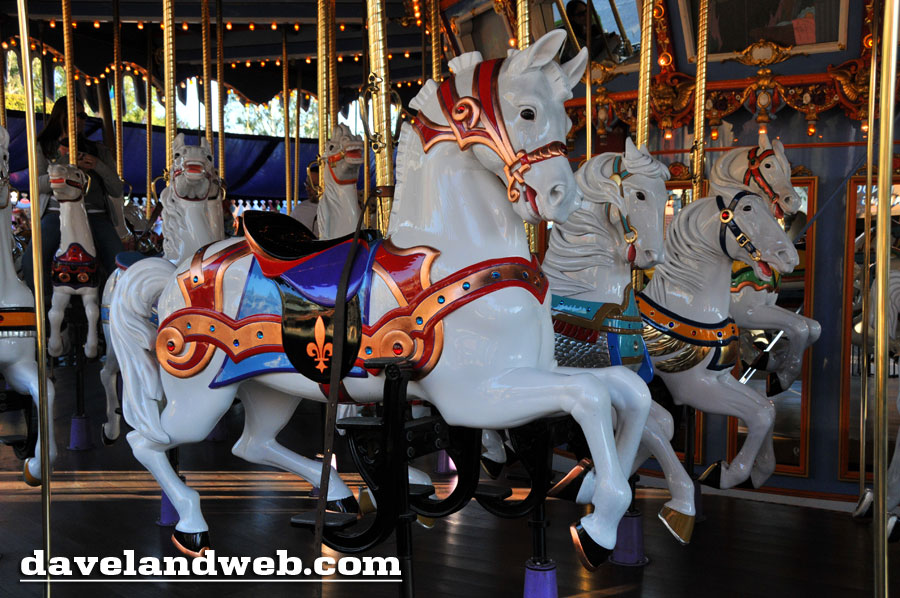
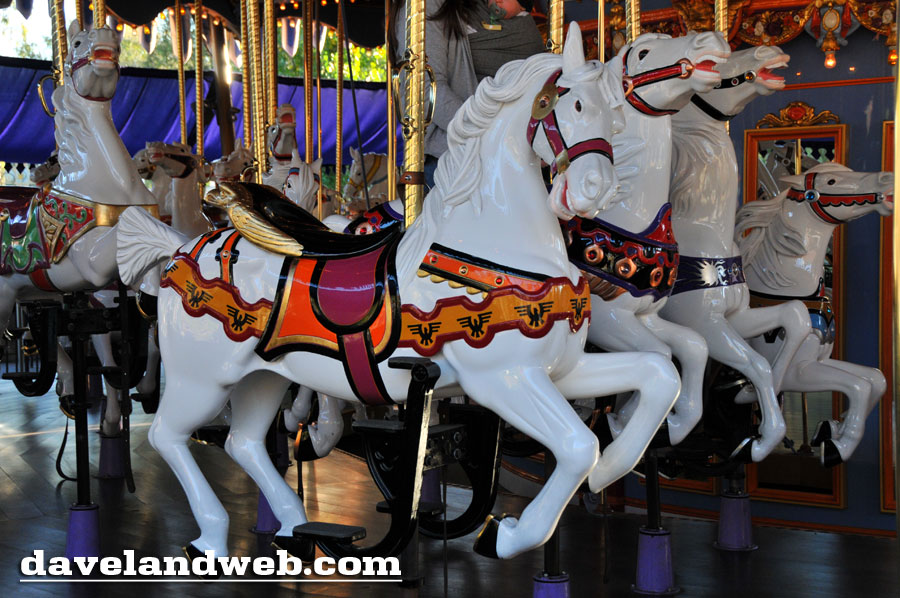
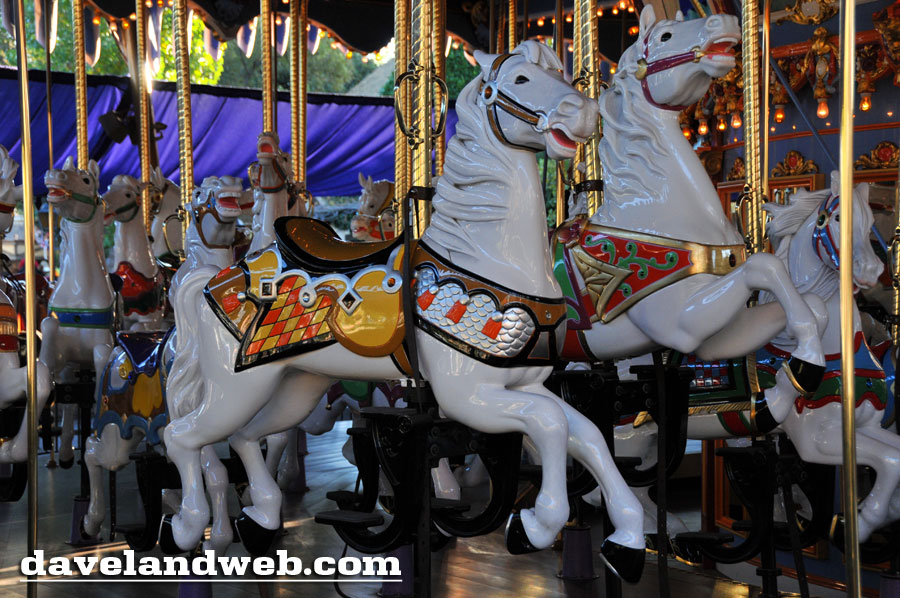
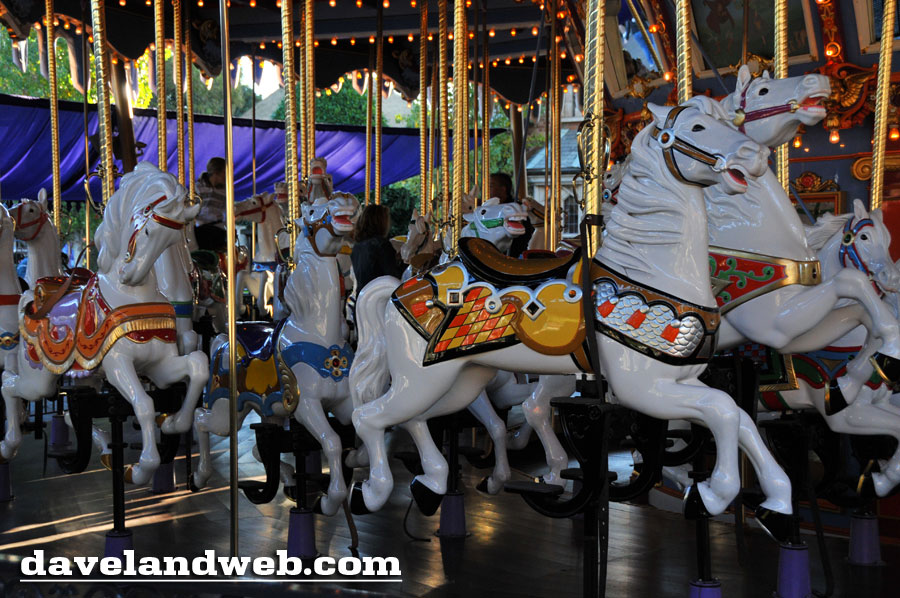
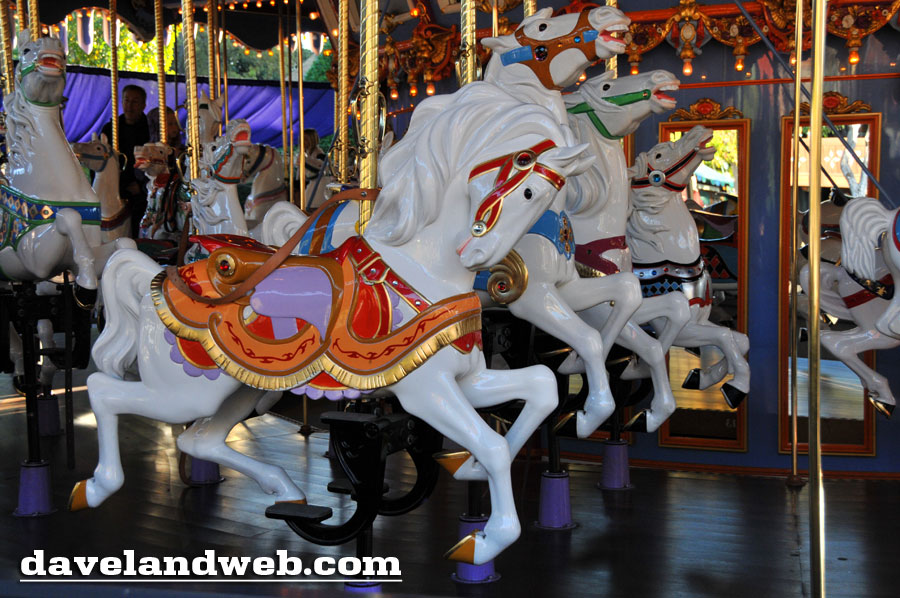
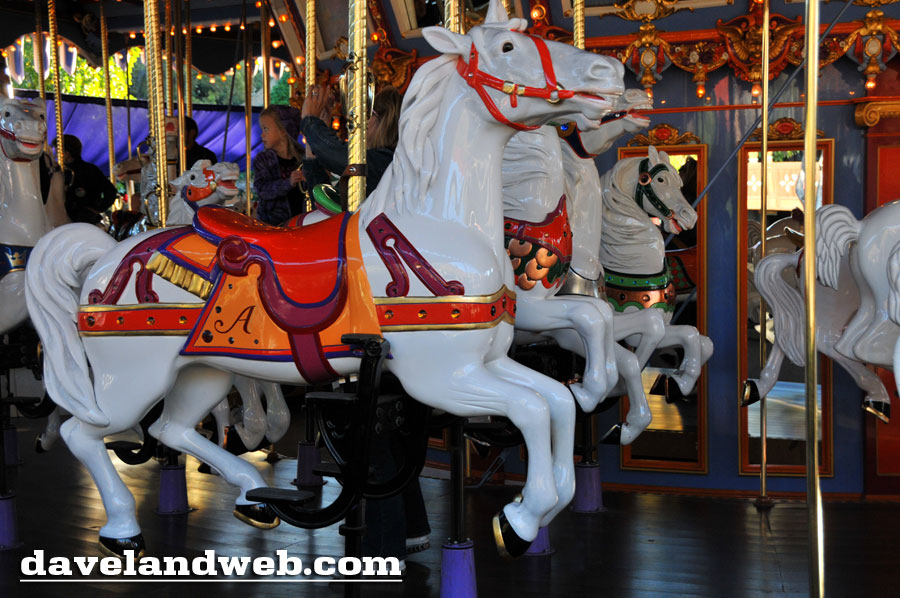
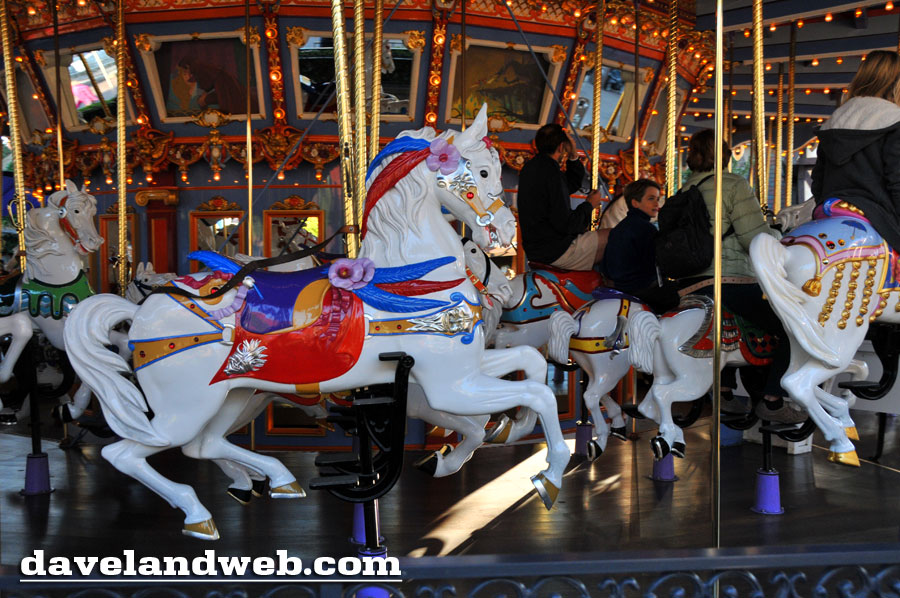
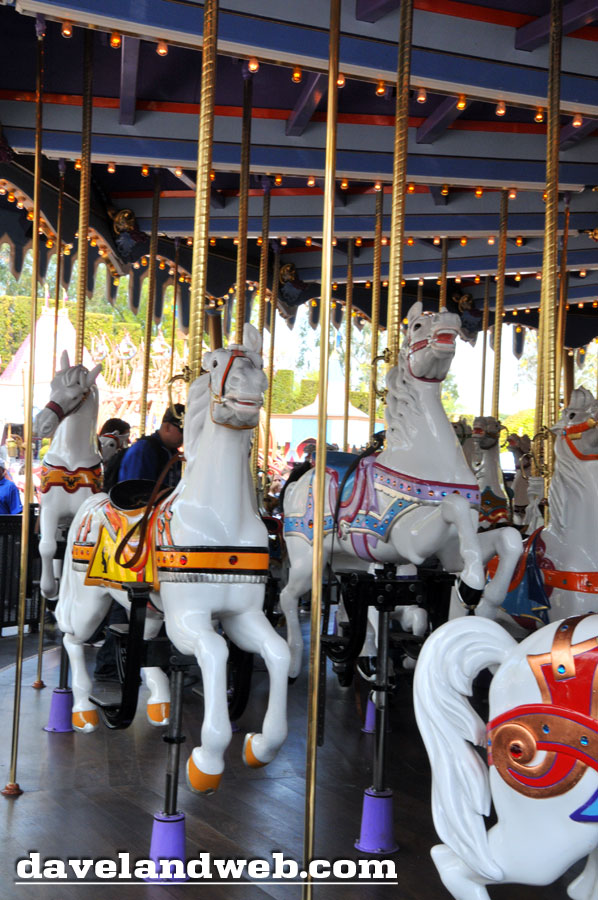
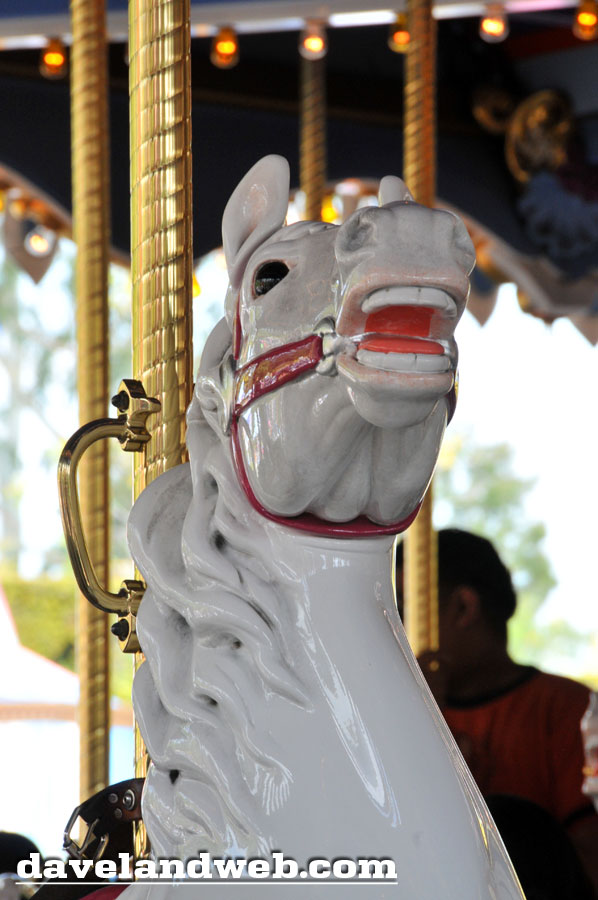
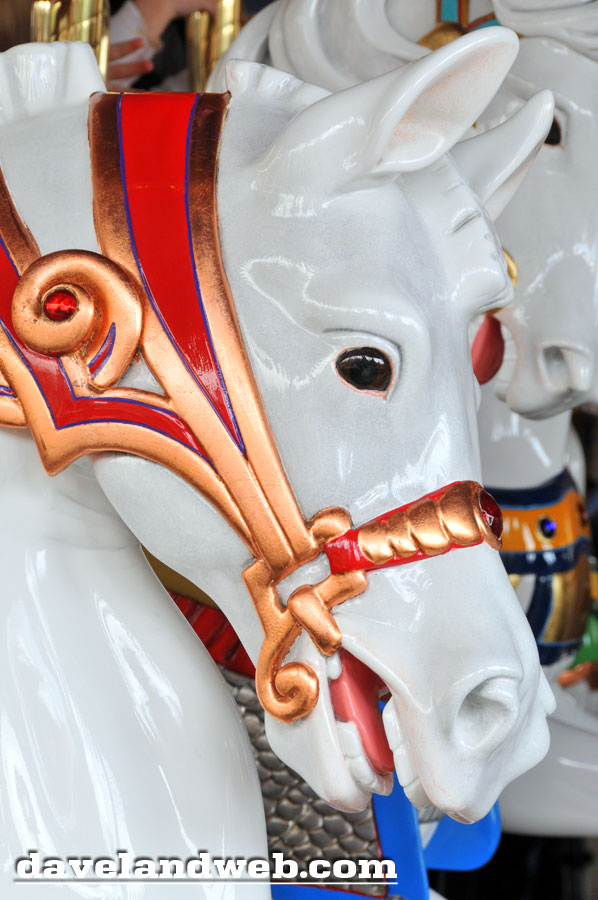
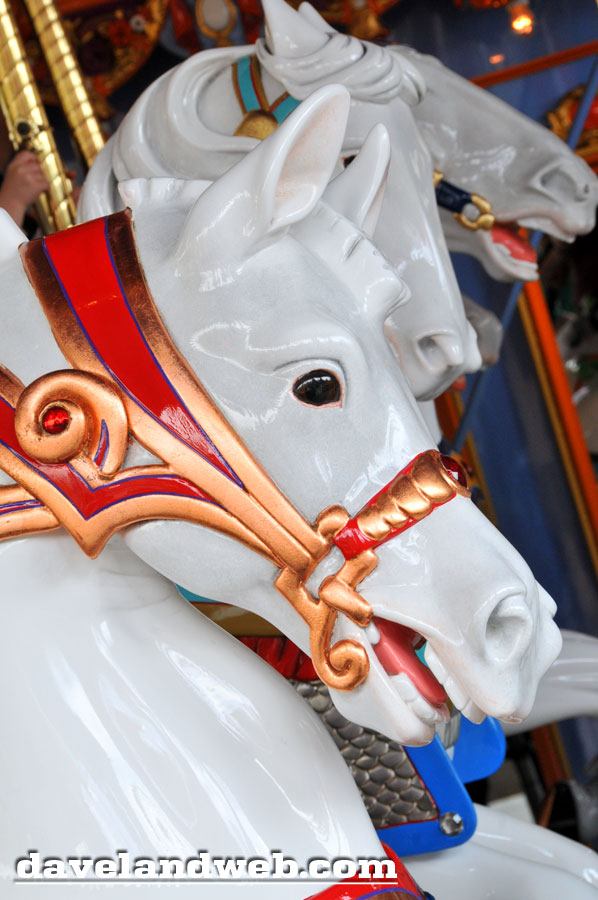
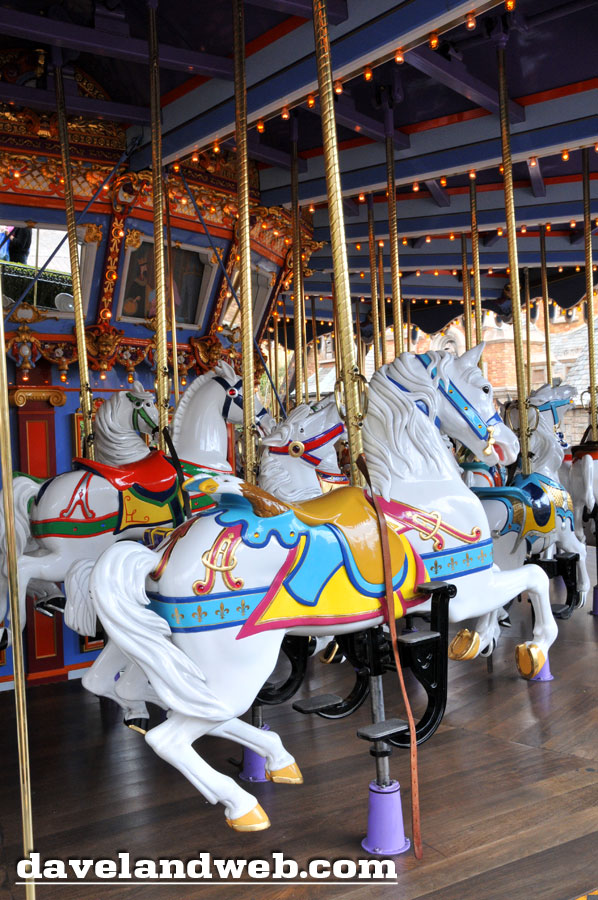
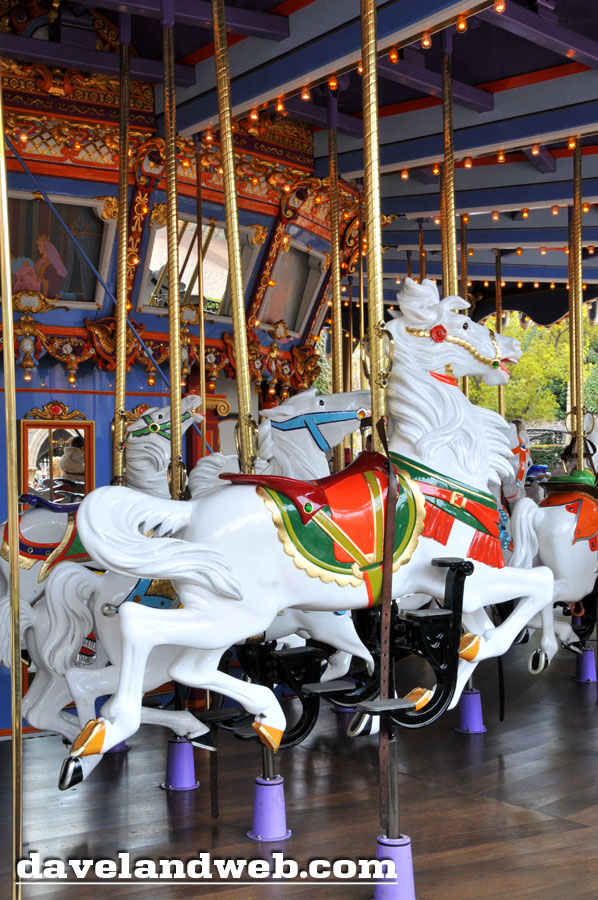
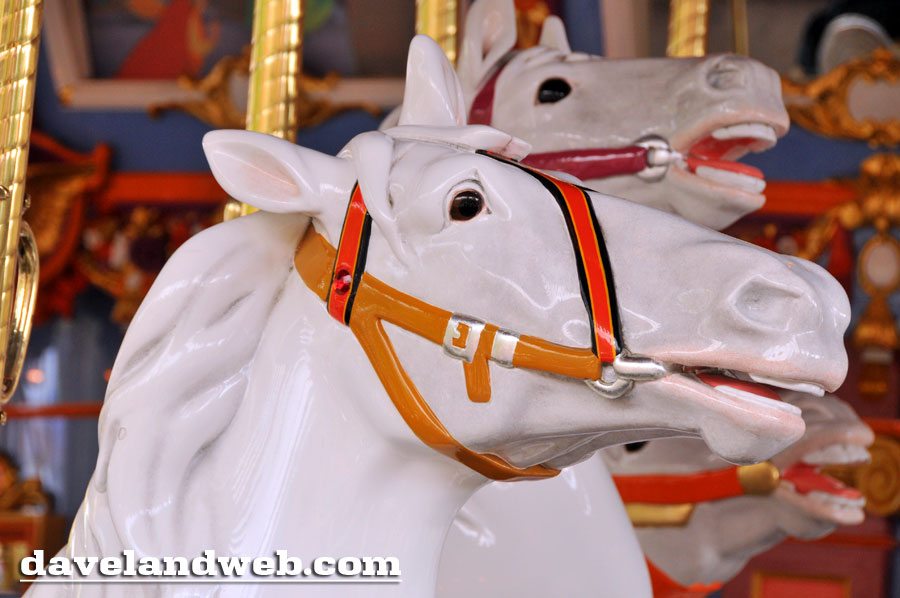
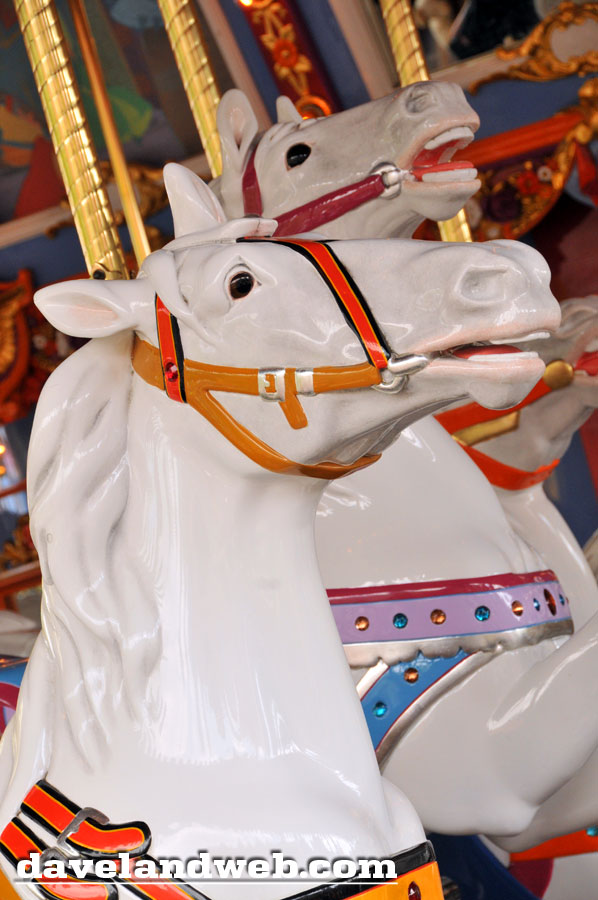
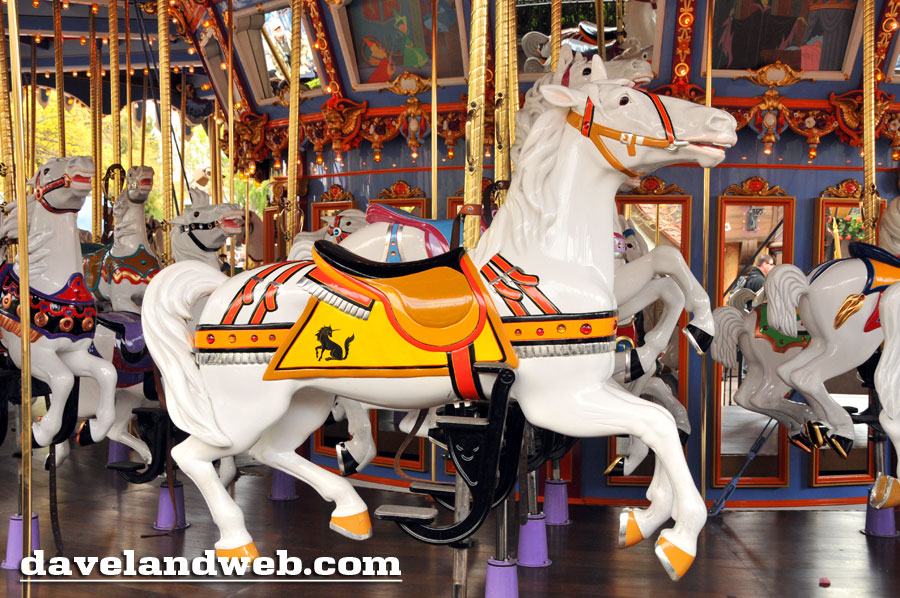
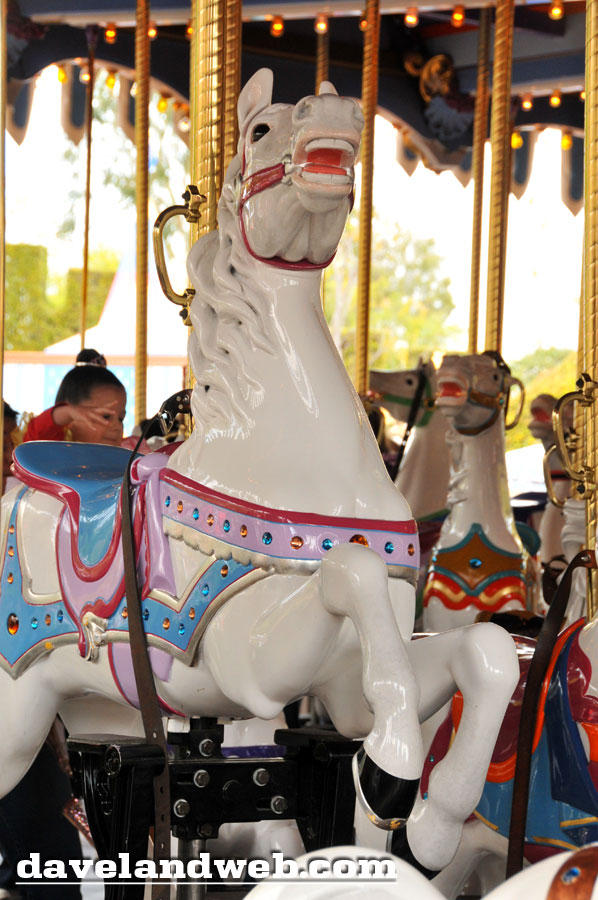
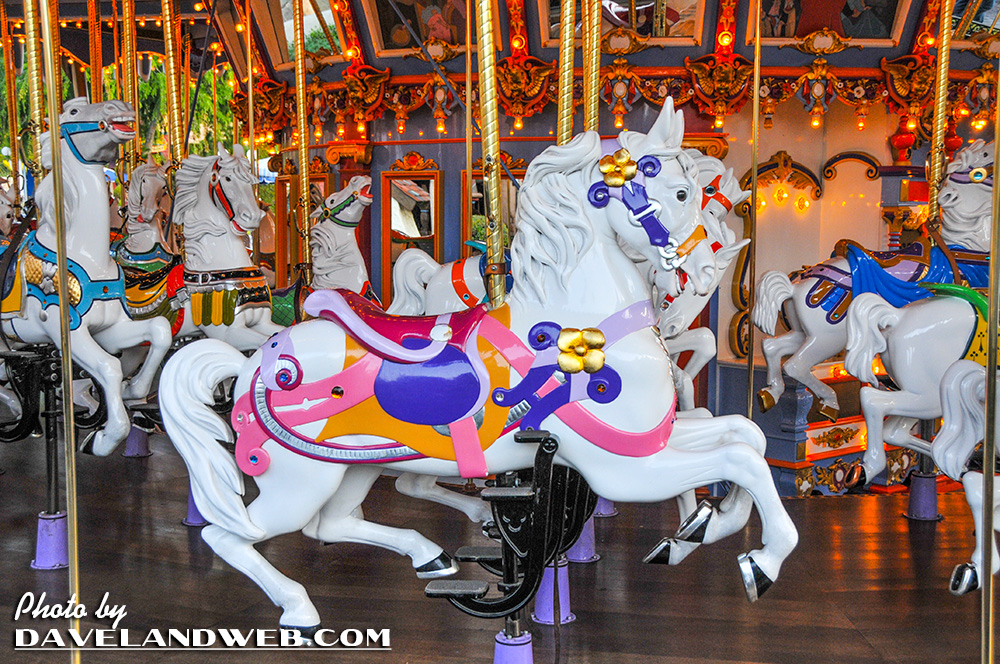
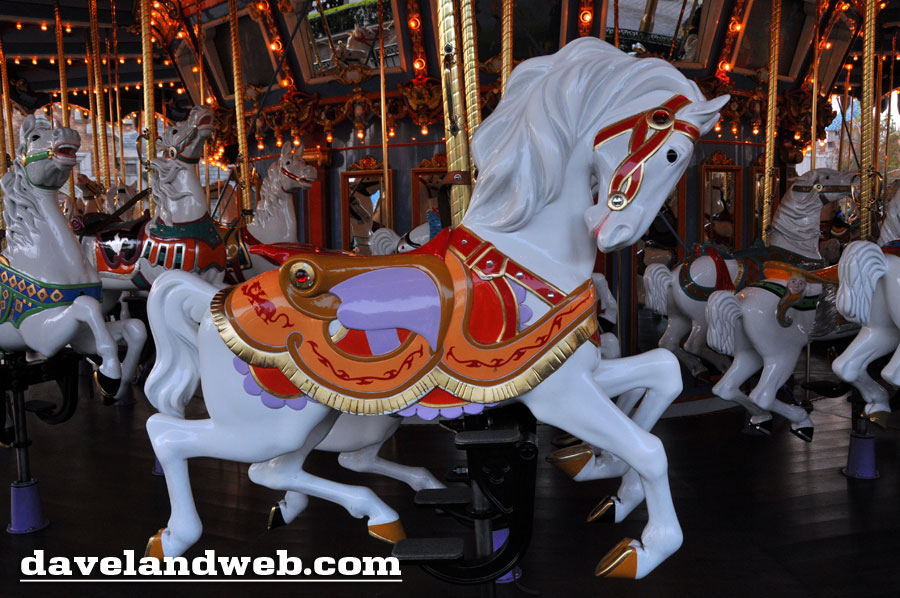
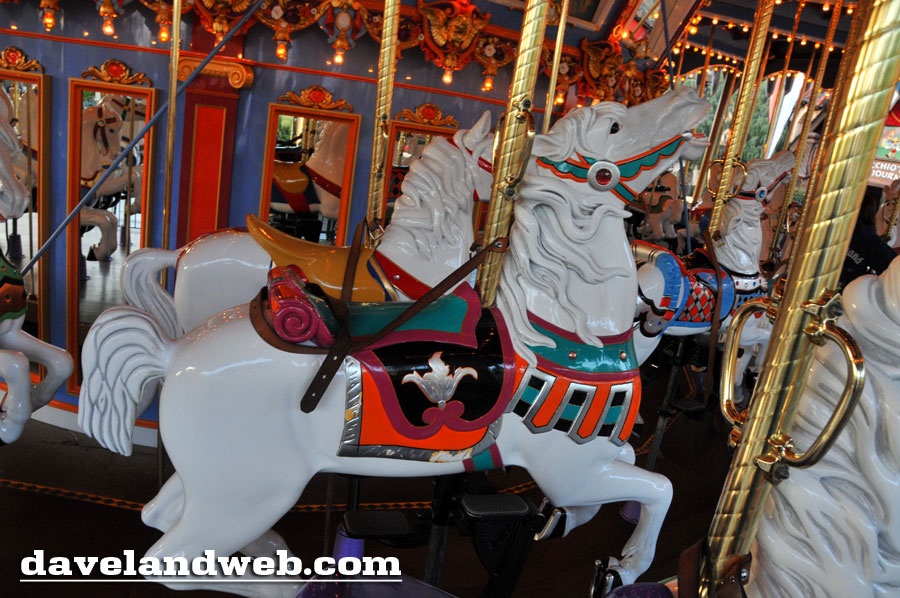
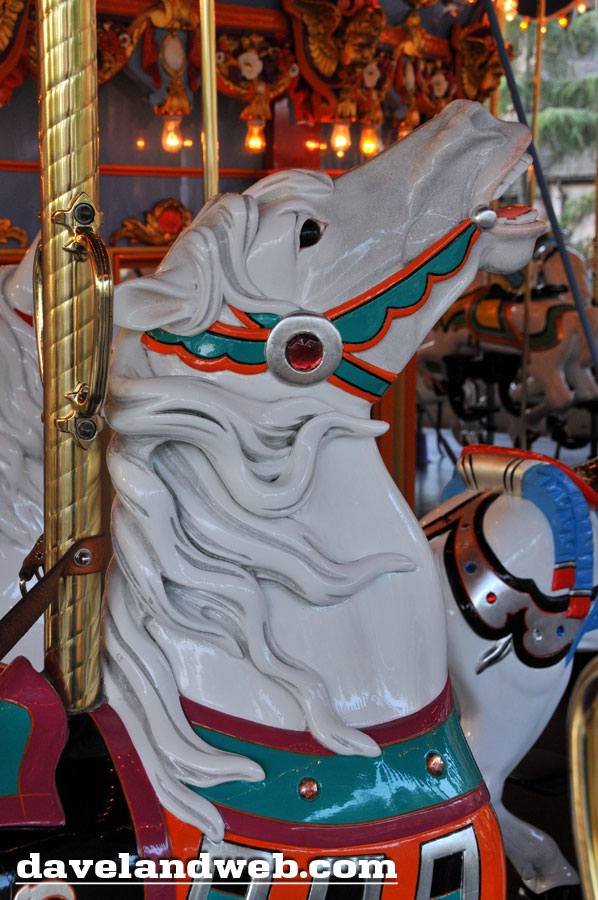
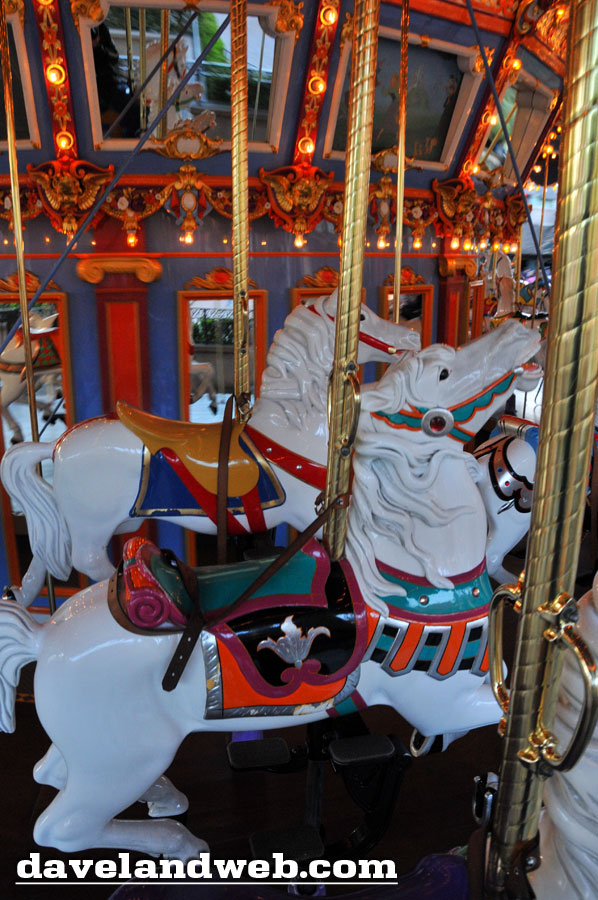
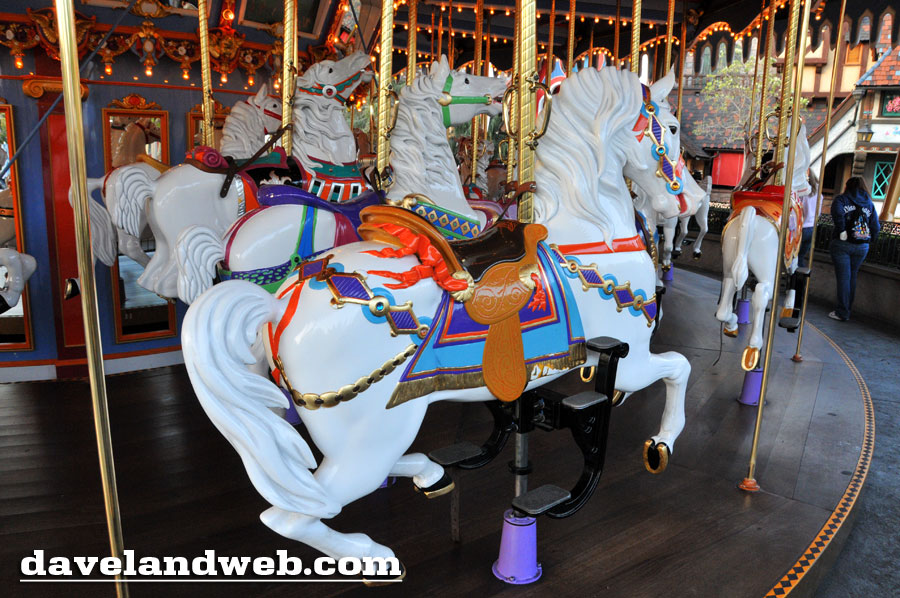
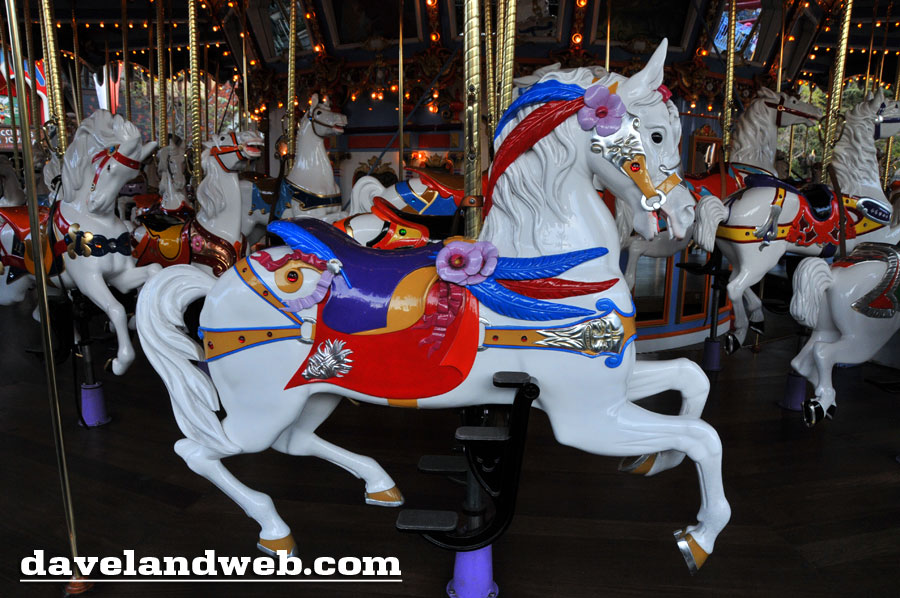
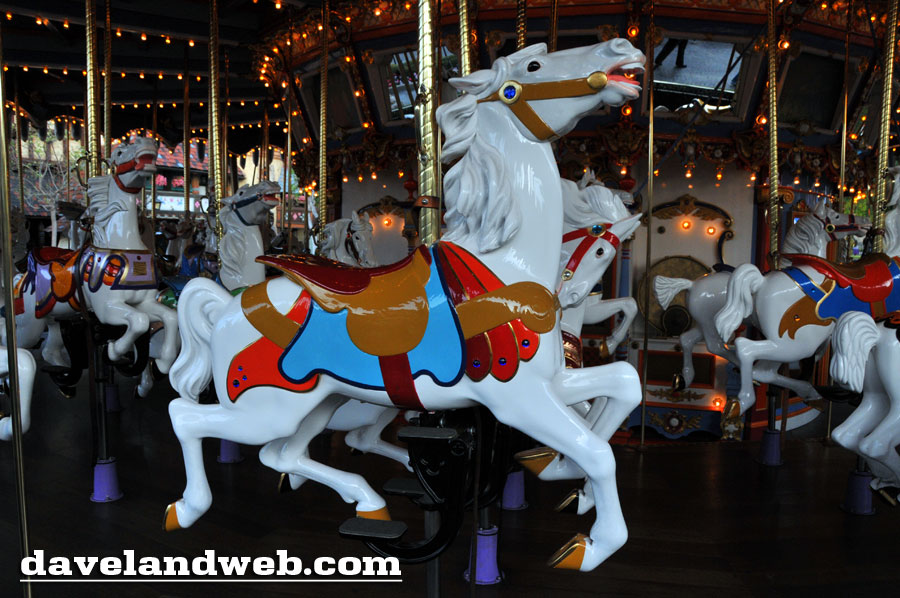
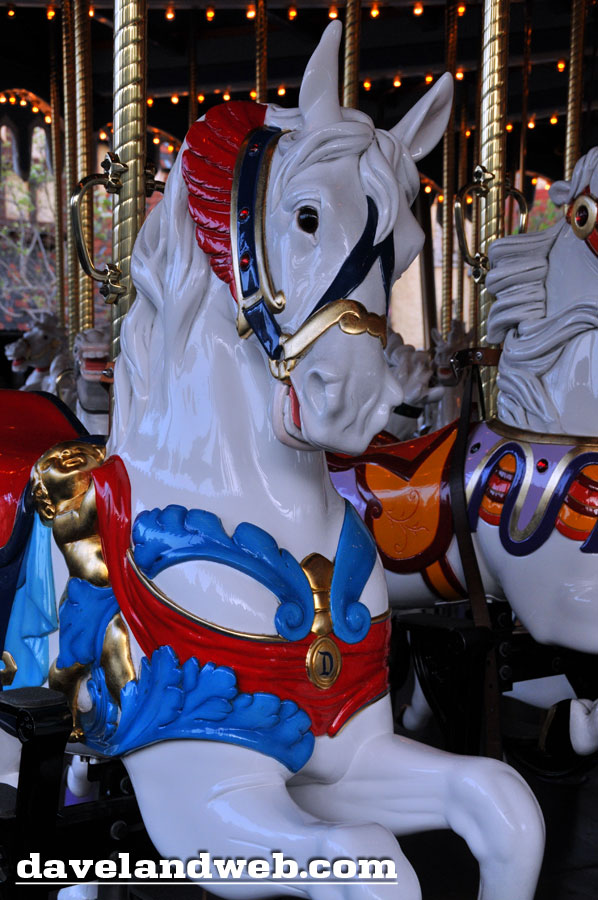
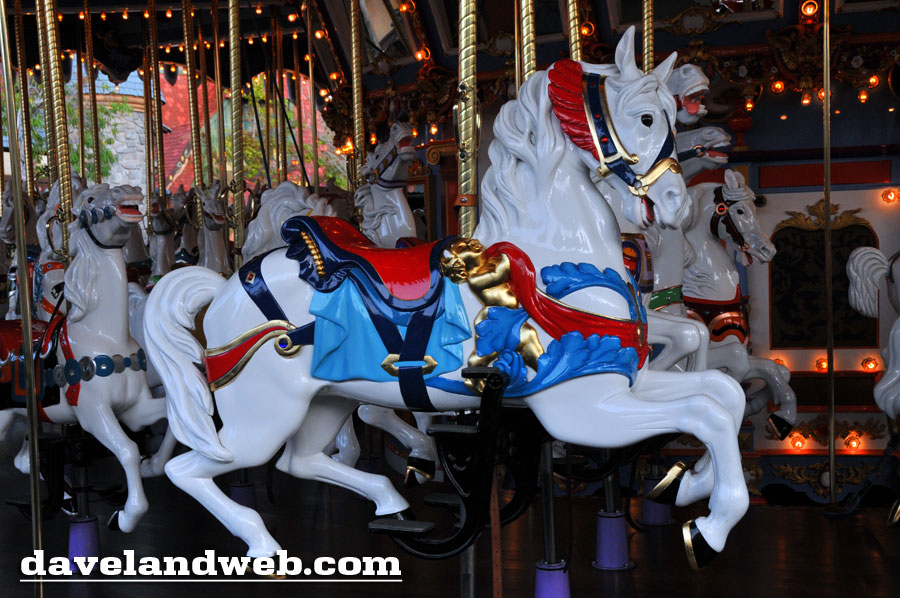
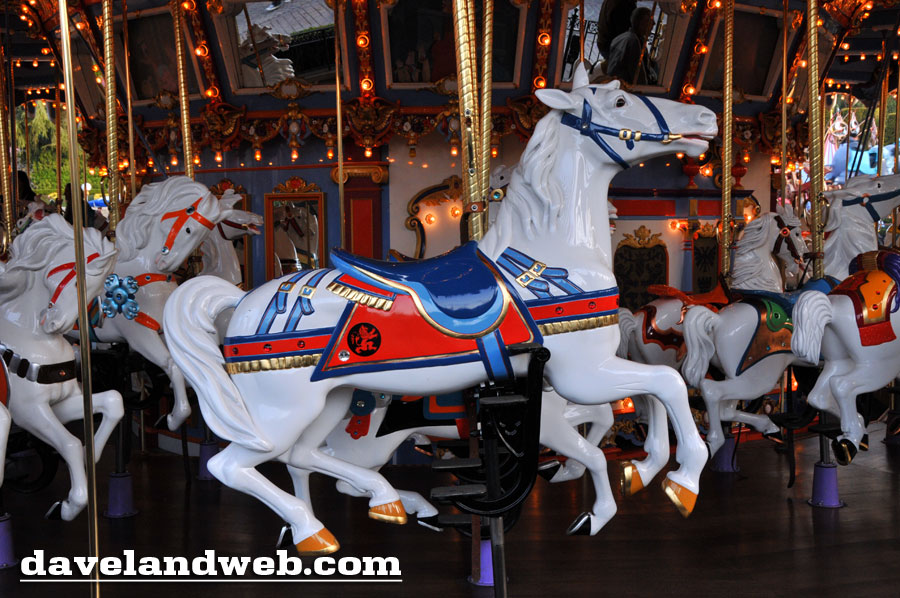
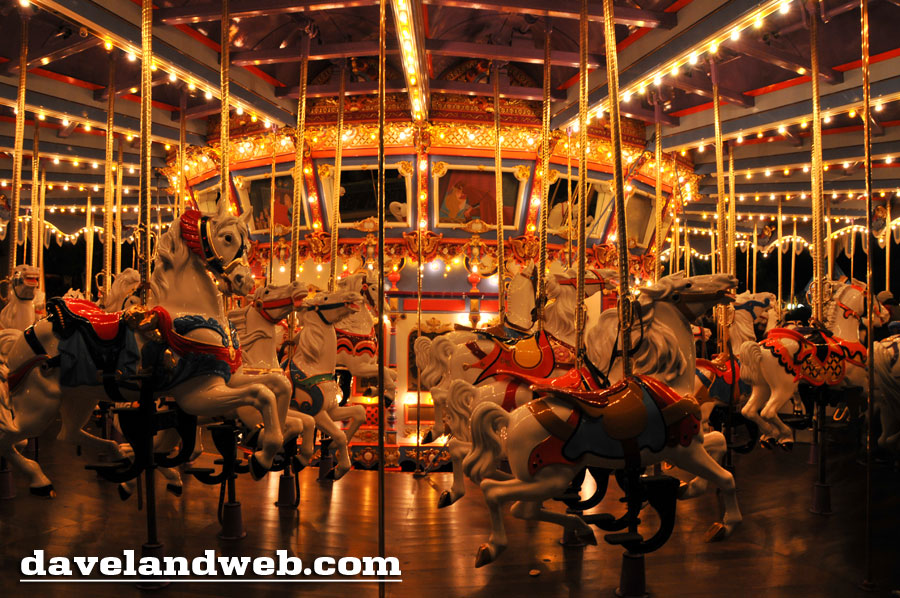
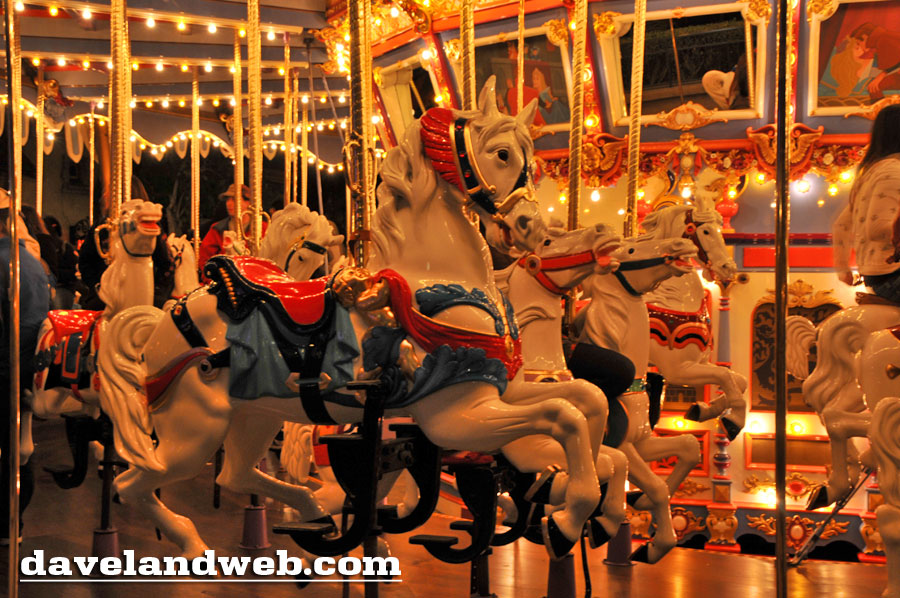
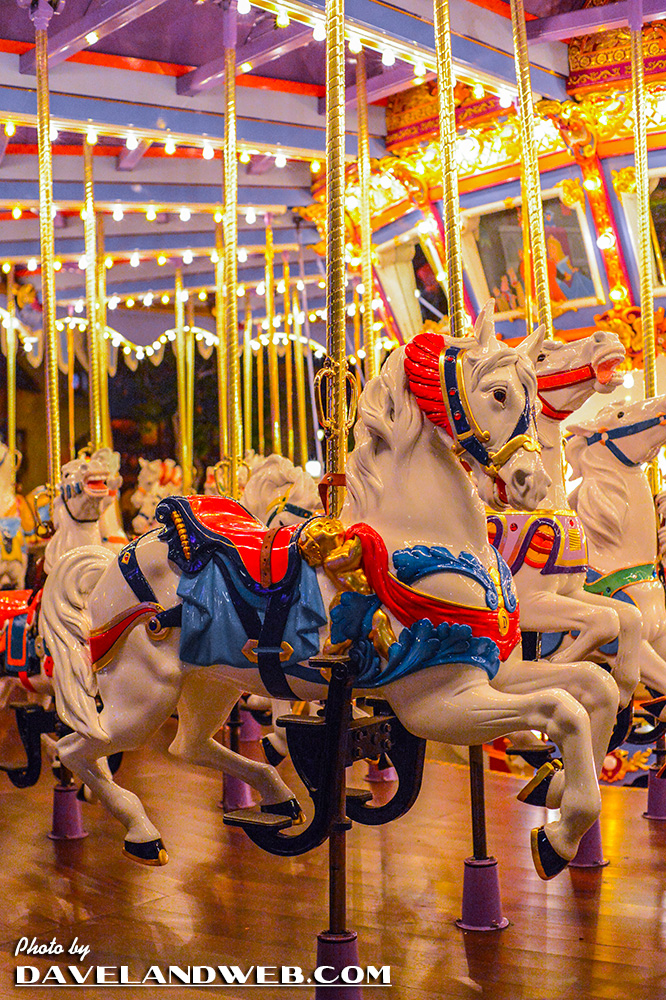
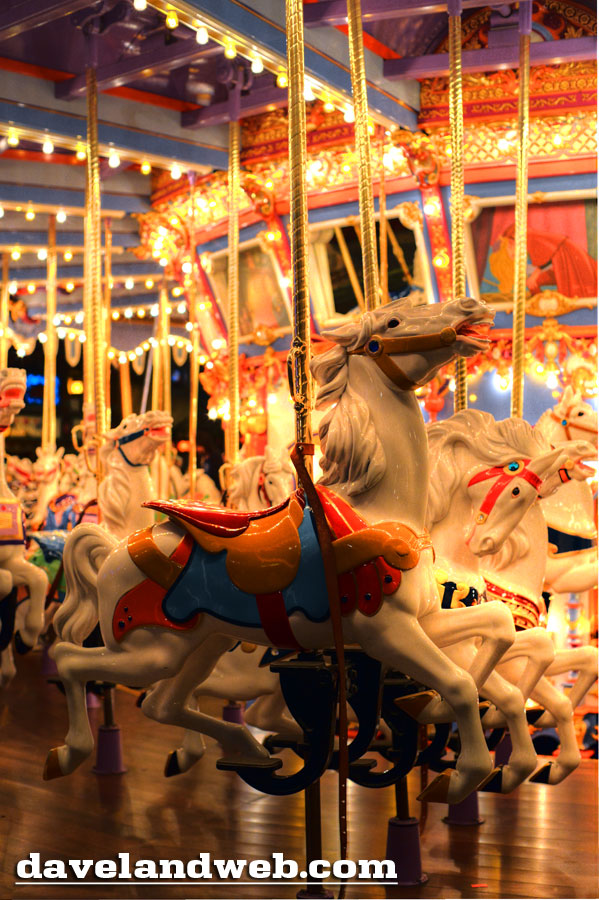
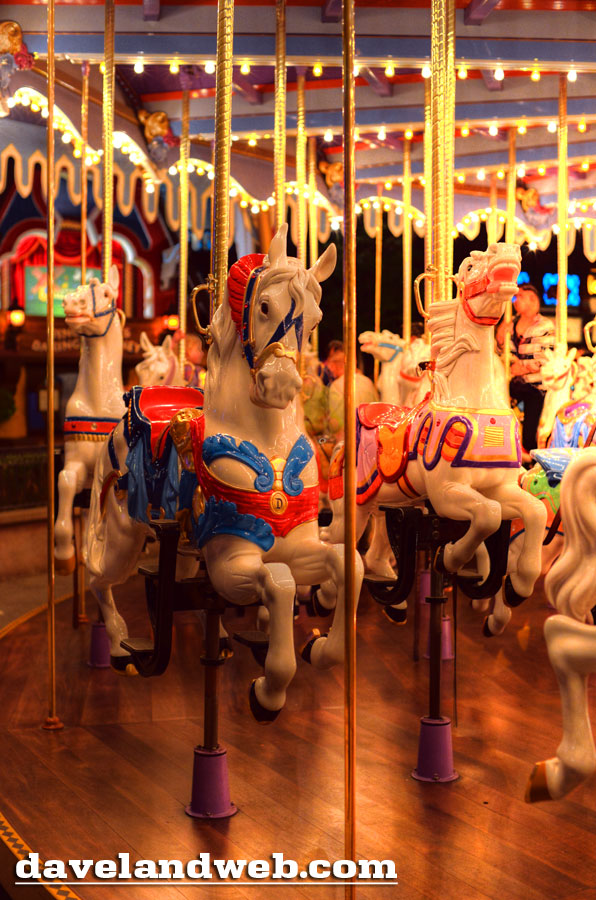
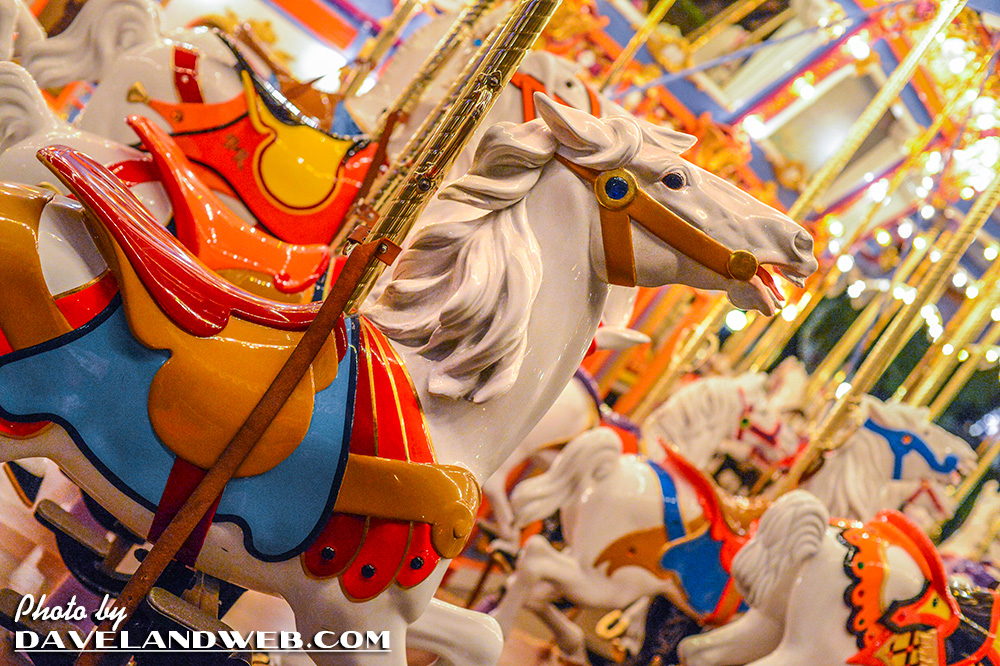
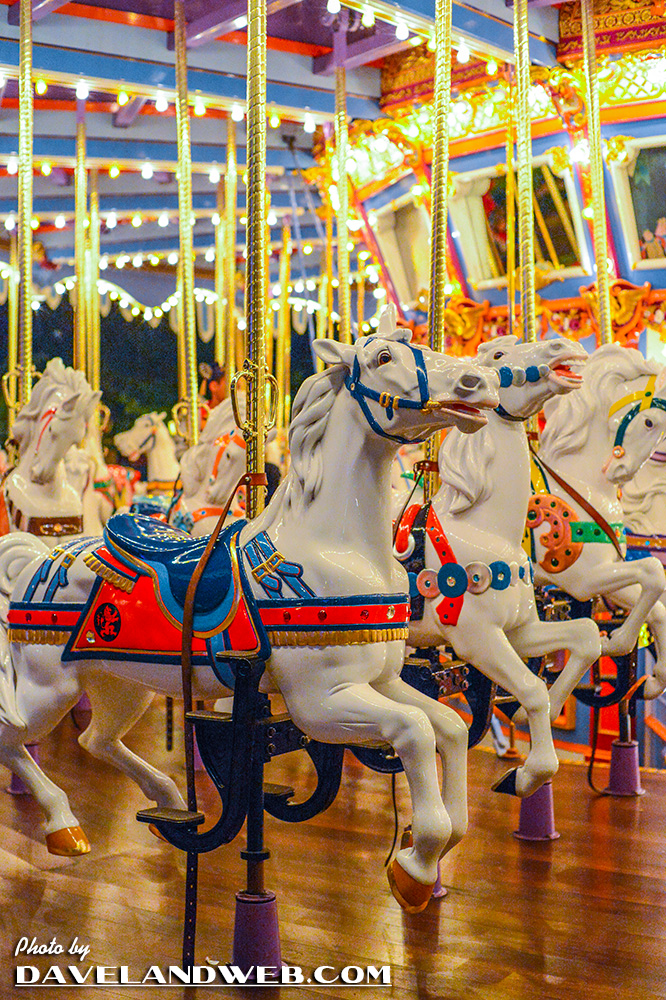
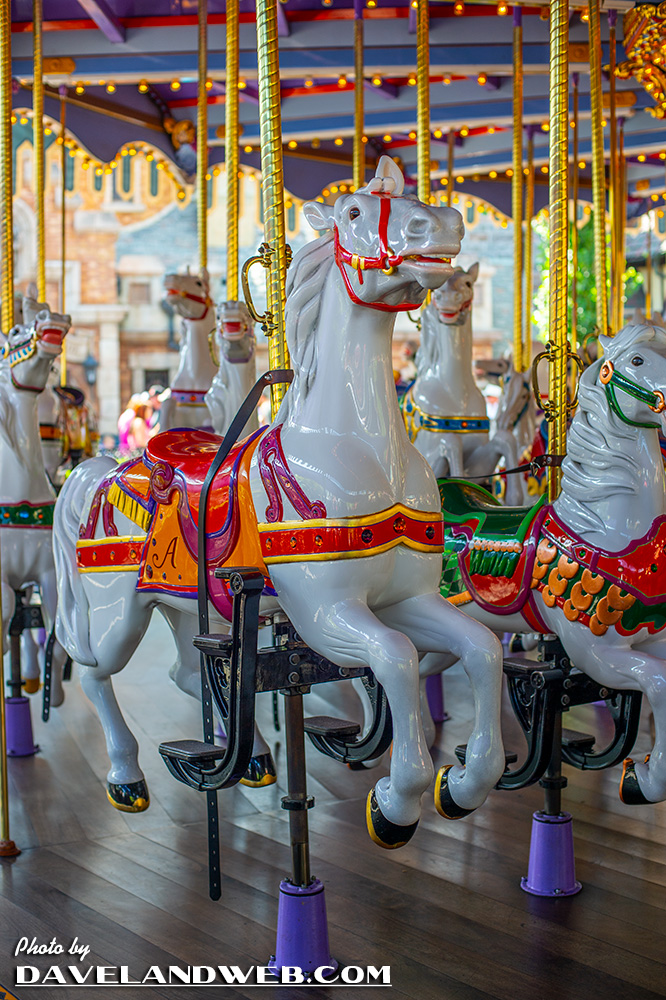
In 1975, the 72 multi-colored, hand-carved horses on King Arthur Carrousel were repainted white so taht every Guest could gallop upon a knight's white steed. Bridles, saddles and flowers were painted in custom-designed color schemes and adorned with decorative "jewels," giving each horse a distinct personality.
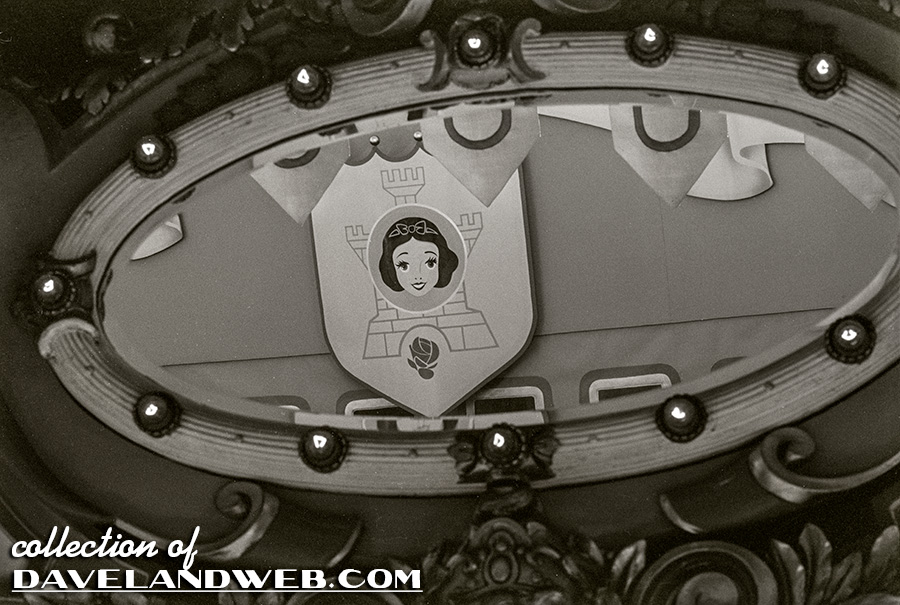
Nine hand-painted panels depicting key moments from Walt Disney's Sleeping Beauty were placed within the carrousel, linking the attraction to the most famous landmark of Fantasyland—Sleeping Beauty Castle.
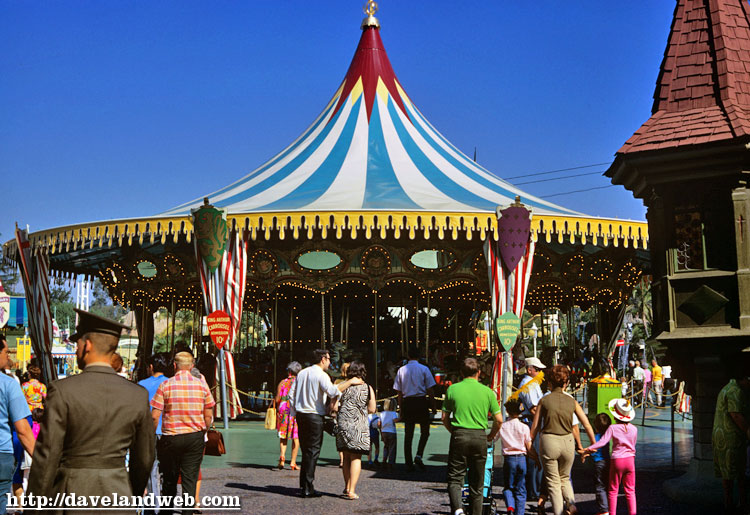
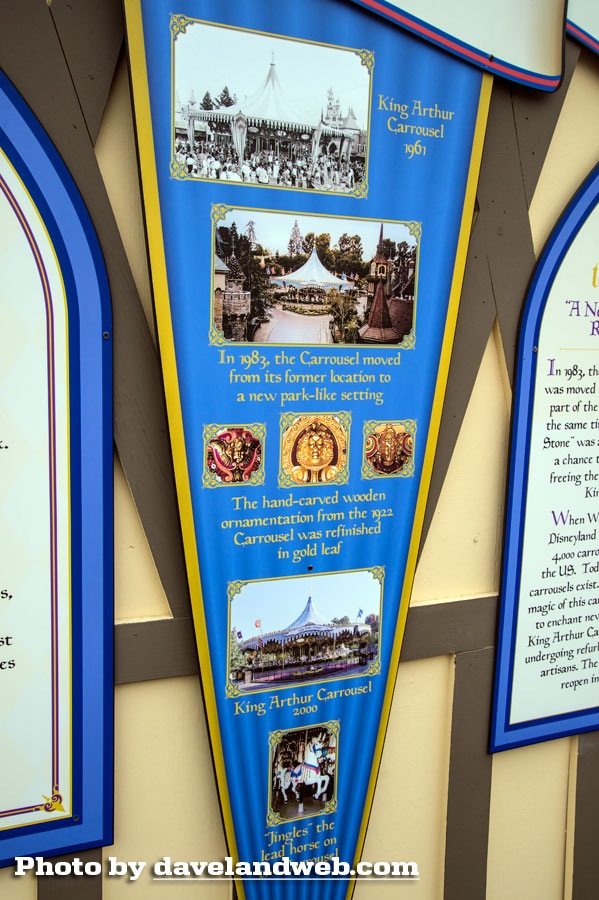
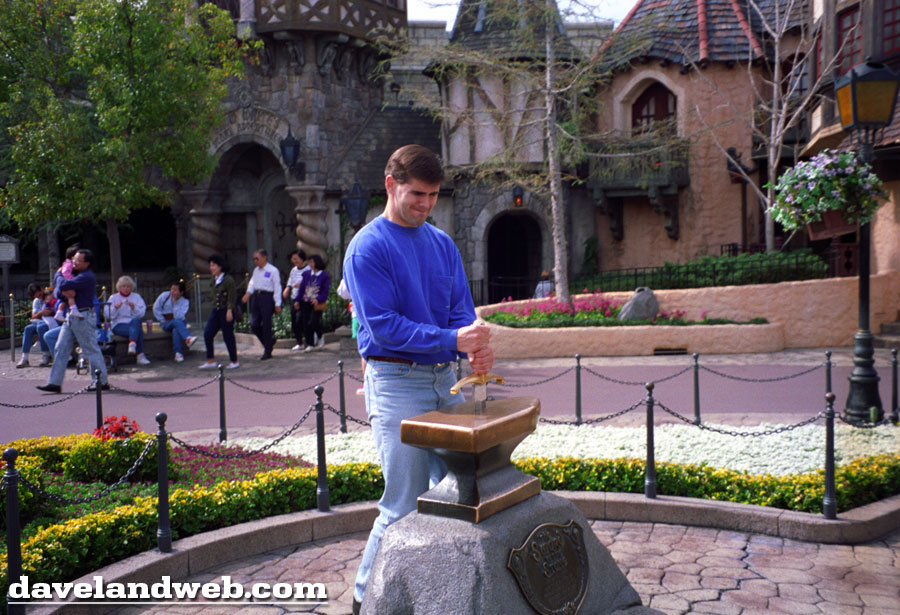
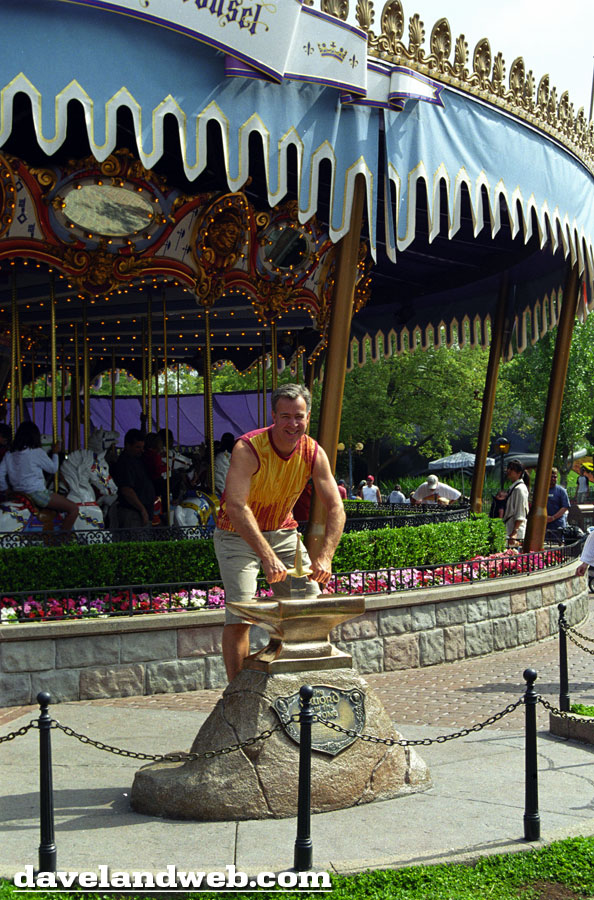
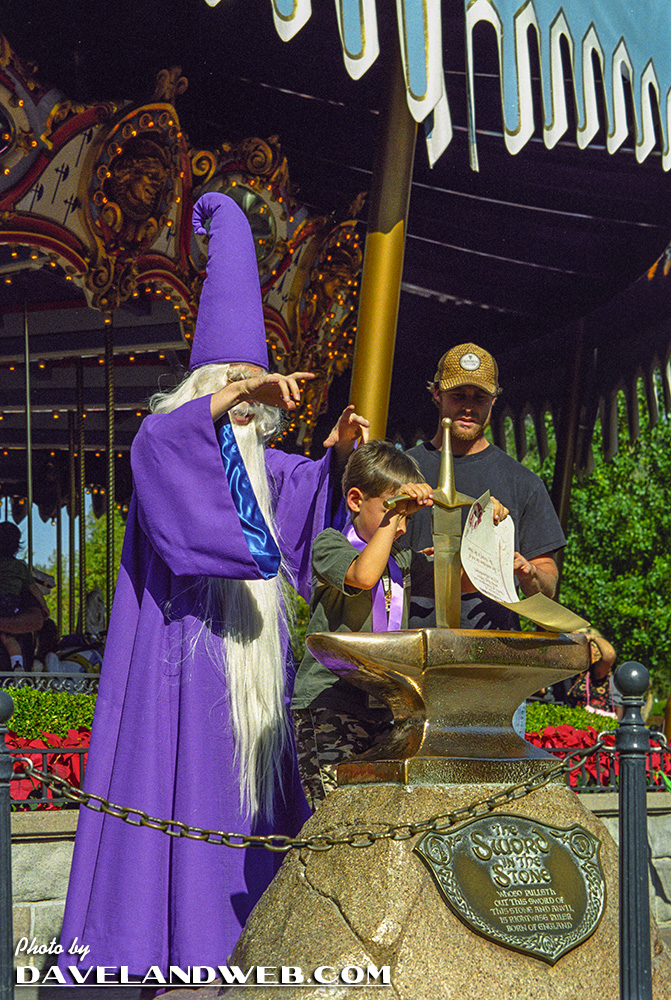
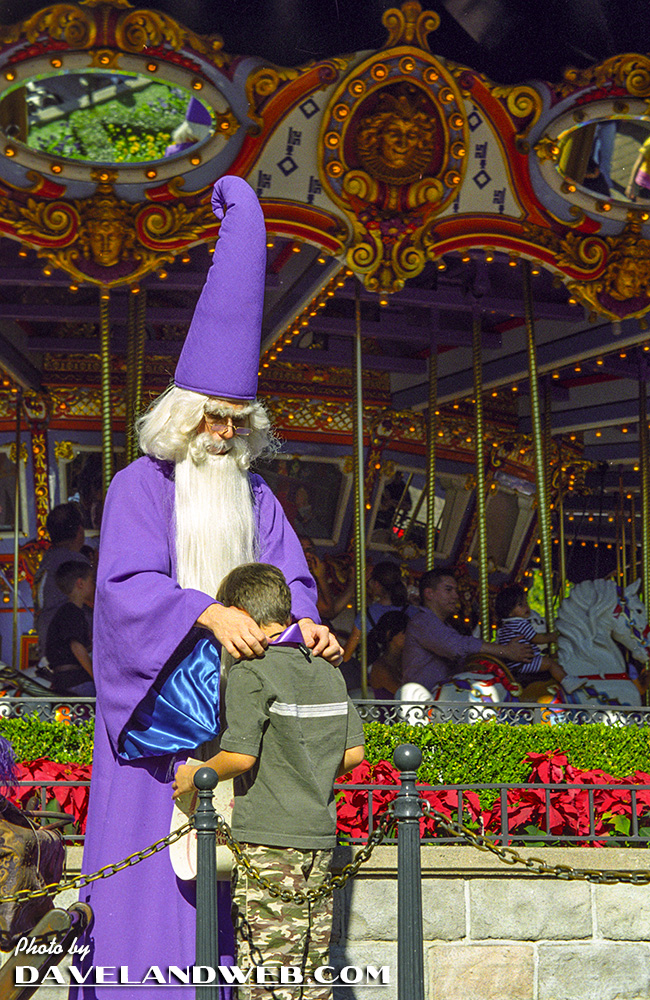
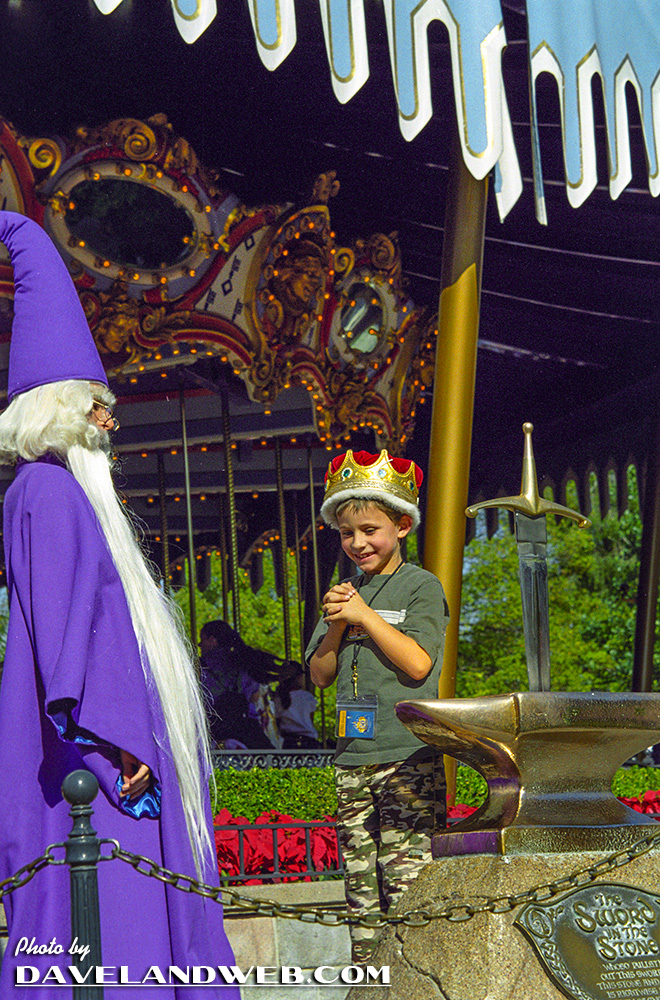
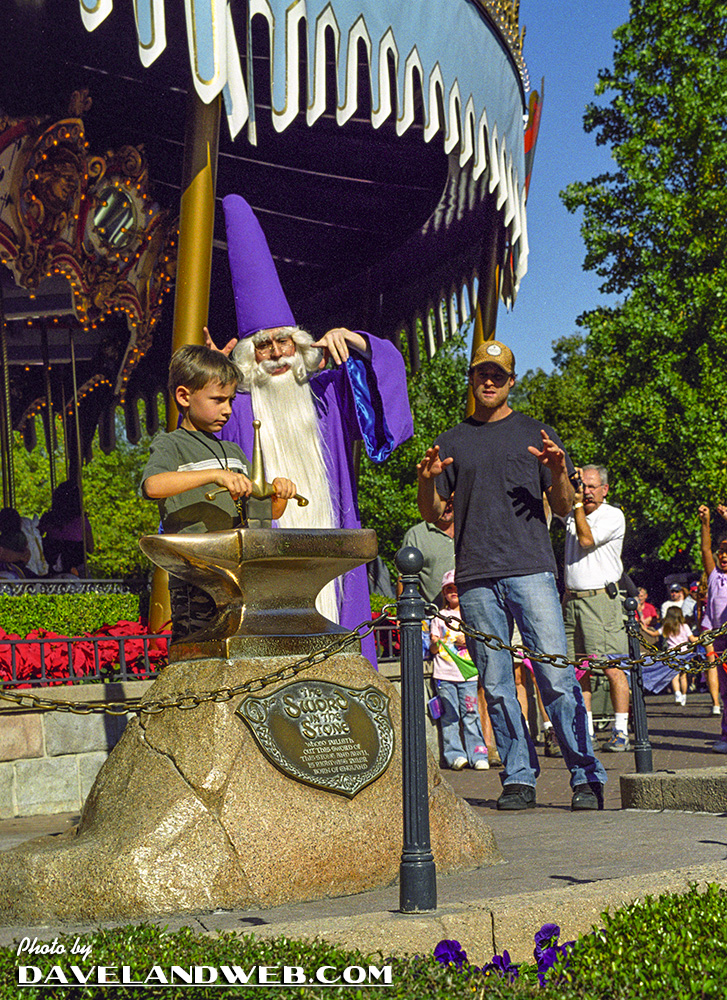
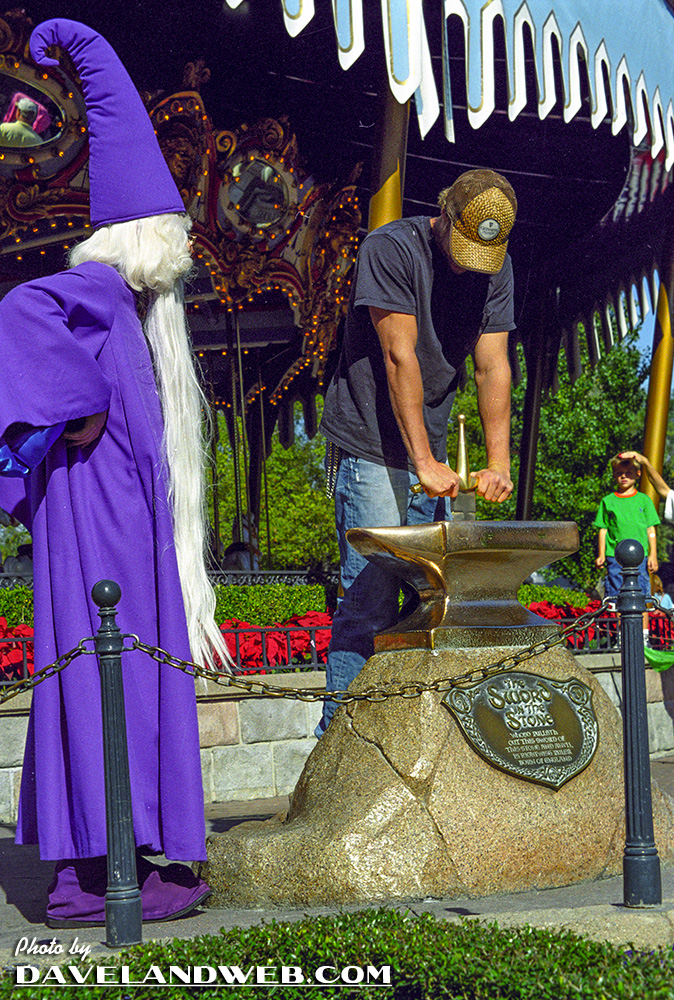
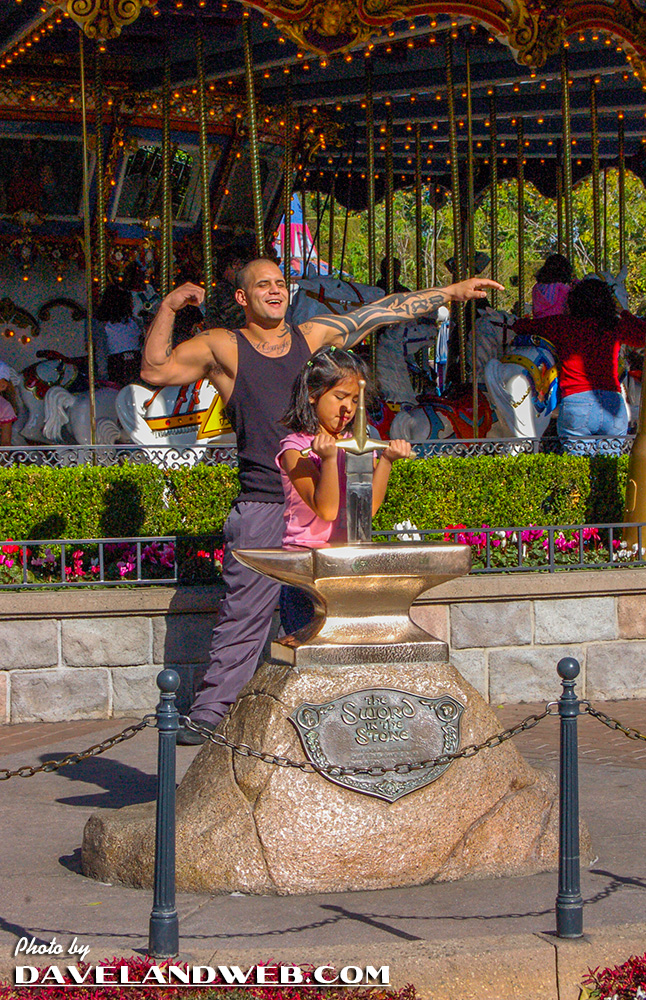
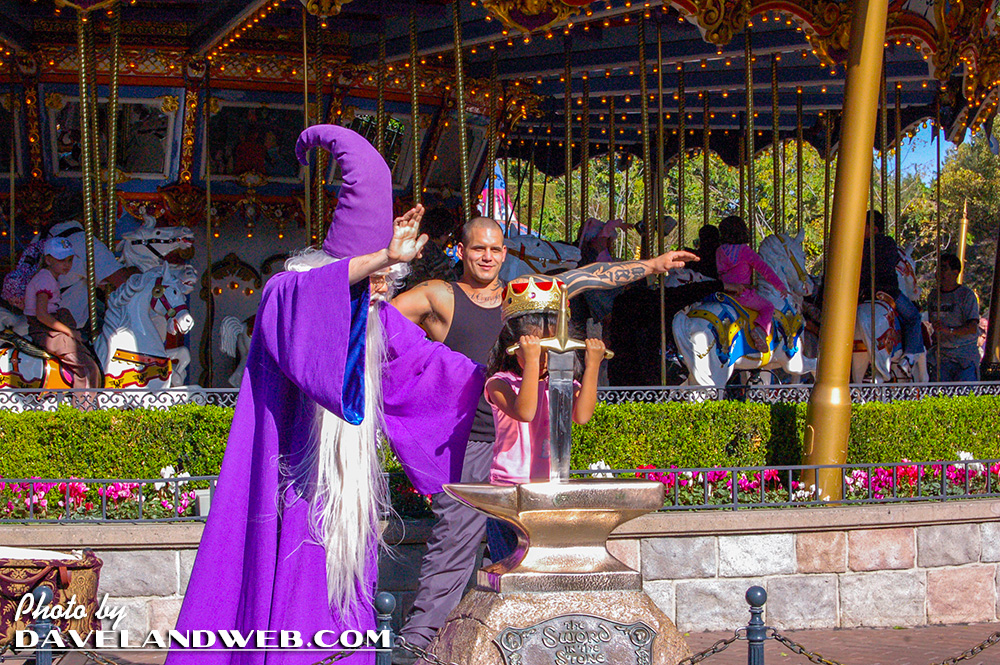
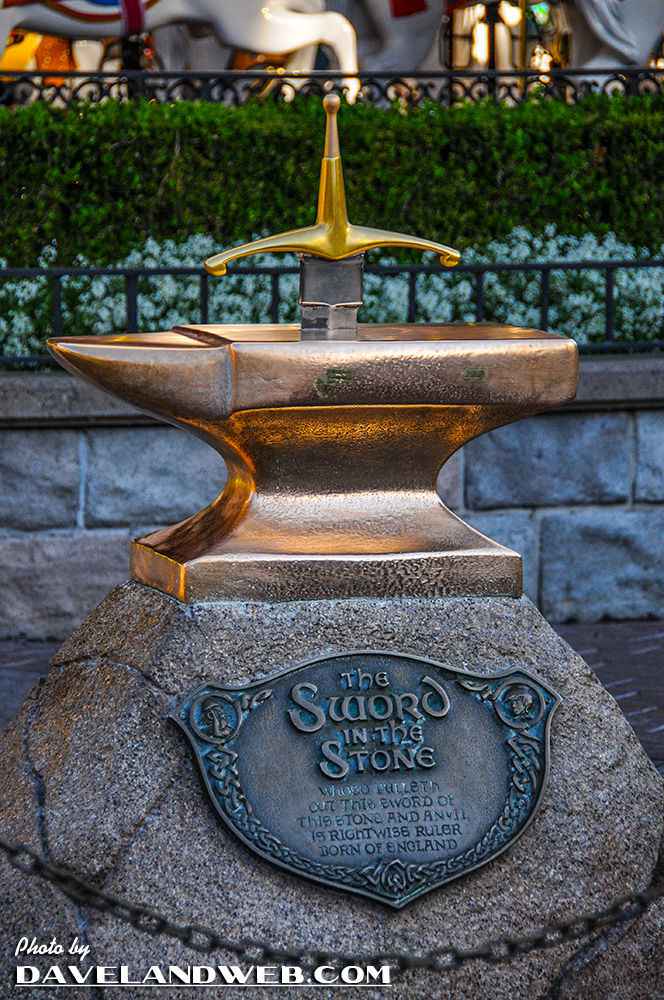
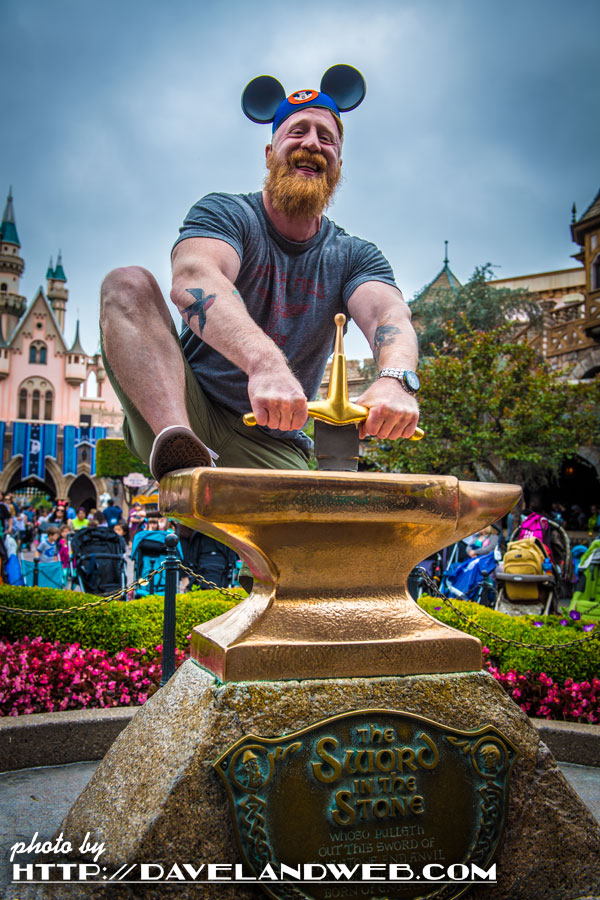
In 1983, the Kig Arthur Carrousel was moved to its current location as part of the New Fantasyland. At the same time, "The Sword in the Stone" was added, giving children a chance to try their hand at freeing the legendary sword of King Arthur.
When Walt Disney created Disneylalnd in 1955, more than 4,000 carrousels operated in the US. Today, fewer than 200 carrousels exist. To ensure that the magic of this carrousel will continue to enchant new generations, the King Arthur Carrousel is currently undergoing refurbishment by skilled artisans.
King Arthur Carrousel reopened in February 2003 after extensive renovations. These renovations included an entirely rebuilt turntable, a new computerized operating system that stops the carousel in the same spot every time, and the replacement of about half of the mirrors with scenes from Sleeping Beauty. If you're anything like me, you might wonder about the name "Carrousel" and why at Disneyland, they use two "r's." Daveland reader and former Disneyland Tour Host Jack was kind enough to finally answer that burning question for me: "In England, (as with words like parlour or colour) the “correct” spelling for carrousel is with the two "r’s," whereas in America we simplified the spelling to carousel. Also, if a carousel or carrousel spins counter-clockwise, a la King Arthur’s, it is officially a carrousel. If it spins clockwise, its technical name is merry-go-round." Thanks, Jack! Good to finally know!
MICKEY MOUSE CLUB MAGAZINE 6/57
king arthur and the carrousel
by John Conner
Nearly everyone has ridden a merry-go-round or carrousel, but not everyone knows that this pleasant amusement traces its beginnings way back to the days when knighthood was in flower. Indeed, the word carrousel comes from an old, old Italian word meaning "little war" — or tournament.
In the days of good King Arthur, the most exciting thing that could happen was a tournament. Medieval knights and ladies would travel on horseback for miles and miles to attend one of these "little wars." For in times of peace, the tournament was the only chance a knight had to show off his fighting skill. And it was the only chance a lady had to meet with other ladies and talk about the things ladies have always talked about — fashions and babies and births and weddings and sweethearts. Then, too, a tournament gave both men and women an opportunity to wear their finest silks and velvets, their brightest jewels and their most costly furs.
There was only one thing wrong with tournaments. When the knights mounted their steeds and charged one another with lances or drawn sowrds, they sometimes were hurt. Occasionally, even though the warfare was all make-believe and the contestants were protected by heavy armor, a knight would be killed in a
tournament. At last the nobles began to think they were paying too high a price for this most popular of sports. They were sure of this when a French king lost his life in a tournament.
Unwilling to give up their wonderful game altogether, they gradually changed the nature of the contests at the tournament. Instead of hcaking at each other with swords andn lances, the knights gave elaborate demonstrations of their skill as horsemen.
In one of the contests a metal ring was used — a ring quite similar to those brass rings you can still try to spear with your finger on some merry-go-rounds today. It was much more difficult ot catch a small ring on the point of a lance at full gallop than to hit a large, armred knight riding full tilt on a an enormouse horse. And it was safer too since the small brass ring could be depended upon not to hit back.
The English called this game "tilting at the quintain" and gave handsome prizes to the best tilters.
As competition became keener, it was necessary to practice more. Royalty was especially senstive about the prowess of princes. So someone hit on a novel plan — a tournament trainer!
This trainer consisted of a tall post with a series of wooden arms that extended out like the spokes of a great wheel. These arms supported wooden horses dangling form them on ropes. And the wooden horses, in turn, supported the yong prices who needed to brush up on their tilting skil. The whole marvelous device was pushed around and around by two servants, while the young prices tried to spear a ring with miniature lances.
But how did this nobleman's device become the plaything of the common man? It seems that a Paris toymaker attended one of Louis XVI's fabulous tournaments. He was so entrance with what he had seen that he fashioned a new toy with tiny wooden horses, cats and dogs that revolved around an axis. Neighborhood children fell in love with the toy. About 1700, models were made large enough so that the children could ride the wooden horses. After that, carrousels were popping up all over Europe.
The merry-go-round was brought to this country during the early 1800's by Micheal Dentzel, a famous manufacturer of carrousels. The King Arthur Carrousel at Disneyland was made by the Dentzels. It is big enough to carry 72 horses and riders, and like the horses in the tournaments of old, these wooden steeds are so spirited and handsome that even King Arthur and his brave knights would have enjoyed riding them.
LOVE @ THE CARROUSEL FEB. 14, 2012
 Daveland reader Shawn Turpen sent me this fantastic story of how he proposed to his girlfriend Elizabeth at Disneyland:
On the evening of Valentine’s Day 2012, I led Elizabeth to Sleeping Beauty’s Castle in Disneyland. As the sun began to set the lights on the castle were lit, and it truly turned in to the magic hour. It was there that I took my sweetheart by the hand, and got down on one knee. I gazed upon her glowing face, telling her my life began the day we met. “Will you, Elizabeth, spend the rest of your life with me? Will you marry me?” Through the tears of joy, she said yes.
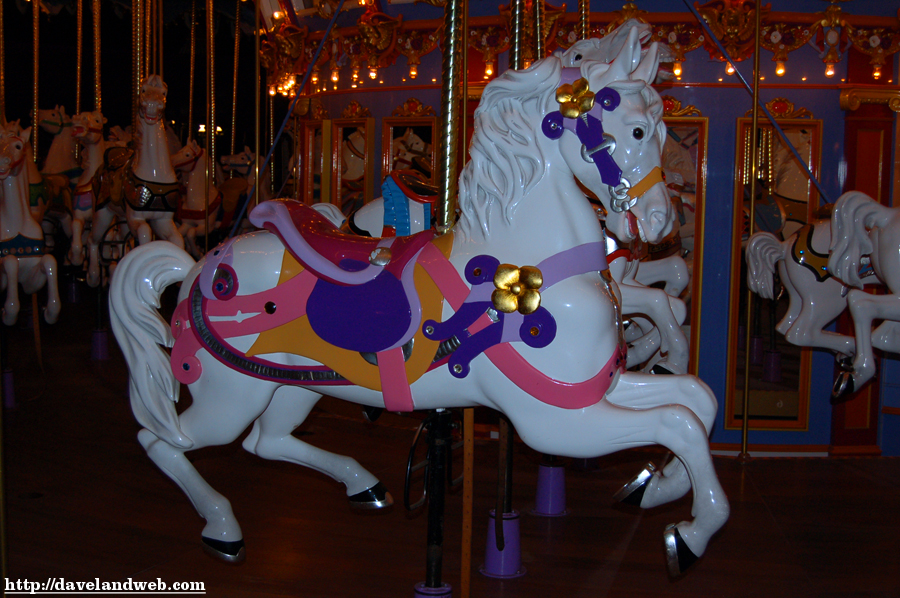
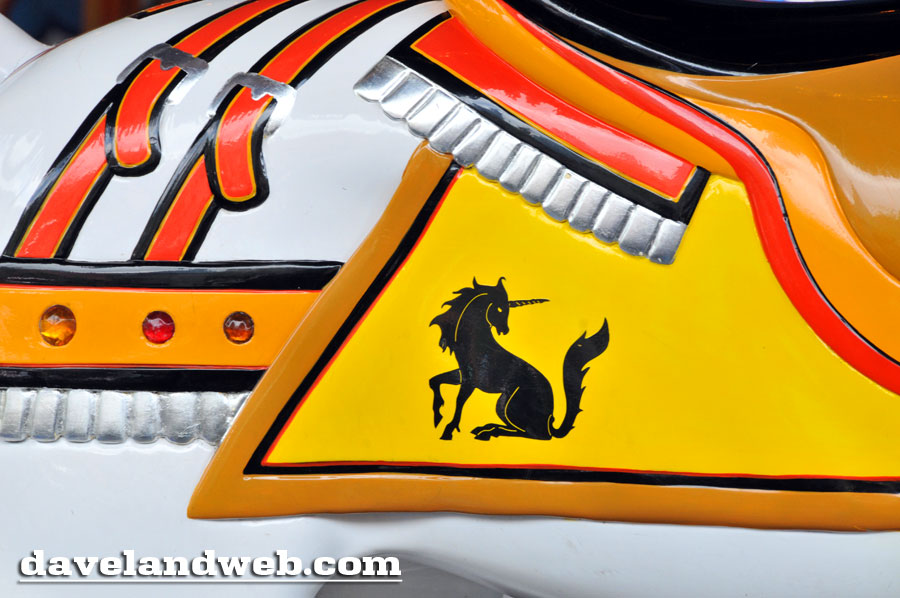
Our first ride together as the future Mr. and Mrs. Turpen, was on King Arthur’s Carrousel in Fantasyland. We waited until the ride loaded with passengers and started before getting in to line, so that we could have our pick of the horses. I wanted to be astride “King Richard”, as being of Scottish heritage; I wanted the steed with the Scottish emblem on his saddle blanket.
To our surprise, when Emily (the Cast Member in charge of the ride) learned that we had just gotten engaged, she blessed our union by giving us the magical gift of riding the Carrousel alone! She held back the crowd so it was just the two of us on the ride, and announced over the loudspeaker to the entire park that we had just gotten engaged. We rode King Arthur’s Carrousel to Sleeping Beauty’s “Once Upon a Dream” while the crowds of onlookers clapped, cheered and voiced loud congratulations. To my fiancée, a true Disney girl, it was the cherry on top of her Once Upon a Dream and I couldn’t have planned it better myself!
We intentionally chose the Carrousel, for out of all of the attractions at Disneyland it meant the most to us, but we never could have expected the outcome! It was the perfect fairytale ride for a perfect fairytale proposal.
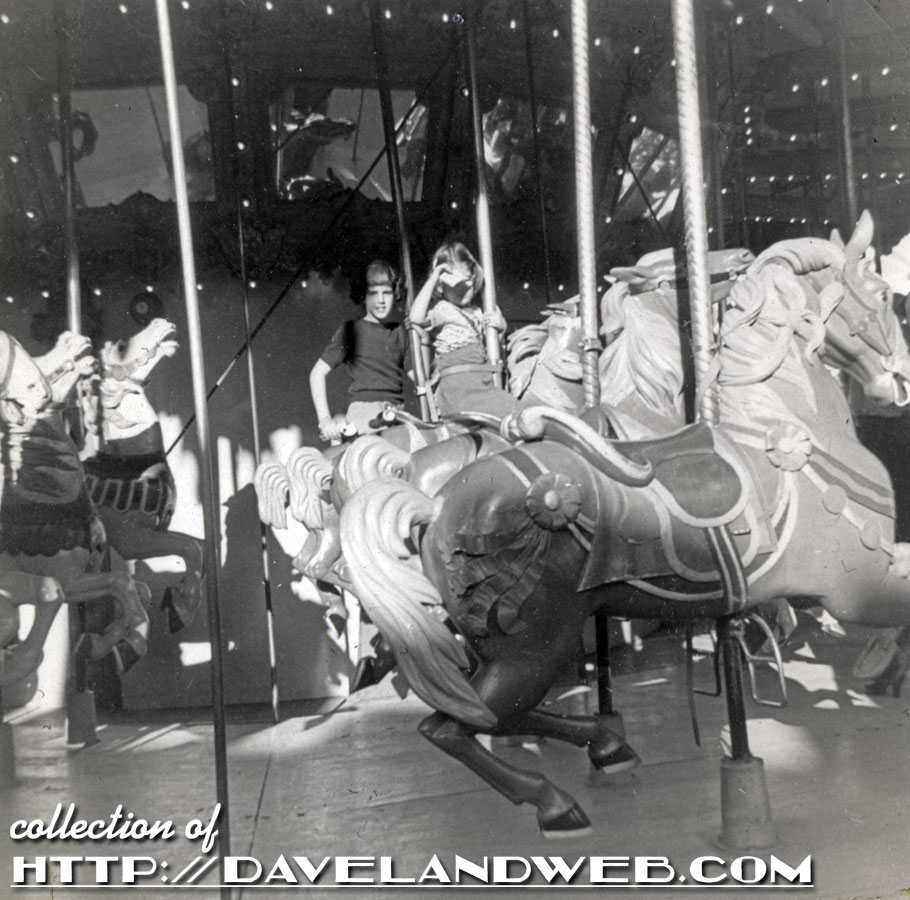
The photo here shows the horse that they were on that evening.
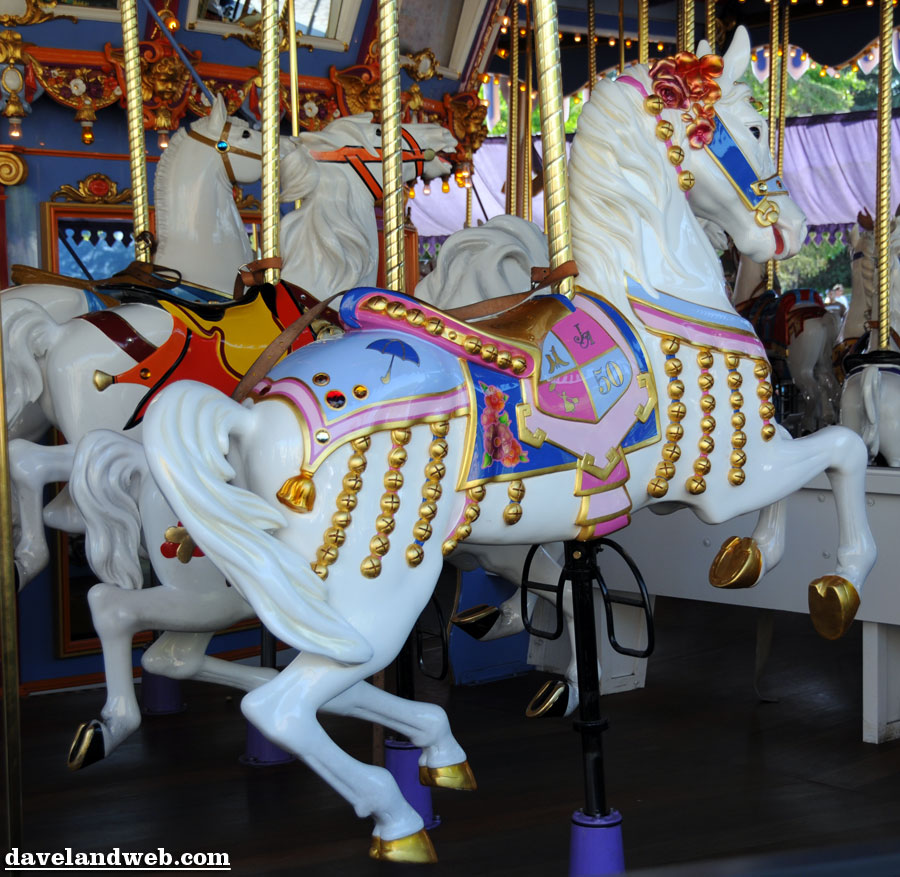
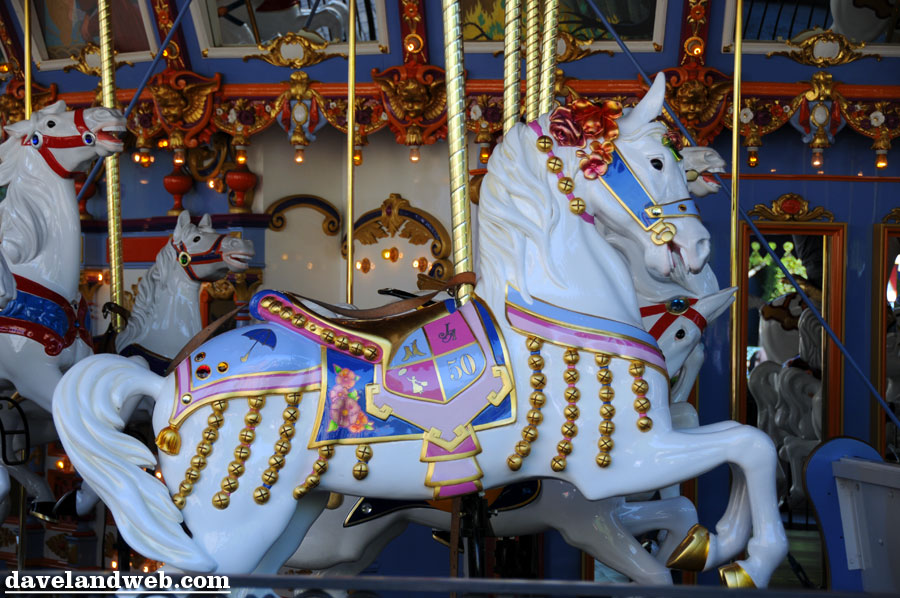
BACKSTORY: On April 8, 2008, Julie Andrews came to Disneyland to for a ceremony that recognized her service as Honorary Ambassador of Disneyland’s 50th Anniversary Celebration. Joined by Marty Sklar (Executive VP & Imagineering Ambassador) and Ed Grier (President, Disneyland Resort), Julie was at the King Arthur Carrousel for the dedication of the lead carrousel horse, “Jingles.”
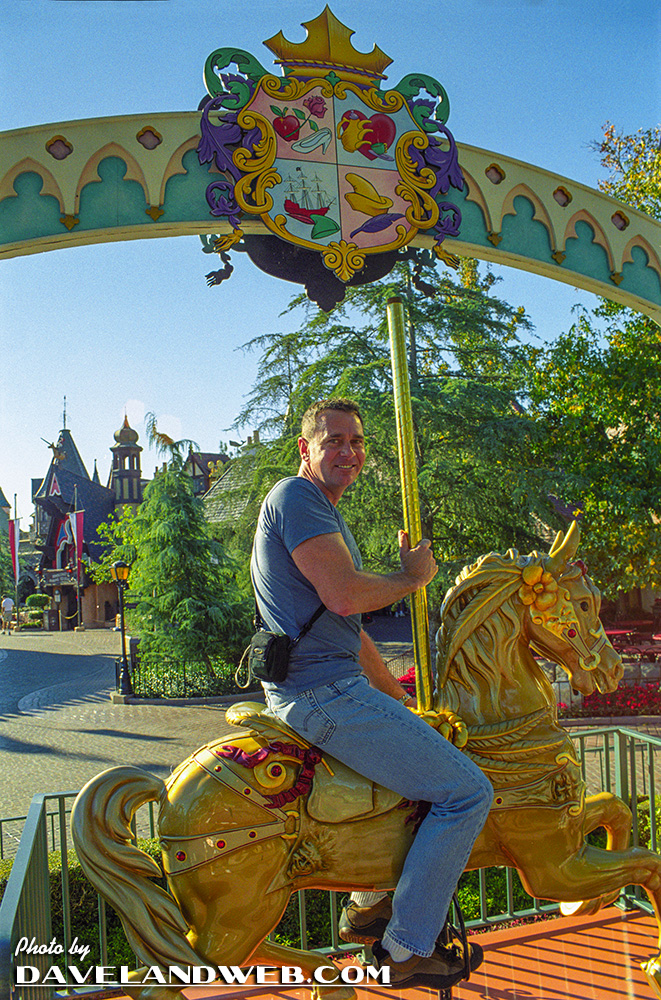
Jingles was “goldenized” in 2005 in honor of Disneyland’s 50th Anniversary and Julie was photographed with the horse during the festivities. To acknowledge Julie’s role as an honorary cast member, Disneyland Resort gave Jingles another makeover and dedicated the cherished horse in her honor.
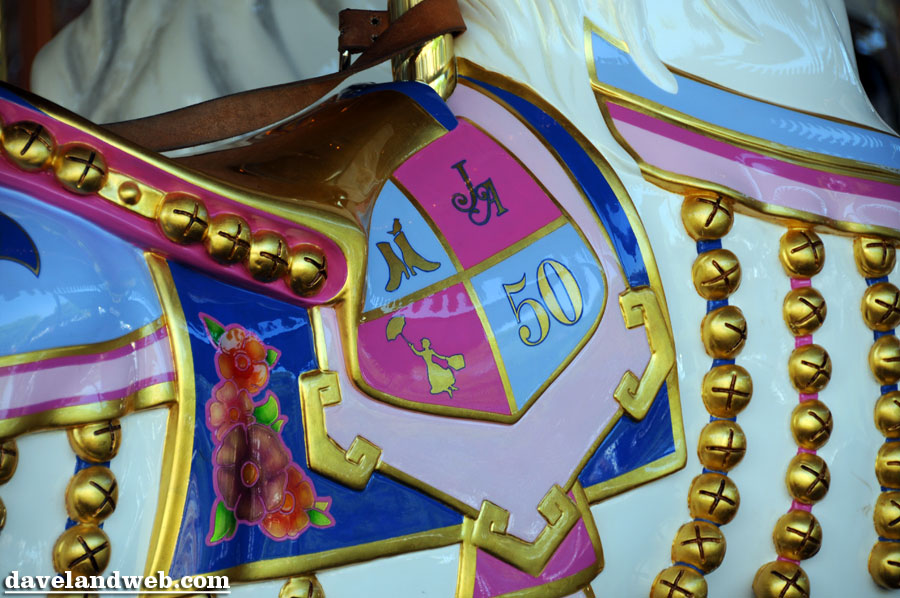
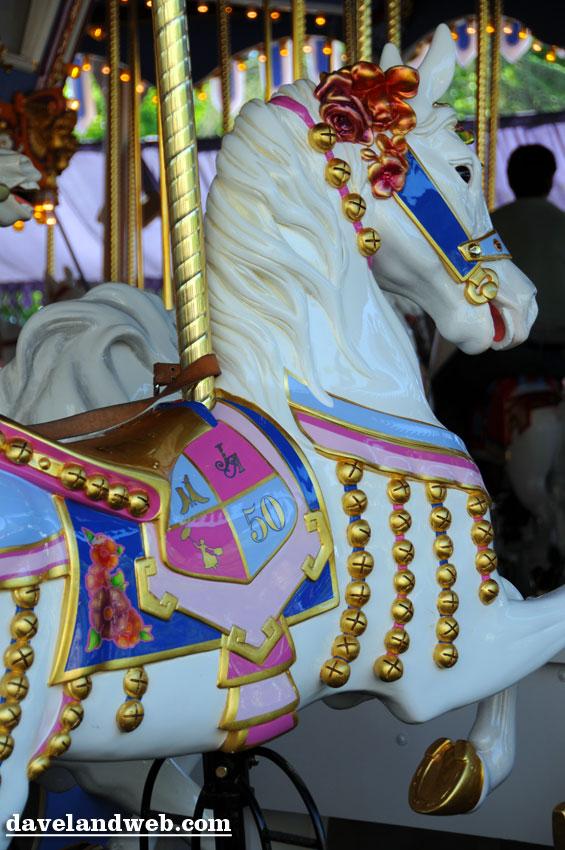
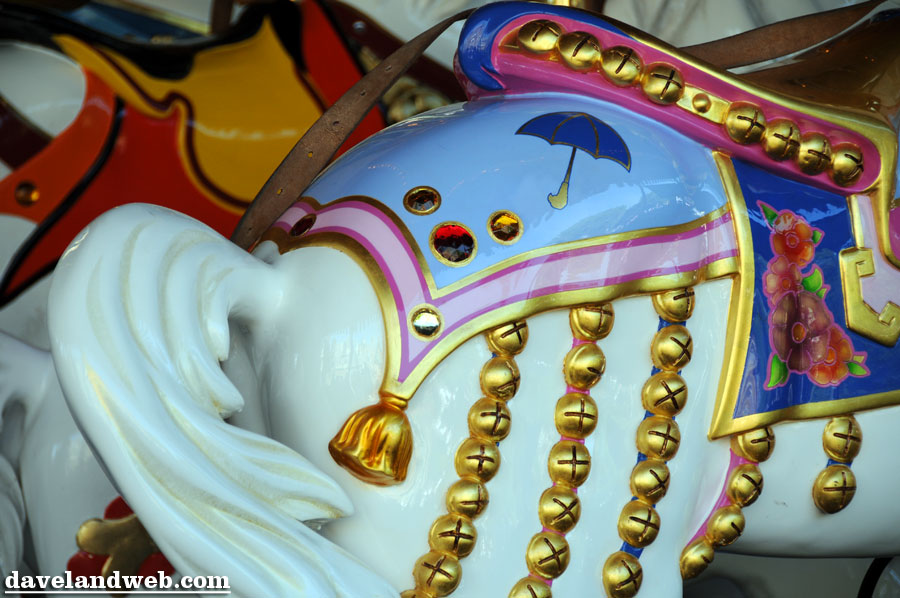
Jingles now dons a hand-painted, colorful jewel-tone palette. Special features have been added to honor the screen legend, including embellishments of gold leaf horseshoes, flowers representing Julie’s love of gardening, and Mary Poppins’ themeing on Jingles’ enhanced golden saddle. Hand-painted features on the saddle include Julie’s initials, the number “50” representing Disneyland’s 50th anniversary, Mary Poppins’ boots and a flying silhouette of Mary Poppins. Golden, wooden jingle bells also adorn the horse’s body.
A miniature, one-of-kind replica of Jingles was also presented to Julie. The commissioned, hand-carved wood piece stands nearly 2.5' tall and wears a special replica broach of the custom-made pin that Julie received for being an Ambassador for Disneyland’s 50th anniversary.